
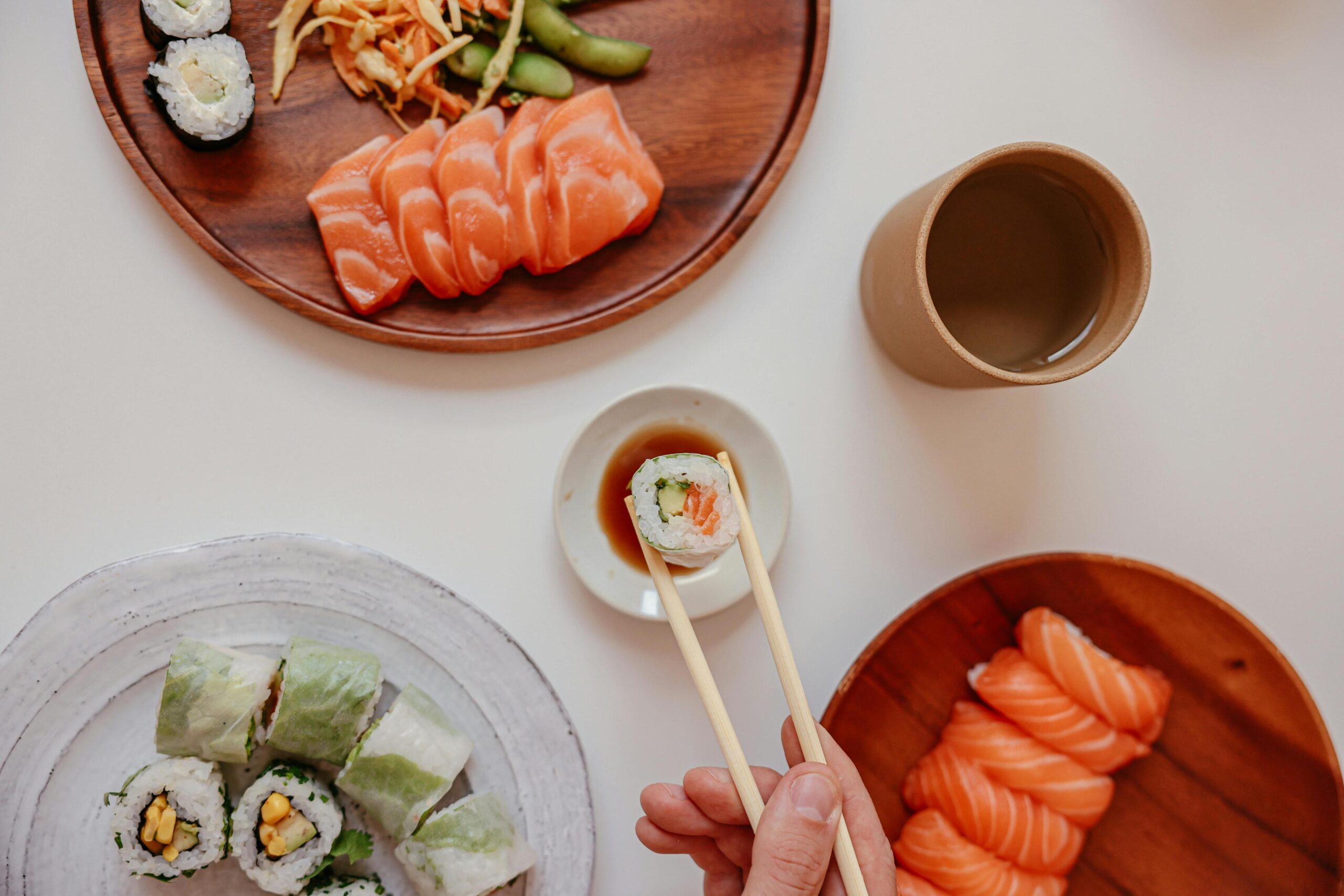
Salmon Sashimi: Sushi for Beginners
Dipping your toes into the world of sushi can be an exciting, yet slightly daunting, culinary adventure. The vast menu at a typical sushi restaurant, with its unfamiliar Japanese terms, can leave a newcomer feeling lost. If you’re wondering where to begin, let us introduce you to the purest and most fundamental starting point: salmon sashimi. Focusing on the clean, fresh taste of the fish itself, sashimi is a perfect gateway to understanding the quality and artistry that defines Japanese cuisine. Much of the world’s premium salmon sashimi is sourced from Norway, renowned for its cold, pristine waters that contribute to the fish’s exceptional quality. It allows you to appreciate the star ingredient without distraction, making it an ideal first step for any beginner. When eaten raw, fresh salmon offers a tender texture and rich flavor that truly stands out.
Singapore Sushi Stories presents you this guide is designed to demystify salmon sashimi for you. We’ll walk you through what it is, how to enjoy it, and where to find the best salmon sashimi in Singapore. By the end, you’ll feel confident enough to walk into any sushi restaurant and order like a pro.
The Big Question: What’s the Difference Between Sashimi and Sushi?

This is the most common point of confusion for beginners, so let’s clear it up right away. While the terms are often used interchangeably, they refer to two distinct things.
- Sushi: The word “sushi” actually refers to the vinegared rice, known as shari. Therefore, any dish that includes this specially prepared rice is technically sushi. This includes nigiri (a slice of fish over rice), maki (rolls), and chirashi (a bowl of rice with toppings). Sushi rice is a key component that distinguishes sushi from sashimi.
- Sashimi: Sashimi, on the other hand, refers to expertly sliced, high-quality raw fish or seafood served without rice. Sashimi is prepared by slicing the fish into precise slices using a sharp knife and specific techniques to ensure clean cuts and beautiful presentation. Different slicing methods, such as Hira-zukuri for thicker slices or Sogigiri for thin, angled slices, are used to achieve the ideal texture and appearance.
So, while all sashimi can be a component of a salmon sashimi platter, sashimi on its own is not sushi. Think of it this way: sashimi is the star performer, and in sushi, it shares the stage with the vinegared rice.
A Brief History of Fresh Salmon Sashimi and Its Place in Singapore
The tradition of eating raw fish in Japan dates back centuries. Originally, fish was preserved in fermented rice, but over time, tastes evolved to favor fresh fish. As preferences shifted, the foods that salmon consume and their natural diet became recognized as key factors influencing the quality and fat content of the fish, which in turn affect flavor and texture. The art of sashimi as we know it today truly flourished during the Edo period (1603-1868) in Japan, becoming a staple of refined Japanese dining. It was considered a dish that highlighted a chef’s knife skills and their ability to source the freshest possible ingredients, including selecting salmon with optimal fat content for the best sashimi experience.
When Japanese cuisine arrived in Singapore, sashimi was initially an exclusive delicacy found only in high-end establishments. However, as Singaporeans’ palates became more global, the demand for authentic Japanese food grew. Today, salmon sashimi has become a beloved and delicious part of the local food scene, with multiple variants available to suit different tastes and preferences. Its popularity is a testament to the city’s love for fresh seafood and high-quality ingredients.
A Beginner’s Guide to Common Sashimi Fish

Starting your salmon sashimi journey is all about trying different types and discovering what you like. For safety and the best experience, always use sashimi-grade raw salmon fillet when making sashimi at home. Here are a few popular, beginner-friendly fish you’ll find on most menus.
- Salmon (Sake): With its vibrant orange color, rich flavor, and buttery texture, salmon is often the first type of sashimi people try and love. High-quality salmon sashimi is typically prepared from a fresh salmon fillet, carefully sliced for optimal flavor and texture. It’s mild, fatty, and incredibly approachable.
- Yellowtail (Hamachi): This fish offers a delightful balance. It is slightly firm yet buttery, with a rich, slightly tangy flavor. It’s a great next step after you’ve tried salmon and tuna. The fillet is also ideal for sashimi preparations.
- Scallop (Hotate): For those hesitant about a “fishy” taste, scallops are perfect. They are incredibly sweet, soft, and have a delicate, almost creamy texture. They offer a completely different but equally delicious salmon sashimi experience.
Dipping in Soy Sauce: Sashimi Sushi and Etiquette
Enjoying sashimi is a simple pleasure, but a few tips can enhance your experience.
- Use Your Chopsticks: Pick up a single slice of fish with your chopsticks.
- Pour a Little Soy Sauce: Pour a small amount of soy sauce into the small dish provided. You can always add more, so start with less to avoid waste.
- Add Wasabi (or Don’t): Traditionally, you can place a tiny amount of wasabi directly onto the fish before dipping. Avoid mixing it into your soy sauce, as this is frowned upon in very traditional sushi restaurants. For your first time, try the fish on its own to appreciate its natural flavor.
- Dip Lightly: Dip only a corner of the fish into the soy sauce. Drenching it will overpower the delicate taste of the seafood.
- Use Ginger as a Palate Cleanser: The pickled ginger (gari) is not a topping. Eat a small piece between different types of fish to cleanse your palate and prepare for the next flavor.
A slice of lemon can be served alongside sashimi to enhance its freshness. Certain garnishes, such as yuzu aioli, are optional and can be added based on personal preference.
Note: Sashimi should be served chilled or at a cold temperature to maintain its delicate texture. For optimal flavor and safety, sashimi is best consumed immediately after serving.
The Unique Flavor of Salmon Sashimi in Singapore

While Singapore honors the traditions of Japanese cuisine, it also adds its own unique touch. Local preferences have influenced the types of salmon sashimi in Singapore. For instance, salmon sashimi is exceptionally popular here, far more so than in Japan.
You will also find modern fusion styles in many sushi restaurants. This might include thicker-cut sashimi to suit local preferences for a meatier bite, or sashimi served with contemporary sauces and garnishes beyond the traditional soy and wasabi. When preparing these fusion styles, following a recipe that highlights the right slicing method—such as cutting against the grain—helps achieve a tender texture in each piece. Some recipes may include non-traditional ingredients, but it’s important not to pair sashimi with the wrong sides that could overpower its delicate flavor.
Recommended Sushi Restaurants for Beginners
Ready to try your first plate of salmon sashimi in Singapore? These restaurants source their salmon from reputable markets and specialty stores to ensure the highest quality and freshness. Here are a few great places that are known for their quality and welcoming atmosphere.
Standing Sushi Bar: Known for its fantastic promotions on sashimi, this is one of the best spots to get excellent value. It’s a lively place where you can sample top-notch salmon sashimi without a hefty price tag. Delivery is available, and sashimi is packed fresh before it reaches your door.
Sushiro: This popular chain is famous for offering high-quality fish, including premium cuts, at very affordable prices. It’s a great, low-pressure environment to try different types of fish. Sushiro also offers takeaway and delivery, with sashimi packed fresh for your order.
Itacho Sushi: Occupying a comfortable mid-range spot, Itacho offers an extensive à la carte menu with a wide variety of fresh sashimi. Their quality is consistent, making it a reliable choice for beginners.
Sashimi Grade: Addressing Common Concerns

It’s completely normal to have a few hesitations before trying raw fish for the first time.
- Freshness and Food Safety: Reputable sushi restaurants in Singapore adhere to extremely strict food safety standards. The fish served is “sashimi-grade,” meaning it is of the highest quality and has been handled and stored in a way that makes it safe for raw consumption. Consuming raw salmon carries a risk of parasites, so sashimi-grade fish is often frozen at very low temperatures to kill parasites and minimize risk. Only commercial freezing methods—not a typical home freezer—can ensure the fish is frozen properly to eliminate parasites. Reputable restaurants and suppliers use strict freezing, storage, and handling procedures to further reduce any risk.
- “What if I don’t like the taste?”: Start with milder fish like scallop or yellowtail. The taste of fresh, high-quality sashimi is clean and oceanic, not “fishy.” If you’re still unsure, order a small platter with just a few different types to sample.
Practical Tips for Ordering
Look at the Specials: The daily or weekly specials often feature the freshest fish that has just arrived. Some restaurants receive air shipments of fresh salmon in the morning to maintain optimal quality. Sashimi is typically packed fresh for delivery or takeaway to maintain its quality and ensure you get the best possible experience.
Start with a Moriawase: This is an assorted platter of sashimi chosen by the chef. It’s the easiest way to sample a variety without having to make individual choices. Just ask the staff what’s included. When preparing condiments or seasoning, a teaspoon is often used to measure salt or other ingredients for the perfect balance.
Ask for Recommendations: Don’t be shy! Tell your server you are new to sashimi and ask for their recommendations. They can guide you toward milder, more popular options.
Your Adventure Awaits

The world of salmon sashimi is a celebration of freshness, simplicity, and quality. By starting with this pure form, you build a foundation for understanding the entire spectrum of Japanese cuisine. It’s a journey of discovering delicate flavours and textures that can be incredibly rewarding.
To fully enjoy your salmon sashimi experience, remember to use fresh salmon fillet that is sashimi grade, ensuring safe raw consumption. When preparing at home, always pat the fish dry to remove excess moisture before slicing with a sharp knife against the grain for a tender texture. Adding a squeeze of lime juice or a small amount of soy sauce can enhance the flavour without overpowering the delicate fish.
If you love adding a touch of creativity, consider serving your sashimi with miso-based dipping sauces or garnishing with lemon seeds for an extra burst of freshness. Always follow proper instructions for storage and handling, keeping your salmon chilled in the refrigerator and avoiding refreezing to maintain quality.
Singapore’s vibrant and diverse sushi scene offers multiple variants of salmon sashimi, from traditional styles to modern fusion dishes. Whether you enjoy it simply with sushi rice or with a flavorful sauce, the cost of quality salmon sashimi is well worth the delicious and healthy experience. For more reads, Six Weeks Out and Still No Table: The Real Reason Sushi Masa by Ki-setsu Is Singapore’s Hardest Omakase to Bookhighlights the high demand and exclusivity of top-tier sushi experiences in the city.