
Understanding Sushi Grade Fish: Sashimi Quality Salmon
There is something truly captivating about a plate of perfectly sliced sashimi. The vibrant color, the delicate texture, and the clean, fresh taste of the ocean represent Japanese cuisine in its purest form. For many enthusiasts in Singapore, salmon is the undisputed star of the sashimi world. Its rich, buttery flavor is both luxurious and comforting. However, not all salmon is created equal. The key to an exceptional and safe raw fish experience lies in understanding the concept of sashimi quality salmon. This knowledge empowers you to appreciate the craft behind your meal and make informed choices, whether you are dining out or preparing sushi at home, and to enjoy the wide variety of choice available when selecting sashimi quality salmon to suit your preferences.
This guide will demystify the terms “sushi grade” and “sashimi quality.” We will explore what makes a piece of salmon worthy of being eaten raw, how to identify it, and where to find the best salmon sashimi in Singapore.
What Does “Sushi Grade” Really Mean?

You have probably seen the term “sushi grade” or “sashimi grade” at fish markets and on restaurant menus. These marketing terms, common in Japanese cuisine and sushi, indicate fish of high quality handled properly for safe raw consumption. The key difference lies in the freezing process: fish meant for sashimi quality salmon is flash-frozen to -20°C or below for several days to kill parasites without compromising texture or flavor.
When purchasing sashimi quality salmon, trust that suppliers follow strict protocols from catch to storage, often sourcing from premium regions like Osaka or Japan. Choosing reputable suppliers or restaurants specializing in fresh seafood and sushi ensures both safety and quality for your Japanese dining experience.
Many renowned sushi restaurants in Singapore, including those located in popular areas like Ngee Ann City, Shaw Centre, and International Plaza, offer sashimi quality salmon as part of their omakase menu or sushi selection. These establishments often provide detailed information about their sourcing and handling practices and accept reservations to ensure a premium dining experience. Some even feature a modern twist on traditional Japanese dining, serving dishes alongside miso soup, sake, and other signature items.
In addition, some sushi bars and restaurants located on a rooftop or featuring charcoal-grilled signatures add a unique ambiance and flavor profile to the Japanese dining experience. Whether you are dining with friends or seeking a special meal for one person, knowing the importance of sushi grade fish and sashimi quality salmon will enhance your appreciation of the freshest catches and the craftsmanship behind each dish.
Remember, the quality of sashimi grade salmon can vary, so always look for trusted reviews and recommendations, especially during peak months such as August when the freshest seafood is often available. Enjoying sashimi quality salmon at a restaurant that specializes in Japanese cuisine is a bonus for any seafood lover and a must for those who miss authentic flavors from Japan.
Understanding Sashimi Quality Salmon in Japanese Cuisine

So, what exactly makes a piece of salmon suitable for a top-tier sashimi experience? It is a combination of its species, freshness, and physical characteristics. A piece of exceptional sashimi quality salmon is a treat for all the senses and is particularly prized in Japanese cuisine, particularly sushi, where the quality and craftsmanship are essential.
Key Quality Indicators
- Freshness: This is paramount. Fresh salmon should have a clean, mild scent of the ocean. It should never smell overly “fishy” or have an ammonia-like odor. The flesh should be firm to the touch and spring back when gently pressed.
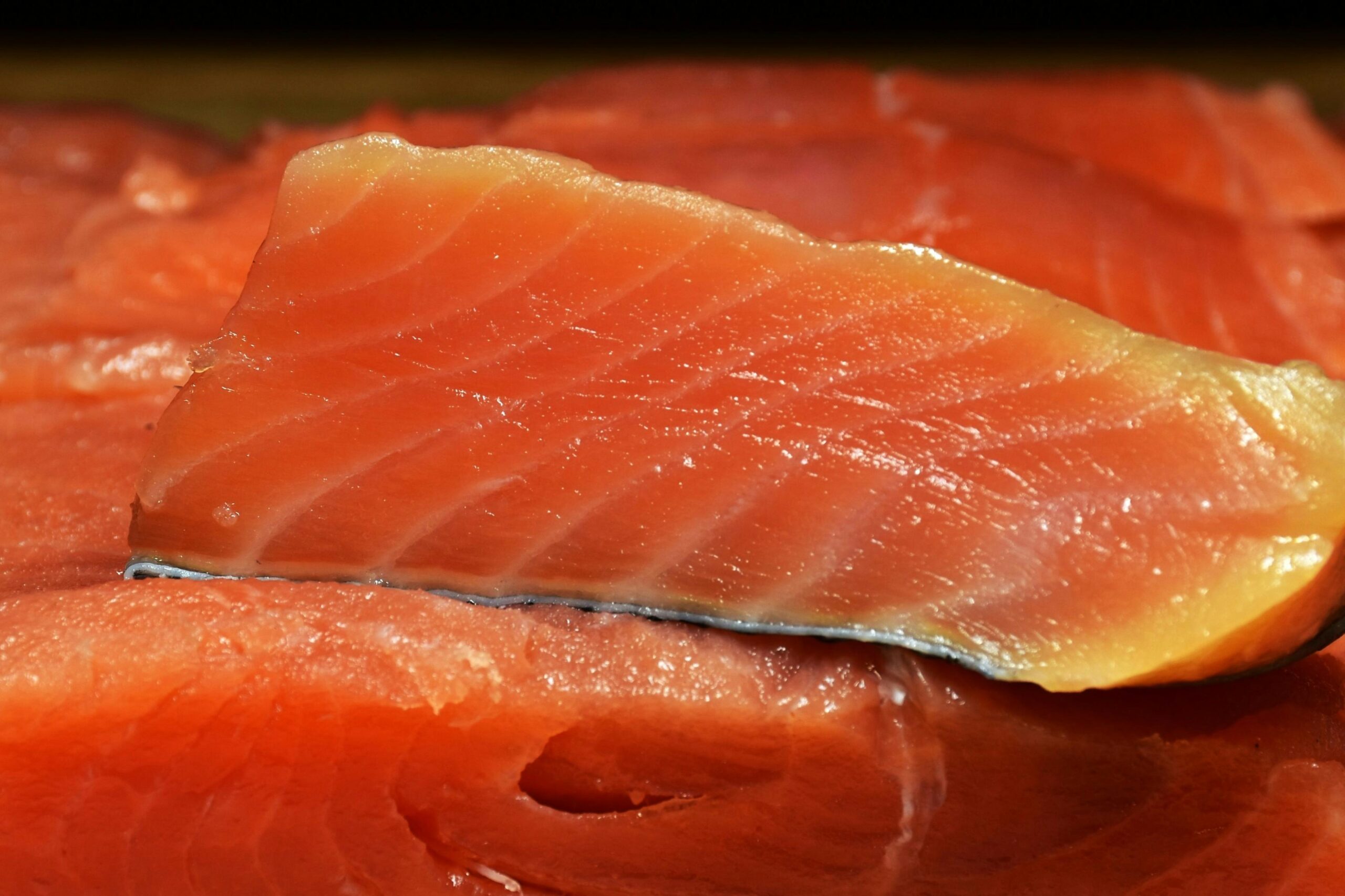
- Color: The salmon should have a vibrant, deep orange or reddish-pink hue. The color should be consistent, without any brown spots or discoloration. A dull, pale appearance can indicate a lack of freshness.
- Texture: When sliced and eaten, the salmon should have a smooth, almost buttery texture that melts in your mouth. It should not be mushy, slimy, or tough.
- Fat Content & Marbling: The fine white lines of fat running through the fillet are called marbling. This intramuscular fat is what gives salmon its rich flavor and decadent mouthfeel. Well-marbled salmon is highly prized for sashimi and is celebrated for its luxurious taste.
Common Types of Salmon for Sashimi
Different types of salmon offer slightly different taste and texture profiles.
- Atlantic Salmon: This is the most common type of salmon used for sashimi, especially in Singapore. It is typically farmed, which means it is raised in a controlled environment with a diet that limits the risk of parasites. It is known for its mild flavor, soft texture, and high fat content.
- King Salmon (Chinook): Often considered the most luxurious salmon, King salmon has a very high fat content, a rich, buttery flavor, and a silky texture. It is a prized catch and usually comes with a higher price tag.
- Sockeye Salmon: This type is known for its deep, ruby-red color and a more intense, complex flavor profile. It is leaner than Atlantic or King salmon, giving it a firmer texture.
For those seeking a premium sashimi experience, opting for salmon that meets these quality indicators ensures you enjoy the freshest catches, whether at a sushi bar, a celebrated restaurant in Tokyo, or a modern Japanese dining spot in Singapore. Diners can also opt for different types of salmon to suit their taste preferences and desired texture. Many restaurants also pair sashimi with appetisers such as miso soup and sake, enhancing the overall meal. When dining with friends at a table, especially in popular locations like Ngee Ann City or Shaw Centre, you can expect a memorable experience with dishes crafted with a modern twist and served alongside fresh seafood specialties.
How to Identify High-Quality Sashimi Salmon and Fresh Seafood

Whether you are dining at a restaurant or buying from a fishmonger, you can use your senses to spot superior sashimi quality salmon. Being an informed consumer is your best tool for ensuring you get a quality product, especially when it comes to fresh seafood prized in Japanese cuisine. Diners seeking the best sashimi quality salmon should pay close attention to the freshness and presentation, as their overall dining experience depends on the quality of what is served.
Visual Cues
Look closely at the fish. The flesh should appear moist and glistening, not dry or dull. The lines of fat should be bright white and clearly defined against the vibrant flesh. Avoid any pieces that look bruised, have gaps in the flesh, or show any signs of browning along the edges. This is particularly important when selecting salmon for sushi or sashimi dishes.
The Smell Test
Do not be shy about using your nose. As mentioned, fresh salmon should have a clean, neutral scent. Any strong, unpleasant odors are a clear warning sign that the fish is past its prime and not suitable for raw consumption. Trust your instincts; if it smells off, it probably is.
Ask Questions
Your chef or fishmonger is your best resource. A knowledgeable seller who specialises in sashimi quality salmon should be able to answer your questions with confidence.
- “Is this salmon suitable for sashimi or sushi?”
- “Where does this salmon come from?”
- “When did this fish arrive?”
A reputable supplier will be transparent about their sourcing and handling practices, often ranging from Japan to famous fishing regions like Osaka. In Singapore, this is where trusted names such as Araya Shouten, a sashimi supplier known for its focus on Japanese seafood as a fishmonger, become relevant to the conversation.
Their confidence in their product is often a good indicator of its quality. When you find a good source for sashimi quality salmon, it is worth building a relationship with them to ensure consistent access to the freshest catches for your Japanese dining experience.
Finding the Best Sashimi for Japanese Dining in Singapore

Singapore’s strategic location and world-class logistics mean we have access to some of the freshest seafood from around the globe, making it a haven for sashimi lovers. Singapore’s vibrant Japanese dining scene features a wide variety of outlets across the city, each offering unique experiences for sashimi enthusiasts.
The quality of sashimi depends on three key pillars: the supplier, the storage, and the skill of the chef. The best sashimi Singapore restaurants excel at all three. They build strong relationships with trusted suppliers who provide them with the freshest catches, including premium sashimi quality salmon. They maintain meticulous storage standards, keeping the fish at precise temperatures to preserve its freshness and safety.
Finally, the skill of the sushi chef, or itamae, cannot be overstated. An experienced chef knows how to handle, age, and slice the fish to bring out its best qualities. The way a fish is cut can dramatically affect its texture and flavor, enhancing the palate’s experience. This is why an omakase menu at a top sushi counter is often so memorable; you are witnessing a master at work serving signature dishes.
For those looking for an authentic, high-quality Japanese dining experience, seek out restaurants that are proud of their sourcing and craftsmanship. Many outlets also offer appetisers such as eel or tempura, a variety of ramen, unagi donburi, and desserts like monaka ice cream, providing diners with a comprehensive Japanese menu. Many top-tier establishments in locations such as Ngee Ann City, Shaw Centre, and International Plaza will even note the origin of their fish on the menu. While price can sometimes be an indicator of quality, it is the restaurant’s dedication to freshness, technique, and presentation that truly defines the best sashimi Singapore has to offer.
A Mark of Quality and Trust

Whether you visit during lunch or dinner, look for places offering a variety of dishes including fresh sashimi, sushi, miso soup, and rice accompaniments. Some renowned outlets like Tomi Sushi and Sen-ryo specialize in delivering traditional Japanese classics with a modern twist. Several restaurants take a sushi-forward approach, highlighting innovative sushi dishes and featuring premium ingredients such as uni, all complemented by an extensive sake and whiskies selection. Many of these restaurants also provide convenient opening hours from sun to fri, making it easy to discover and enjoy premium Japanese cuisine.
In summary, Singapore’s vibrant sushi scene is a destination for those seeking the freshest seafood, expertly crafted dishes, and an immersive dining experience that delights all palates.
The world of sushi grade fish is built on a foundation of quality, safety, and expertise. While terms like “sushi grade” are not officially regulated, they represent a crucial commitment from the seller to provide a product that is safe and delicious to eat raw. Understanding what makes sashimi quality salmon exceptional transforms you from a simple diner into a knowledgeable connoisseur.
For those curious about the exclusivity and demand in the omakase world, the story behind “Six Weeks Out and Still No Table: The Real Reason Sushi Masa by Ki-setsu Is Singapore’s Hardest Omakase to Book” offers fascinating insights. Discover this captivating tale in Singapore Sushi Stories.
From the cold, clean waters to the skilled hands of the chef, every step is part of a process designed to deliver a perfect bite. Armed with this new knowledge, you can navigate Singapore’s vibrant sushi scene with confidence, always seeking out the very best.