
Omakase vs. À La Carte: Sushi Dining Styles Explained
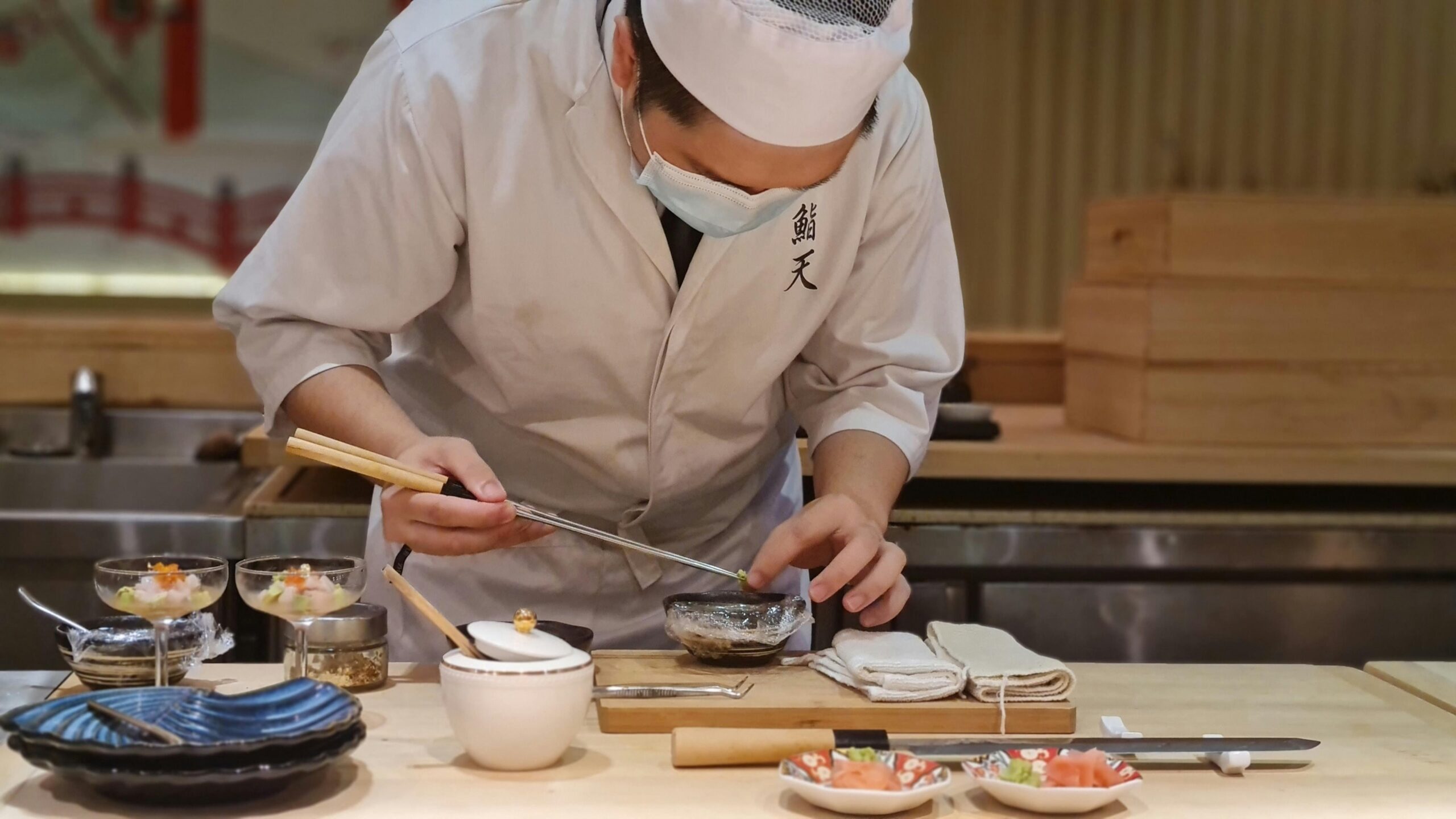
Walking into a Japanese restaurant, you face a defining choice: accept the menu or trust the sushi chefs. This sets the tone for your entire meal, whether you opt for omakase dining or à la carte sushi. Omakase means entrusting the chef to craft a personalized, seasonal multi-course meal showcasing the freshest, high-quality food flown in daily from Japan. This good balance of flavors and textures ensures a luxurious experience that allows diners to savour expertly prepared slices of premium seafood in an intimate setting, often accompanied by thoughtfully selected sake. Whether you’re on a special trip or a local customer, omakase dining offers a unique way to enjoy Japanese cuisine beyond the usual menu choices, providing a memorable and immersive culinary journey.
What is Omakase? The Chef’s Expertise at an Omakase Restaurant
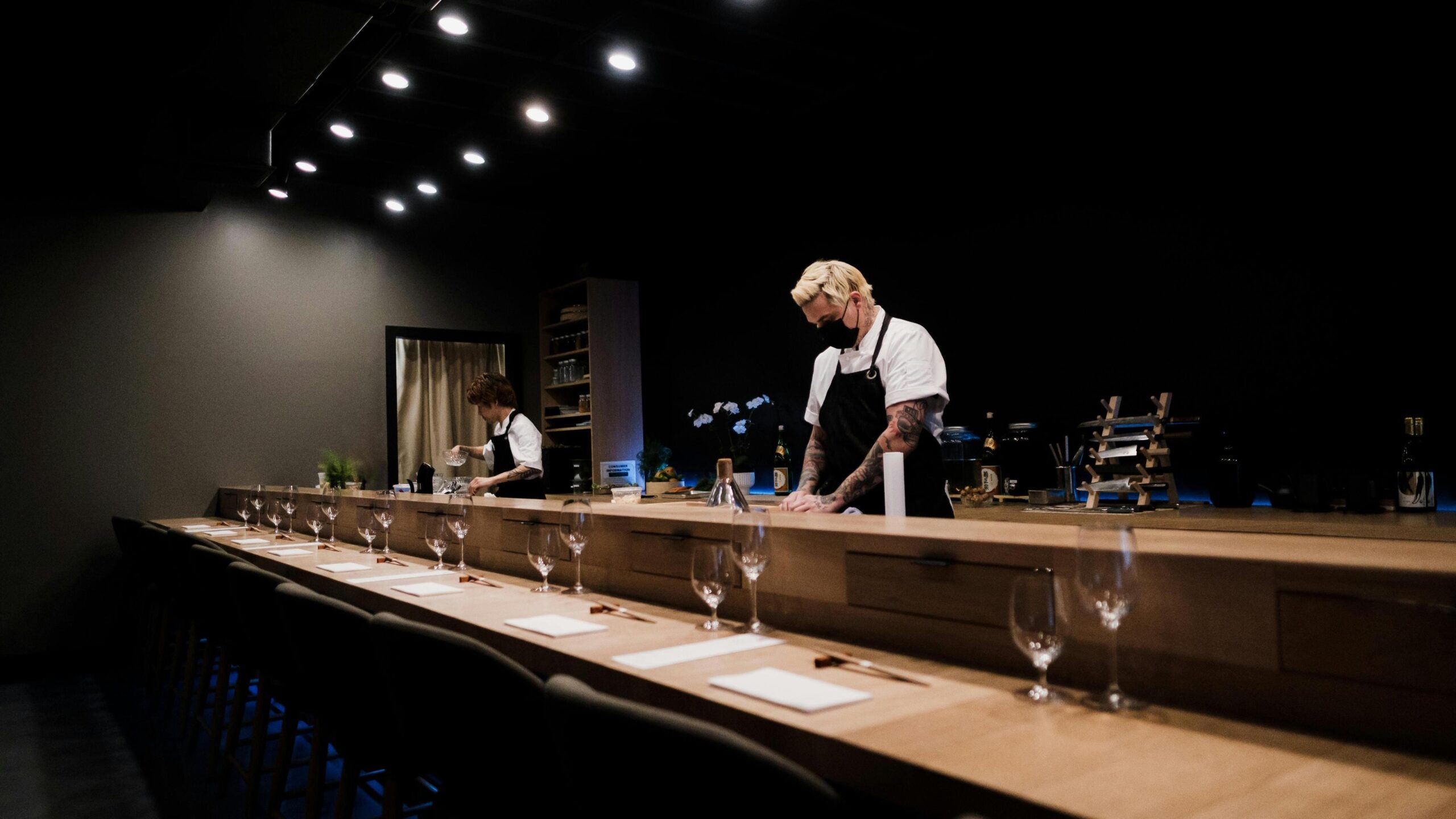
Omakase, meaning “I leave it up to you,” is a dining philosophy where skilled chefs select the finest seafood and create a harmonious sequence of dishes that flow from light appetizers to rich, complex courses. Ingredients are often flown in fresh from Japan’s Toyosu Market each morning, ensuring exceptional freshness and quality. Each piece, whether delicate nigiri, a vibrant sashimi platter, or creamy uni, is meticulously prepared and served at the ideal temperature to maximize taste and texture. The chef balances elements like rice, sugar, and seaweed to create a perfect harmony that delights the palate. This style is typically enjoyed at intimate counter seating, where diners can observe the chef’s craftsmanship up close.
Getting Around Singapore: Public Transport Tips for Omakase Dining
Singapore’s efficient public transport system makes it easy to explore various omakase dining options across the city. Most renowned omakase restaurants are conveniently located near MRT stations and bus stops, allowing diners to avoid the hassle of driving and parking. Whether you’re heading to a high-end spot or a more casual venue, taking public transport ensures a stress-free journey. Planning your route ahead using apps like Google Maps or the Singapore Transit app can help you find the quickest connections and walking routes. Many restaurants are situated in central areas such as Orchard, Dhoby Ghaut, and Tanjong Pagar, all well-served by multiple MRT lines and bus services. Using public transport not only saves time but also lets you fully enjoy your omakase dining experience without worrying about traffic or designated drivers.
À La Carte Dining: Control and Comfort at Sushi Masa and Other Japanese Restaurants
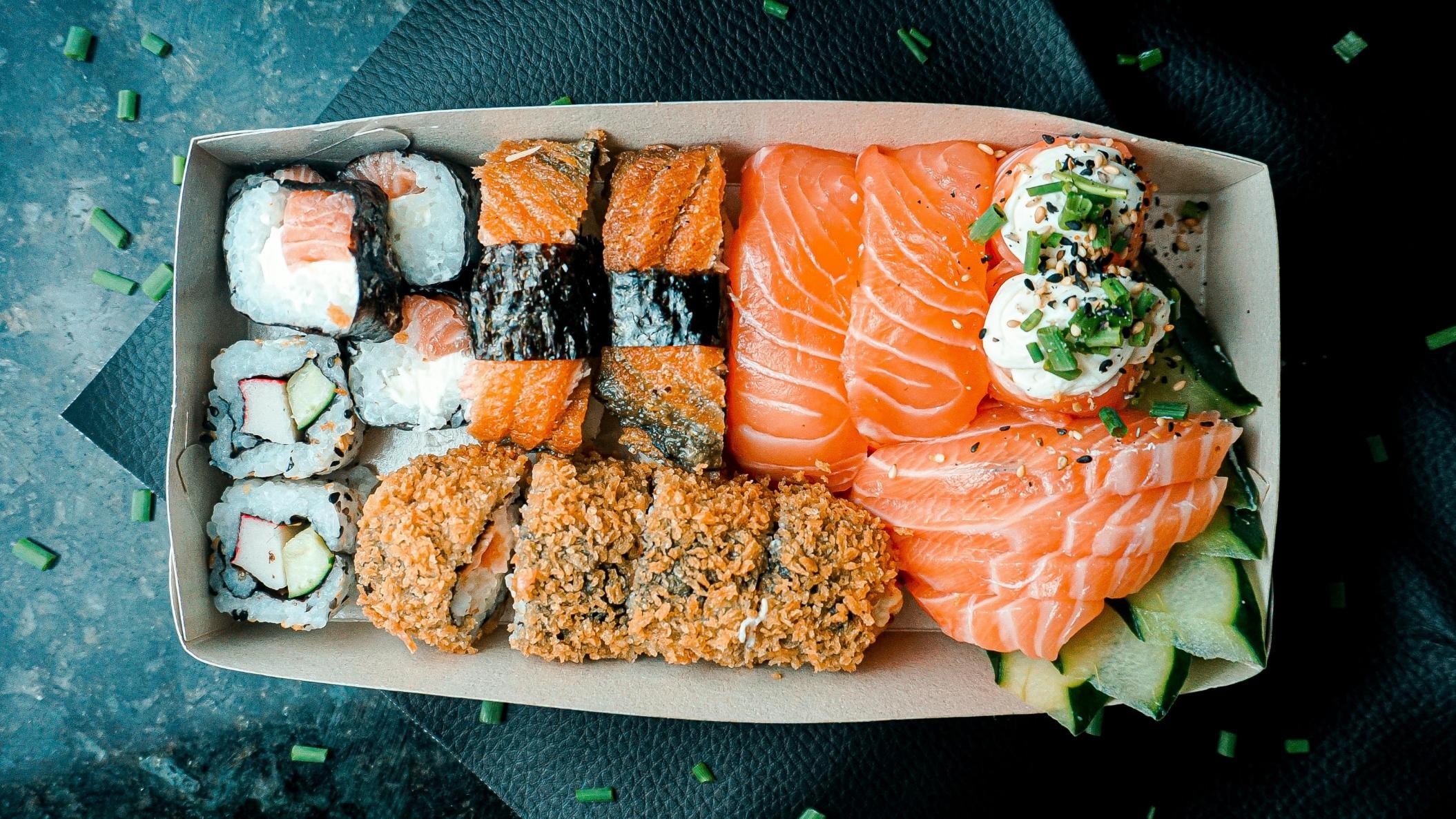
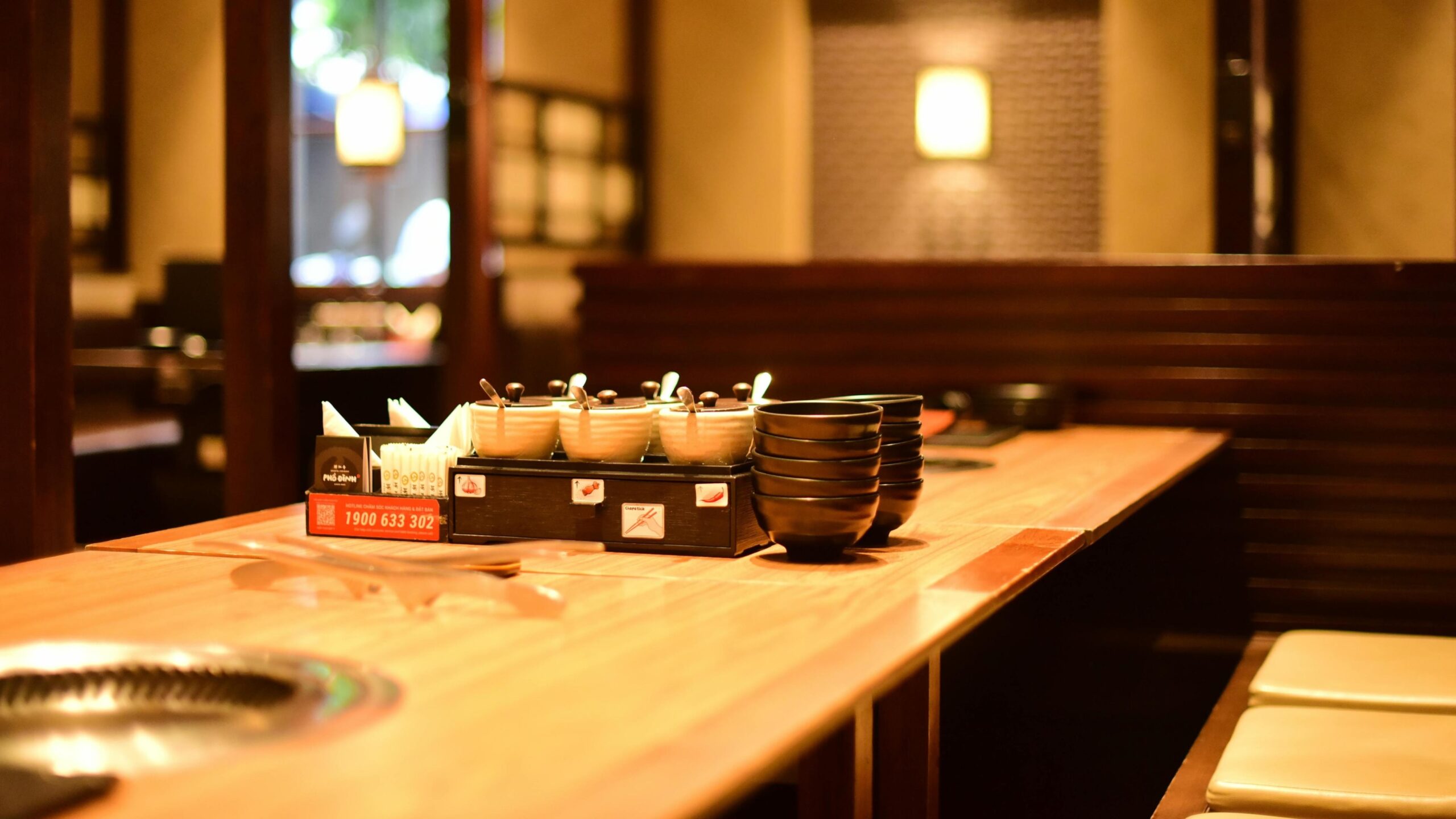
À la carte dining offers freedom to choose your favorite sushi, cooked dishes, or a combination, all served at a table in a more relaxed, social setting. This style suits diners who prefer to control their portion sizes, pacing, and budget. While more flexible and often quicker than omakase, ordering premium cuts individually can add up and sometimes exceed the cost of omakase menus ranging widely in price. Many Japanese restaurants also offer buffet options for diners seeking variety and value. Whether you’re craving rich beef, fresh seafood, or a sake pairing, à la carte lets you customize your experience.
The Role of Seasonal Ingredients in Omakase Dining
A defining feature of omakase dining is the emphasis on seasonal ingredients, which ensures that each meal is fresh, vibrant, and reflective of the time of year. Sushi chefs carefully select fish, seafood, and produce that are at their peak, often sourcing directly from renowned markets like Tokyo’s Toyosu Market. This seasonal focus not only highlights the natural flavors but also allows the chef to craft a menu that changes regularly, providing diners with a unique experience on each visit. Incorporating ingredients that are in season means the dishes are necessarily more flavorful and visually appealing, enhancing the overall dining experience. This dedication to freshness is especially evident during lunch and dinner services, where each dish is served at its optimal temperature to fully savor the taste.
Guests can expect a well-paced meal, typically enjoyed over one and a half to two and a half hours, allowing them to truly appreciate the chef’s skill and the seasonal bounty presented. Many omakase restaurants close on Monday to prepare for the week ahead, ensuring every ingredient is at its best for each guest. Dining under the warm sun or in intimate indoor settings, the omakase experience is designed for each person to engage fully with the culinary journey curated by the chef.
The Experience: What to Expect at an Omakase Restaurant
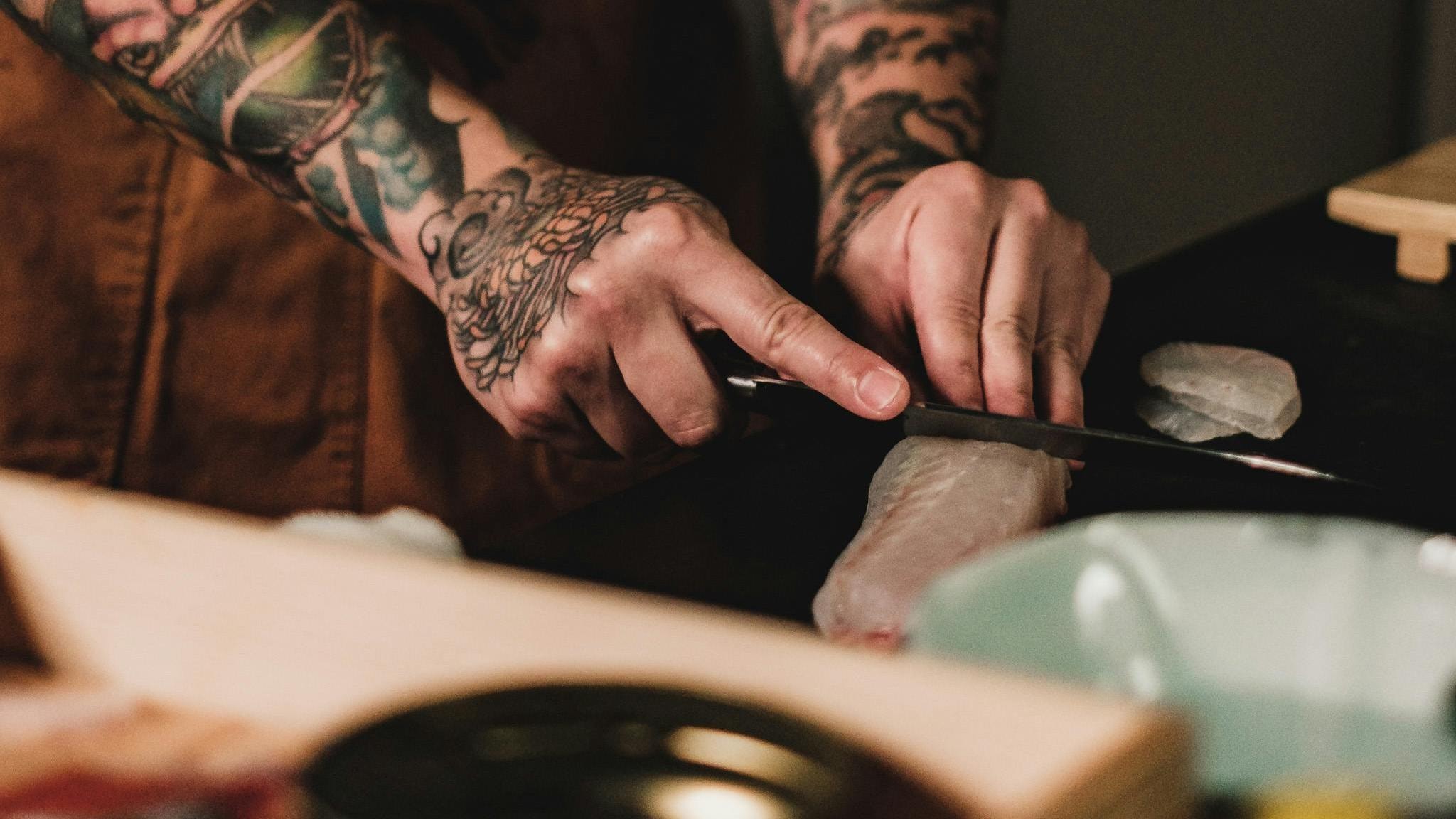
Omakase dining is an immersive theatrical experience, usually served at counter seating where guests witness the chef’s precision and artistry firsthand. The pace is dictated by the chef, who serves each piece immediately after preparation, emphasizing freshness and optimal temperature. Diners may engage with the chef, learning about the origin of ingredients or the techniques used. Many omakase restaurants provide a private room option, perfect for those seeking a luxurious experience in a quiet, exclusive setting. The meal typically concludes with a thoughtfully crafted dessert, rounding out a memorable culinary journey. This style is ideal for those who appreciate the chef’s creativity, attention to detail, and personalized service.
Choosing Between Omakase Dining and À La Carte
Choose omakase dining if you want to explore new flavors, enjoy a curated multi-course meal, or celebrate a special occasion. It’s also perfect for solo diners who appreciate the intimate connection with the chef. Reservations are often necessary at renowned spots like Sushi Masa in Cuppage Plaza, easily accessible by public transport. The restaurant is open for dinner Tuesday to Saturday and offers private bookings on Sunday, closed on Monday. In fact, the high demand has made Sushi Masa by Ki-setsu famously known as Singapore’s hardest omakase to book.
À la carte dining is better suited for those with dietary restrictions, specific cravings, larger groups, or when time is limited. It offers flexibility in ordering and pacing, allowing diners to enjoy familiar favorites without commitment.
Conclusion: Embrace Both Styles
Both omakase dining and à la carte offer unique and rewarding experiences. Omakase delivers a memorable, artful journey featuring high quality ingredients and expertly prepared dishes that showcase the best of Japanese culinary tradition. This luxurious experience at intimate counter seating highlights seasonal seafood flown daily from Japan, curated by skilled sushi chefs who create a harmonious multi-course meal. À la carte dining is more direct and personal, perfect for satisfying specific tastes or casual meals, often enjoyed in a relaxed restaurant setting. Whether you want to splurge on an omakase meal or enjoy à la carte selections, both paths lead to delicious and satisfying discoveries. For an unforgettable omakase dining experience, consider visiting Sushi Masa by Ki-setsu in Singapore, located at Cuppage Plaza, open for dinner Tuesday to Saturday with private bookings on Sunday. Reservations are recommended to secure your spot and enjoy the finest Japanese cuisine in the world. Check our full review and plan your next visit to immerse yourself in authentic Japanese omakase dining.