
Mastering the Salmon for Sashimi Sushi Roll at Home
There is a unique satisfaction that comes from creating a beautiful sushi roll in your own kitchen. The vibrant colors, the fresh taste, and the knowledge that you made it yourself can turn a simple meal into a memorable experience. For many aspiring home chefs, the ultimate goal is to master the sashimi sushi roll, and at the heart of this delicious creation is the star ingredient: salmon. Using the right salmon for sashimi is not just about taste; it is about quality, freshness, and safety. Just like the expertise and care found in house preparations at top sushi establishments, you can achieve in-house quality control and freshness in your own kitchen. The journey to a perfect homemade roll begins with selecting and preparing the perfect piece of salmon sashimi. It is essential to use carefully chosen salmon for sashimi, ensuring only the highest quality and freshness.
This guide is your ultimate resource for mastering salmon for your sushi rolls at home. We will demystify the term “sashimi-grade,” show you where to find the best salmon in Singapore, and walk you through the preparation process step by step. Get ready to build your confidence and unlock the secrets to restaurant-quality sushi in your own kitchen.
Understanding Sashimi-Grade Salmon
You have likely seen the term “sashimi-grade” at fish counters and online stores, but what does it actually mean? It is important to know that this is not an official, regulated term. Instead, it is a label used by sellers to indicate that the fish is of high enough quality and has been handled in a way that makes it safe to eat raw. The key to sashimi quality salmon is how it is treated from the moment it is caught until it reaches your kitchen.
To be considered safe for raw consumption, fish must be frozen to kill any potential parasites. This is a critical food safety step. The process usually involves flash-freezing the fish to a very low temperature (typically -20°C or below) for a specific period. It is essential to freeze salmon in a freezer at the correct temperature to ensure it is safe for sashimi consumption and to extend its shelf life. This ensures that any harmful organisms are eliminated while preserving the texture and flavor of the fish. When you buy salmon labeled as “sashimi-grade,” you are trusting that the seller has followed these handling and freezing protocols. This is why purchasing from a reputable source is so important.
Where to Buy Fresh Salmon Sashimi in Singapore

Finding high-quality fish is the most crucial step in your sushi-making journey. Fortunately, Singapore offers many excellent options for sourcing fresh and safe sashimi salmon singapore, ensuring you receive sashimi-grade salmon that is perfect for Japanese cuisine.
- Japanese Supermarkets: Stores like Meidi-Ya, Isetan, and Don Don Donki are fantastic resources. They have dedicated seafood counters with staff knowledgeable about their products. The quality of each product is maintained through careful sourcing and handling, ensuring optimal freshness. You can often find pre-sliced sashimi packs or whole fillets, clearly labeled as sashimi grade and safe to consume raw. These salmon options are loved by many people for their freshness and flavour.
- Specialty Seafood Stores: Numerous specialty seafood retailers, both online and physical, focus on providing restaurant-quality products to home cooks. Shops like Soshinsen, Zairyo, and Kuhlbarra often have direct relationships with fisheries in Norway and other parts of the world. Some suppliers use air transport or air-chilled processes to maintain the freshness and flavor of the salmon during transit. They can provide detailed information about the origin, freezing process, and handling of their fish, which is critical to maintain sashimi quality. Many even offer delivery right to your doorstep, packed carefully to preserve freshness. Salmon is typically packed in insulated boxes with ice packs to ensure the product arrives in optimal condition.
- Wet Markets (with caution): While some high-end fishmongers at wet markets may sell salmon suitable for sashimi, it is essential to be very careful. You must trust your fishmonger completely and confirm that the fish has been handled appropriately for raw consumption. Ask directly if it is “sashimi-grade,” how it was frozen and thawed, and where it comes from. Proper freezing kills parasites and ensures the salmon is safe to eat raw.
When in doubt, always choose a vendor specializing in Japanese ingredients or high-quality seafood. Their reputation depends on the quality and safety of their products. We recommend buying salmon that has been properly frozen and thawed to ensure it will melt in your mouth with the rich flavour expected from premium salmon for sashimi.
Selecting the Perfect Salmon

Once you know where to look, you need to know what to look for. Selecting the perfect piece of sashimi salmon is a sensory experience. Use your eyes, nose, and sense of touch to judge its quality.
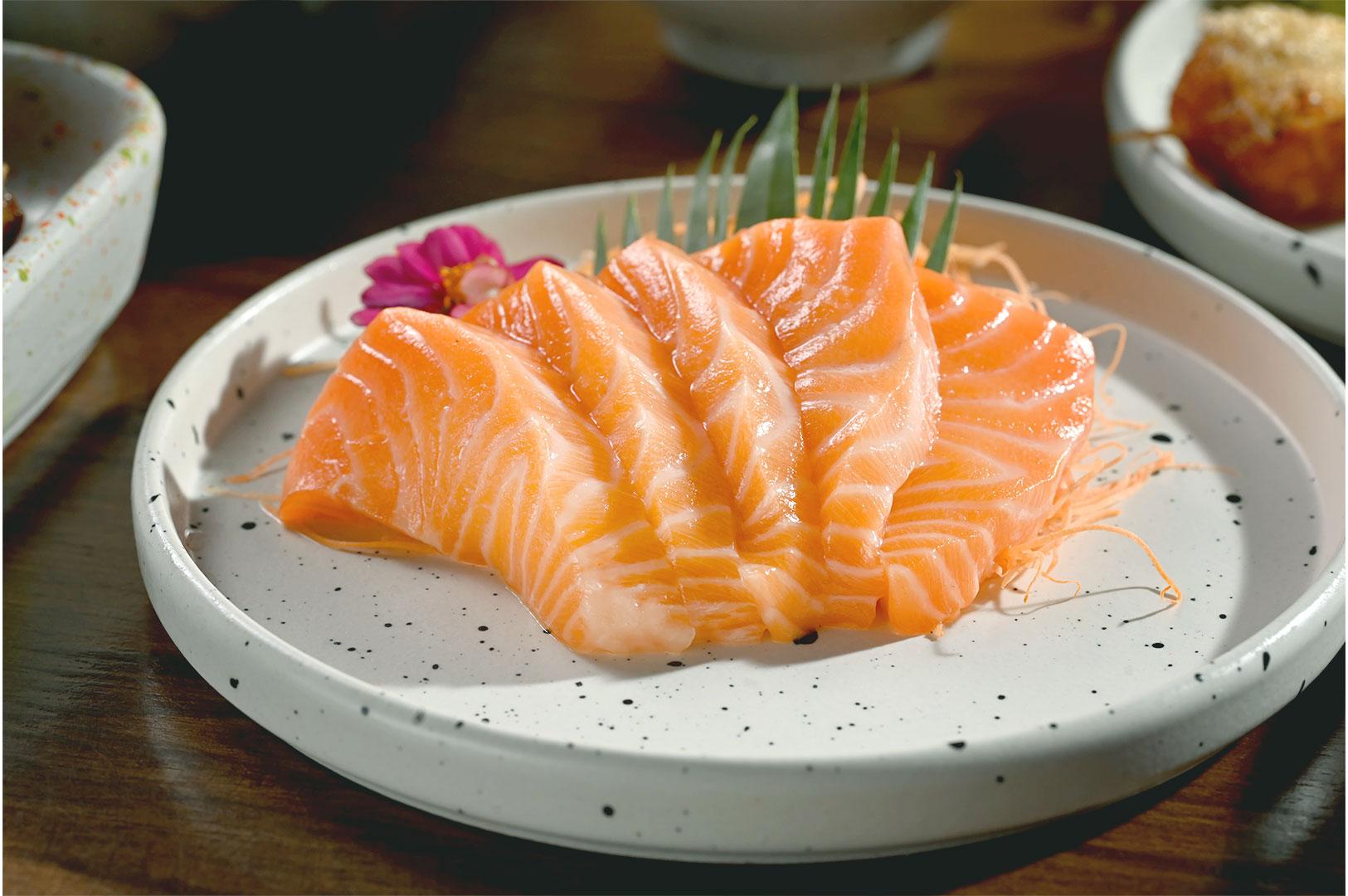
- Appearance: The salmon should have a vibrant, deep orange or pinkish-orange hue. It should look moist and almost translucent, not dull or discolored. The white fat lines, known as marbling, should be clear and distinct. This marbling contributes to the rich, buttery flavor of the salmon.
- Smell: Fresh salmon should smell clean and oceanic, like a fresh sea breeze. It should not have a strong “fishy” or ammonia-like odor. If it smells unpleasant, it is not fresh enough to be eaten raw.
- Texture: If you can, gently press the fillet with your finger. The flesh should be firm and spring back immediately. If it feels soft, mushy, or leaves an indentation, it is a sign that the fish is not at its peak freshness.
- Cut: Look for a center-cut fillet from the thickest part of the fish. This area, known as the loin, has a more uniform texture and a good balance of fat and flesh, making it ideal for slicing into sashimi.
Preparing Salmon for Sashimi
Proper preparation is just as important as proper selection. Upon receiving your salmon delivery, handle it promptly and store it in the refrigerator to maintain freshness and quality. Following these steps will ensure your salmon for sashimi is clean, beautiful, and ready for your sushi rolls.
- Rinse and Pat Dry: Gently rinse the salmon fillet under cold running water to remove any surface bacteria. Immediately pat it completely dry with paper towels. A dry surface is crucial for clean, precise cuts and maintaining the sashimi grade quality.
- Remove the Skin (if applicable): Place the fillet skin-side down on a clean cutting board. Starting at the tail end, make a small incision to separate the flesh from the skin. Hold the skin firmly with a paper towel for a better grip, and slide a sharp knife between the skin and the flesh, angling the blade slightly downwards. Use a smooth, sawing motion to run the knife along the length of the fillet.
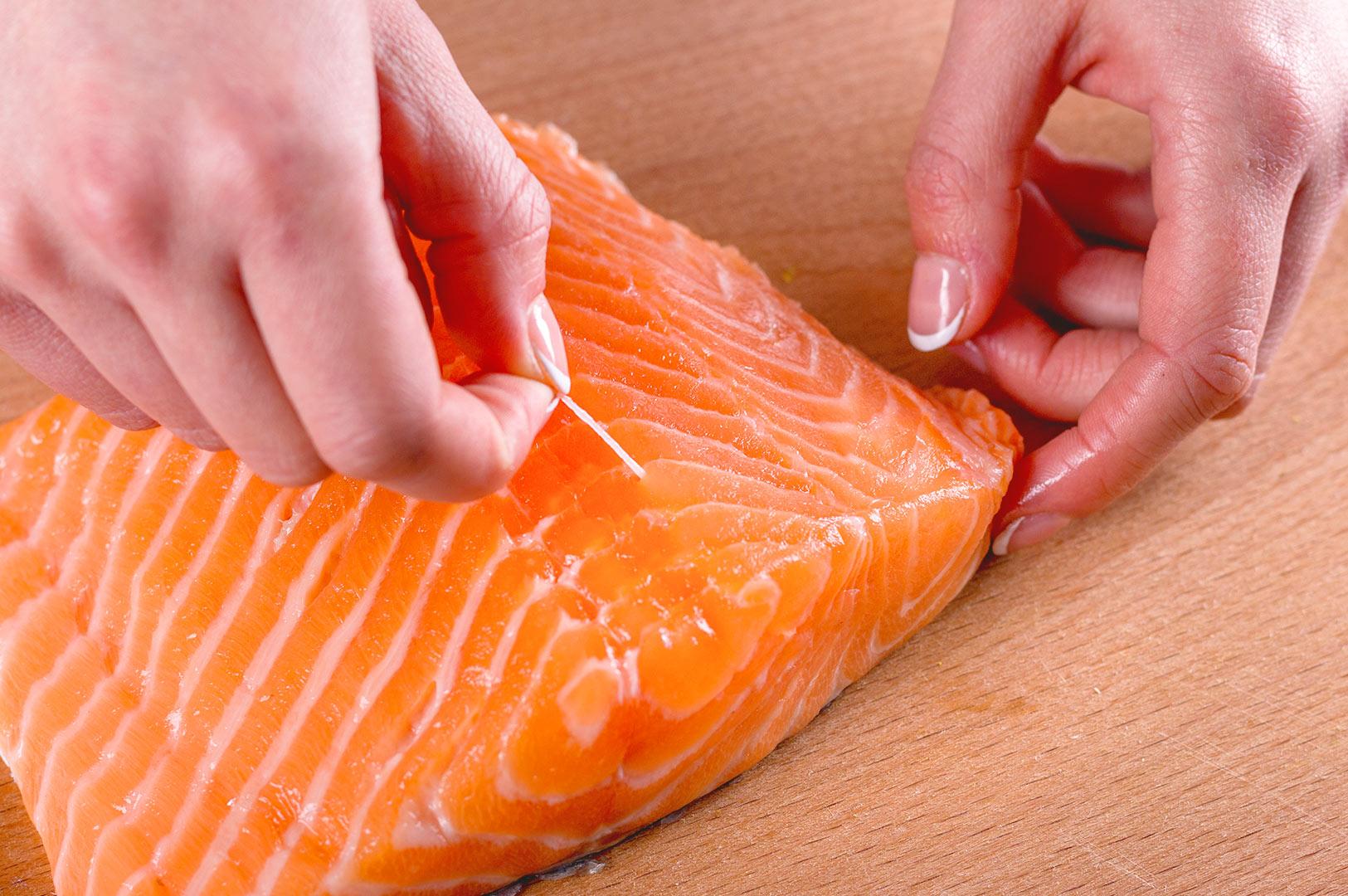
- Check for Pin Bones: Run your fingers along the center line of the fillet to feel for any remaining pin bones. Use a clean pair of tweezers or fish bone pliers to pull them out in the direction they are pointing. This step ensures the salmon sashimi is safe and enjoyable to eat.
- Trim the Fillet: Trim away any thin, uneven edges or dark-colored flesh (the bloodline), which can have a stronger, fishier taste. You want to be left with a neat, rectangular block of prime salmon flesh. This will make slicing much easier and enhance the delicious, melt-in-your-mouth texture of the salmon for sashimi.
Note: If your salmon has been frozen, make sure to properly defrost it in the refrigerator before preparation. Once defrosted, consume the salmon promptly and do not refreeze it to maintain quality and safety. Avoid thawing at room temperature to maintain freshness and quality.
By following these preparation steps, you ensure your salmon sashimi is of the highest quality, ready to be served in your homemade sushi rolls or enjoyed on its own with a squeeze of lemon for a refreshing touch.
Essential Tools and Techniques
You do not need to be a master chef to slice salmon for sashimi, but having the right tools makes a huge difference.
- The Right Knife: The ideal tool is a long, thin Japanese slicing knife called a yanagiba. Its single-bevel blade and length allow you to slice through the fish in one single, smooth motion, creating a perfectly clean cut. If you do not have a yanagiba, the longest and sharpest knife in your kitchen will work. A sharp knife is essential to avoid tearing the delicate flesh.
- A Clean Cutting Board: Use a dedicated cutting board for raw fish to prevent cross-contamination.
Slicing Technique for Sashimi
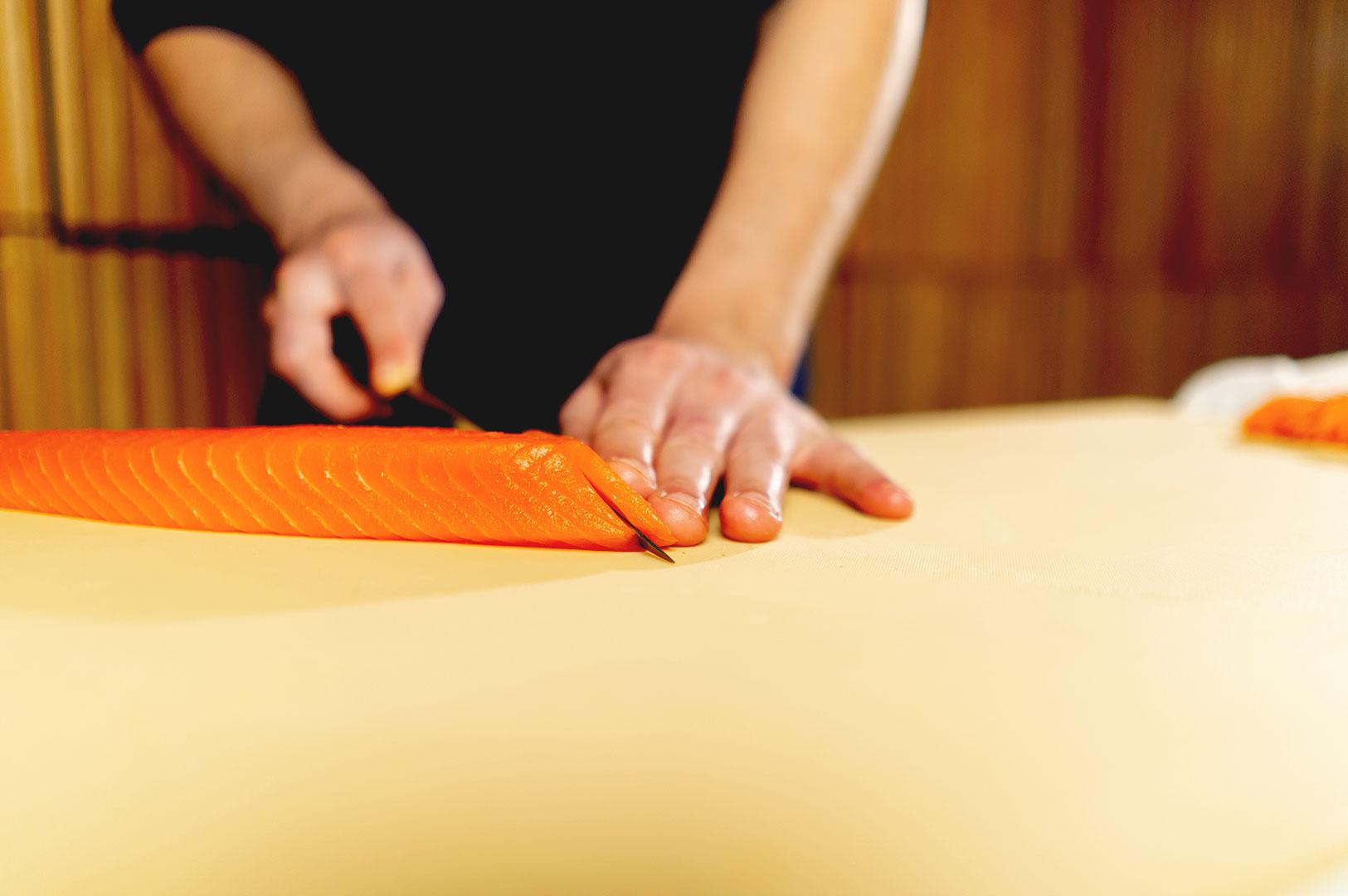
The goal is to create uniform slices that are about 1/4-inch thick.
- Position the block of salmon on your cutting board.
- Hold the knife at a slight angle.
- Place the heel of the blade (the part closest to the handle) on the far edge of the fish.
- In one long, smooth, and continuous motion, draw the knife towards you through the fish. Let the knife’s weight and sharpness do the work. Avoid a sawing or hacking motion, as this will damage the texture.
- As you complete the slice, gently guide the cut piece away with the side of the blade.
Practice makes perfect. Your first few slices might not be flawless, but you will quickly get the hang of the motion. Using sashimi quality salmon deserves a technique that honors its texture.
Making Your Sashimi Sushi Roll
Now for the fun part! With your beautifully sliced sashimi salmon ready, it is time to assemble your roll.
- Place a sheet of nori (seaweed) on a bamboo rolling mat (makisu).
- Spread a thin, even layer of prepared sushi rice over the nori, leaving a small border at the top.
- Arrange your slices of salmon in a line across the center of the rice. You can also add other ingredients like avocado or cucumber strips.
- Using the bamboo mat, carefully roll everything up into a tight cylinder.
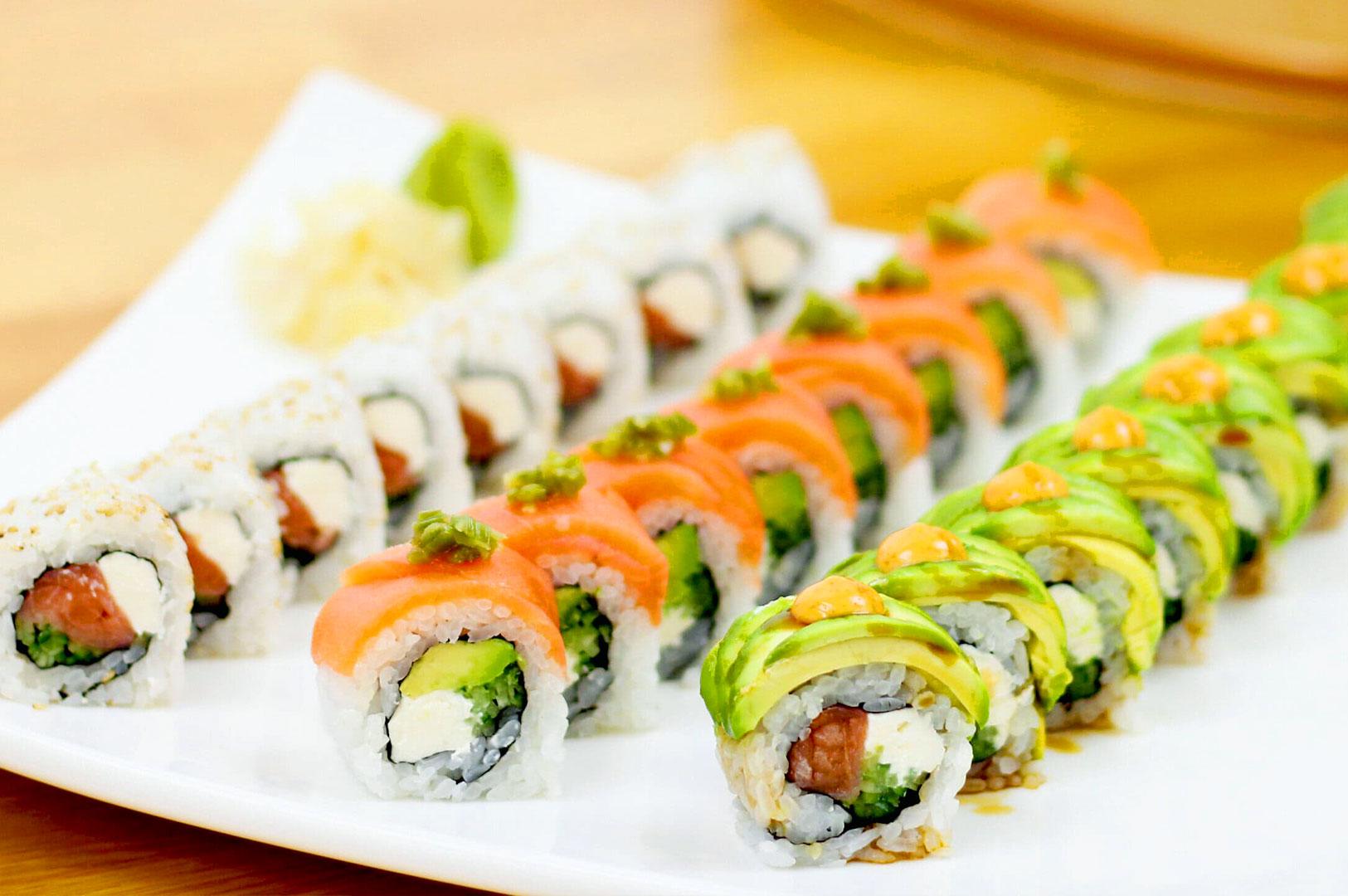
- Use your sharp knife to slice the roll into even pieces. Serve with soy sauce, wasabi, and pickled ginger.
Storage and Food Safety Tips
Food safety is paramount when working with raw fish. Here are some best practices for handling your sashimi salmon singapore.
- Keep it Cold: Store the salmon in the coldest part of your refrigerator until you are ready to use it. Do not let it sit at room temperature for an extended period.
- Use it Quickly: It is best to use the salmon on the same day you buy it. If you must store it, wrap it tightly in plastic wrap and keep it on ice in the refrigerator for no more than one day.
- Cleanliness is Key: Always work with clean hands, a clean cutting board, and clean utensils. This prevents the spread of bacteria.
Sushi restaurants follow strict standards and professional techniques to ensure the raw fish they serve is safe for sashimi. Home cooks should aim to follow similar best practices to maintain food safety.
Your Homemade Sushi Adventure Awaits
Mastering the art of preparing salmon for sashimi at home is an incredibly rewarding skill. It deepens your appreciation for the craft of sushi and allows you to enjoy fresh, delicious rolls whenever the craving strikes. The process, from selecting the perfect piece of sashimi salmon to making that final, precise cut, connects you to the food in a meaningful way. Do not be intimidated. With a little practice and a commitment to quality, you will be creating beautiful and delicious sashimi sushi rolls that will impress your friends, family, and most importantly, yourself.
After trying this recipe, please leave a comment and share your experience making salmon for sashimi at home.