
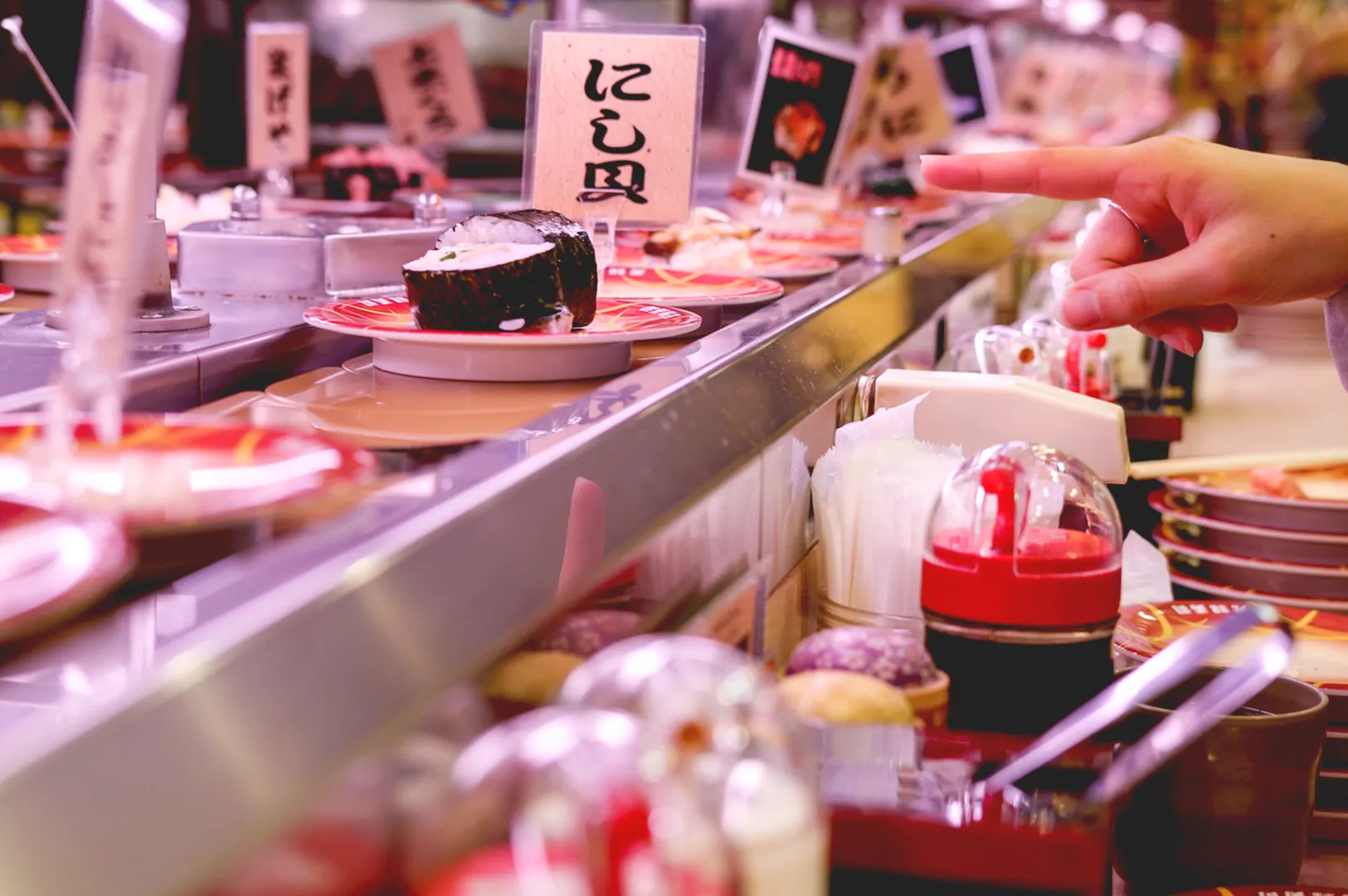
The Silence Before the First Bite: Waiting at a Sushi Counter in Singapore
The room is quieter than expected.
Not silent, but softened, like the world has been folded inward. The hum of the air conditioner, the faint clink of porcelain, the steady rhythm of a knife meeting wood. Behind the counter, the chef moves with an economy that feels almost deliberate, as though each motion has been practiced long before this moment existed.
You sit, hands resting lightly on the counter, aware of everything and nothing at once.
In Singapore, where meals are often loud and shared, where hawker centres pulse with conversation and clattering plates, this kind of stillness feels unfamiliar. Even indulgent. Outside, the city continues in its usual urgency, MRT doors opening and closing, footsteps echoing through underpasses, but here, time slows into something more measured.
Waiting becomes part of the meal.
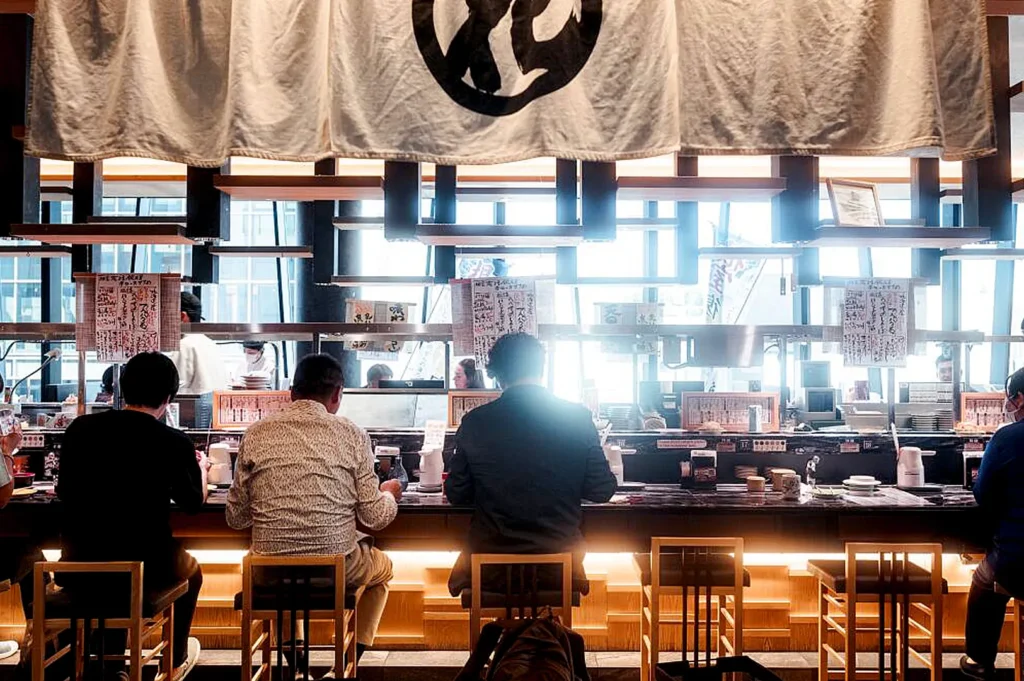
Singaporeans have always loved a good shared experience, and conveyor belt sushi fits right in. It reminds us that dining can be playful, social, and full of small surprises. So the next time you sit down and watch those plates circle, take it slow, enjoy the spin, and savor the joy in the journey, because sometimes the ride is just as delicious as what’s on your plate.
If you want to learn more, explore the complete guide to conveyor belt sushi buffet experiences in Singaporeand how they combine convenience, variety, and fun in one meal!The first piece has not yet been served, and already the experience has begun. You watch the chef shape the rice, press, turn, adjust, before the fish is laid gently on top, as if completing a sentence. There is no rush, no need to fill the silence. The space between actions feels intentional, almost sacred.
It is easy to forget that sushi, at its core, is simple. Rice, fish, a touch of wasabi. But in this quiet, simplicity reveals its weight. Every movement matters. Every second of waiting stretches just enough to make you notice it.
In Japan, there is a concept known as ma, the space between things, the pause that gives meaning to what comes next. Here in Singapore, where efficiency often defines daily life, ma feels like a quiet rebellion. To sit and wait, without distraction, without urgency, is to step briefly outside the rhythm of the city.
And yet, sushi has found its place here.
Not only in omakase counters tucked into discreet corners, but in everyday life, on conveyor belts, in takeaway boxes, in quick lunches between meetings. It adapts, as all things do in Singapore. But at the counter, in these quieter spaces, it asks something different of us.
It asks us to slow down.
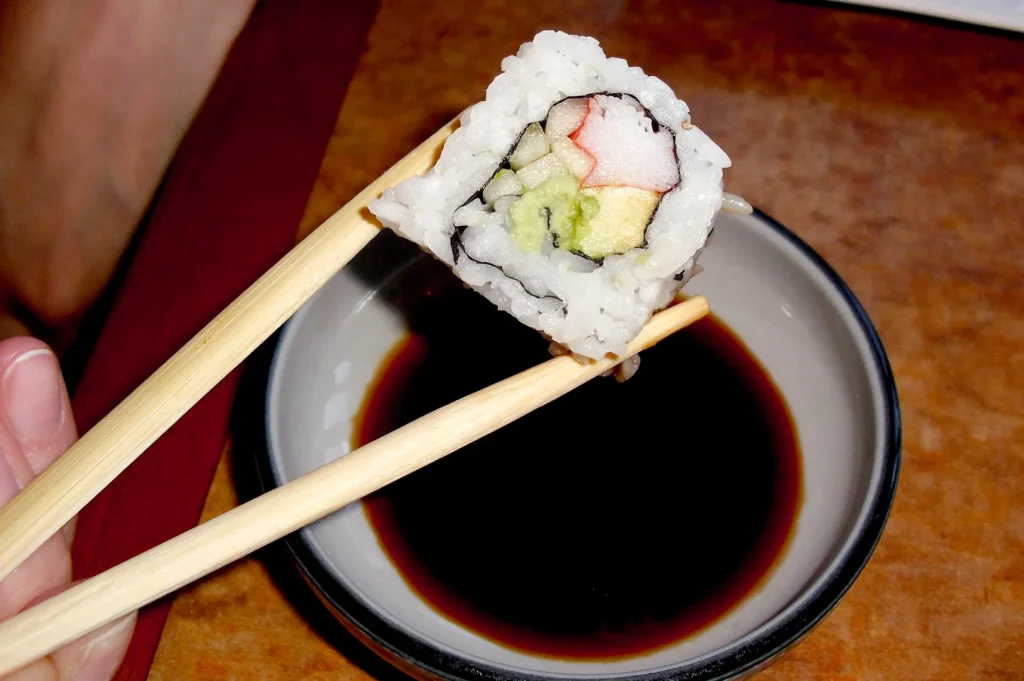
The first piece arrives.
Placed directly in front of you, it carries no announcement, no explanation. Just an invitation. You hesitate for a moment, not out of uncertainty, but out of awareness. The anticipation has been building, quietly, patiently, and now it settles into this single, fleeting moment.
You take the bite.
And just as quickly, it is gone.
But something lingers, not only the taste, but the pause that came before it. The waiting, the watching, the subtle shift in pace. In a city that rarely stops moving, it is this silence, more than the sushi itself, that stays with you.
Perhaps that is what draws people back.
Not just the fish, or the craft, but the rare permission to sit still, to notice, to wait.
So the next time you find yourself at a sushi counter in Singapore, resist the urge to rush. Let the silence settle. Let the moment stretch just a little longer than you’re used to.
In crafting your Singapore Sushi Stories, you may find that the meal begins long before the first bite.
– Hiroshi