
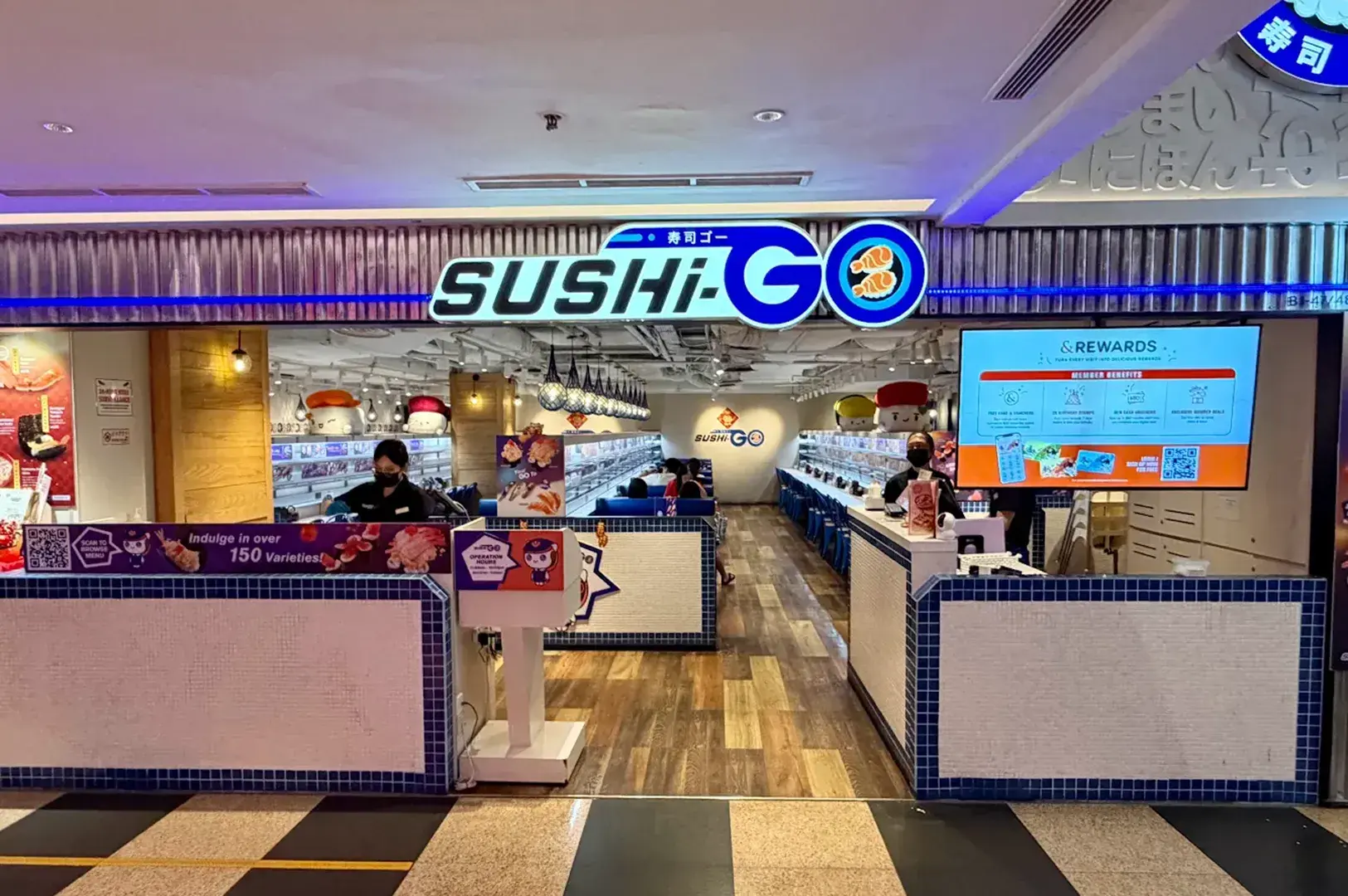
Sushi-GO Jurong Point: A 150-Choice Sushi Dinner Without the Ceremony
I stood in front of the menu longer than I’d like to admit.
One hundred and fifty choices. Maybe more. Salmon this way and that, torched, sauced, plain. Gunkan wrapped in seaweed. Maki cut into neat little wheels. Hot dishes, desserts, sides. My eyes went from one row to the next and back again, and I felt something I don’t usually feel at a sushi counter.
I felt unsure where to begin.
That’s the strange first gift of Sushi-GO. There’s no chef waiting to guide you, no sequence someone else has decided. Just you, hungry, staring at more choices than you can reasonably eat in one sitting.
A Food Street, Not a Sushi Bar
Sushi-GO Jurong Point sits inside &JOY Dining Hall, a lively Japanese food street on the basement level of Jurong Point. If you’ve been, you’ll recognize the bright lights, the low roar of families and shoppers, and the enticing aroma of grilled delights drifting from neighboring stalls.
The Atmosphere
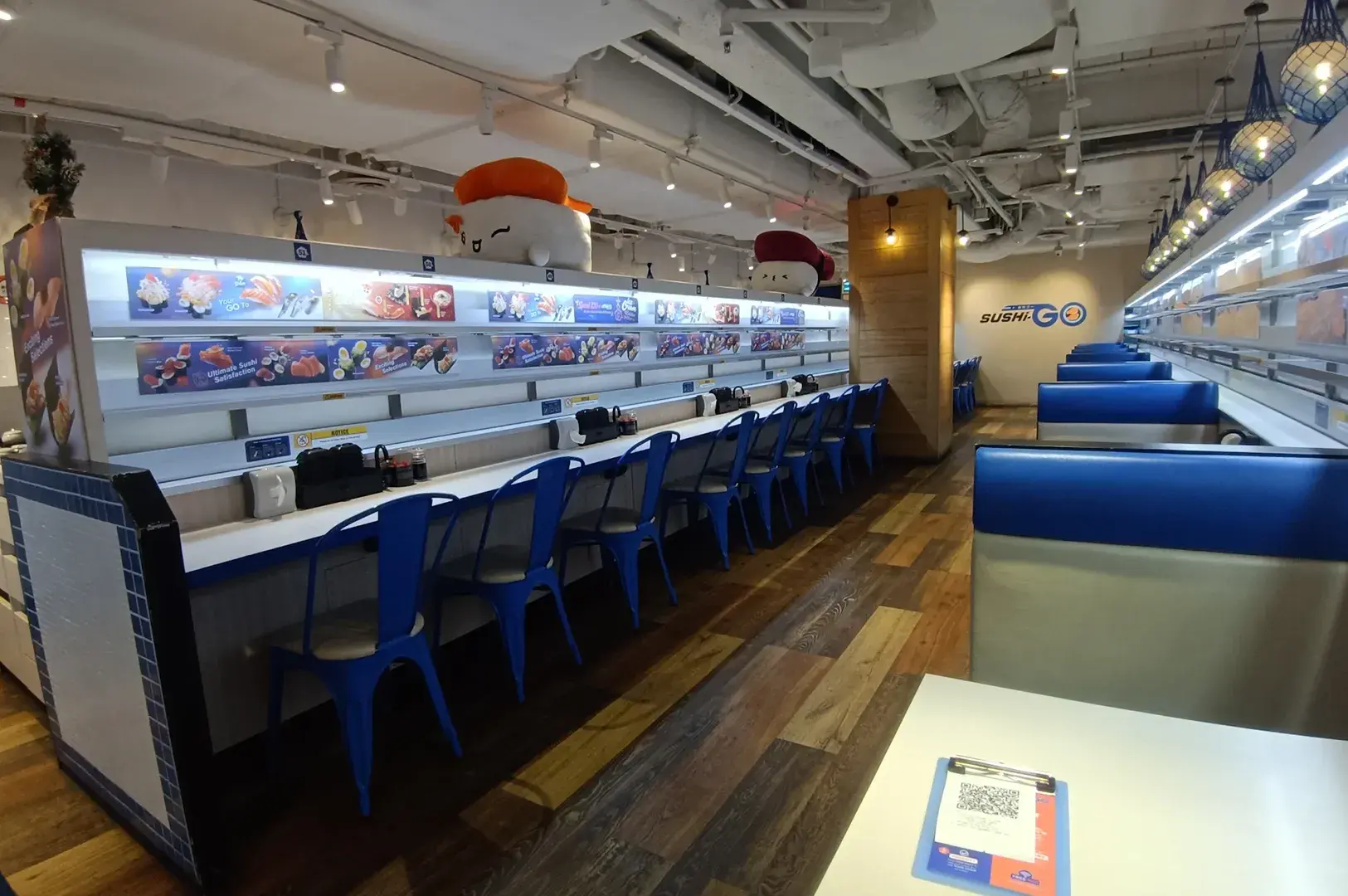
I visited on a Wednesday, a little before six. Even then, the place had a steady hum. Children swinging their legs on seats, couples sharing plates, and shopping bags parked under tables. This is not a quiet room—it’s designed for fun and casual dining.
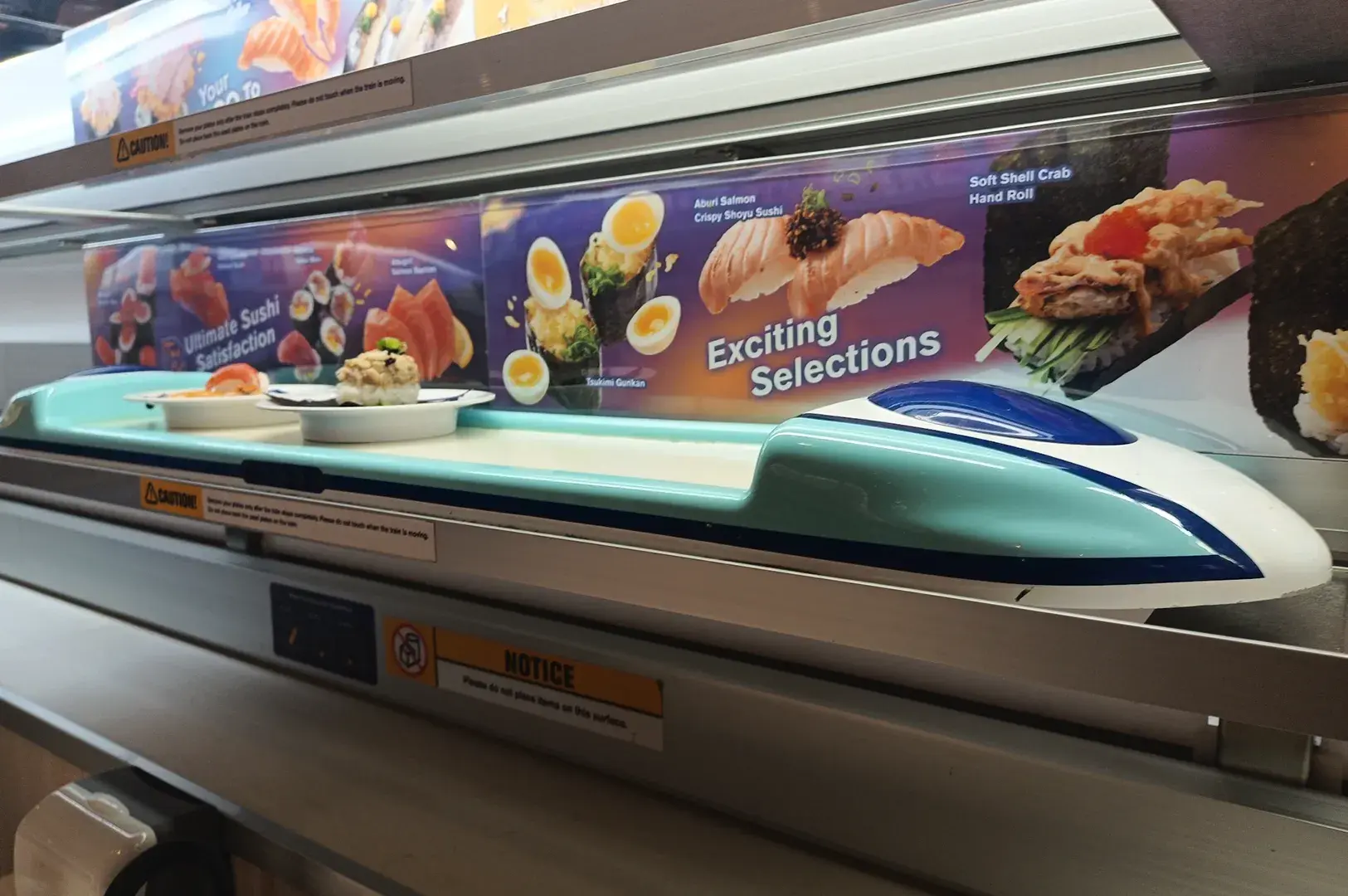
The space feels like it belongs to Jurong West families, students, and commuters coming off the bus. Movement is constant, with people passing through &JOY Dining Hall, pausing when the sushi-go delivery system catches their eye. The Go Bots—small robots delivering plates—add a playful touch to the experience.
I found a seat easily at that hour. Later, I’m told, it fills fast.
Salmon Sushi, and More Salmon
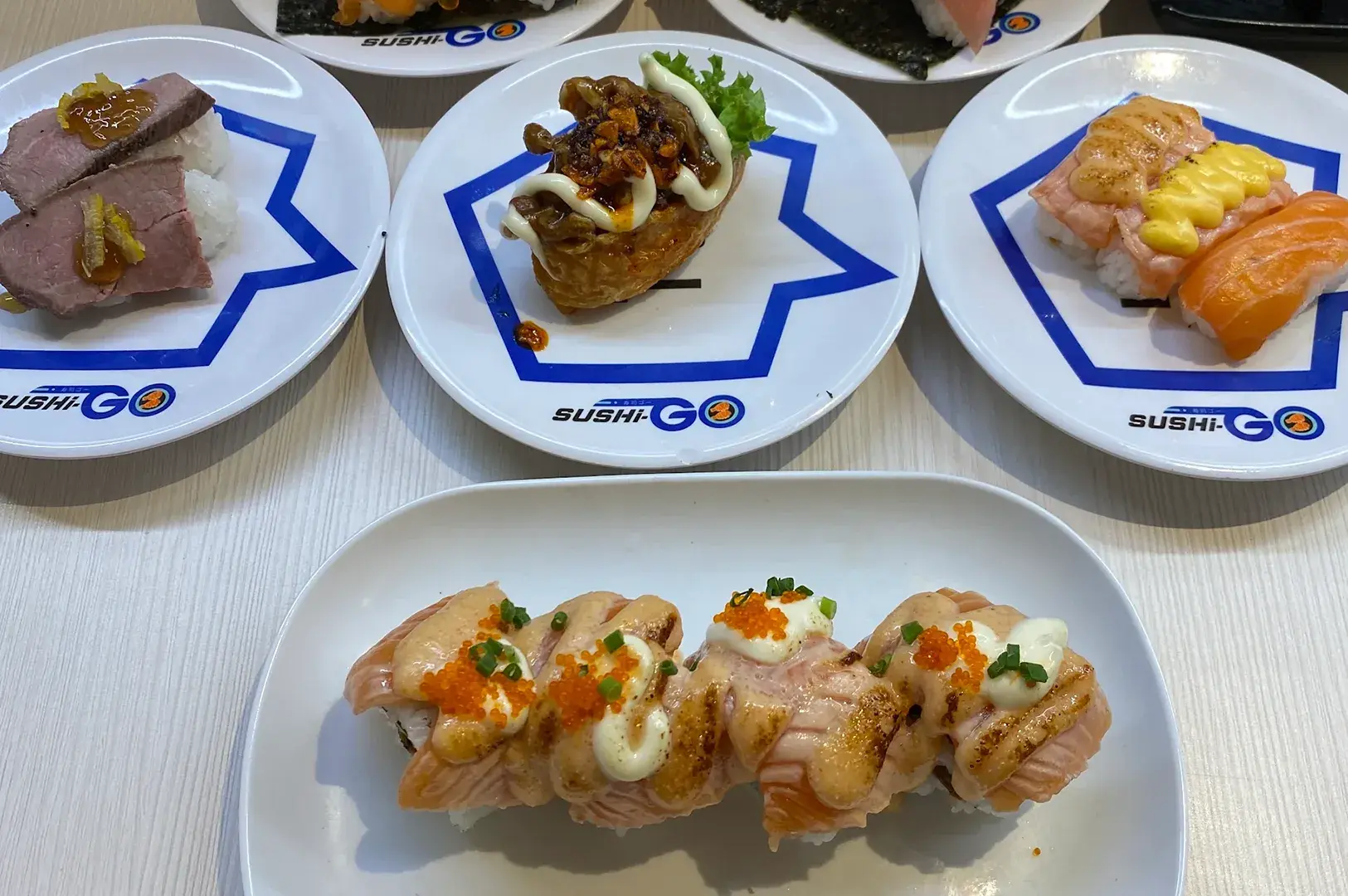
I started where most people do: salmon sushi.
There’s a wide selection here, and I ordered three different types.
- First, the plain salmon nigiri. The fish was cool and soft, its clean, fatty texture melting gently against the vinegared rice. Nothing surprising, but honest and reasonably priced—this is the essence of affordable Japanese food.
- Then the aburi salmon. The surface was torched, releasing a smoky breath that teased my nose before the first bite. The warmth of the seared top met the cooler rice underneath, while a creamy sauce—hinting of cream cheese—pulled it all together. It’s a dish that elevates casual sushi into something more considered.
I’ll be honest: the salmon here is fresh enough to satisfy casual taste buds but lacks the glossy density of premium sashimi you’d find at a specialist counter. The pieces are smaller too. If you crave top-tier freshness, this isn’t it. But for a quick, affordable fix, it delivers.
The Small Plates Are the Real Story
Sushi-GO Jurong Point shines brightest in its wide selection of gunkan and maki.
I ordered an ikura gunkan, the bright orange salmon roe bursting with salty freshness atop a cradle of nori and vinegared rice. The pop of the roe was a small, satisfying explosion of flavour, though the seaweed had softened slightly by the time it reached me—a common trade-off in busy food halls.
On a whim, I tried the crab salad gunkan. Sweet, creamy crab salad mingled with the rice and seaweed, delivering a comforting mouthful that felt indulgent yet familiar.
Next, a tobiko piece with tiny eggs crackling faintly between my teeth, followed by a maki roll that caught my eye. The roll was drizzled with teriyaki sauce and topped with shrimp roe, adding layers of sweet and salty bursts that danced on my tongue.
Because each plate is small and affordable, you can experiment freely. You stop being cautious and start being curious—trying dishes like the spicy salmon go or rolls with unagi and cream cheese that you might avoid in pricier settings.
The Rice, Honestly
Sushi is nothing without good sushi rice.
Here, the rice is firmer and cooler than the warm, loosely pressed grains I associate with specialist sushi bars. It’s tightly packed enough to hold the fish and toppings but lacks that delicate fluffiness that lingers in memory.
This firmer rice is a trade-off for the affordable Japanese food experience—less about finesse, more about consistency and value. I made peace with this somewhere around my fourth plate.
If you prefer your fish arranged over seasoned rice rather than arriving plate by plate, explore Singapore Sushi Stories picks for the best chirashi don in Singapore.
The Rest of the Menu
While sushi is the main attraction, Sushi-GO also carries a broader Japanese menu for diners who want more than plates from the belt. The selection includes hot dishes, desserts, and other comfort options such as ramen, allowing groups with different cravings to share one table.
For those with a sweet tooth, desserts such as mochi and caramel pudding provide an easy ending after several rounds of sushi. These small additions make the experience feel less like a quick sushi stop and more like a casual Japanese meal.
The fun is in the combination. One person can choose sushi, another can order ramen, while someone else finishes with dessert. It reflects the way casual Japanese dining works in Japan too: a mix of small dishes, different textures, and shared choices rather than one fixed meal.
Service Built for Turnover
Service at Sushi-GO Jurong Point is quick and friendly but designed for efficiency rather than ceremony.
Ordering is simple, and plates arrive swiftly, often delivered on the Go Bots. Staff move briskly, clearing tables and keeping the flow steady. There’s no lingering chat or explanation of the menu—this is a bustling food street, not a traditional sushi counter.
If you want the quiet exchange between chef and diner, this isn’t it. But the warmth here is enough to feel welcome.
For a wider look at how kaiten sushi has changed casual Japanese dining in Singapore, read our guide to the conveyor-belt spots worth riding.
The Practical Things
Let me save you some trouble:
- Where: Sushi-GO Jurong Point at #B1-47/48, inside &JOY Dining Hall, Jurong Point, 1 Jurong West Central 2.
- Getting there: Boon Lay MRT is the nearest MRT, about a 2-5 minute walk through Jurong Point’s connected walkways.
- Opening hours: Daily, 11am to 10pm, with last orders around 9:15pm. Mall hours may shift, so check before a late visit.
- Spend: Around S$15 to S$30 per person, depending on how many plates, hot dishes, and desserts you enjoy.
- Booking: No reservations. Walk in, queue during peak times, and grab a seat when one opens.
- When to come: Weekday lunch before noon or the quiet afternoon between 2 and 5pm. Weekends and school holidays are busy, and popular items may sell out.
Weekday Lunch Promotion
If you are visiting Sushi-GO for value, the weekday lunch promotion is worth knowing about. Selected sushi items are offered at promotional prices during weekday lunch hours, making it one of the easier ways to explore the restaurant’s wide selection without committing to a large bill.
The promotion starts during weekday lunch hours and is available Monday to Thursday from 11am to 5pm, with selected items priced from S$1.80. Promotions can change, so it is worth checking the latest details before you visit.
This is the kind of offer that matches Sushi-GO’s entire theme: lowering the barrier to trying something new. Instead of ordering only your usual salmon or tuna, you might finally choose that unusual gunkan, a new maki combination, or a dish you would normally skip.
The Sushi-GO Experience
For first-timers or families with kids, the freedom to explore a wide selection of sushi without ceremony is a real kindness.
You can try familiar favourites like salmon go or adventurous choices with shrimp roe and cream cheese. The weekday lunch promotion makes it even sweeter, offering selected sushi items at just S$1.80, running Monday to Thursday, 11am to 5pm, ongoing till further notice.
The meal isn’t about perfect pieces or refined technique—it’s about enjoying a casual, affordable meal with friends or family, bursting with flavour and fun.
Would I come back? Yes. On a slow afternoon, when I want to satisfy my sushi craving without fuss, Sushi-GO Jurong Point is ready and waiting.
Closing my Singapore Sushi Story
I came expecting a gimmick. One hundred and fifty choices sounds like a number designed for a poster.
But somewhere between the aburi salmon and that ridiculous corn mayo gunkan, I understood what Sushi-GO actually does. It takes the seriousness out of sushi.
There’s no ritual here. No etiquette to get right, no chef watching to see if you understand. Just a long list, a small budget, and permission to be curious. You pick something familiar, then something odd, then something you’d never have dared order anywhere else.
The meal isn’t about finding the perfect piece. It’s about stumbling into five you didn’t expect.