
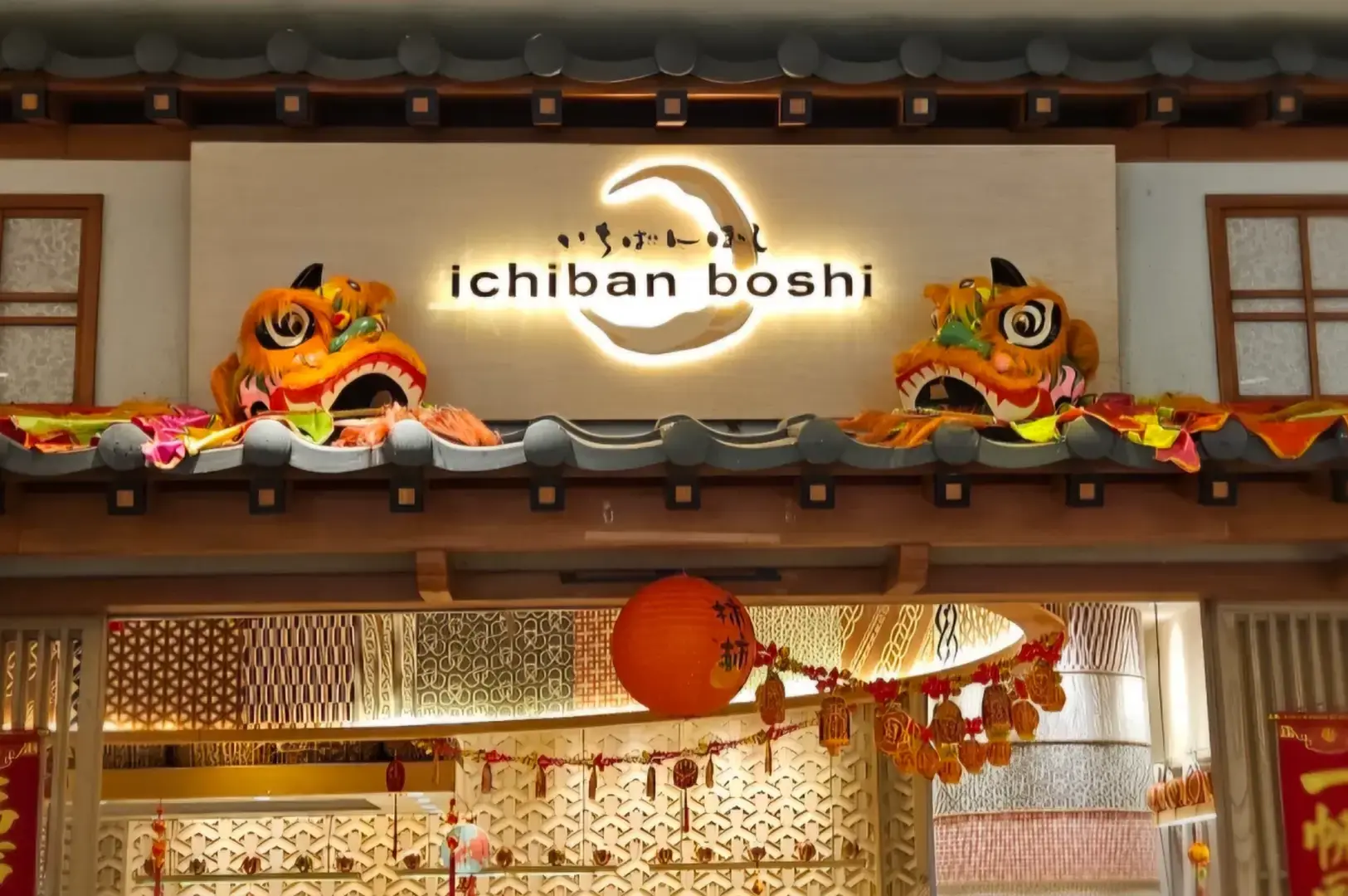
Ichiban Boshi Jurong Point: Where the Sushi Stays Still Long Enough to Talk
The first thing I noticed was how nothing moved.
No belt gliding past my elbow. No express lane humming somewhere behind the wall. No plate racing toward me on a little cart. Just a table at B1-75, a menu in my hands, and the quiet understanding that here, the food would come, sit down, and stay a while.
I’d spent weeks eating sushi that arrived in motion. Belts, trains, tablets, the small pressure of choosing before the next plate disappeared. Ichiban Boshi at Jurong Point felt like exhaling after all that.
I’d been riding the kaiten sushi spots worth the momentum for weeks, and they earn that momentum — but this was the opposite errand.
A Room That Lets You Sit
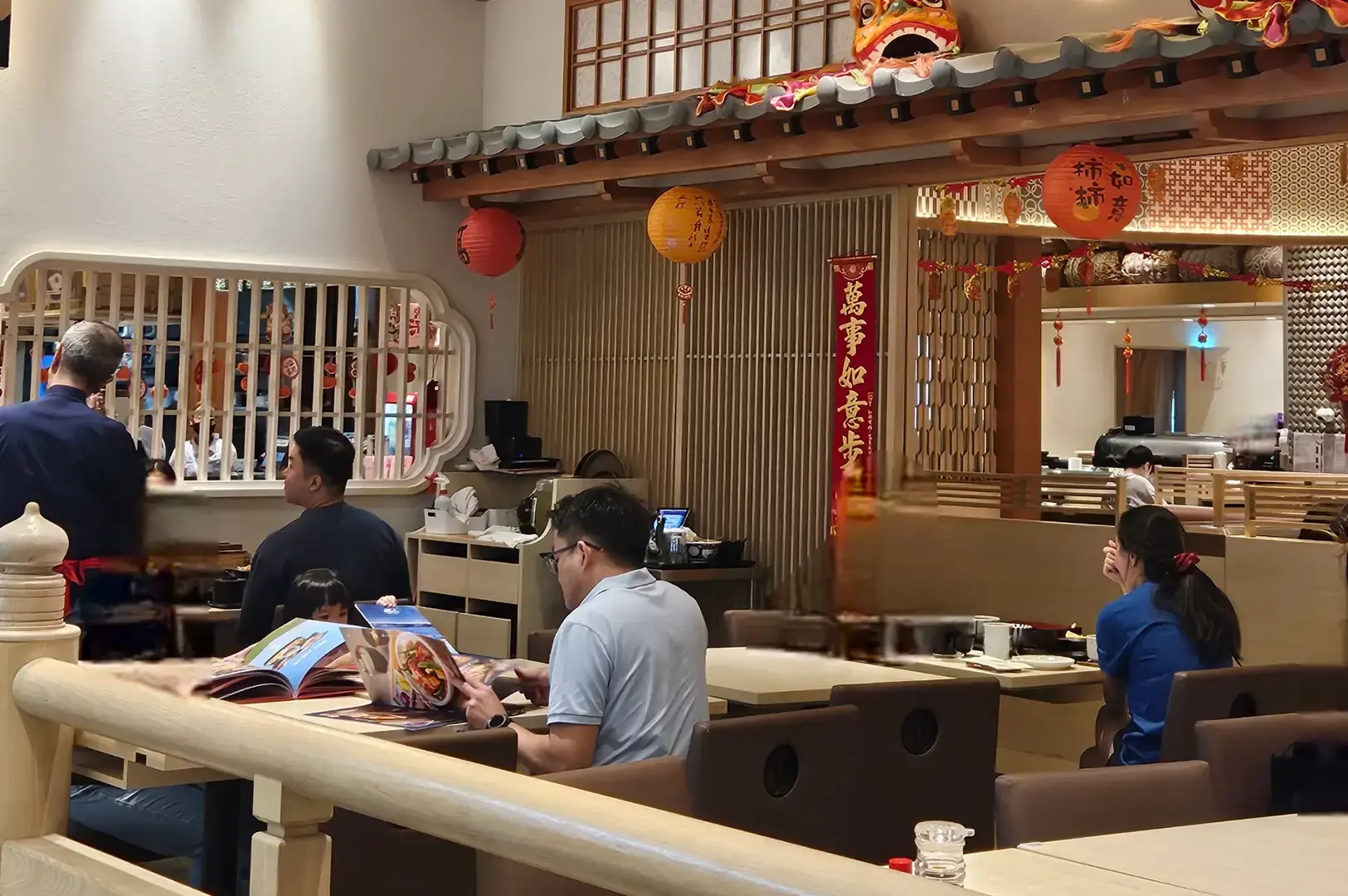
Ichiban Boshi Jurong Point sits on the basement level of Jurong Point, tucked into the mall’s Japanese dining zone but slightly off the main shopping-floor rush. That distance matters. You feel it the moment you step in.
The space is larger than most sushi spots I’ve visited. Comfortable, casual, a little worn in the way of places that have fed the west side for years. Not polished for a photo. Just easy to sit in, with a unique design and ambience that reflects the brand’s commitment to staying true to its Japanese roots while offering the same modern Japanese cuisine across Ichiban Boshi restaurants.
Atmosphere and Seating
- I came on a Wednesday, around 2:30 in the afternoon, well past the lunch crowd.
- A family lingered two tables over, sharing a variety set meal featuring fresh sashimi and lobster salad dressed lightly in mayonnaise and seaweed flakes.
- A solo diner read something on his phone, a bowl of miso soup and sushi rice topped with black flying fish roe and salmon roe half-finished in front of him.
- Nobody was rushing anybody.
I found a table without waiting, which regulars tell me is usually the case here. The seating is generous, and even during busier stretches, people say it’s easy enough to get a spot. That’s rarer than it sounds.
This isn’t a sushi bar built for theatre. There’s no chef across a counter watching you eat. It’s a mall Japanese restaurant, honest about what it is, and there’s comfort in that honesty. The team of experienced chefs focuses on quality and offering popular dishes like ika karaage and sushi boxes that showcase fresh shrimp, crab stick, avocado, and cucumber, all balanced with teriyaki sauce or spicy cod roe mayo.
The Unagi Don That Earns Its Reputation
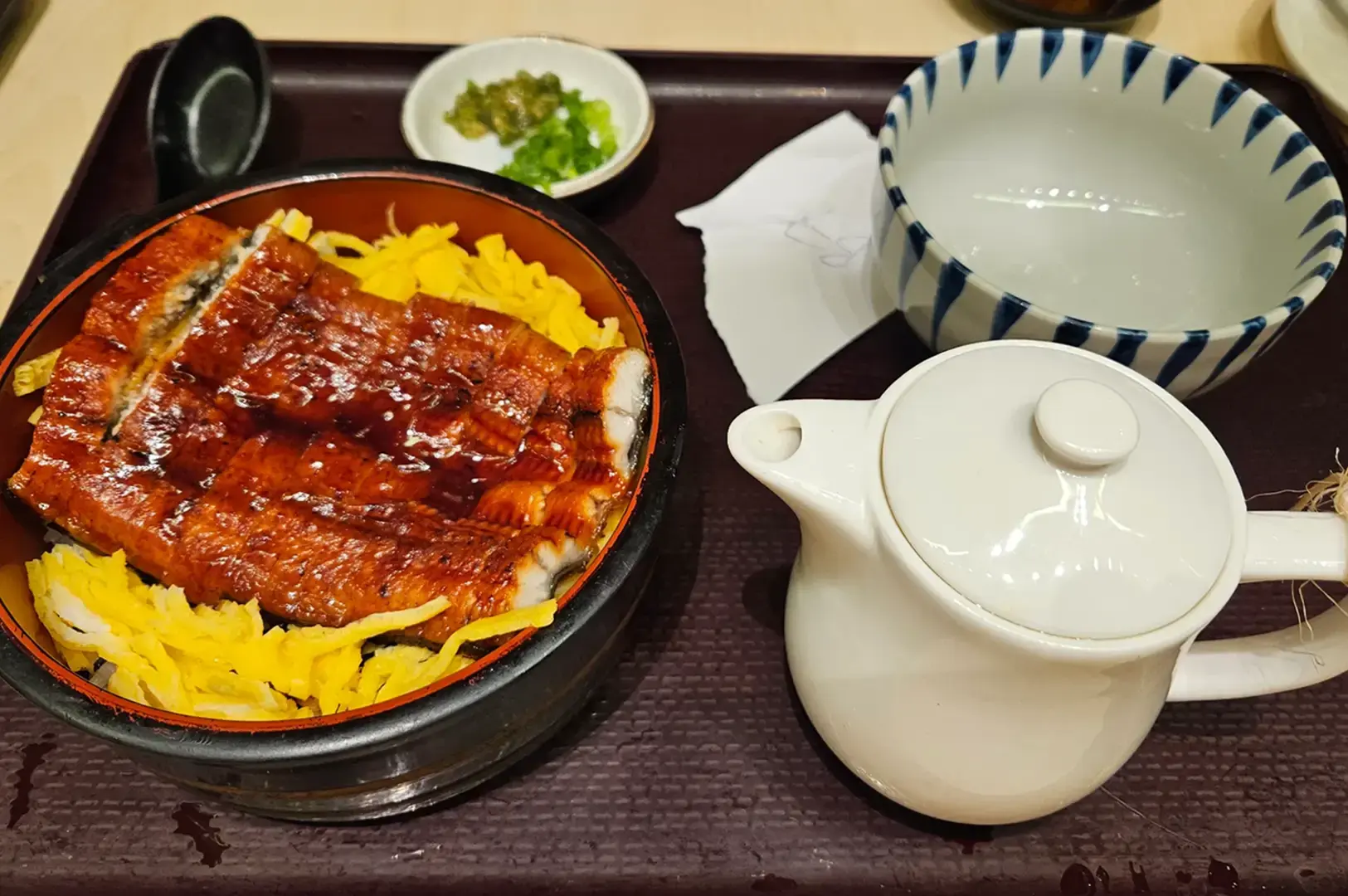
I started with the Unagi Don, because a regular had told me it was the reason they keep coming back.
They weren’t wrong.
The Dish
The eel arrived soft and grilled, its skin lacquered in that sweet-savoury glaze that seeps down into the sushi rice below. Warm, tender, giving way under the chopsticks without any fight. The sauce carried that gentle caramelized edge, sweet but not cloying, deepened by the char and a subtle hint of black pepper sauce.
This is the dish I’d point a first-timer toward. It’s not sushi, exactly, and that’s the point. It reminds you that Ichiban Boshi is more than a fish counter. The unagi sat on my table, unhurried, and I ate it slowly, the way the room seemed to invite.
Ichiban Jyu, and the Small Kick I Didn’t Expect
Next came the Ichiban Jyu, listed from around S$22.66.
Ingredients and Flavors
- Fresh Norwegian salmon sashimi, laid over sushi rice
- Dressed with sesame oil and chilli padi
- A bowl of miso soup beside it
On paper it sounds simple. In the mouth, it’s more layered than that.
The salmon was cool and soft, that clean fattiness spreading slow. Then the sesame oil arrived, nutty and round, followed by the chilli padi’s sharp little bite creeping in behind. Cool fish, warm rice, that quiet heat. The contrasts kept shifting as I ate.
I cupped the miso soup between bites. Warm, earthy, the kind of thing that grounds a meal without asking for attention.
This is a dish that rewards sitting still. Rush it, and you’d miss the way the flavors move. Slow down, and it opens up.
The Kaisen Don Worth Sharing
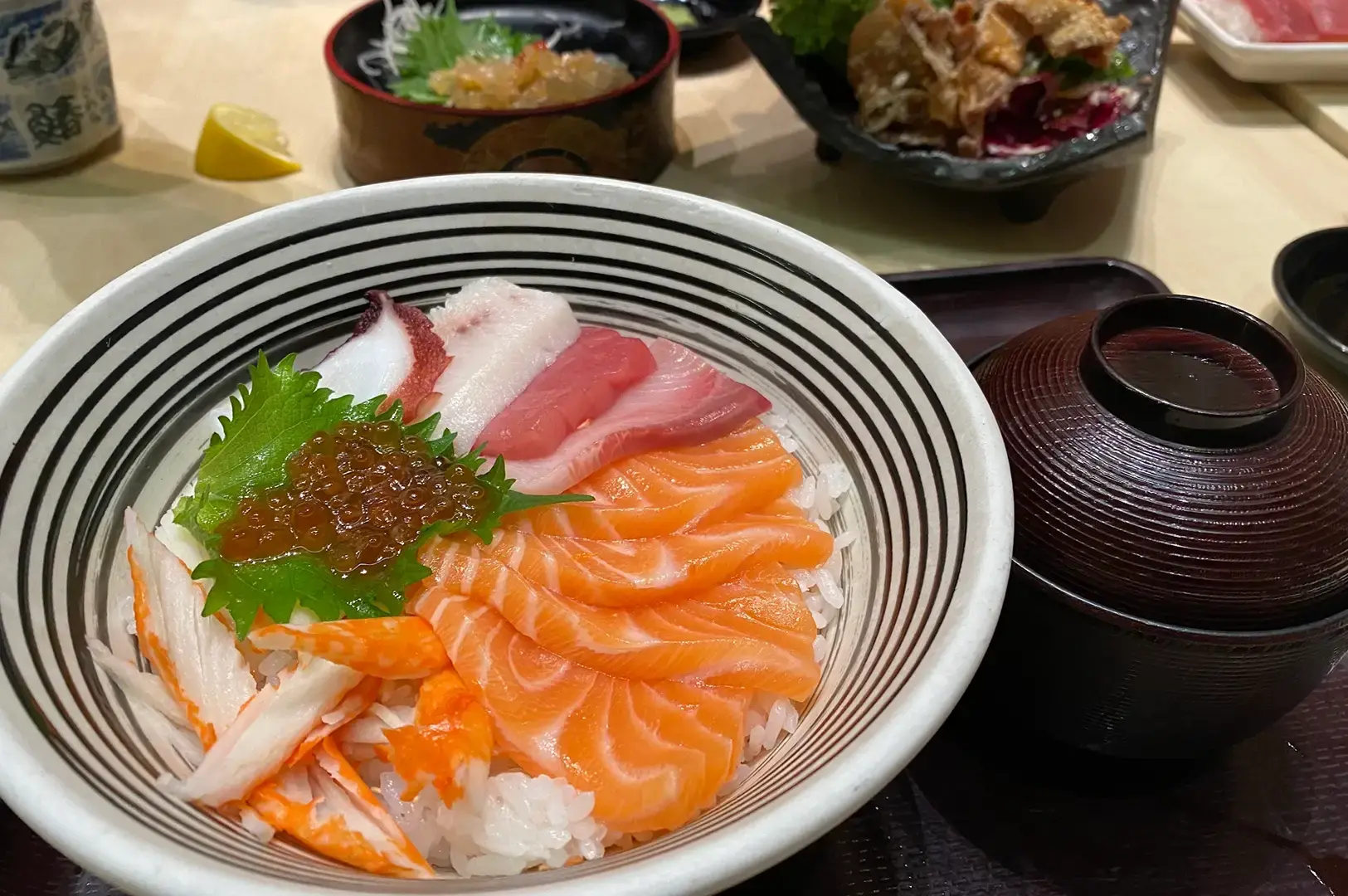
Then the Zuwai Kani Kaisen Don, which felt like the most generous thing on the table.
That balance is the whole logic of a good rice bowl, the same quiet architecture of fish over rice that makes a chirashi don work when nothing on top is fighting for attention.
Components
- Vinegared sushi rice, sticky and faintly tangy
- Crowned with snow crab leg meat, fresh scallops, salmon belly, tamago, cucumber, pickled ginger
- A spoonful of ikura (salmon roe) and flying fish roe
A whole small sea in one bowl.
The snow crab was sweet and clean. The scallops soft, almost buttery. The salmon belly carried that rich fat that fish lovers chase, and the ikura gave those bright, briny pops against everything else. Sweet, savory, sharp from the pickled ginger, all of it balanced rather than fighting.
I found myself slowing right down with this one, picking through it piece by piece. It’s a bowl built for a shared, unhurried table, which is exactly what Ichiban Boshi does best.
For a bigger spread, the Tokusen Kaisen Don, from about S$28.66, layers on bluefin tuna, swordfish, octopus, yellowtail, and more. Plenty to work through.
Specialty Menus and Popular Set Meals
Ichiban Boshi Jurong Point is known for offering specialty menus that highlight the depth of Japanese cuisine. Their set meals often include a wide selection of sushi, fresh sashimi, and cooked items like ika karaage—crispy fried squid with a light crunch that pairs perfectly with tartar sauce or spicy cod roe mayo.
Popular Sushi Box Selections
The sushi box selections are popular favorites, often featuring:
- Shrimp roe
- Crab stick
- Avocado
- Seaweed flakes
These ingredients are layered over sushi rice and dressed with mayonnaise or teriyaki sauce for a balance of creamy and savory notes.
Variety Set Meals
Some variety set meals include baby corn, carrot, spring onion, and cheese, adding unexpected textures and flavors. This highlights the modern Japanese cuisine approach Ichiban Boshi restaurants are celebrated for.
This combination of traditional Japanese roots with contemporary touches is what makes the menu at Ichiban Boshi a favourite among Singapore customers looking for quality and authenticity in a relaxed atmosphere.
Lobster Salad and Other Fresh Offerings
One standout dish that deserves mention is the lobster salad, a fresh and vibrant offering that combines:
- Succulent lobster meat
- Crisp vegetables
- A light mayonnaise dressing
- A sprinkle of black pepper sauce
The freshness of the lobster contrasts beautifully with the creamy dressing, making it a refreshing palate cleanser or a light starter.
This dish exemplifies Ichiban Boshi’s commitment to quality ingredients and creative preparation, staying true to the essence of Japanese cuisine while catering to local tastes.
Where It Falls Short
I won’t pretend the meal was flawless. It wasn’t.
Issues Noted
- The tamagomaki was the low point.
- The rice had gone tight and dull from sitting cold.
- The tamago itself tasted flat, lacking the gentle sweetness it should have.
It’s a small dish, but small dishes tell on a kitchen.
Service
And the service, honestly, is a mixed thing here.
The afternoon I visited, a staff member kept my green tea topped up without being asked, which I appreciated. Others have said the same, praising staff who fix a wobbly table or check in without hovering.
But that’s not everyone’s experience. I’ve read accounts of long waits, wrong dishes, rice and soup arriving apart, one diner waiting twenty minutes for a corrected order. It seems to swing with how busy the room is and who’s working that shift.
Your Guide to Visiting
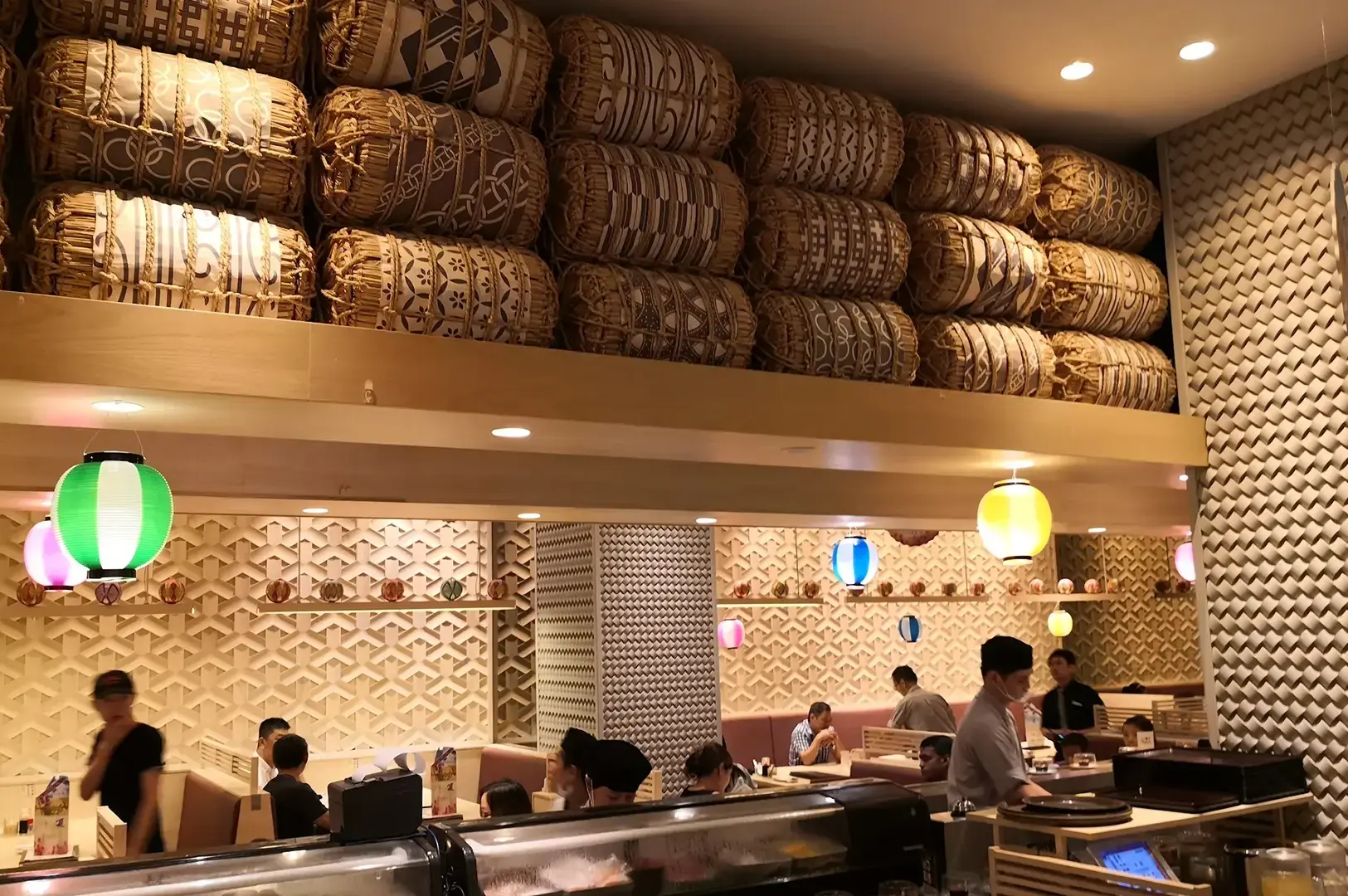
Here’s what you’ll want to know before you go.
Location and Access
- Where: Ichiban Boshi sits at #B1-75, Jurong Point, 1 Jurong West Central 2. Basement level, in the Japanese dining cluster.
- Getting there: Boon Lay MRT is around a five-minute walk through Jurong Point’s connected pathways, and the bus interchange is right there too. Easy for west-side residents and anyone passing through.
Hours and Pricing
- Hours: Daily, 11am to 10pm.
- Spend: Most people land between S$20 and S$40 per person, though a lighter meal can dip lower and a fuller one with premium sashimi can climb past that. Salmon belly runs S$9.90 for five pieces, Hon Maguro Toro around S$32 for five, if you want to build a sashimi spread.
Booking and Timing
- Booking: Unlike a walk-in counter, Ichiban Boshi takes reservations through Chope, which is genuinely useful for groups or peak periods. Just know that reserved tables are held for ten minutes, and specific seats aren’t guaranteed.
- When to come: A weekday lunch before noon, or a quiet mid-afternoon like my 2:30 visit, is the easiest. Early dinner around 5 to 6pm works too. Weekends and school holidays pull in serious Jurong Point family crowds, so time it if you can.
A Slow Dance with a Sushi
What stayed with me wasn’t a single perfect piece of fish. It was the pace.
Ichiban Boshi doesn’t try to dazzle you. There’s no belt, no train, no clever system turning dinner into a small performance. The sushi simply arrives and stays, sharing the table with an unagi don, a bowl of kaisen, a miso soup, and a slowly emptying pot of green tea.
Would I go back? Yes. On a quiet afternoon, with time to spare, for the unagi don and a bowl of kaisen shared slowly across a table that no one’s rushing me to leave.
Some meals move fast because the city taught them to. This one, thankfully, remembers how to sit down.