
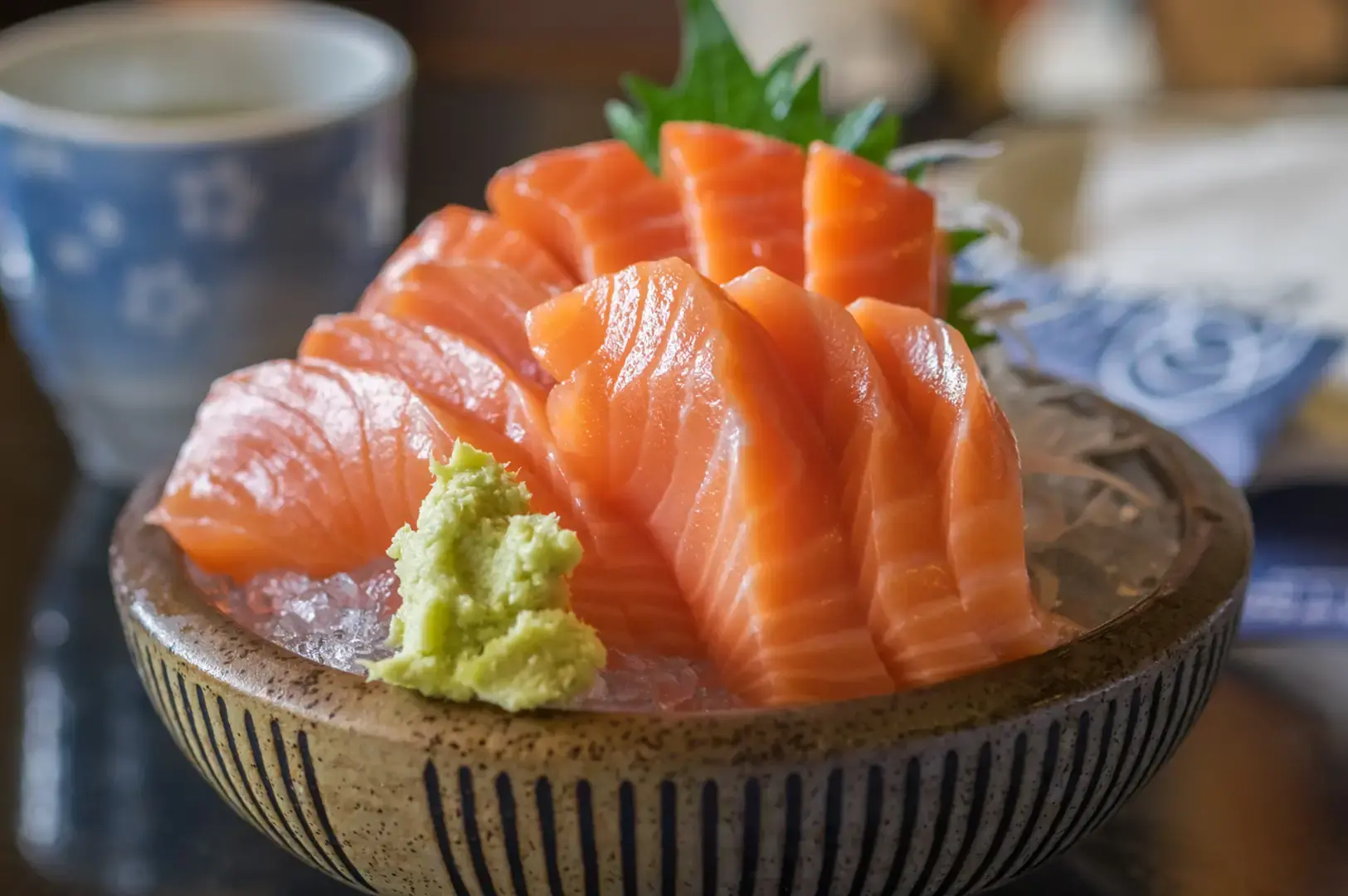
Salmon Sashimi Wholesale Singapore and the Quiet Cold Chain Behind Every Slice
The first time I bought salmon wholesale, I got it wrong.
I was proud of myself. I had found a supplier, bought a whole loin for less than what restaurants charged, and imagined a small feast at home: cleanly sliced salmon sashimi, soy sauce and a little wasabi waiting beside chilled plates.
Then I ran errands. Two hours in the mall, the fish sitting in my bag. Indoors, cool enough, I told myself. By evening, something was off. The flesh had lost its spring. The colour seemed tired rather than luminous, and the surface no longer had that cool, almost satin-like firmness of good sashimi. I could not tell from sight or smell alone whether it was still safe, which was precisely the problem.
That’s the Singapore Sushi Stories I wanna write about, which taught me what this guide to salmon sashimi wholesale Singapore is really about. The story of salmon sashimi is not simply about the fish. It is about temperature. Everything good about that slice on your plate—its clean flavour, supple texture and quiet sweetness—was decided long before you picked up a knife.
The Cold Chain Is the Real Story
Most salmon sold for sashimi in Singapore is imported. Norway is an important source, alongside other producing regions, and the fish may travel thousands of kilometres before reaching a restaurant, retailer or your doorstep.
The Journey of Salmon
A typical journey looks something like this:
- The salmon is harvested and processed overseas.
- It is packed and kept under controlled cold conditions.
- Chilled or frozen product travels to Singapore.
- Imported food is subject to Singapore Food Agency requirements and food-safety controls.
- The fish moves into temperature-controlled stock and distribution.
- A wholesaler or retailer receives it.
- Restaurants, sushi counters and individual customers place an order.
- Finally, it reaches your kitchen.
SFA advises that ready-to-eat raw fish should be placed in a chiller between 0°C and 4°C soon after purchase.
The Importance of Cold
That is a lot of hands, vehicles, doors and storage rooms. Yet the central task remains remarkably simple: keep it cold.
Break that chain and the fish begins to change. The texture can soften; the clean aroma can become more pronounced; the window for safe consumption can narrow.
I think about this now whenever I buy seafood. The care I take on the journey home is simply the final link in work that began far away.
It would be a shame to be the person who breaks it.
Pro tip: Buy ready-to-eat seafood at the last stop of your shopping trip. SFA specifically recommends this to reduce prolonged exposure to room temperature.
What “Sashimi Grade” Actually Means
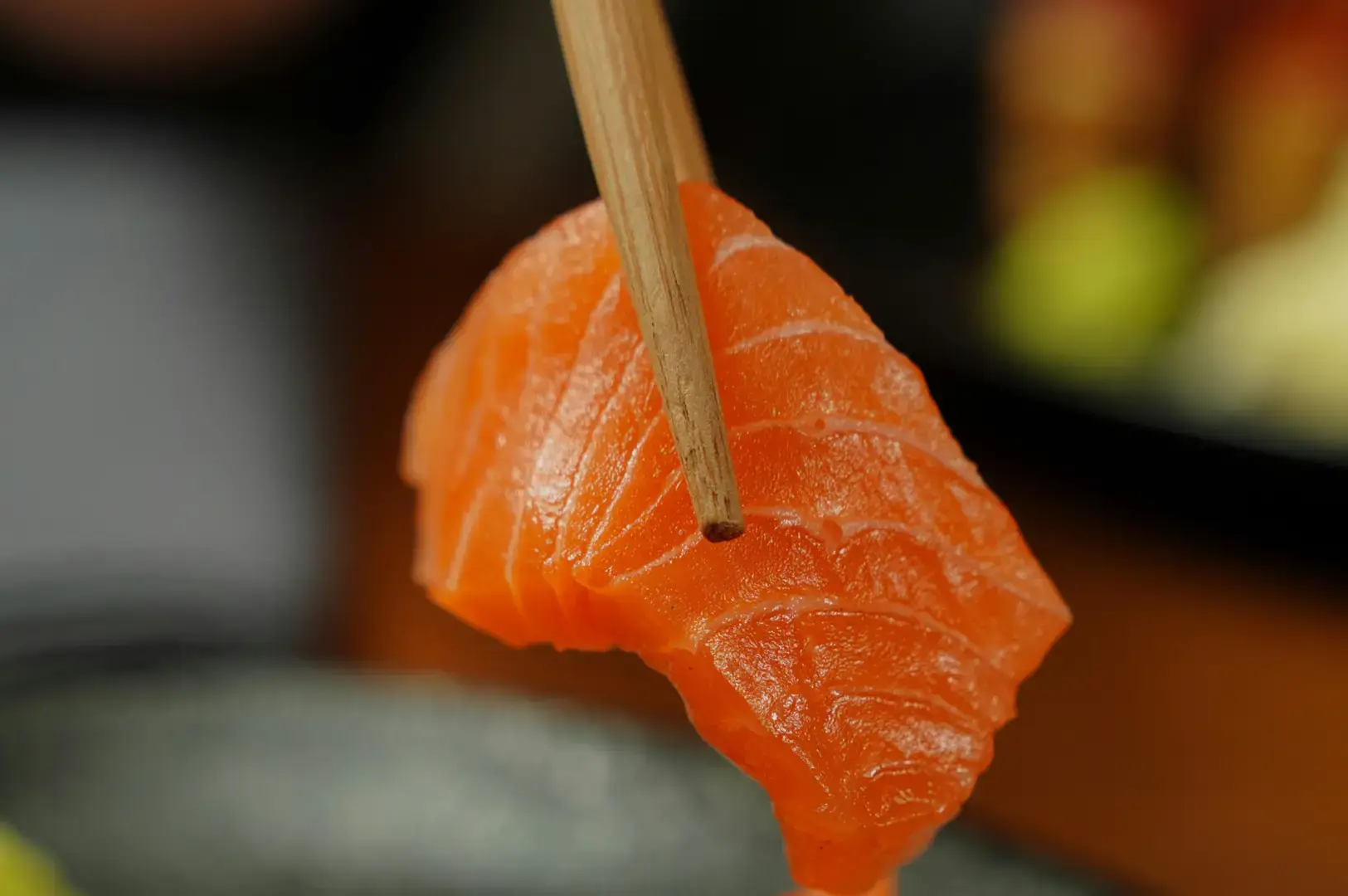
Here is something that surprised me when I first began paying closer attention: sashimi grade is not an official government grade with a single universal definition.
What It Really Means
In practice, the phrase is used commercially to tell customers that a product is intended or considered suitable for raw eating. What matters more is the actual handling behind the words.
For raw food, SFA’s advice is more useful than any impressive label: purchase ready-to-eat raw fish from licensed establishments, check that it is intended or suitable for raw consumption, follow the package instructions, and refrigerate it promptly.
So when you see sashimi grade salmon, look beyond the typography. Ask what the fish is intended for. Check the date. Examine the packaging. Look at how it is stored. Product quality is ultimately something a cold chain has to earn.
Buying Wholesale in Singapore
Searching for salmon sashimi wholesale Singapore now often begins with a screen rather than a wet market. You can compare products, read customer reviews, add salmon, scallops or uni to a cart, choose a delivery day and receive an email confirming the order.
Convenience, however, should not replace scrutiny.
Licensed Suppliers
SFA’s published list of licensed food importers assessed as suitable to supply fish for ready-to-eat use includes companies such as Eastern Harvest Foods, Mowi Singapore, Okamura Trading Singapore, and Yu Fish, with listed salmon products from Norway and, for some processed products, Vietnam.
The practical lesson is not that these are the only places from which a consumer can buy salmon. It is that traceable sourcing matters.
For something you plan to consume without cooking, buying through a reputable, properly licensed chain is highly recommended.
Common Forms and Prices
Depending on the supplier, you may find:
- Whole salmon
- Fillets
- Loins
- Pre-sliced sashimi
- Salmon belly
- Vacuum-packed portions
Prices vary substantially by cut, weight, origin, season, processing and whether the product is sold wholesale or retail. A whole fillet or loin may look expensive beside a small tray, yet the per-kilogram cost can make more sense if you are serving several people.
For a small dinner, however, buying more simply because the unit price is lower can be false economy. Raw seafood rewards planning more than abundance.
Piece of Sushi knowledge: If you have a truly sharp knife and are comfortable preparing fish hygienically, slicing a loin shortly before serving can give you a beautiful surface: glossy, smooth and soft without becoming ragged. But only do this with fish explicitly intended for raw consumption.
What to Look For Before You Buy
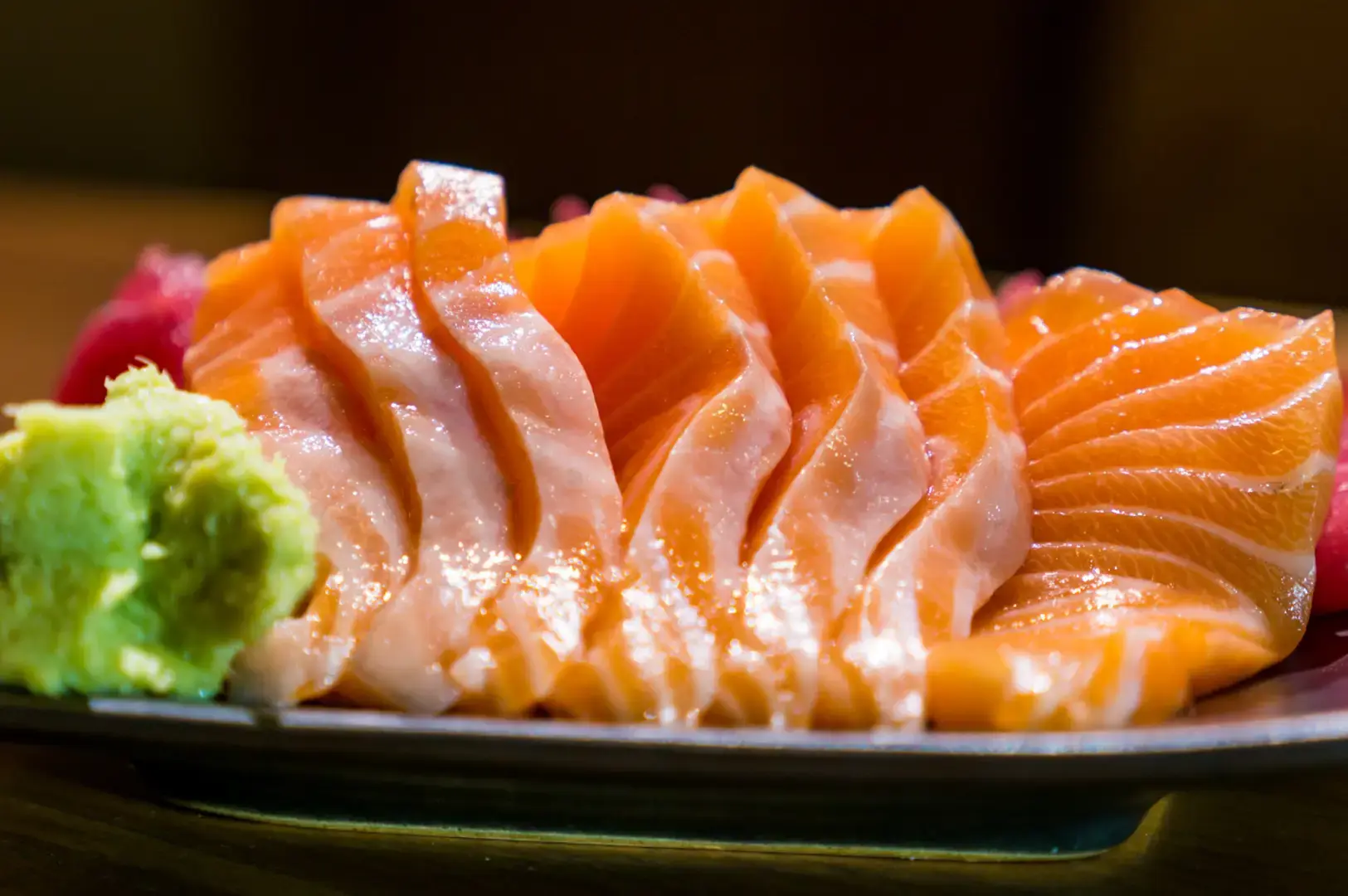
Over time, my eyes and nose have become useful tools. They are not safety tests, but they can help reveal poor handling or deteriorating freshness.
Appearance
Look for:
- A moist, glossy surface rather than dry edges
- Cleanly cut flesh
- An intact pack
- Minimal unexplained liquid pooling inside
Good salmon often catches the light with an almost polished sheen. It should look moist, not wet and collapsing.
Texture
When handling is permitted, the flesh should feel firm rather than mushy.
For me, this is part of what makes good salmon sashimi so delicious: the first sensation is cool and yielding, but there is still enough structure to meet the teeth before the fat begins to soften across the tongue.
Smell
The aroma should be mild and clean.
A sour, rancid or unusually strong smell is reason enough to leave the product behind. But remember: an absence of bad smell does not guarantee that raw fish is safe.
Packaging
Before the pack goes into your cart:
- Check the use-by date.
- Ensure seals are intact.
- Read storage and preparation instructions.
- Confirm that the product is meant for raw eating.
- Keep chilled products close to the recommended storage temperature.
When delivery is involved, retrieve the order promptly rather than leaving chilled seafood outside the door.
Salmon Sashimi Slip-ups
Most of these I have either made or watched someone make.
- Buying raw seafood first and continuing to shop.
- Assuming colour alone indicates quality.
- Leaving sashimi out while waiting for guests.
- Using the same board for raw meat, ready-to-eat seafood and other foods.
- Handling raw fish, then touching cooked food without washing properly.
- Repeatedly opening the refrigerator door while preparing dinner.
- Buying a week’s worth of sashimi merely because there is a discount.
- Forgetting to check the supplier’s storage and consumption instructions.
SFA recommends keeping raw food separate from cooked and ready-to-eat foods and using proper hygiene to prevent cross-contamination.
Raw Food: A General Precaution for Vulnerable Groups
There is one part of the conversation where romance should give way to clarity.
As a general precaution, SFA advises vulnerable groups—particularly young children, pregnant women, elderly persons, and people who are immunocompromised or have a chronic illness such as diabetes—to exercise caution by avoiding the consumption of raw food.
That includes raw fish.
For these groups, thoroughly cooking seafood is the safer choice. SFA notes that cooking is an effective way to kill bacteria and parasites.
Why a Highly Recommended Supplier Still Needs Your Attention
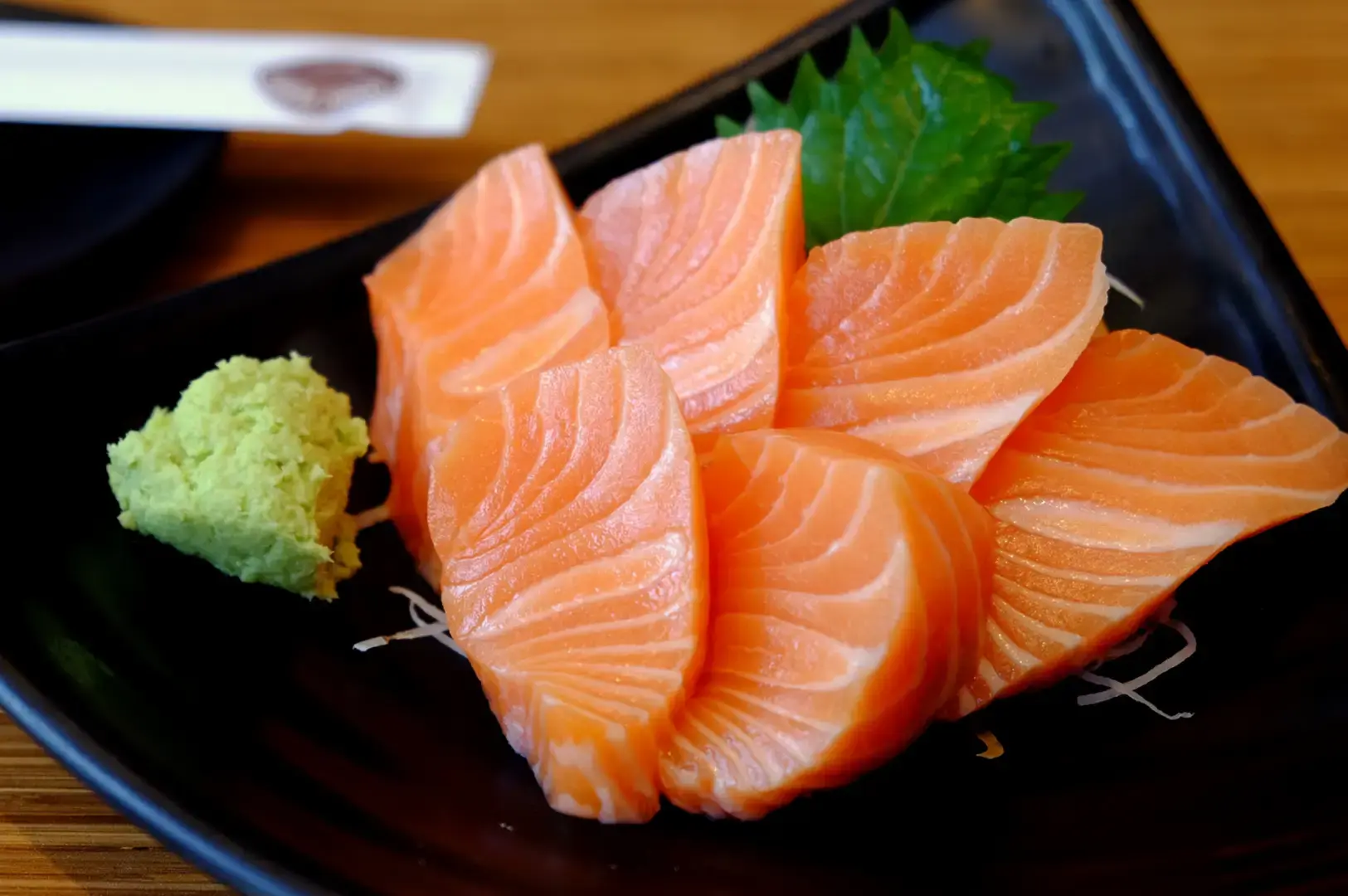
A supplier can do nearly everything right and still hand the responsibility to you at the end.
That is easy to forget.
The business can maintain its chillers, pack your order carefully and complete its journey to your doorstep. The moment you receive it, however, the chain changes hands.
Even a highly recommended seller cannot control whether you leave the package outside for an hour, store it incorrectly, use an unclean knife or keep tomorrow’s sashimi sitting on today’s serving tray.
Trust matters. So does participation.
The Quiet Part
Singapore has built a deep appetite for raw seafood: sushi, salmon sashimi, poke bowls, Lunar New Year yu sheng, and restaurant counters where salmon may sit beside tuna, scallops and uni.
Behind those familiar dishes is an infrastructure most people rarely see. Importers. Drivers. Warehouse teams. Retail staff. Restaurant crews. People checking temperatures while the rest of us are thinking about dinner.
For a finished dish where raw fish, rice, temperature, and quiet restraint meet on the same bowl, read Chirashi Don guide.