Cheap Omakase Singapore: Sushi Counters That Still Feel Like a Treat Without the Splurge
The first omakase I ate in Singapore cost more than my monthly grocery bill back home. I remember walking out full, impressed, and slightly uneasy, wondering whether the meal had justified the ache in my wallet. Over the years, I started looking for another kind of omakase restaurant. One where the chef still shapes warm rice in front of you, where the fish arrives piece by piece rather than all at once, and where lunch does not require the financial commitment of dinner.
The useful price band has changed. In 2026, S$68 to about S$100++ remains a strong range for a proper sushi-led lunch, although newer concepts have pushed the lower boundary much further. Sushidan, for example, now advertises omakase sets from S$19.90.
Dinner is another matter. Many dinner omakase menus climb quickly once more sashimi, cooked courses and premium ingredients enter the sequence.
That makes lunch the important comparison.
Cheap Omakase in Singapore at a Glance
Restaurant | Area | Lunch from | What distinguishes it |
|---|---|---|---|
Tanjong Pagar | S$68++ | Intimate Edomae-influenced sushi counter | |
Tanjong Pagar | S$68 | Modern omakase with aburi and cooked dishes | |
Tanjong Pagar | S$88++ | Generous sushi course in an 18-seat room | |
Novena | S$90++ | Quiet Edomae-style lunch with uni and ikura | |
Orchard | S$88 | Flexible Orchard dining with sushi and à la carte options | |
Raffles City / Parkway Parade | From S$19.90 | Casual, abbreviated entry into chef-selected sushi |
Across these restaurants, you will find omakase menus ranging from quick, casual sets to long-form meals involving seasonal sashimi, nigiri sushi, hot dishes, sea urchin and richer cooked courses.
Price alone does not tell you which is the better omakase meal. The more useful question is what kind of experience that price buys.
1. Sushi Muni: A Lunch Omakase for People Who Come for the Sushi
Where: 10 Anson Road, International Plaza #02-28
Nearest MRT: Tanjong Pagar
Lunch: From S$68++
Counter: 10 seats
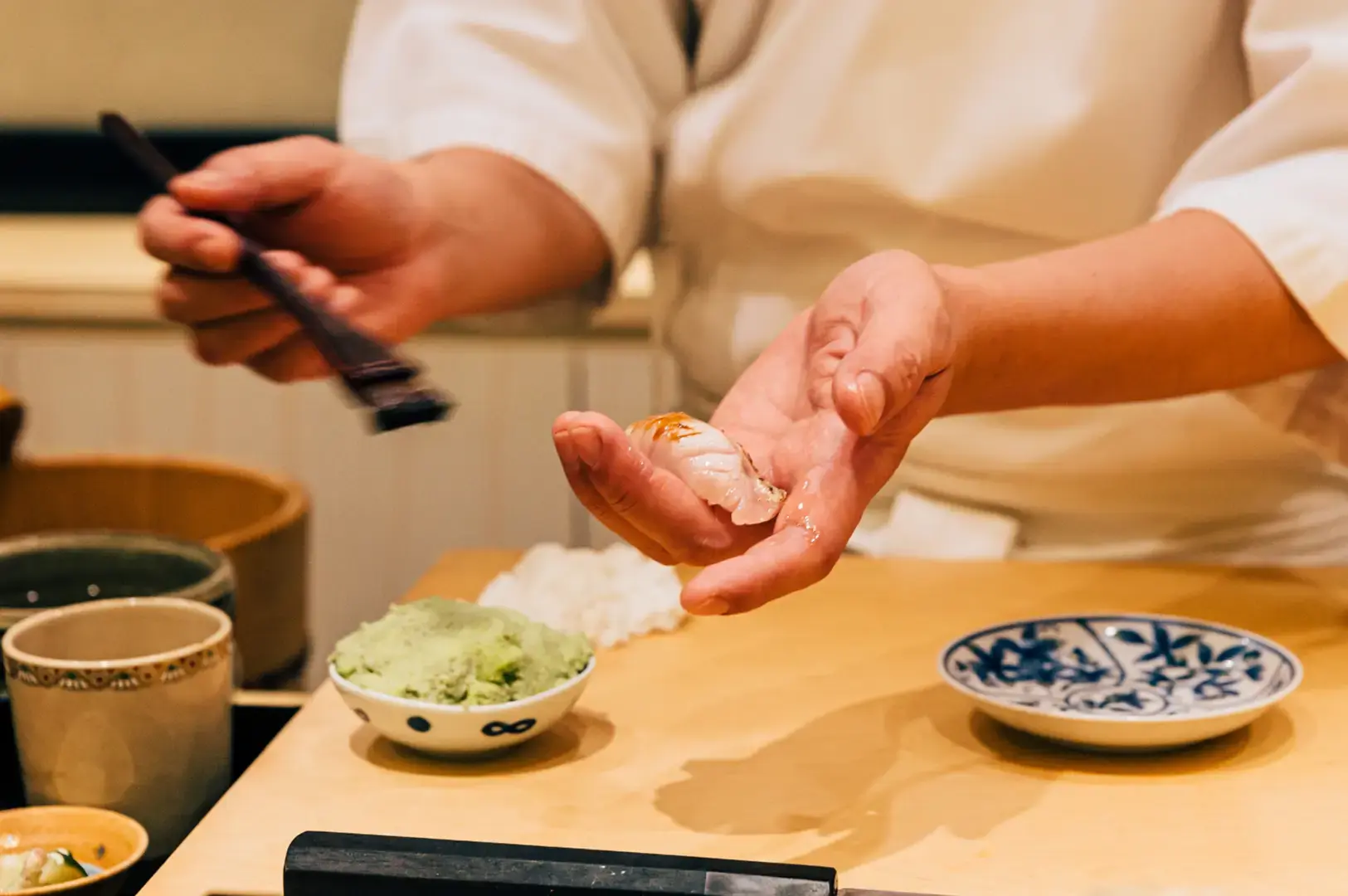
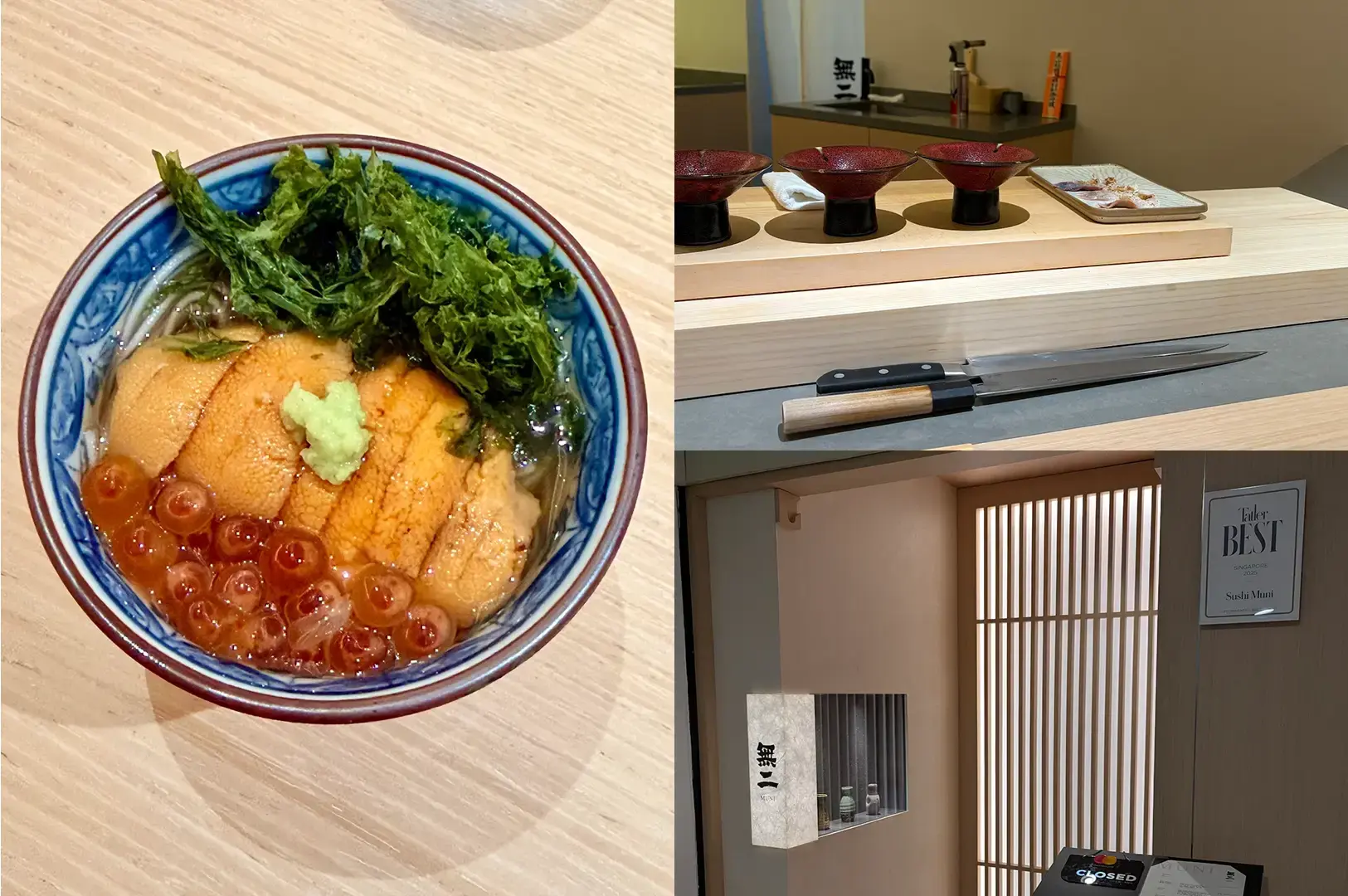
Sushi Muni is the one I think about when the point of the meal is the sushi rather than everything surrounding it. Hidden inside International Plaza in Tanjong Pagar, the room holds only ten diners. That intimacy changes the dining experience. There is nowhere for the chef’s movements to disappear. You see rice lifted and shaped with restrained pressure. Fish settles over it. A brush passes across the surface. Then the piece reaches you while the shari is still gently warm.
Muni describes its cooking as influenced by kappo and Edomae sushi craftsmanship, with Head Chef Chon drawing on more than two decades in Japanese fine dining. Its current opening schedule includes weekday lunch service from Tuesday to Friday and two Saturday lunch seatings.
Earlier published menu coverage put the entry lunch omakase at S$68++, with larger sushi courses and omakase options above it. Because Muni notes that pricing can change, I would still confirm the current omakase menu when reserving. For diners who care most about fish texture and freshness before the rice even enters the picture, Best Sashimi Singapore is a useful next read.
The Best Value For
This is one of the stronger choices if you are interested in nigiri sushi, rice seasoning and fish texture rather than simply counting luxury ingredients. The ten-seat counter seating also preserves something important about omakase dining: you remain close enough to see the chef’s hands and understand that sushi is partly a matter of timing.
The Main Plot: Come here if the sushi itself is the story. Muni works best for diners interested in Edomae technique, seasonal sushi, carefully handled seafood and an intimate setting where the mechanics of each piece stay visible.
Lost the Plot: Avoid it if your ideal affordable omakase is a parade of wagyu, dramatic hot dishes and elaborate presentation. Restraint is Muni’s strength, but it can feel narrow if variety matters more to you than sushi craft.
2. Sushi Yujo: An Affordable Omakase Experience With More Theatre
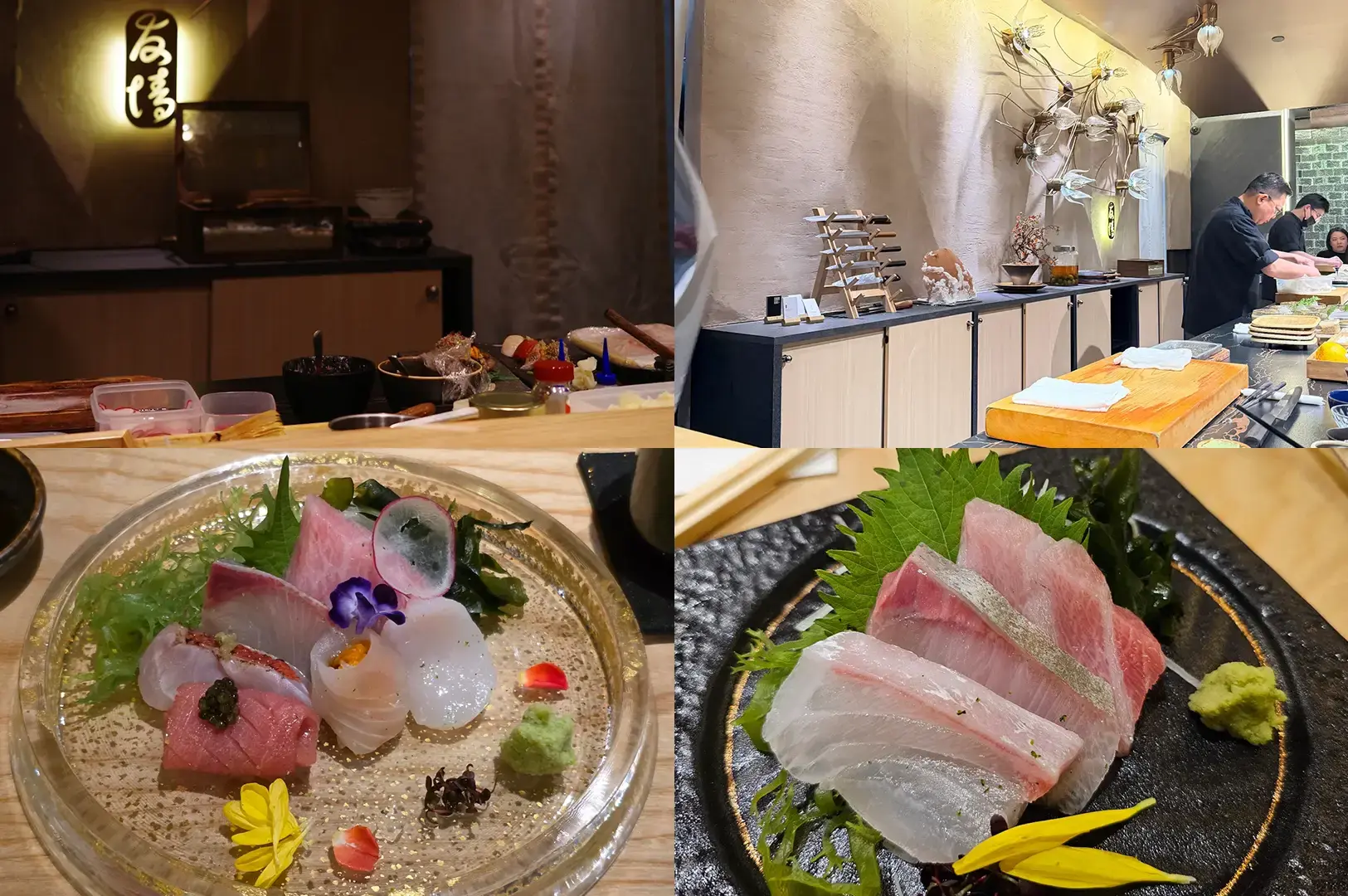
Where: Amara Hotel, 165 Tanjong Pagar Road #02-26
Nearest MRT: Tanjong Pagar
Lunch omakase: From S$68
Counter: 13 seats
Sushi Yujo takes a different route. Where Muni feels pared back, Yujo allows more theatre into the room. It describes itself as a modern, unconventional Japanese omakase restaurant, led by Singaporean chef Desmond Fong.
Its current lunch offerings begin with the Ai lunch omakase at S$68, followed by Rikai at S$98 and more elaborate menus above that. At night, its dinner omakase starts at S$148, with larger options built around seasonal chef signatures. The style is broader than traditional Edomae sushi. Chef Fong is particularly associated with aburi sushi, alongside sashimi, carpaccio and cooked dishes. The restaurant says seafood is flown in regularly from Toyosu Market.
I once came here for a birthday lunch, and the room suited the occasion. A torched piece reached the counter with the surface still carrying residual heat. There was that brief smell of rendered fish fat and smoke before it disappeared into the sweetness of the rice. It reminded me that sushi does not always have to communicate through restraint.
The Best Value For
For people exploring omakase in Singapore for the first time, Yujo gives you many of the cues people associate with a special meal: a dedicated sushi counter, chef interaction, changing textures and courses that move between raw and cooked. The restaurant has a 13-seat counter as well as private rooms, so it can also accommodate special occasions without losing the central counter experience.
The Main Plot: This is strongest for birthdays, first omakase experiences and diners who want an affordable omakase experience with more movement and visual drama. The S$68 Ai menu is the natural starting point.
Lost the Plot: Avoid Yujo if your ideal sushi omakase consists almost entirely of restrained nigiri and classical technique. Here, torching, richer combinations and cooked courses are part of the identity rather than interruptions.
3. Miraku: An Omakase Meal That Feels Generous
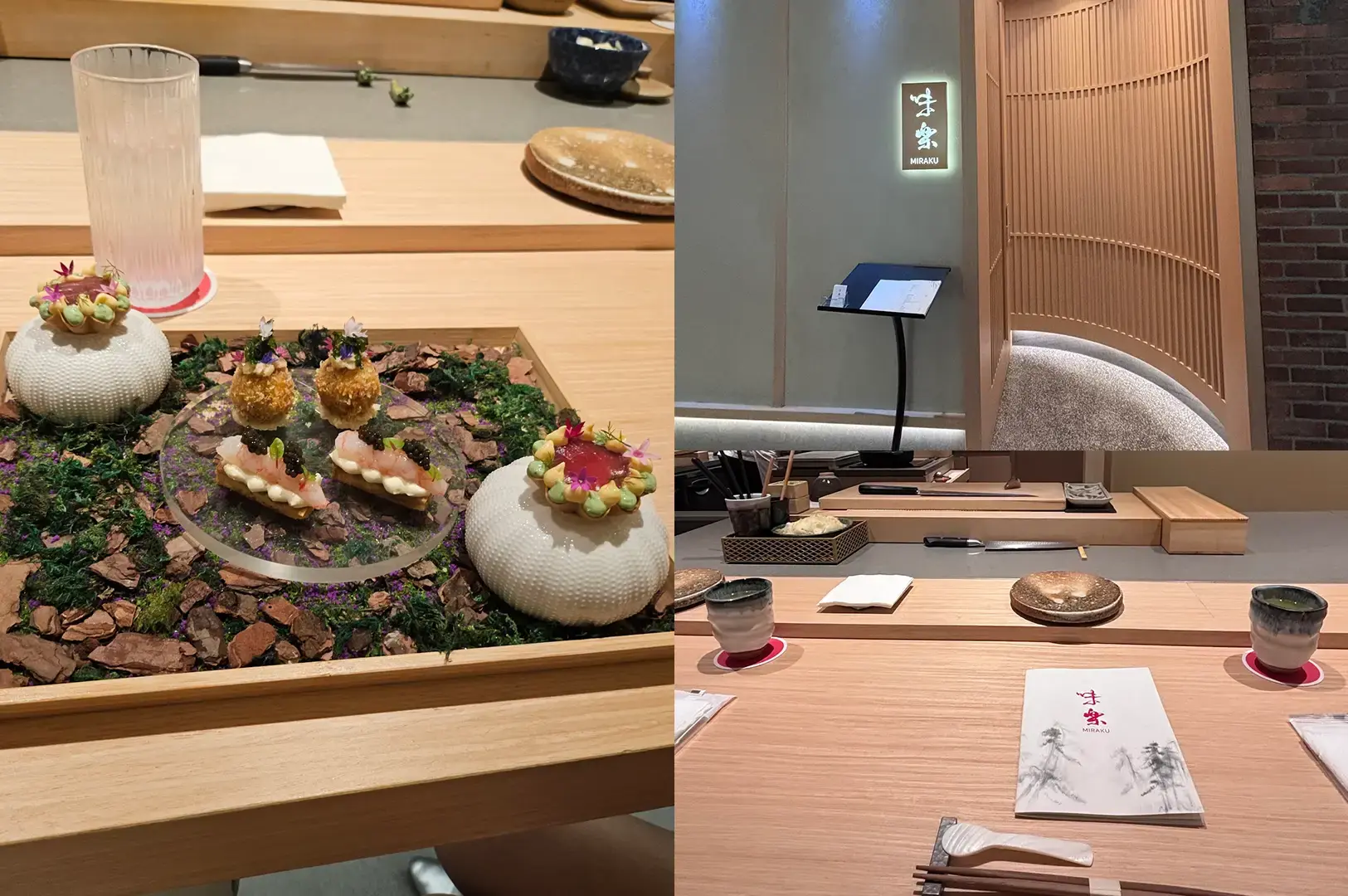
Where: 12 Gopeng Street, Icon Village #01-01 to 04
Nearest MRT: Tanjong Pagar
Lunch sushi course: S$88++
Lunch omakase: S$108++
Counter: Up to 18 guests
Miraku occupies an interesting middle ground. The restaurant describes an 18-seat U-shaped counter built around chefs preparing each course directly in front of diners. Its philosophy combines Japanese tradition with seasonal expression rather than following a rigidly historical format.
Current listings show an S$88 Lunch Sushi Course and S$108 Lunch Omakase. The S$88 course includes a seasonal appetiser, chawanmushi, nine pieces of nigiri sushi, a Wagyu Uni Rice Roll, a mini rice dish, soup and dessert. The S$108 option moves further into sashimi and a broader progression.
What stayed with me was not one extravagant ingredient but the cumulative generosity. Cool kinmedai. Fatty tuna softening against warm rice. Then the richer, almost buttery salinity of sea urchin, followed by wagyu and another small bowl of rice. The meal does not ask you to pretend that appetite is somehow vulgar.
The Best Value For
Miraku makes sense when you want lunch courses that feel substantial without carrying the hefty price tag of premium omakase. Its larger counter also creates a slightly more social atmosphere than a six- or eight-seat sushi room, while remaining small enough for chefs to engage directly with diners.
The Main Plot: Choose Miraku when abundance matters. Its S$88 lunch omakase course is particularly appealing for someone who wants plenty of sushi, a richer composed bite and enough food to leave comfortably full.
Lost the Plot: Avoid it if you want either the cheapest possible meal or an austere exercise in traditional Edomae sushi. Miraku is at its best when richness, variety and polish are part of the pleasure.
4. Hatsu: Traditional Edomae Sushi in a Calmer Setting
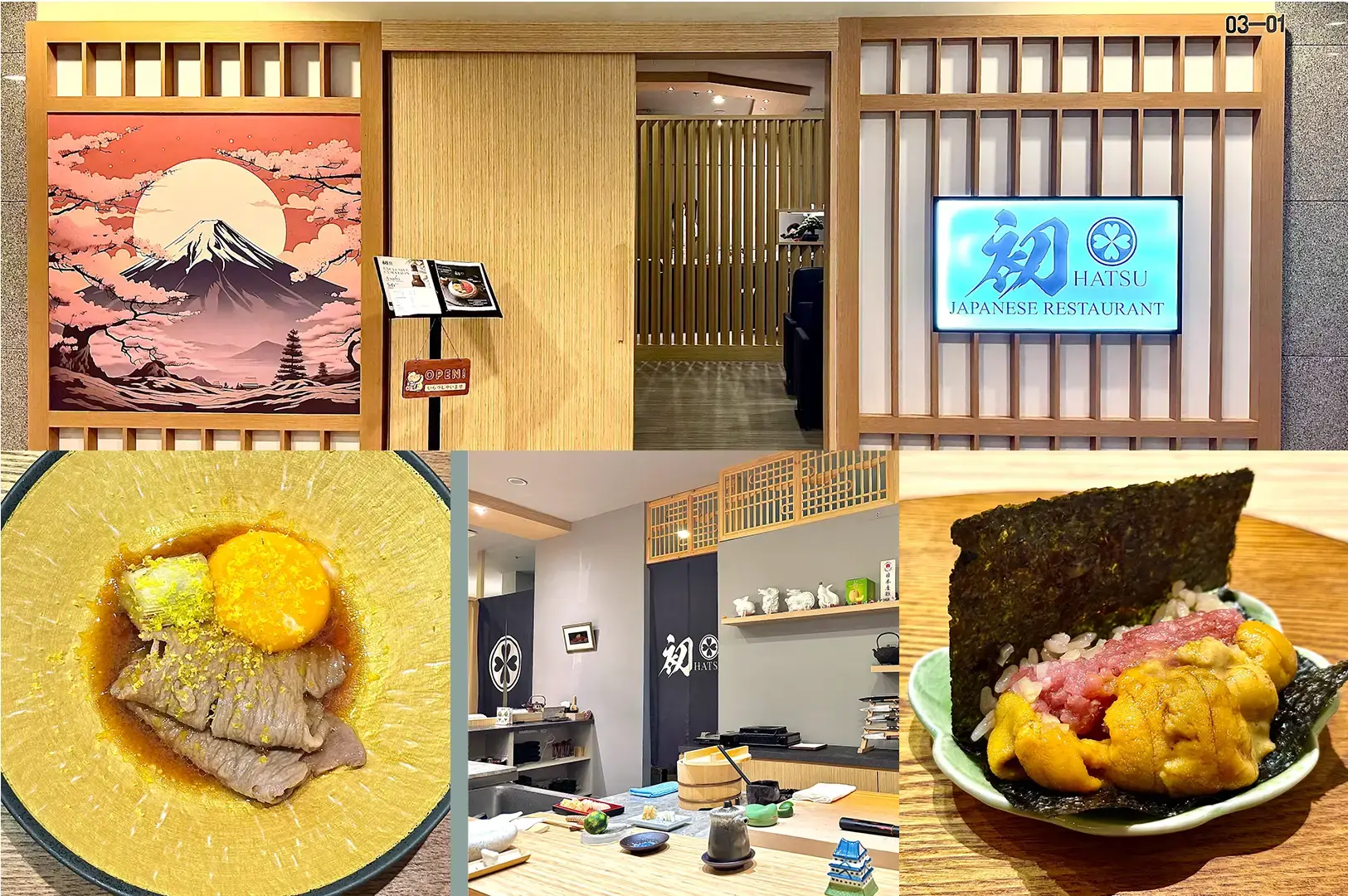
Where: 36 Newton Road #03-01, Hotel Royal
Nearest MRT: Novena
Lunch: Hanami at S$90++
Counter: 10 seats plus a private room
Hatsu is quieter in spirit. The restaurant describes itself as an intimate Edomae-style omakase restaurant centred on seasonality, precise technique and premium seafood. Its ten-seat sushi bar is deliberately small, with another private room for six.
The current lunch omakase courses begin with Hanami at S$90++. That menu includes an appetiser, chawanmushi, seven pieces of sushi, an uni-ikura rice bowl, soup and dessert. Hatsu’s larger lunch menus rise to S$120 and S$180, while dinner currently begins at S$168. I remember eating here on a slow afternoon when the room seemed to narrow around the counter.
There was little competing for attention beyond the knife against the board, the small click of a bowl being set down and the soft movement of rice between the chef’s fingers. Sometimes the absence of spectacle becomes its own luxury.
The Best Value For
Hatsu makes seasonality explicit. Its menu changes with seasonal availability, and the restaurant says seafood and other seasonal produce are selected to reflect what is at its peak. That can mean cured kohada with its oily brightness sharpened by vinegar, torched kinmedai melting against red-vinegar rice, or creamy uni wrapped with crisp nori.
The Main Plot: Hatsu is best for diners who want a quiet, intimate omakase meal with traditional Edomae leanings. It also suits conversations where you want the food to command attention without the room demanding it.
Lost the Plot: Avoid it if S$80 is an absolute ceiling or if quantity is your primary measure of value. The appeal here is pacing, seasonal ingredients and quiet precision rather than sheer number of courses.
5. Sushi Jin: An Omakase Restaurant for Orchard Convenience
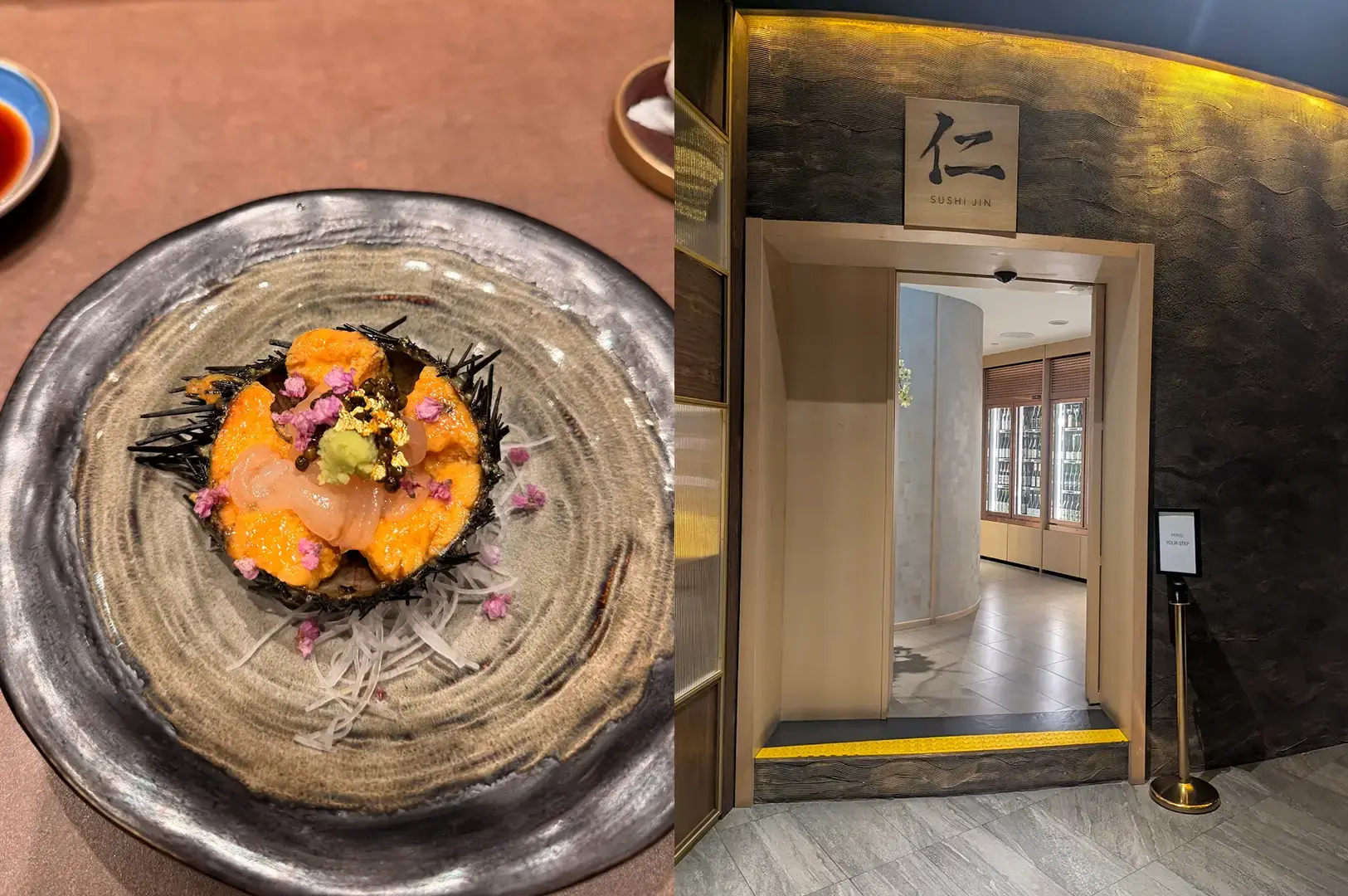
Where: Shaw Centre, 1 Scotts Road #03-07
Nearest MRT: Orchard
Lunch Kaze: S$88
Other omakase options: From S$88 upward
Sushi Jin is the practical Orchard answer. Backed by the Les Amis Group, the restaurant explicitly positions itself between mass-market Japanese dining and more expensive fine dining. Its current concept places a refined omakase counter beside a more relaxed space for donburi and other à la carte dishes.
That division matters. Not everyone at the table has to commit to the same omakase course, which makes Sushi Jin easier to use for families, colleagues and mixed groups than many specialist Japanese restaurants.
Current listings show the lunch-only Kaze at S$88, with an appetiser, eight pieces of sushi, tamago, soup and dessert. Other options include omakase and sushi menus around S$88 to S$138, with more expensive premium versions above them.
The Best Value For
Sushi Jin’s strongest asset is flexibility. Premium ingredients arrive from Toyosu Market several times weekly, yet the restaurant still leaves space for donburi, à la carte seafood and miso soup rather than forcing every diner into a fixed tasting sequence. Its daily opening hours also make it one of the easier restaurants here to fit around an Orchard itinerary.
The Main Plot: Choose Sushi Jin when location, menu flexibility and an accessible Orchard dining experience matter alongside the sushi. It is particularly useful when one person wants omakase and another does not.
Lost the Plot: Avoid it if you want the smallest possible counter, total immersion or the lowest entry price. Its advantage is versatility, not monastic focus.
6. Sushidan: Affordable Omakase Without the Ceremony
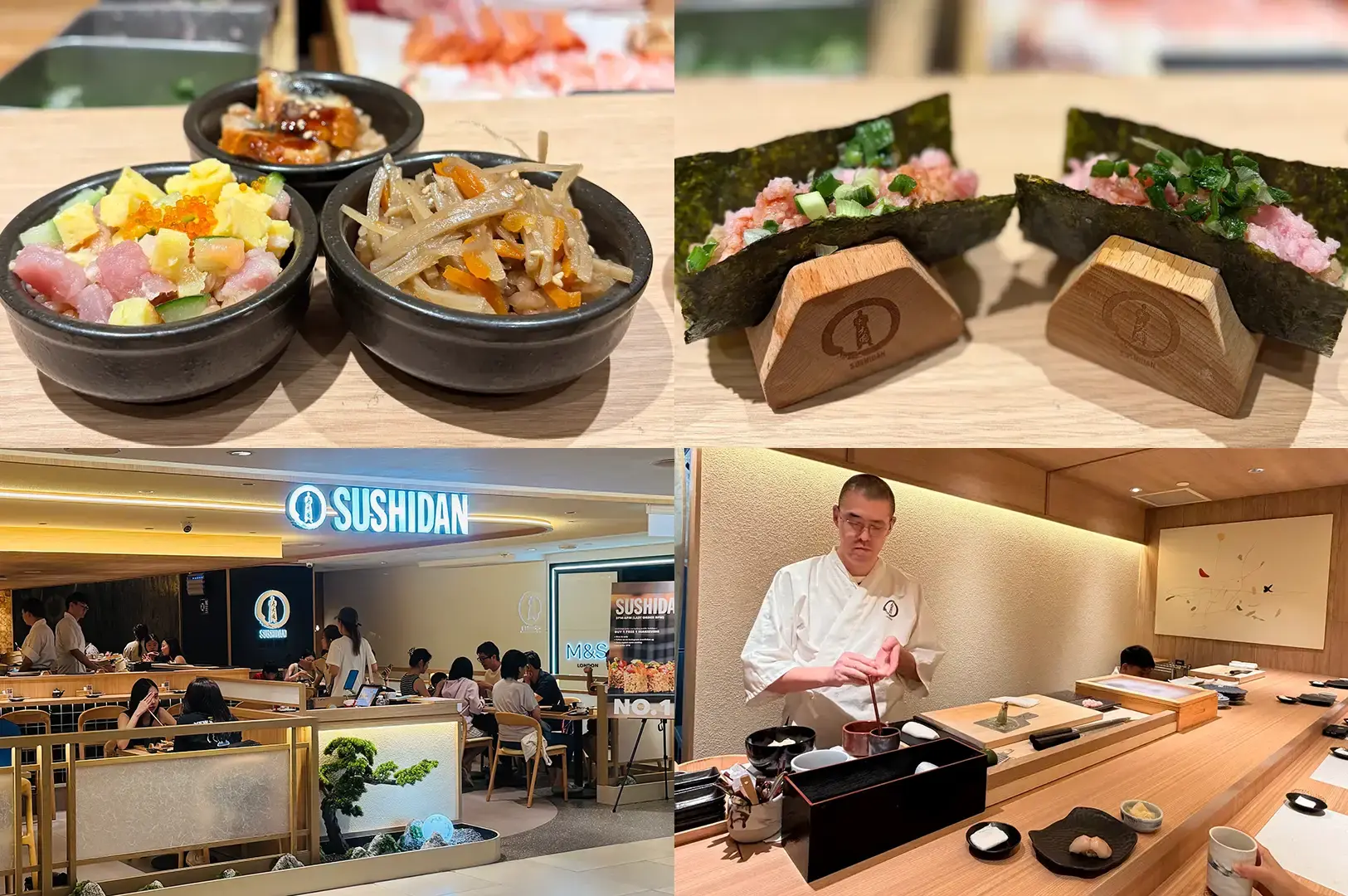
Where: Raffles City Shopping Centre and Parkway Parade
Entry omakase: From S$19.90
Style: Casual, fast and sushi-led
Sushidan changes the argument. Its Singapore stores offer omakase sets from S$19.90, alongside à la carte sushi from S$1.99 and handrolls from S$3.99. Its second Singapore outlet opened at Parkway Parade in September 2026.
That makes it difficult to write that meaningful omakase cannot exist below S$50 anymore. But the comparison needs context. The S$19.90 meal is not a miniature version of a two-hour premium sushi dinner. Recent reporting describes a compact progression with nigiri, a handroll, seasonal small rice cups, chawanmushi and miso soup.
The dining time is shorter. The format is casual. The sense of ceremony is lighter. That is not necessarily a flaw. The Japanese word omakase fundamentally points to leaving the selection to someone else. The luxury conventions surrounding modern omakase are real, but they are not contained in the literal meaning of the word.
The Best Value For
Sushidan tests how far the format can be stripped back while retaining the basic relationship between chef selection and diner trust. For someone who has never had an omakase meal and hesitates at the idea of spending S$100 before service charge, that accessibility matters.
The Main Plot: Pick Sushidan if you want the lowest-cost introduction to chef-selected sushi and do not need a long, ceremonial meal.
Lost the Plot: Avoid it if you expect an exceptional omakase experience to mean two hours of close chef interaction, rare fish, intricate seasonal appetisers and individually calibrated pieces of sushi. Sushidan is intentionally a different proposition.
Other Omakase Dining Experience
The restaurants above answer a narrow question: where can you still get a convincing omakase or sushi-led lunch without immediately crossing into premium pricing? Singapore’s wider Japanese dining scene is larger and messier than that. A few names from the broader omakase in Singapore conversation are worth separating from the core list.
Ganko Sushi
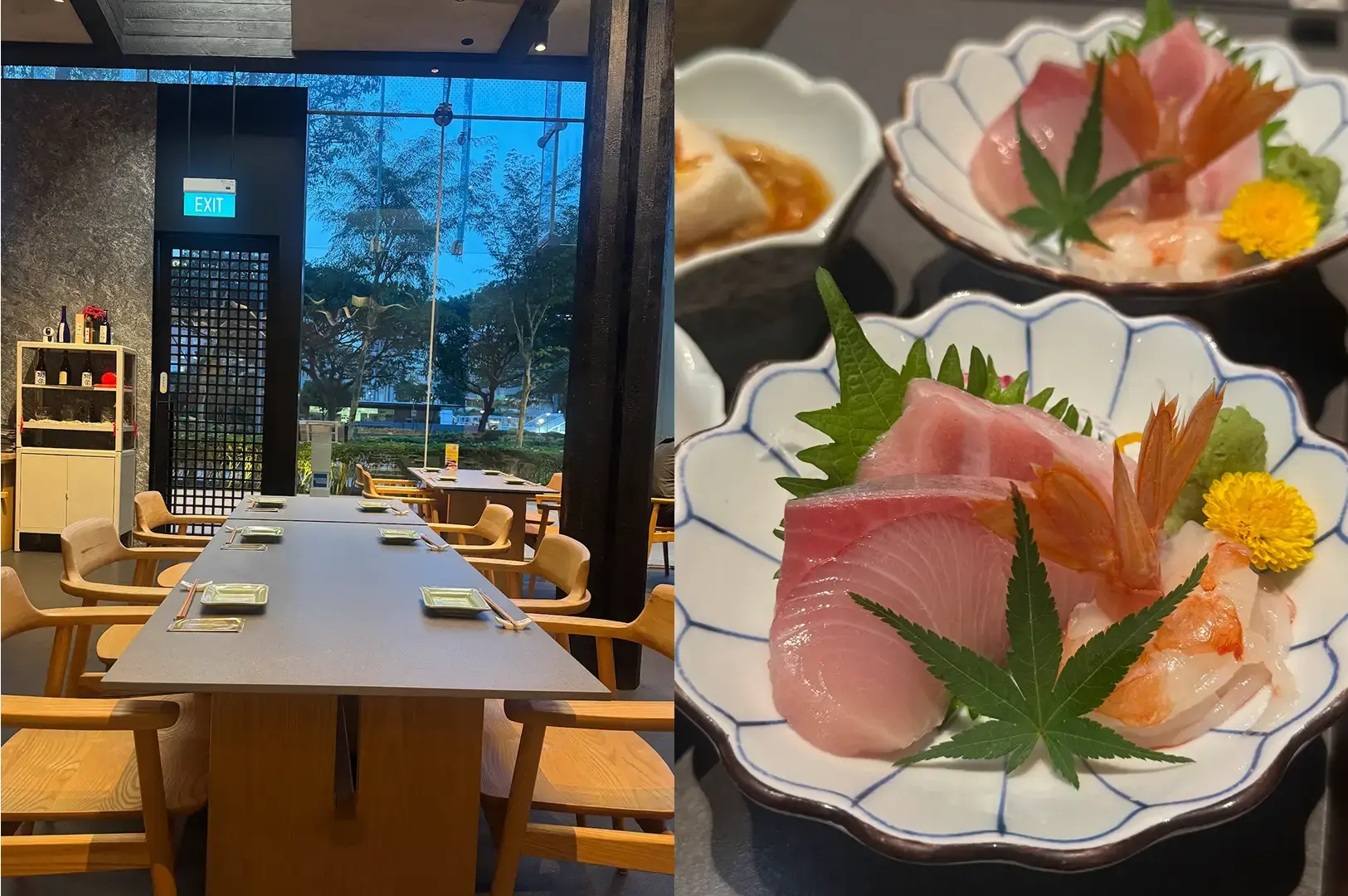
Ganko Sushi traces its history to Osaka in 1963 and operates in Singapore as a broader Japanese restaurant rather than a tiny sushi-counter-only concept. Its current site is promoting an omakase for two, available for a limited period in September and October 2026, built around Japanese seasonal ingredients, premium sashimi, handcrafted sushi and hot dishes.
That makes Ganko useful for diners who want Japanese cuisine beyond a strict sequence of nigiri. It belongs to the affordable-omakase conversation, but the experience is structurally different from Muni or Hatsu.
Moss Cross Tokyo
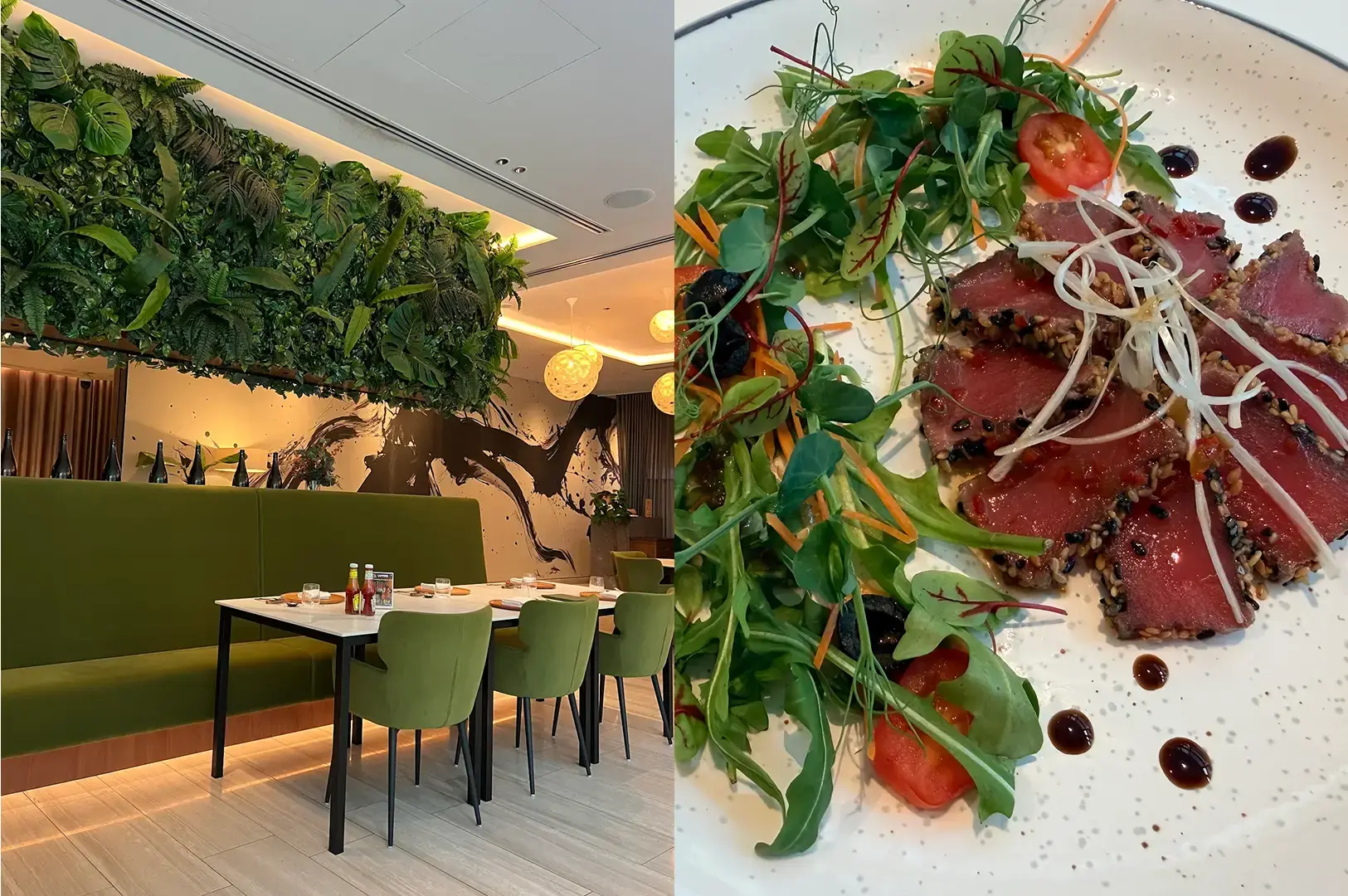
Moss Cross Tokyo, on the second floor of Capri by Fraser China Square, belongs to yet another category. Its concept combines Japanese sensibility with Western, particularly French, culinary technique. Lunch sets are offered during the day, while its current omakase dinner runs Tuesday to Saturday.
Here, the chef takes the diner through a broader gastronomic journey rather than focusing narrowly on sushi. Seasonal produce and Japanese ingredients are interpreted through techniques that move outside the vocabulary of a conventional sushi counter.
What Makes an Exceptional Omakase Experience Worth the Money?
Elsewhere in Singapore, diners can find dramatic signatures such as Sushi Kyuu’s overflowing ikura rice, where glossy orange roe is spooned over rice as part of the meal. Its current Orchard Plaza listing also shows several seasonal omakase options and that signature ikura course.
Other restaurants build value around premium ingredients, wagyu, caviar or increasingly elaborate omakase courses. You may also encounter branded offerings such as a Shiki Omakase, three omakase menus at a single restaurant, or restaurants that separate their lunch sets from far more ambitious dinner options. None of these formulas guarantees exceptional food. What matters more is whether the progression makes sense.
A good omakase menu features contrast without chaos: cool sashimi before warm dishes, oily fish balanced by acidity, crisp nori served before it softens, and perhaps dessert finishing on a sweet note rather than another burst of richness. If you want to compare these affordable counters with broader sushi restaurants where technique, rice, and fish quality matter most, we have Singapore Sushi Stories for that.
Lunch Seatings: The Smartest Dining Time
Start with lunch.
The affordable side of omakase in Singapore remains heavily shaped by lunch seatings and shorter daytime menus. The counter may be the same. The chef may be the same. The fresh ingredients, careful knife work and warm rice may be the same.
What usually changes is the ambition and length of the meal. Take the weekday afternoon seat. Sit at the counter if you can. Watch the chef lift the rice while it is still warm and place cool fish over it. Notice the faint vinegar rising from the shari, the clean resistance of squid, the soft fat of tuna, the sudden crackle of nori around a handroll.