
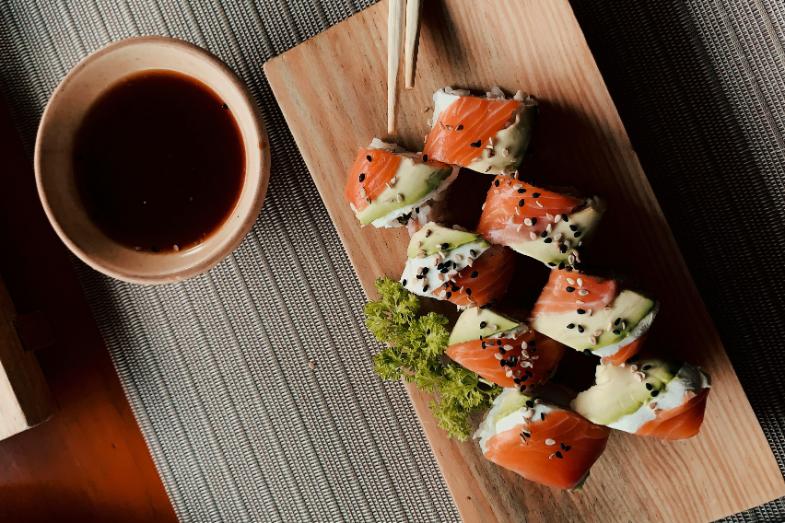
Fusion Revolution: Singaporean-Japanese Sushi Styles
Singapore is a culinary crossroads, a place where flavors from around the world meet, mingle, and create something entirely new. This vibrant spirit of innovation has profoundly shaped every cuisine that arrives on its shores, and sushi is no exception. The precise, centuries-old art of Japanese sushi making has been embraced and reinterpreted, leading to a fusion revolution. This convergence of Japanese discipline and Singaporean creativity has given birth to a unique culinary identity, crafting some of the best sushi experiences imaginable. Today, the landscape of sushi restaurants in Singapore is a testament to this beautiful collaboration, offering a dynamic and delicious take on Singapore sushi. In addition to traditional sushi, many establishments now offer an exciting addition of new menu items such as sides, set meals, and other supplementary dishes to cater to a wider range of tastes.
This article tells the story of that fusion. We will journey through the history of sushi in Singapore, explore the exciting ways it has blended with local tastes, and celebrate the chefs and establishments that are pioneering this movement. Many restaurants also feature a seasonal menu, highlighting exclusive dishes made with the freshest seasonal ingredients to keep the dining experience fresh and exciting.
From Tradition to Transformation: A Brief History of Sushi Restaurants
The story of sushi in Singapore began quietly. In the latter half of the 20th century, the first Japanese restaurants opened their doors, primarily serving a growing community of Japanese expatriates. These establishments were bastions of tradition, offering an authentic taste of home with ingredients flown in directly from Japan. For most locals, sushi was an exotic and unfamiliar concept. The idea of eating raw fish was a culinary curiosity rather than a dining staple. Over time, some of these pioneering establishments have since closed, reflecting the changing landscape of Japanese dining in Singapore.
The turning point came in the 1990s and early 2000s. As Singapore’s economy flourished and its population became more globalized, so did its palate. The introduction of conveyor belt sushi chains, such as Genki Sushi, made the cuisine more accessible, affordable, and less intimidating. Suddenly, sushi was no longer confined to exclusive restaurants; it was a fun, casual meal for everyone. This widespread adoption paved the way for the next phase of its evolution. Local chefs and restaurateurs began to see the potential for innovation, asking a simple yet revolutionary question: What happens when the art of Japanese sushi meets the bold flavors of Singapore?
The Fusion Movement: Where Japanese Technique Meets Singaporean Soul

The Singaporean-Japanese fusion movement is defined by its playful creativity and deep respect for both culinary traditions. It is not about simply adding a local ingredient to a sushi roll; it is a thoughtful process of balancing textures, flavors, and techniques to create something harmonious and new. Fusion chefs often incorporate premium sushi and premium sashimi into their creations to elevate the dining experience, highlighting the quality and freshness of the ingredients. Luxurious ingredients like uni are sometimes featured in fusion sushi rolls or sashimi platters, adding an extra layer of sophistication and appeal.
A Symphony of Local Ingredients and Fresh Seafood
The most visible expression of this fusion is the incorporation of iconic Singaporean flavors. Chefs have ingeniously woven the essence of local dishes into the fabric of sushi. The best fusion creations always start with fresh sushi as the foundation, ensuring authentic taste and quality. Imagine a maki roll filled with succulent chili crab meat, its sweet and spicy notes perfectly balanced by the vinegared rice. Picture a delicate piece of aburi sushi, its surface lightly seared and glazed with a sauce reminiscent of satay peanut gravy or the fragrant coconut-and-spice blend of laksa. These fusion dishes are often served on beautifully arranged plates, enhancing both the visual appeal and the overall dining experience. These creations are more than just novelties; they are a delicious tribute to Singapore’s multicultural heritage.
Blending Culinary Worlds
The fusion extends beyond ingredients to the techniques themselves. Some chefs might use the French sous-vide method to achieve a perfect texture in their octopus before slicing it for sashimi, a nod to Singapore’s diverse European culinary influences. Others might incorporate wok-frying techniques to create crispy elements that add a surprising textural contrast to a soft sushi roll. Chefs may also craft a standout handroll by blending traditional Japanese preparation with local Singaporean flavors, offering a unique take on this classic dish. This blending of methods showcases a deep understanding of multiple culinary disciplines and a willingness to break from convention to achieve the best sushi possible.
Signature Creations, Chef Innovations, and Curated Dining Experience
Many notable sushi restaurants in Singapore have become famous for their signature fusion dishes. These creations are often the result of a chef’s personal journey and inspiration. A chef might draw inspiration from their grandmother’s Peranakan cooking, leading to a maki roll with hints of tamarind and blue pea flower-infused rice. Another might be inspired by the smoky aroma of a hawker center, creating a seared fish dish that captures the essence of “wok hei.” These innovations are deeply personal yet universally appealing, offering a taste of Singapore sushi that is both unique and familiar.
What Defines the “Best Sushi” in Singapore?

In the context of this fusion revolution, the definition of the best sushi expands beyond traditional metrics. While the fundamental principles of Japanese cuisine remain paramount, new criteria emerge.
- Freshness is King: This is a non-negotiable pillar. Whether traditional or fusion, the quality of fresh seafood flown in and other premium ingredients must be impeccable to create exquisite sushi.
- Technical Skill: The chef’s mastery over the basics, such as preparing the perfect shari (sushi rice) and slicing the fish with precision for nigiri sushi and assorted sashimi, is essential. The rice must be seasoned correctly, have the right texture, and be served at the proper temperature alongside complementary elements like miso soup and hot noodles.
- Creativity and Balance: This is where fusion truly shines. A successful fusion dish is not a chaotic mix of flavors. It is a well-balanced creation where each element complements the others. Many restaurants offer a curated menu featuring both traditional and fusion options, allowing diners to explore a variety of tastes. The goal is to satisfy the palate by enhancing, not overpowering, the natural taste of the core ingredients.
- Presentation: We eat with our eyes first. The aesthetic appeal of the dish, from the colors to the plating, plays a crucial role in the overall dining experience, making every meal feel like a special celebration. Pricing is often specified per person, helping diners understand the value of each course.
- The Authenticity of Innovation: The best fusion sushi feels authentic in its own right. It tells a story and reflects a clear culinary vision. It is the balance between honoring Japanese tradition and celebrating Singaporean identity that sets these creations apart, making them a trendy choice for lunch or dinner at sushi restaurants across various locations. Many places also feature day-specific menus or promotions, especially during lunch hours, to attract daytime diners.
A well-rounded sushi meal typically includes an appetiser to start, a variety of sushi and sashimi, and a sweet dessert to round off the experience. Family-friendly dining options are widely available, with kid-friendly platters and casual settings suitable for all ages, making sushi accessible for the whole family.
Whether you opt for an omakase experience or a casual sushi roll delivered to your home, the best sushi in Singapore continues to evolve, with each dish offering a unique choice that reflects both previous influences and new inspirations. Don’t hesitate to place an order for your favorite sushi and enjoy the fresh flavors and innovative dishes that these restaurants have to offer.
Notable Establishments Leading the Charge

The fusion movement is thriving in various sushi restaurants in Singapore, from accessible eateries to exclusive omakase counters. Notable establishments like Tomi Sushi are known for authentic Japanese dining, seasonal sushi deals, and ongoing promotions that attract discerning customers. Some restaurants, such as those located in the UBS Building, offer added convenience for diners seeking quality sushi experiences in recognizable locations. Here are a few that exemplify this exciting trend.
For Creative Omakase Experiences
Some high-end restaurants have embraced fusion as part of their omakase menus. Chefs at these establishments use their platform to showcase innovative pairings and techniques. You might find a traditional nigiri course followed by a creative dish that incorporates Southeast Asian herbs or spices. These places offer a curated journey that highlights the exciting possibilities of Singapore sushi, proving that innovation and luxury can go hand in hand.
For Modern Maki, Inventive Rolls, and Seasonal Menus
Many mid-range restaurants are hotbeds of fusion creativity. These establishments are known for their extensive menus of inventive maki rolls. Chefs often use ingredients at their peak season to craft unique flavor combinations, ensuring each roll highlights the freshness and limited availability of seasonal produce. They are not afraid to experiment with bold flavors, textures, and presentations. Here, you will find the now-famous “shiok” maki, often featuring seared salmon topped with creamy mentaiko and tobiko, or rolls that incorporate ingredients like avocado, cream cheese, and crispy tempura flakes, all tailored to the local palate.
Accessible Everyday Fusion
Even at the most accessible level, the influence of fusion is clear. Takeaway sushi kiosks and casual dining spots often feature rolls with a local twist, such as chicken floss toppings or sauces inspired by popular Singaporean dishes. These options make the fusion experience available to everyone, integrating it into the daily culinary life of the city.
Be sure to check the menu or daily specials at these accessible sushi spots to discover unique fusion creations.
The Revolution Continues

The fusion of Singaporean and Japanese culinary traditions is more than just a passing trend; it is a dynamic and ongoing conversation. It represents the very essence of modern Singapore: a confident, forward-thinking nation that honors its heritage while fearlessly embracing the future. This culinary movement has created some of the best sushi in the world, offerings that are as unique and diverse as the city itself.
Many of the top sushi restaurants are located in the heart of Singapore, making them easily accessible for both locals and visitors. Some venues even offer the chance to dine under the sun, with rooftop or outdoor spaces that provide a bright and scenic atmosphere to enhance your Japanese dining experience.
The story of Singapore sushi continues to unfold, with a new generation of chefs bringing their own perspectives and ideas to the table. As you explore the many sushi restaurants in Singapore, you are not just having a meal; you are tasting a piece of a living, evolving culinary culture. It is a delicious revolution, and everyone is invited to take a bite.
For more recommendations and dining inspiration, read our guide to the best sushi spots and Japanese sushi restaurants in Singapore.