
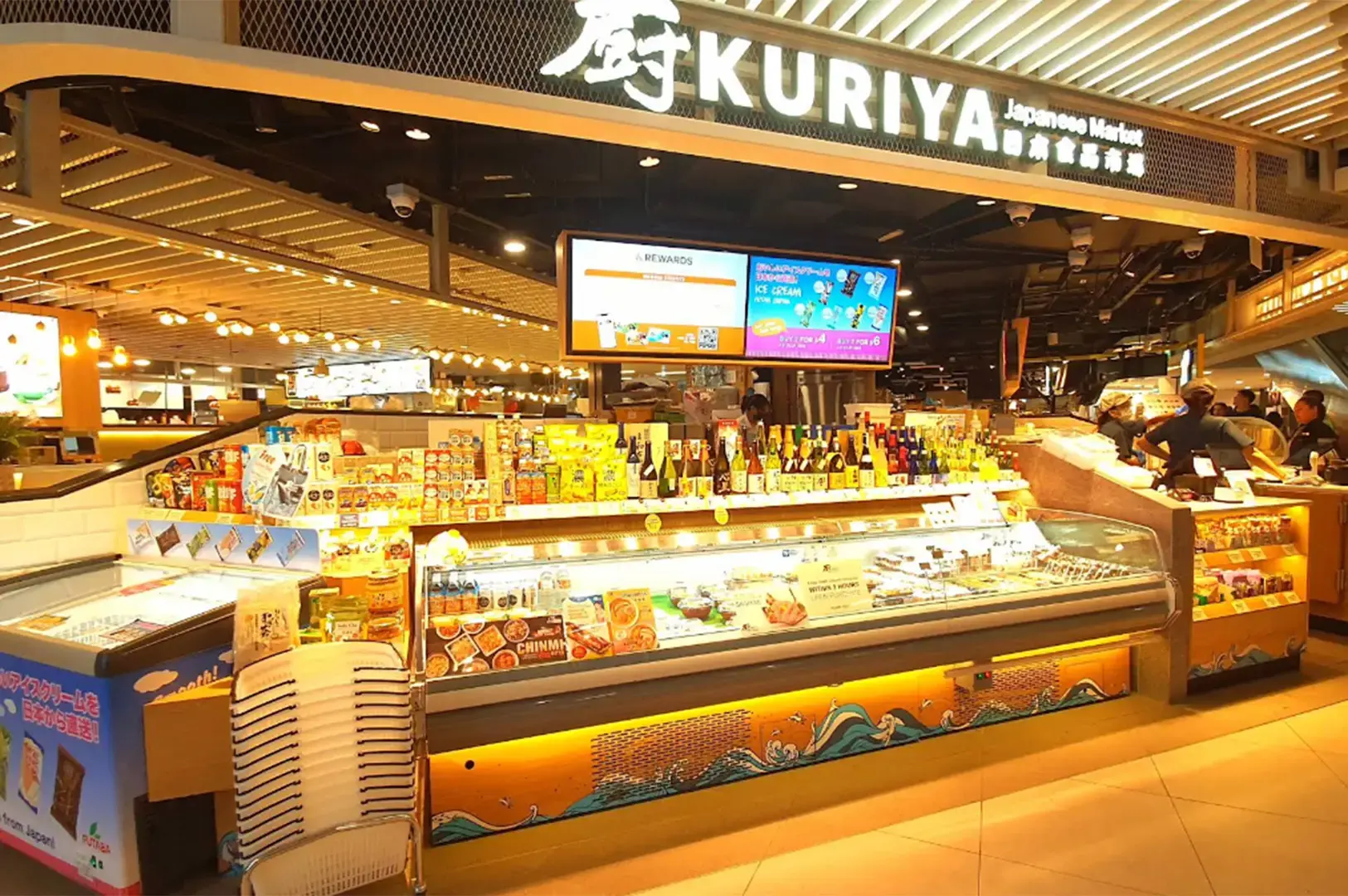
Kuriya Japanese Market Jurong Point: When Sushi Leaves the Restaurant and Goes Home
There’s a moment I keep coming back to. You stand in front of a chilled display case, the cold light catching on rows of salmon and tuna, and you make a quiet decision. No chef across a counter. No plate sliding toward you. Just you, a plastic tray, and the walk home ahead.
That’s the whole story of take-home sushi. And Kuriya Japanese Market Jurong Point is one of the best places in the west to learn it.
Tucked in the basement food zone at 1 Jurong West Central 3, #B1-77, Jurong Point, it’s less a restaurant and more a Japanese market. You’ll find ready-to-eat sushi boxes, sashimi trays, party platters, imported groceries, sake, and seafood air-flown from Japan a few times a week. The counter disappears here. What replaces it is the quiet responsibility of choosing well.
Why Take-Home Sushi Is a Different Meal
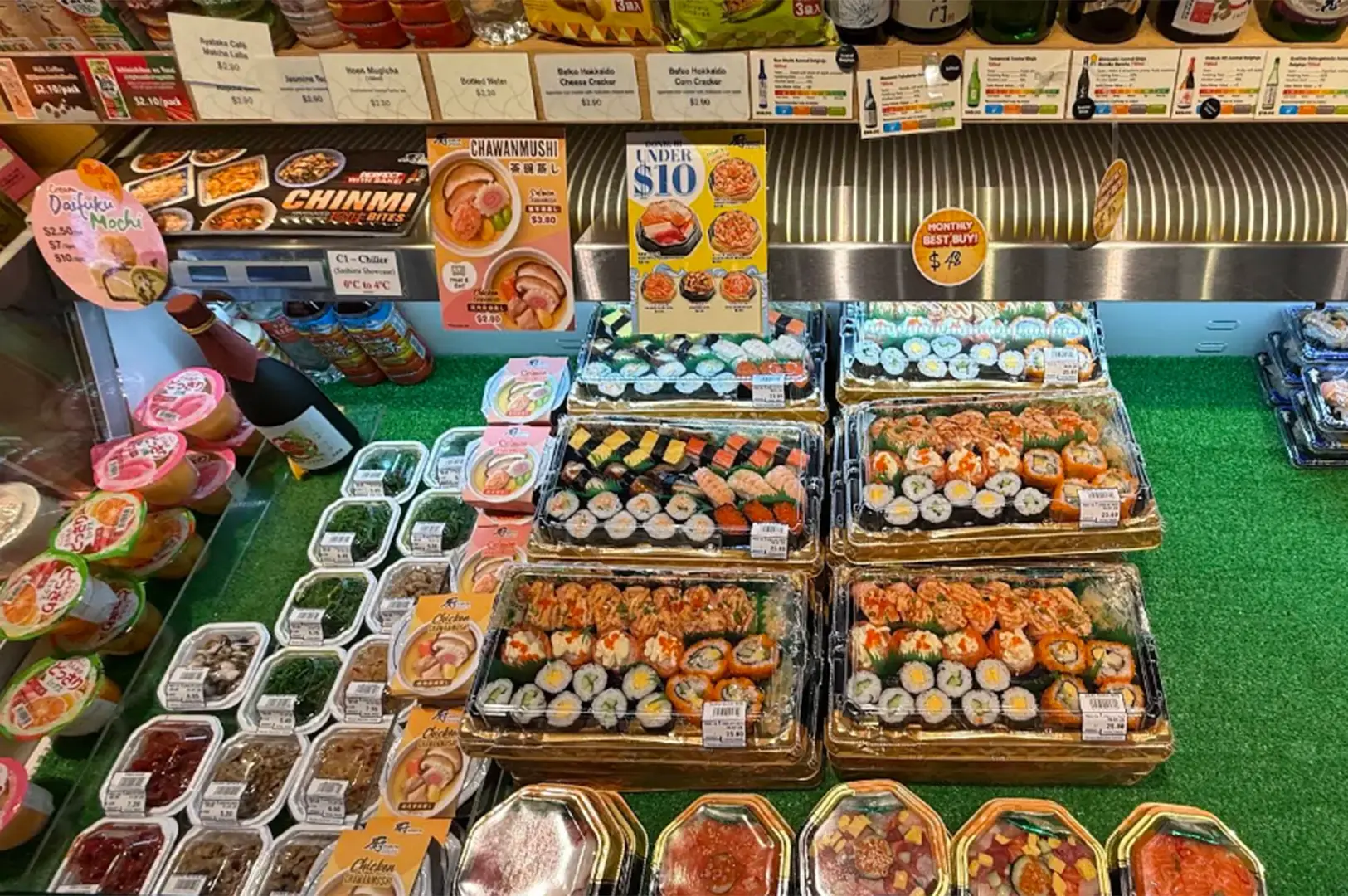
Here’s the thing most people miss. Take-home sushi isn’t worse than restaurant sushi. It’s just different, and it behaves by different rules.
Unlike the curated omakase experience at premium restaurants, take-home sushi follows its own unique set of rules and charm. For those seeking the refined artistry of omakase, Singapore Sushi Stories offers excellent highlights.
The Role of Rice and Fish in Take-Home Sushi
At a counter, the rice reaches you warm or at room temperature, the fish moments from being cut. The whole meal is built around immediacy. But the second sushi goes into a chilled pack, the clock starts, and time begins to change everything.
- Rice Texture: Rice is the first to tell on you. Cold firms it up, especially after refrigeration. That soft, yielding texture you love at a restaurant turns denser, a little tighter.
- Fish Flavor: Cold also protects the fish, which is exactly what you want for safety, but very low temperatures mute aroma and flavor. The fish tastes cleaner and cooler, but less expressive.
At Kuriya Japanese Market, the premium fish and seafood are air flown directly from Japan, ensuring freshness even in take-home formats. Alongside fresh sushi, the market also stocks a variety of frozen foods and condiments, making it a true one stop shop for Japanese culinary needs.
So when I judge a Kuriya tray, I don’t measure it against omakase. That’s not a fair fight. I ask a simpler set of questions: Was it fresh? Clearly labeled? Chilled? Neatly packed? Eaten within a sensible window? That’s the honest scorecard for market sushi.
What to Look for Before You Buy
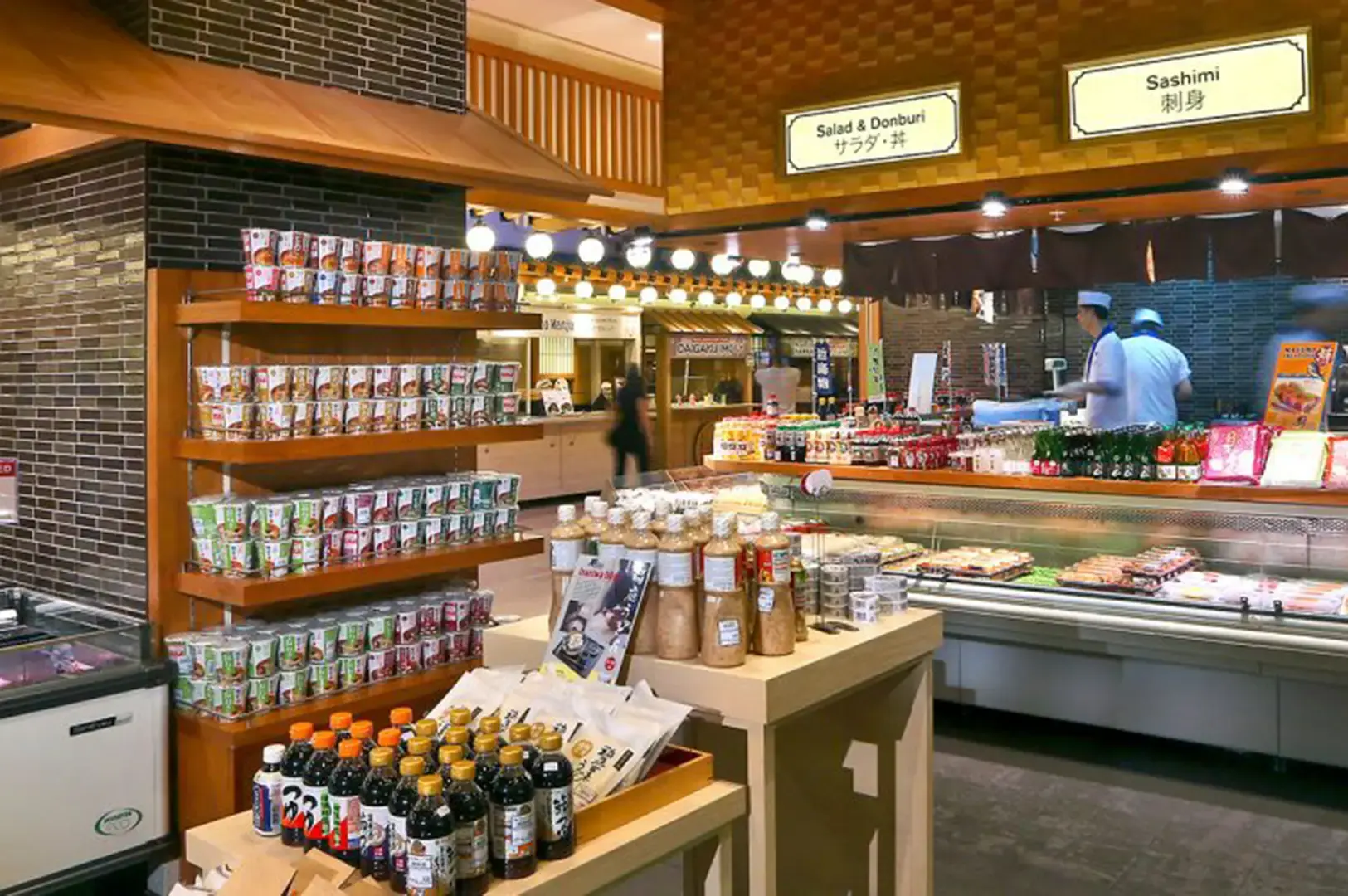
Before anything reaches your basket, look closely. The display case tells you almost everything.
Key Factors to Check
- Fish gloss: Good salmon, tuna, or scallop should look moist and clean, catching the light. Dry, dull, or graying edges are a quiet warning.
- The label: Check for packing time, use-by time, item name, and storage instructions. If the labeling isn’t clear, ask staff before you commit to raw fish. This is non-negotiable.
- Rice condition: Nigiri rice should hold together without looking mashed or crumbly. If it already looks cracked or dry through the lid, it’s been sitting.
- Excess liquid: A little moisture is normal. Cloudy liquid pooling around the fish is not.
- The pack itself: Pieces shouldn’t be crushed, shifted, or leaking. Heavy condensation inside the lid can mean the tray has seen temperature swings or simply sat too long.
Sushi tip: Trust your nose the moment you open a pack at home. Clean, faintly oceanic is good. A sour or sharp fishy smell means stop — don’t reach for the soy sauce to mask it.
If the fish smells sour, the pack is damaged, the label is missing, or you know you can’t chill it soon, skip that tray. There’s no shame in walking away.
The Journey Home Matters More Than You Think
This is where Singapore heat rewrites the rules. Sushi that would happily travel five or ten minutes becomes a gamble after an hour in a warm bag.
Tips for Transporting Sushi Safely
- At Kuriya Japanese Market Singapore outlets, including those at Northpoint City, NEX, Waterway Point, and Great World, it’s tempting to grab your sushi first and keep shopping. Don’t. Buy raw fish last, right before you leave.
- Keep the tray flat and upright. This matters most for chirashi, sashimi trays, and anything with separated sauces or garnish. A sideways tray means shifted fish and soy running everywhere by the time you open it.
- Common mistake: Leaving sushi in a warm car or dangling in a shopping bag while you finish errands. The fix: treat it like ice cream. Straight home, straight to the fridge, or bring a small ice pack if you’re heading far west toward Lakeside or Pioneer.
From Jurong Point, most journeys run through the Boon Lay transport node. If your ride home is short, you’re fine. If it stretches longer, an ice pack turns a risky trip into an easy one.
How to Eat It Better at Home
Take-home sushi becomes so much more when you give it a little ceremony. The counter disappeared, but the ritual doesn’t have to.
Learn more about the essential condiments like wasabi, ginger, and soy sauce to elevate your sushi meal at home: https://singaporesushistories.com/sashimi-wasabi-ginger-soy-sauce/
Setting the Table and Eating Order
Before you open the lid, set the table: a clean plate, a small dish for soy sauce, chopsticks, the ginger and wasabi laid out. This one small act turns “eating from plastic” into an intentional meal.
Now, eating order:
- Start with the sashimi and the plainest nigiri first, while they’re at their coolest and cleanest.
- Save the sauced or fried items, like anything with mentaiko mayo or a soy glaze, for later. Those hold up better to sitting.
Handling Rice and Seaweed
Let me be honest about the rice. If it’s firmed up in the cold, don’t fight it. Give the tray ten to fifteen minutes out of the fridge before eating, and it softens a little. Not restaurant-soft, but closer.
And the seaweed? Maki and handrolls suffer fastest. Nori goes soft and chewy in a chilled pack. If crisp seaweed matters to you, eat those pieces first, or lean toward nigiri, sashimi, and chirashi-style boxes, which travel far more gracefully.
Sushi tip: Dip fish-side down, never rice-first. Rice soaks up soy like a sponge and falls apart. A light touch on the fish is all you need — you’re seasoning, not drowning.
Jurong Point and the Everyday Sushi Habit
Here’s what I find quietly lovely about Kuriya Japanese Market Jurong Point. It fits the rhythm of the west.
You weren’t planning a sushi dinner. You came for groceries, or you’re heading home after a long day, and you walk past the basement food zone. A sashimi tray catches your eye. Suddenly, dinner is decided.
That’s sushi in a heartland-mall rhythm. Folded between errands, carried past the commuters, eaten at a kitchen table with packet soy sauce. It solves a very local problem: Japanese food without the queue, the booking, or the service charge.
For families, the market format is a gift. Not everyone at the table eats raw fish, so you can mix a sashimi platter with tamago, karaage, grilled items, and cooked bento. Something for the child, something for the purist, all from one stop.
What’s lost in ceremony is gained in privacy. Your table, your pace, your evening.
Savour the Variety of Kuriya Japanese Market Locations

Beyond Jurong Point, Kuriya Japanese Market serves as a one stop shop for Japanese food lovers across Singapore, with outlets at Great World, Northpoint City, Waterway Point, and NEX. Each location offers a variety of fresh and frozen foods, from premium fish to pantry staples and condiments, all air flown directly from Japan.
Many fans enjoy picking up their sushi alongside weekly groceries during the Times Weekly shopping trips. And for those who prefer a relaxed weekend vibe, visiting on Sunday means a quieter experience with freshly prepared sushi ready to savour.
This network of outlets makes Kuriya Japanese Market a convenient and reliable destination for authentic Japanese ingredients and ready-to-eat delights, fitting seamlessly into busy Singapore lifestyles.
The Great World Experience
At the Great World outlet, Kuriya Japanese Market elevates the take-home sushi experience with a curated selection of premium fish and seasonal specialties. The market balances the convenience of frozen foods with the freshness of daily imports, ensuring that every sashimi slice and nigiri piece carries the subtle oceanic aroma and silky texture that sushi lovers crave.
Shopping here is a pleasure: alongside sushi, you’ll find an extensive array of condiments like artisanal soy sauces, wasabi pastes, and pickled garnishes, allowing you to customize your meal at home. The market’s layout encourages exploration, making it easy to discover new flavors and ingredients that complement your sushi feast.
Whether you’re heading home from a day at Great World or stopping by on your way to dinner, Kuriya Japanese Market offers a sensory journey into Japanese culinary tradition, right in the heart of Singapore.
Mastering Take Home Sushi
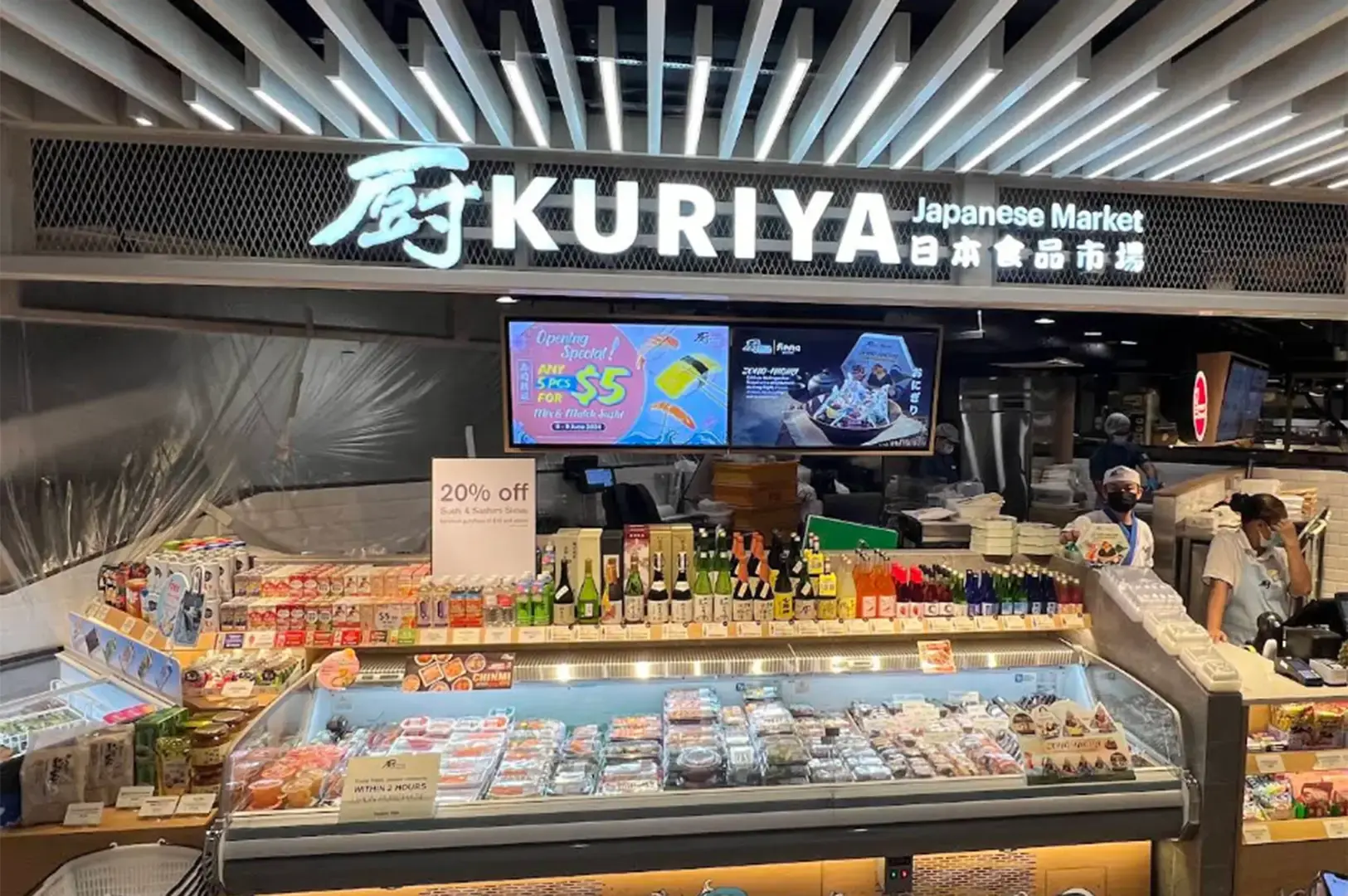
Take-home sushi was never meant to be restaurant sushi. It’s a different kind of dinner, and once you understand its quiet rules, it rewards you honestly.
Buy it last. Carry it flat. Eat it soon. Do those three things, and the tray you carried home from the cold light of the display case becomes something worth sitting down for.