
Navigating Your First Omakase Singapore Experience: A Sushi Lover’s Adventure
Have you ever walked past a quiet, intimate Japanese restaurant and wondered about the magic happening inside? The hushed reverence, the focused chef, the beautifully presented morsels of food. This is the world of omakase, a dining experience that has captivated food lovers across the globe. For many, it represents the pinnacle of Japanese cuisine, a mysterious yet alluring ritual. If you have been curious but hesitant to take the plunge, you are in the right place. The omakase Singapore scene is booming, offering a gateway into this exceptional dining style. This comprehensive guide will demystify the process, boost your confidence, and prepare you to fully embrace your first omakase adventure.
What is Omakase? Understanding the Concept at an Omakase Restaurant
At its core, “omakase” is a Japanese phrase that translates to “I’ll leave it up to you.” It signifies a profound trust between you and the sushi chef, or itamae. Instead of poring over a menu, you are surrendering the reins and allowing the chef to guide you on a culinary journey. This is the ultimate omakase dining experience principle. The chef presents a series of carefully prepared dishes based on the freshest, most exceptional seasonal ingredients available that day, many of which are air flown directly from Japan, including the renowned Tokyo Toyosu Market.
This approach distinguishes omakase from typical à la carte dining at other Japanese restaurants. An omakase meal is a dynamic performance, a story told through seasonal ingredients and the chef’s artistry. The menu is not fixed; it evolves daily, reflecting the chef’s expertise, creativity, and the day’s best catch from the market. Omakase menus are thoughtfully curated to highlight the finest seasonal ingredients and are often personalized to enhance each guest’s unique dining experience. This trust-based relationship transforms a meal into a personal and memorable sushi experience that highlights the freshness and quality of each ingredient.
Choosing the Right Omakase Restaurant in Singapore

Singapore offers a variety of omakase restaurants, each with its unique style and specialty. Whether you prefer a seafood-only menu or one that includes premium meat cuts, there is an option for every palate. It’s helpful to read an omakase review before making your choice. Reviews provide insights into the chef’s skill, the quality of ingredients, and the overall dining experience. One notable restaurant is Suzuki, known for its exquisite craftsmanship and authentic Japanese ambiance. Exploring different venues can enhance your appreciation of the art behind omakase dining.
What to Expect When You Eat Sushi at Your First Omakase
Your first omakase experience will feel special from the moment you step inside. Most omakase restaurants feature an intimate counter seating arrangement, often with just 8-12 counter seats. This setup is designed to create a close connection between the chef and the diners, allowing you to watch the chef’s meticulous and graceful movements as they prepare each dish with precision and passion. Some restaurants also offer table seating, providing a more traditional dining table setup for groups or those who prefer it. As you dine in this serene and refined atmosphere, you can truly appreciate the artistry and attention to detail that define the omakase experience. It is dinner and a show, all in one. The meal flows at a deliberate, unhurried pace, typically lasting between 1.5 to 2 hours, giving diners ample time to savor each bite and appreciate the delicate flavors.
Here is a quick rundown of what to expect:
- Intimate Setting: Usually 8-12 seats at a counter, sometimes with an option for a private room or table for special occasions or groups.
- Set Progression: The meal unfolds in courses, starting with light appetizers, moving to fresh sashimi, then a series of expertly crafted nigiri sushi, and finishing with a hand roll, soup, and dessert.
- Chef Interaction: The chef is your guide and storyteller, and you are encouraged to engage with them respectfully, asking questions about the seasonal ingredients or the inspiration behind each dish.
- Immediate Consumption: Each piece is served at its peak and should be eaten right away, ideally in one bite, to fully enjoy the intended flavor and texture. To truly enjoy sushi, follow proper etiquette—such as eating with your hands or chopsticks, savoring each piece thoughtfully, and appreciating the cultural significance behind every bite.
Soy Sauce and Sushi Etiquette: Proper Etiquette for Eating Sushi

Navigating sushi etiquette can feel daunting, but it is simpler than you think. These customs are in place to show respect for the chef, the food, and the tradition, and they help diners fully enjoy the omakase experience.
The Wasabi and Soy Sauce Rule
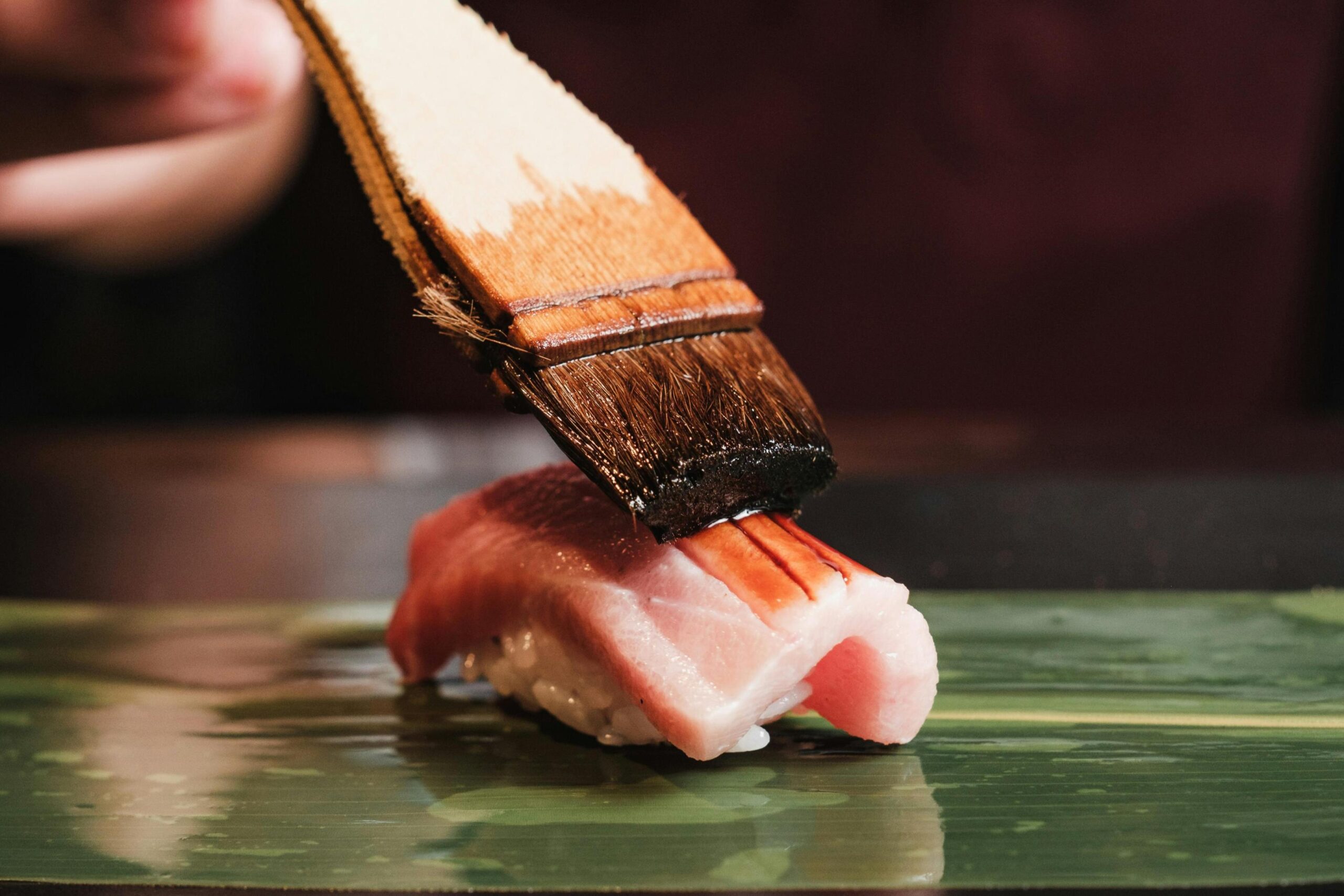
The chef will season each piece of nigiri with the perfect amount of wasabi and a brush of soy sauce. Trust their judgment; you should not need to add more. Avoid adding too much soy sauce or mixing wasabi into your soy sauce bowl, which can overpower the delicate flavors and unbalance the dish. When dipping, always dip the rice side lightly to avoid soaking the rice and causing it to fall apart, preserving the integrity of the sushi.
Chopsticks vs. Hands
For nigiri sushi, it is perfectly acceptable and even traditional to use your clean hands. This allows you to feel the texture and keep the delicately formed rice intact. Use chopsticks for sashimi and other dishes where appropriate.
Eat Sushi in One Bite
Sushi is designed to be eaten in a single bite to fully appreciate the balance of flavors and textures. If a piece feels too large, politely ask the chef to prepare smaller portions next time.
Photography Etiquette
It is best to ask the chef before taking photos. A quick, discreet photo of the food is usually fine, but avoid using flash or taking videos of the chef at work, as it can disrupt the ambiance for other guests.
Respect the Meal’s Pace
Avoid rushing through the courses to fully savor the omakase dining experience. Allow your palate to reset between courses, often aided by the pickled ginger (gari), which cleanses the palate and prepares you for the next flavor.
Understanding What You’re Eating: Savor the Flavors of Seasonal Ingredients and Seafood
Part of the joy of omakase is discovering new flavors and textures. The chef’s selection will take you on a journey, often starting with lighter white fish (shiromi) like sea bream and moving toward richer, fattier fish like tuna (maguro) and yellowtail (hamachi).
You will encounter various types of sushi, primarily nigiri (a slice of fish over rice) and perhaps a temaki (hand roll). The ingredients are hyper-seasonal and may include delicacies such as sea urchin (uni), salmon roe (ikura), and other fresh seafood flown in daily from Japan. Only the highest quality seafood and meat, such as premium cuts of tuna, are selected for their freshness and natural flavors, ensuring every bite is a showcase of top-tier ingredients. Pay attention to the different textures: the firm bite of flounder, the creamy melt of sea urchin, or the satisfying pop of salmon roe. The chef has carefully crafted this progression to highlight the unique qualities of each ingredient, ensuring that every dish offers a new and exciting taste sensation.
This emphasis on freshness and quality is what sets the best omakase apart from other dining options. It is not just about eating sushi; it is about experiencing the artistry and craftsmanship behind each bite. Be sure not to miss the uni (sea urchin) nigiri, a signature highlight that perfectly captures the essence of the omakase experience.
Preparing for Your Omakase Dining Experience: Reservations, Dietary Requirements, and More

A little preparation can make your first omakase meal even more enjoyable.
Reservations are a Must
Due to limited seating and high demand, booking well in advance is crucial for any popular Japanese restaurants in Singapore, especially for omakase. Many restaurants release reservations a month or more ahead of time, so plan accordingly.
Dress the Part
Opt for smart casual attire. You do not need a suit or gown, but you should look put-together to match the refined setting and show respect for the chef and fellow diners.
Communicate Dietary Requirements Early
When you make your reservation, inform the restaurant of any allergies or serious dietary restrictions (e.g., no shellfish, gluten-free). Last-minute requests are very difficult to accommodate, and many traditional places may not be able to cater to vegetarian or no-seafood diets. Being upfront ensures the chef can tailor the menu to your needs without compromising the omakase experience.
Budget Accordingly
Omakase is a premium experience. Prices in Singapore can range from around $80 for an entry-level lunch to over $500 for a top-tier dinner. Decide on your budget beforehand to choose a restaurant that fits your comfort level and expectations.
Omakase Singapore Opening Hours and When to Visit

Most omakase restaurants in Singapore operate primarily for dinner, often from Tuesday to Saturday, with some offering lunch services or private room bookings on Sunday. It is important to check the specific restaurant’s opening hours when making your reservation to avoid missing out on this exquisite dining experience.
Choosing the right day and time can also affect the ambiance. Weekday dinners tend to be quieter and more intimate, while weekends may be livelier with more guests. Planning your visit according to your preference will enhance your overall enjoyment.
Final Tips for Fully Enjoying Your Omakase Experience
To maximize your enjoyment, consider these additional tips:
- Engage Respectfully: Ask the chef about the seasonal ingredients or the inspiration behind each dish but be mindful of other diners.
- Trust the Chef: Remember the essence of omakase is trust. The chef curates the perfect meal, so embrace the surprise and variety.
- Pace Yourself: The meal is designed to be savored slowly. Take your time to appreciate the flavors and textures.
- Be Open-Minded: You may encounter new or unfamiliar ingredients. Approach each with curiosity and an open palate.
Conclusion: Embrace the Art and Flavor of Omakase Dining in Singapore

A Japanese restaurant experience like omakase is more than just a meal; it is an immersive cultural and culinary event. It is a chance to connect with food in its purest form, guided by a passionate artist. While it may seem intimidating at first, omakase is designed to be a delightful and personal journey. We hope this guide has given you the confidence to take the leap. Embrace the element of surprise, trust the chef, and get ready for a sushi experience you will not soon forget. Whether you are a seasoned sushi lover or trying omakase for the first time, this exquisite dining style promises a memorable adventure full of exquisite flavors, artistry, and tradition. For those seeking the finest sushi in Singapore, omakase offers an unparalleled way to enjoy the freshest seasonal ingredients and masterful preparation.