
The Omakase Sushi Chef’s Tools
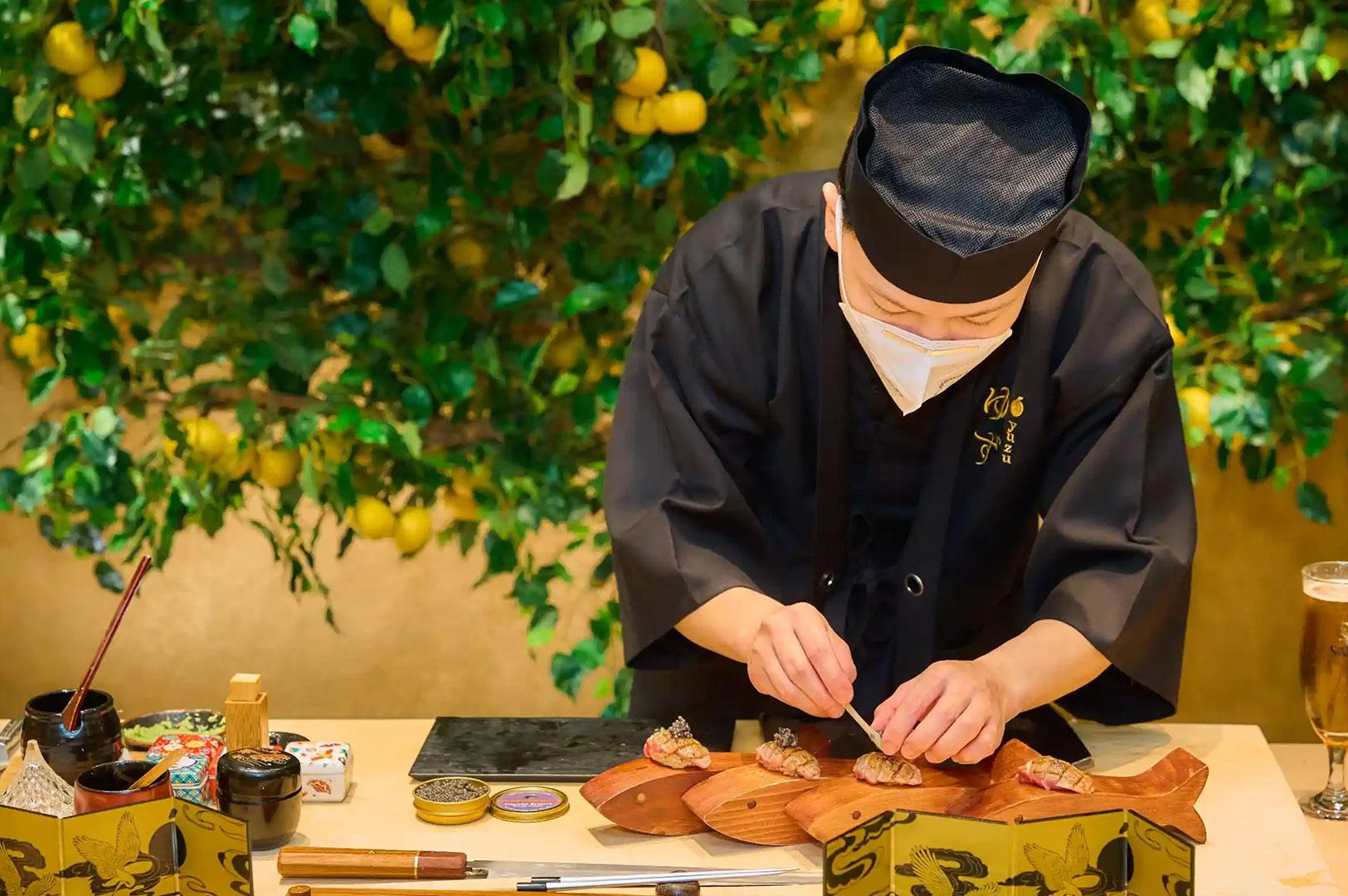
An omakase sushi meal is a culinary performance, an intimate dialogue between the chef, the premium ingredients, and the guest. Seated at the counter, a diner witnesses a masterclass in precision, artistry, and dedication. While the chef’s hands are the primary instruments, they are guided by a collection of specialized tools. These are not mere utensils; they are extensions of the chef’s will, each designed for a specific task and honed over centuries of Japanese tradition.
Understanding these tools provides a deeper appreciation for the craft and what makes the experience at a premium sushi restaurant so exceptional. This is the secret world behind the counter, where wood, steel, and skill converge to create exquisite sushi and fresh sashimi using fresh seafood flown directly from Japan.
The Soul of the Chef: Traditional Japanese Knives
At the heart of any sushi chef’s toolkit lies their set of knives, or hocho. These are often handcrafted, fiercely personal, and maintained with a reverence bordering on spiritual. Unlike Western knives, which typically have a double-beveled edge, traditional Japanese knives are single-beveled. This creates a sharper edge, allowing for cleaner, more precise cuts that preserve the delicate cell structure of the fish.
The Yanagiba: The Slicer
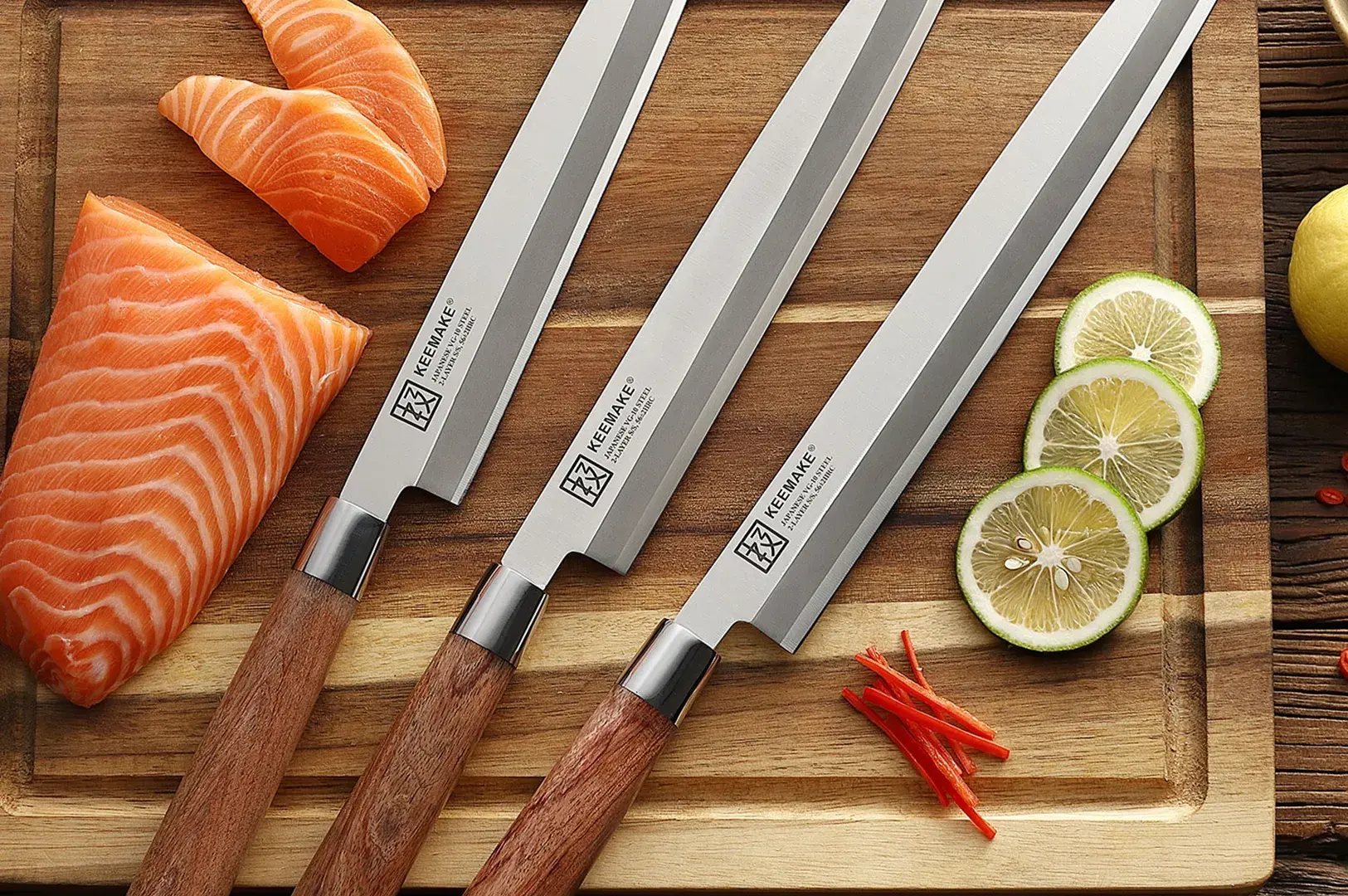
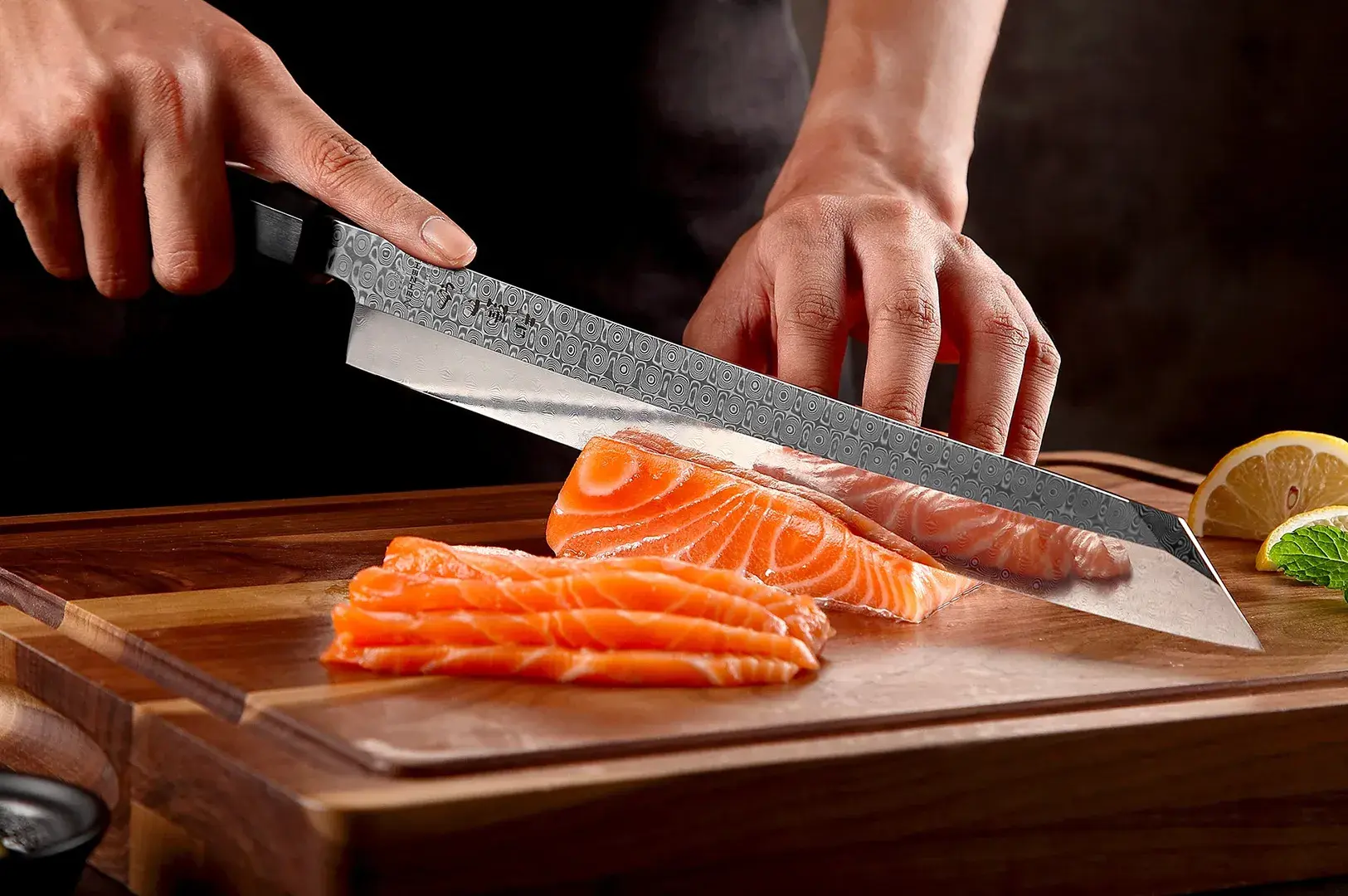
The yanagiba, meaning “willow leaf blade,” is the iconic sushi knife used in sushi restaurants specializing in omakase sushi. Its long, slender blade allows the chef to slice raw fish for sashimi, nigiri sushi toppings, and sushi rolls in a single, smooth motion. This technique prevents tearing, producing a glossy, pristine surface that enhances the texture and flavor of the fish. Watching a chef wield a yanagiba is like watching a calligrapher draw a perfect line.
The Deba: The Butcher
The deba is a heavier, robust knife with a thick spine used to butcher and fillet whole fish, preparing fresh seafood flown from Japan for dishes like assorted sashimi and tempura. Strong enough to cut through heads and bones without chipping, yet precise for cuts along the skeleton, the deba breaks down the day’s catch, separating prime fillets that the yanagiba later transforms. It is a tool of strength and purpose, marking the first step in the fish’s journey to the plate.
The Usuba: The Vegetable Specialist
Usuba translates to “thin blade,” with a straight edge designed for preparing vegetables. Its sharpness allows for fine cuts like paper-thin daikon radish (katsuramuki), often served with sashimi or sushi rolls. Whether making delicate garnishes or prepping vegetables for rolls, the usuba highlights the chef’s precision in crafting exquisite sushi and fresh sashimi using premium ingredients.
These specialized knives, combined with the chef’s skill, ensure every dish served, whether at lunch, dinner, or a special celebration, delights the palate and satisfies the most discerning sushi lover. The mastery of these tools is a key element in the omakase sushi concept, elevating the dining experience in premium sushi restaurants such as Tomi Sushi and Ganko Sushi located in iconic locations like the UBS Building in Singapore.
The Foundation: Cutting Boards and Preparation Surfaces
The surface on which a chef works is just as important as the knives they use. In a top-tier sushi restaurant, you will likely see the chef working on a thick, pale wooden cutting board. This is often made from hinoki, or Japanese cypress. Hinoki wood is prized for its soft, fine grain, which is gentle on the sharp edges of the knives, helping to maintain their keenness.
Furthermore, hinoki possesses natural antibacterial properties and a subtle, fresh aroma that does not transfer to the food. The board is meticulously cleaned and cared for, often sanded down at the end of service to present a fresh surface for the next day. It is a pristine stage for the culinary drama that unfolds, ensuring the preparation of exquisite sushi, fresh sashimi, and assorted sashimi with premium ingredients.
In addition to the cutting board, chefs often keep a log to track the day’s fresh seafood flown in from Japan, maintaining the highest standards for every dish served. This attention to detail enhances the overall menu, which may include appetisers and dessert, providing diners with a complete and satisfying omakase sushi experience. The appetiser, as the initial course, sets the tone for the omakase sushi experience.
Whether enjoying lunch, dinner, or a special celebration, the careful preparation on these surfaces plays a vital role in delivering the finest sushi experience in Singapore, appealing to every palate and family seeking premium sushi made with passion and precision.
The Heart of Sushi: Rice Preparation Tools
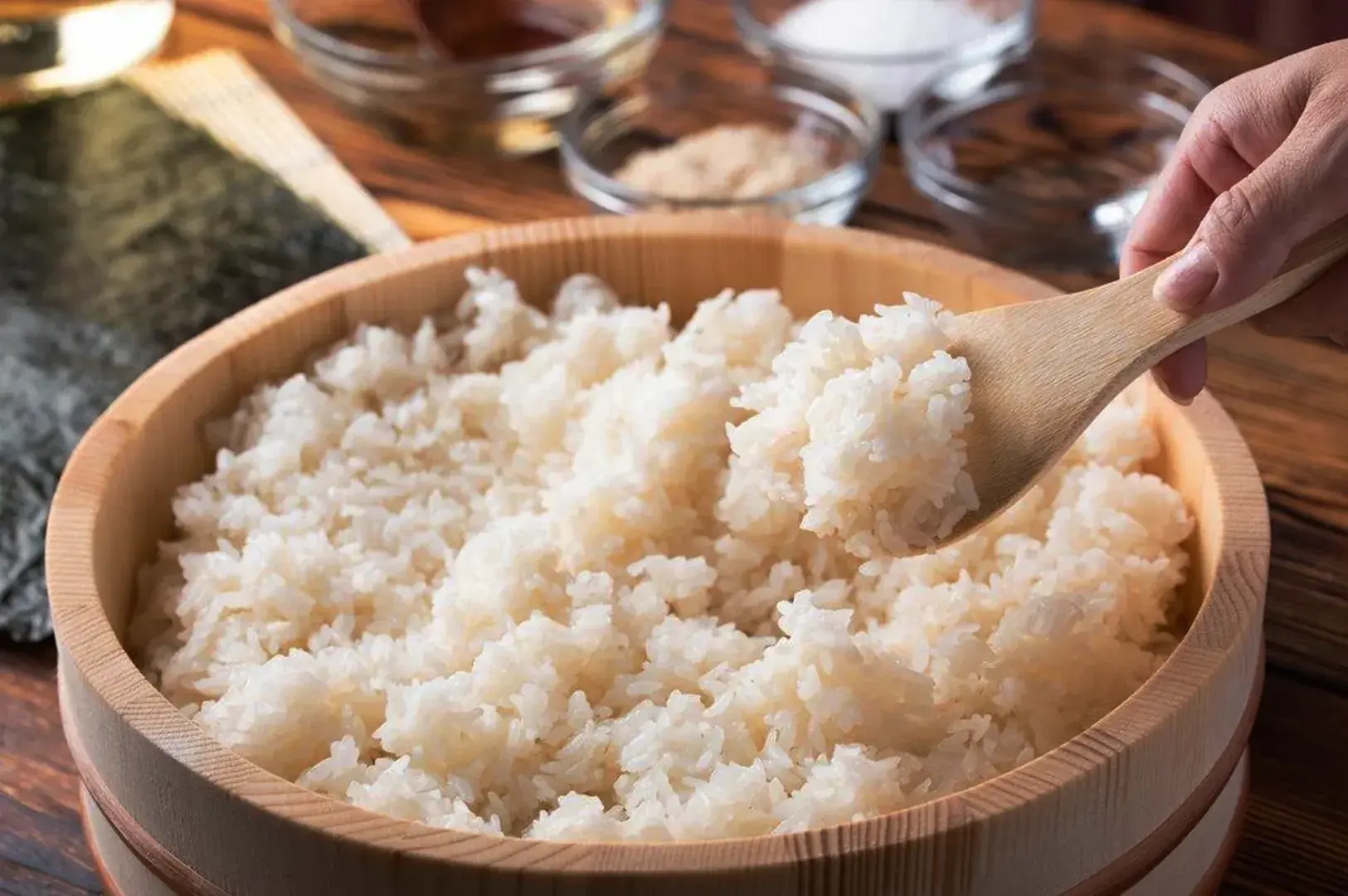
Many chefs will tell you that rice, or shari, is the most important component of sushi. The quest for perfect rice requires its own set of specialized tools and precise techniques.
After cooking, the rice is transferred to a hangiri, a large, shallow wooden tub traditionally made from cypress wood. The porous wood absorbs excess moisture from the freshly cooked rice, while its wide surface area helps the rice cool down quickly and evenly—an essential step in preparing premium sushi rice.
The chef then uses a shamoji, or rice paddle, to carefully cut and fold the rice while adding the seasoned vinegar mixture (sushi-zu). This cutting motion separates the grains without mashing them, and the folding motion ensures each grain is perfectly coated. This ritual, performed with practiced rhythm, results in glossy, flavorful rice that forms the foundation of exquisite nigiri sushi and sushi rolls.
Opt for handmade sushi with expertly prepared rice to enhance the overall dining experience, satisfying every palate and making each meal a memorable choice for sushi lovers and families alike.
Precision in Preparation: Specialized Fish Equipment for Fresh Seafood
Beyond the primary knives, a chef’s arsenal includes smaller, specialized tools for fish preparation. One essential tool is the bone tweezers, or hone-nuki, used to remove tiny pin bones after filleting, ensuring each bite is smooth and free of surprises.
For aging fish to deepen flavor and tenderize texture, chefs use specialized storage like absorbent paper and custom wooden or temperature-controlled containers. This controlled environment manages humidity and temperature precisely, enhancing the quality of fresh seafood flown from Japan for exquisite sushi, assorted sashimi, and premium sashimi served in omakase sushi menus.
The Modern Touch: Blending Tradition and Innovation in Sushi Restaurants
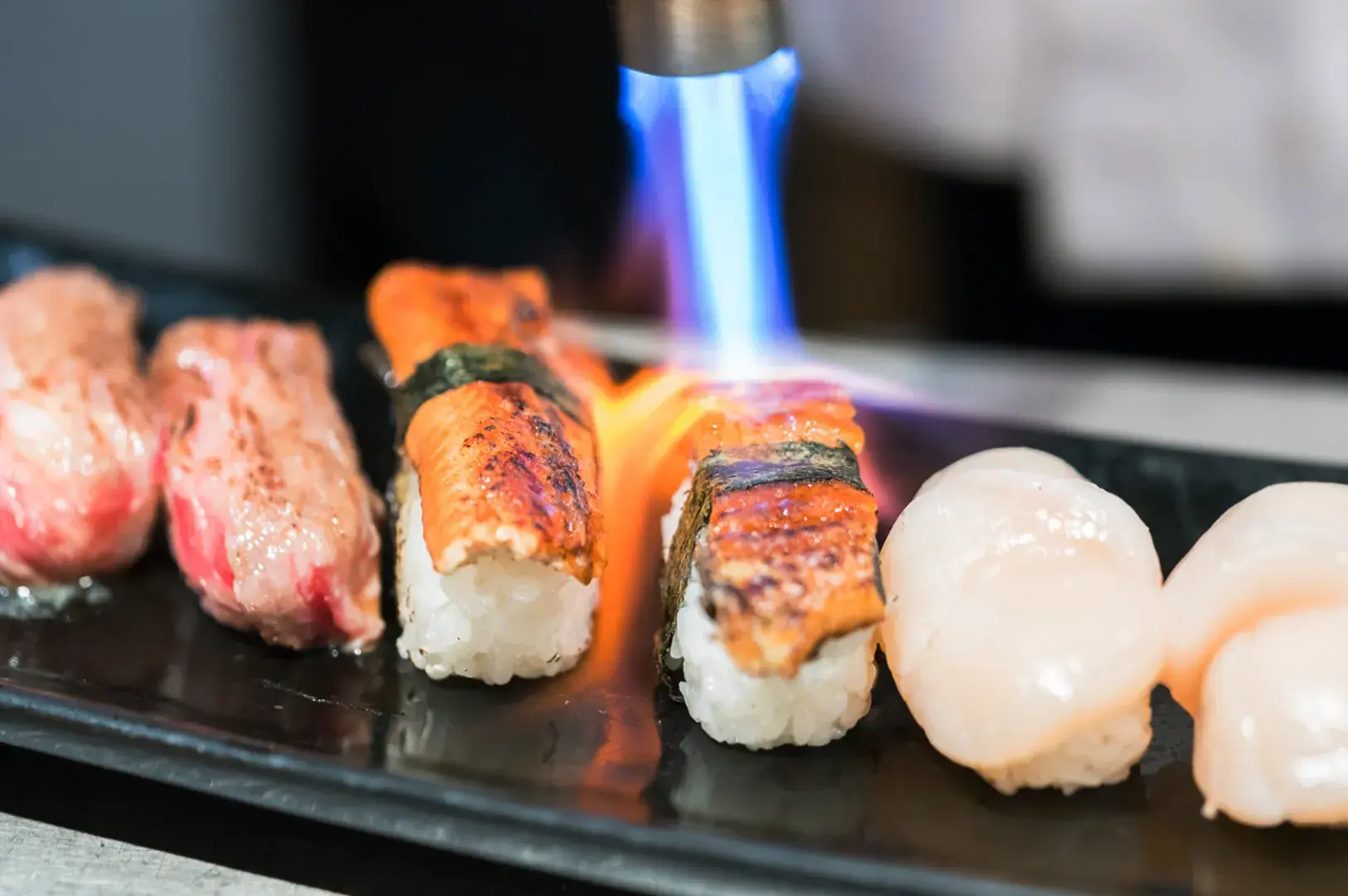
While the foundations of omakase sushi are steeped in tradition, many modern chefs in Singapore and around the world embrace contemporary tools to enhance their craft. It is not uncommon to see a chef use a small blowtorch to lightly sear, or aburi, a piece of fatty fish, such as uni, adding a trendy twist to the classic preparation. This technique caramelizes the fats, releasing a smoky aroma and creating a delightful contrast between the cooked surface and the raw interior.
Vacuum sealers and immersion circulators have also found their way into some sushi restaurants’ kitchens, used for precise temperature control during aging or for infusing ingredients with flavor. These modern tools are not used to replace traditional skills but to complement them, allowing chefs to push creative boundaries and elevate the omakase sushi experience.
This blend of old and new is a hallmark of the evolving omakase sushi scene, offering diners a unique and exquisite sushi journey. When you order from premium sushi restaurants in Singapore, such as Tomi Sushi or Ganko Sushi located in iconic locations like the UBS Building, you can expect this harmonious fusion of tradition and innovation. Omakase sushi and sushi rolls can also be delivered to your home, making it convenient to celebrate special occasions or enjoy family gatherings with high-quality Japanese cuisine.
Check the latest reviews and information to discover the best omakase sushi spots. Whether enjoying lunch, dinner, or a special celebration under the sun, these restaurants provide an unforgettable dining experience. Enjoy the exquisite sushi and premium ingredients delivered by these restaurants, and savor every moment of your omakase experience. This blend of old and new is a hallmark of the evolving omakase sushi scene.
How Tools Elevate Handmade Sushi and the Dining Experience
For the diner, these tools are more than just background props. They are tangible symbols of the chef’s dedication and skill, directly contributing to the quality of the meal and the overall omakase sushi experience. Omakase menus are typically priced per person, providing clarity and value for diners. The clean slice from a yanagiba ensures a perfect texture in every piece of exquisite nigiri sushi. The hinoki cutting board guarantees purity and precision in preparation. The hangiri delivers rice with the ideal flavor and consistency, forming the foundation of handmade sushi and sushi rolls.
Observing the chef’s fluid, practiced movements as they interact with these specialized tools is a core part of the entertainment and appreciation in an omakase setting. It is a silent language that communicates a commitment to excellence and craftsmanship.
This focus on detail is a key reason why establishments that invest in these elements are often considered to offer the best sushi omakase in iconic locations such as the UBS Building in Singapore like the following:
Tomi Sushi
Tomi Sushi is a standout in Singapore’s sushi scene, known for using 100% Niigata KOSHIHIKARI rice and fresh seasonal ingredients. Their omakase sushi features exquisite nigiri, premium sashimi, and carefully crafted sushi rolls made with premium ingredients flown from Japan. Whether for lunch, dinner, or special occasions, Tomi Sushi offers an authentic and refined Japanese dining experience for every palate and family.
Ganko Sushi
Ganko Sushi is a renowned name in Singapore’s sushi scene, located in the UBS Building. It offers a premium sushi experience with fresh seafood flown directly from Japan. Their menu features exquisite nigiri sushi, assorted sashimi, and carefully crafted sushi rolls made with premium ingredients. Ganko Sushi’s dedication to quality and fresh flavors makes it a top choice for an exceptional omakase sushi experience.
For those who want to read more about the art of sushi preparation and the omakase concept, detailed reviews and information are available to guide you to the finest sushi spots where fresh seafood flown directly from Japan is transformed into a round of exquisite dishes including assorted sashimi, miso soup, tempura, and dessert.
In sum, these chef’s tools are not just instruments but essential elements that uphold the tradition and innovation of omakase sushi, making each meal a memorable celebration of Japanese culinary art.
Conclusion: The Art of Craftsmanship
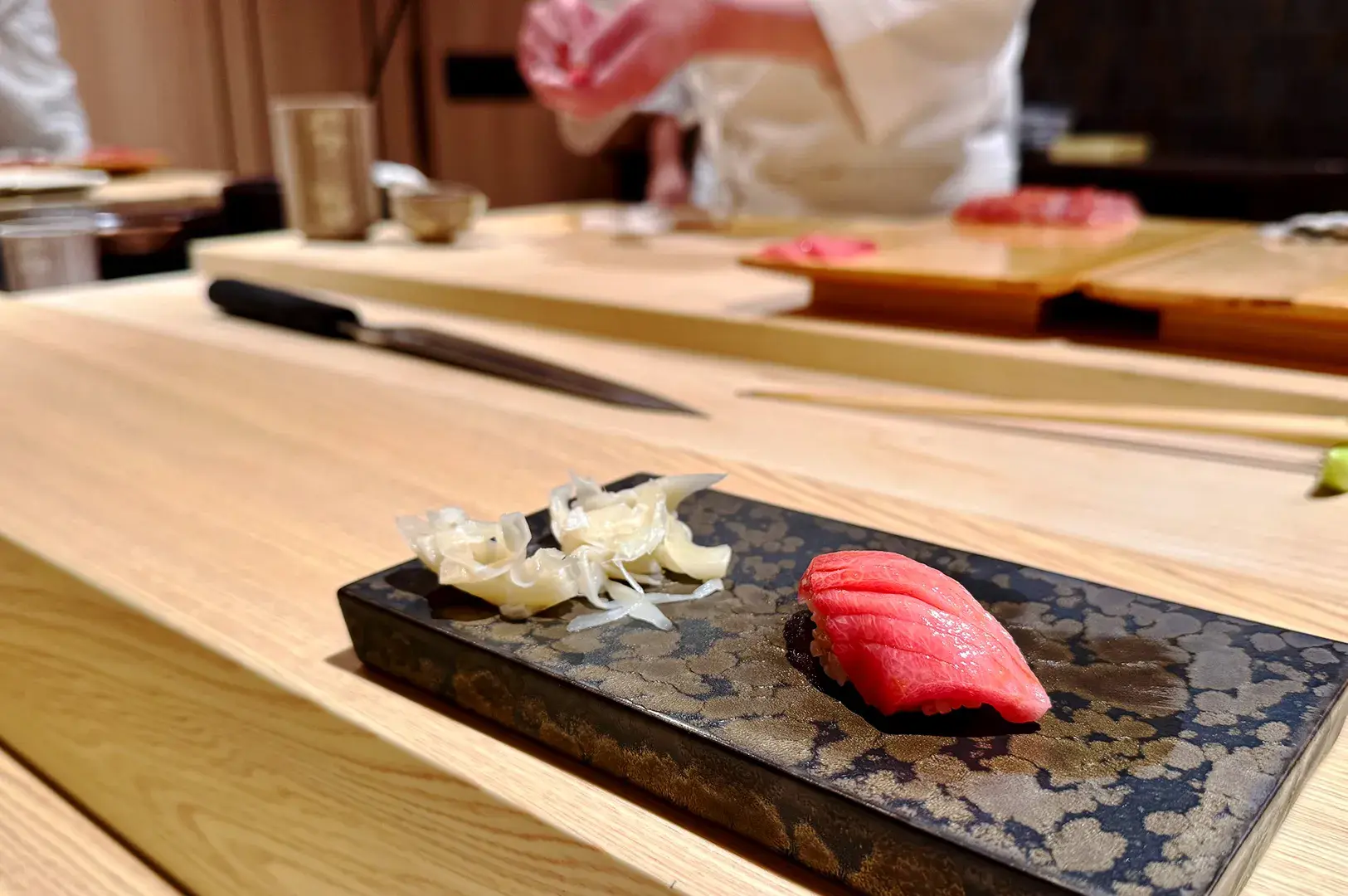
The tools of an omakase chef are a testament to the idea that to do a job perfectly, you must have the perfect instruments. Each knife, paddle, and board represents a piece of a centuries-old puzzle, refined to achieve a single goal: the perfect bite of sushi. They are a bridge between the raw ingredient and the final creation, wielded with a respect and skill that is both humbling and inspiring to witness.
The next time you sit down for an omakase sushi meal, look beyond the fish to the tools on the counter. In them, you will see the history, the passion, and the soul of the chef.