
Behind the Counter: Stories from Singapore’s Omakase Sushi Masters
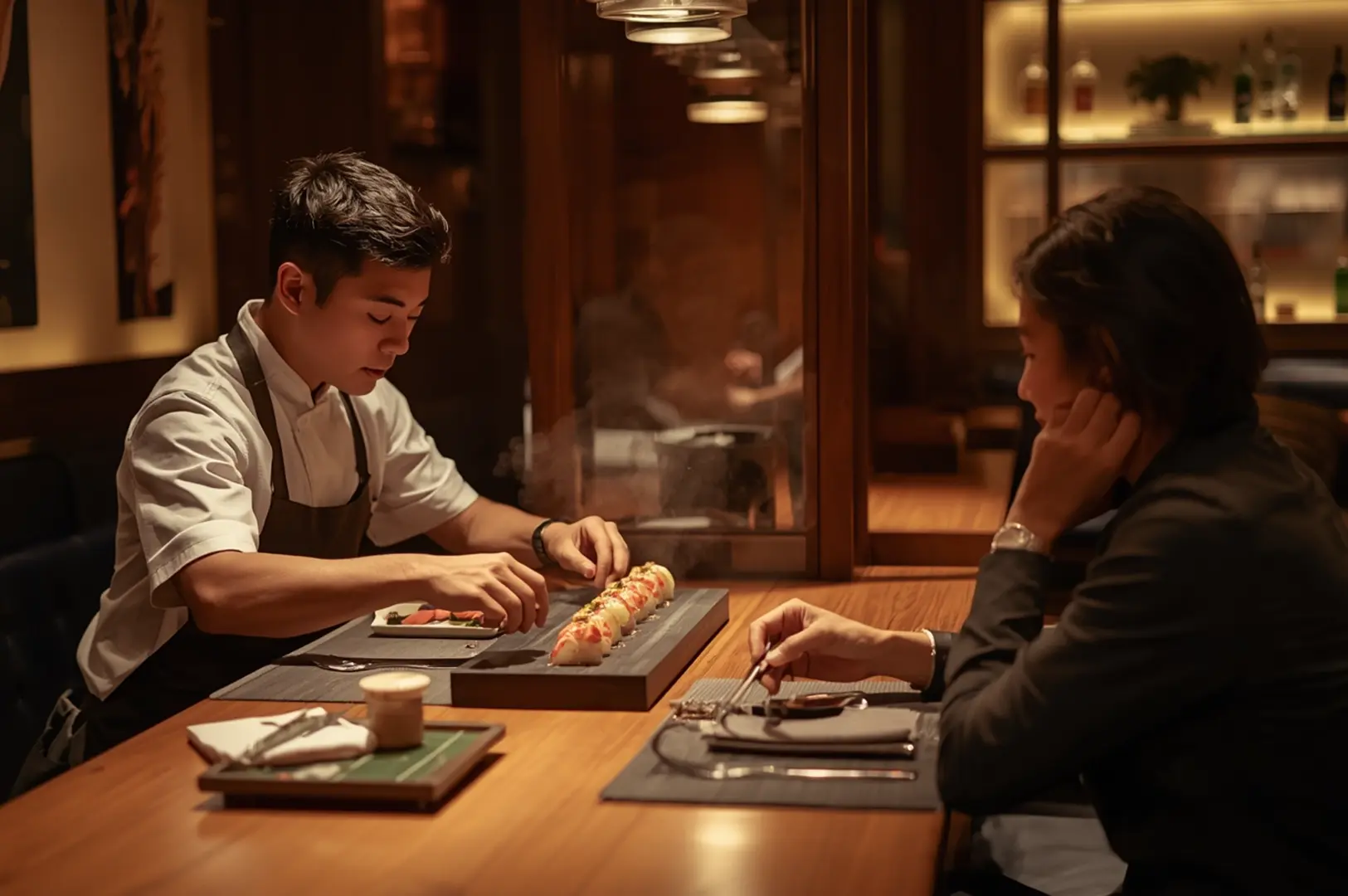
The polished counter serves as both a stage and a bridge. On one side sits an expectant diner, and on the other, a chef whose hands move with the focused grace of a seasoned artist. This is the intimate theater of omakase, a dining experience where every dish is a personal expression, a story told through flavor and form. The growing popularity of omakase sushi in Singapore has rightfully placed a spotlight on the stunning ingredients, but the true heart of the experience lies with the master behind the counter. Their journey, philosophy, and dedication are the invisible ingredients that transform a meal into a cherished memory.
This article pulls back the curtain to share the narratives of the chefs themselves. We explore their arduous training, their profound connection to ingredients, and the unique chef-diner relationship that defines the soul of omakase dining in Singapore.
The Journey of a Sushi Omakase Chef
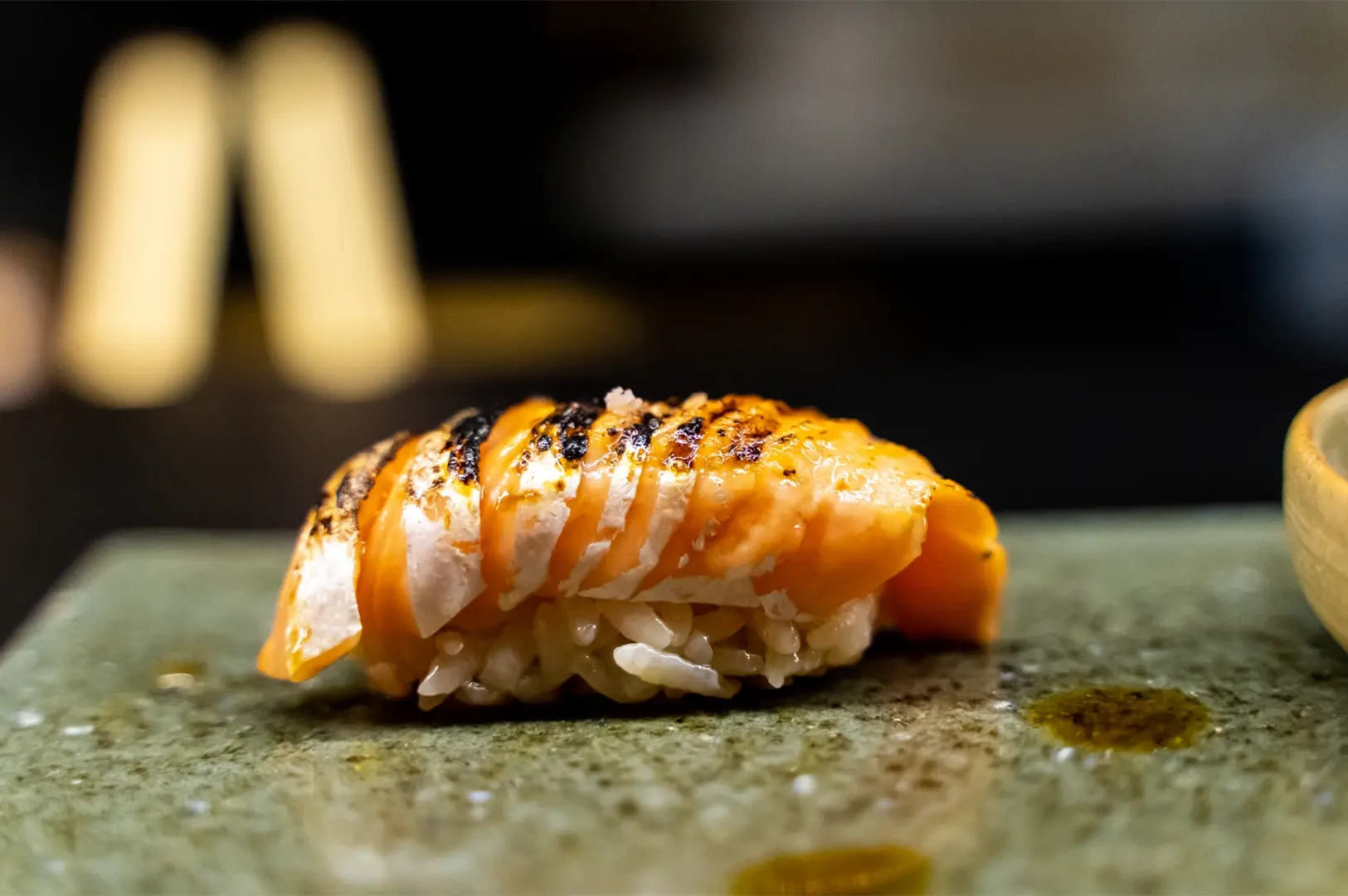
Becoming an itamae, or sushi chef, is not merely a career choice; it is a lifelong commitment to a demanding craft. The journey is notoriously rigorous, often beginning with years spent on the most basic tasks. Aspiring chefs may spend their first few years simply mastering the art of making sushi rice. This foundational skill requires almost scientific precision in cooking, seasoning, and temperature control. Only after perfecting the rice are they permitted to handle fish and prepare nigiri sushi.
Many of Singapore’s top omakase chefs have spent significant time training in Japan, especially in culinary hubs like Tokyo, Osaka, and Fukuoka. This intensive training focuses on Edomae-style sushi, instilling not just technical skill but a deep-seated philosophy of respect for the finest ingredients and tradition. They learn the intricate art of filleting, curing, aging, and showcasing premium ingredients such as otoro, uni (sea urchin), and caviar, each requiring a unique approach to unlock its optimal flavor. The path is one of relentless practice and quiet observation, a slow accumulation of knowledge passed down through generations.
These formative experiences shape the unique style and culinary voice of every chef leading an omakase sushi counter in Singapore. Many chefs bring this expertise to intimate spaces located in quiet corners of the city, such as Tras Street or Orchard, offering memorable omakase menus that highlight seasonal sashimi, tempura, hot dishes, and exquisite dessert pairings. Their dedication to sourcing premium ingredients flown in from Japan’s renowned Toyosu Market ensures diners indulge in a good omakase experience that impresses every palate.
Philosophy on Ingredients in Japanese Restaurants
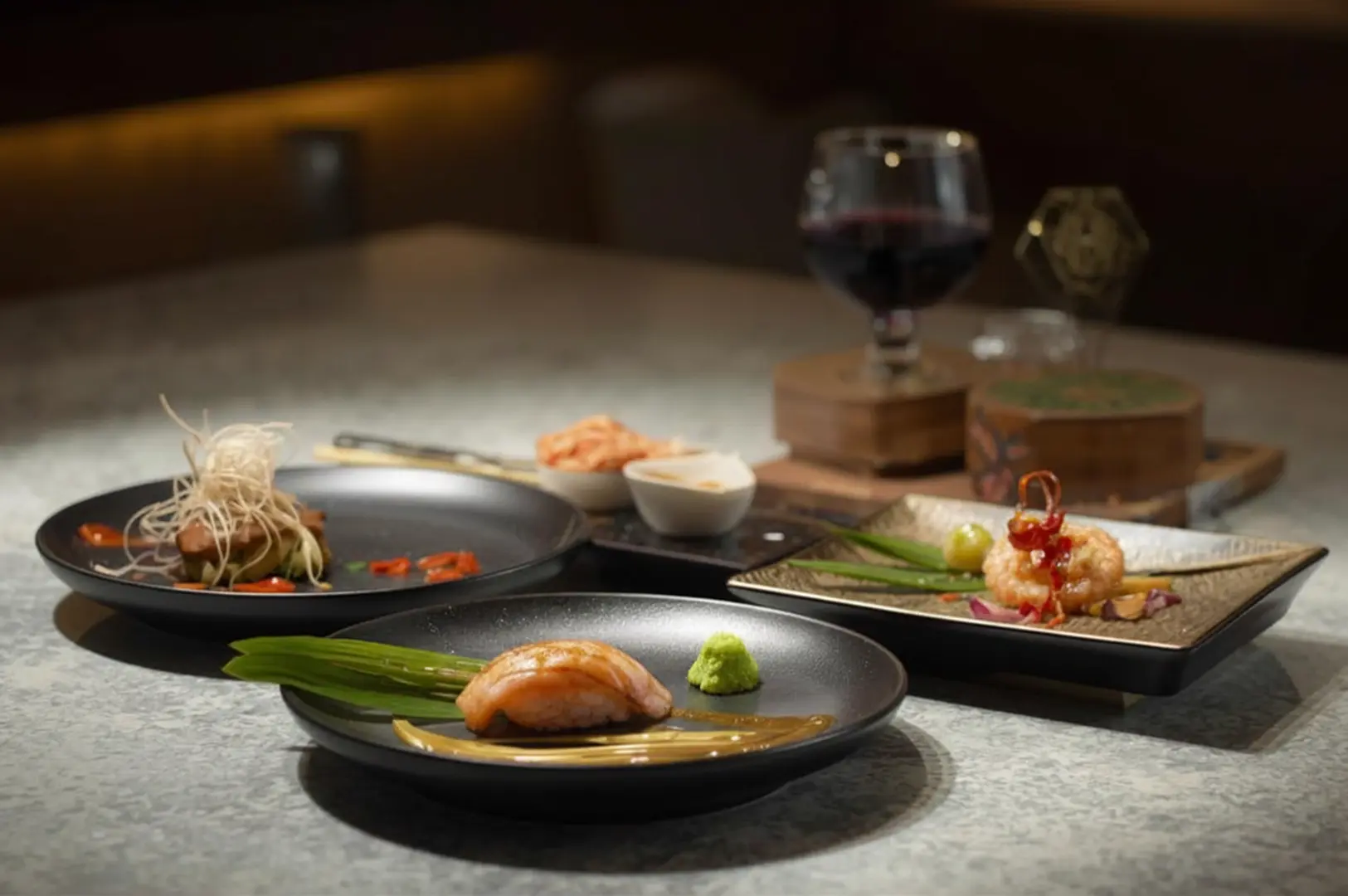
For an omakase chef, ingredients are everything. Their entire menu is a direct reflection of what is best on that particular day, a celebration of fleeting seasons and diverse flavours. This requires a profound understanding of produce and an intimate relationship with suppliers. The top chefs in Singapore have cultivated deep connections with purveyors in Japan, relying on a meticulously managed supply chain that flies in fresh seafood several times a week from markets like Toyosu.
The chefs’ philosophies extend beyond just freshness. Many are deeply involved in the nuances of sourcing, specifying not just the type of fish but the precise location it comes from, knowing that a sea urchin from Hokkaido will have a different flavour profile from one harvested further south. This dedication is a year-round pursuit. In winter, they expect to find fatty, rich fish like yellowtail (buri). Spring brings firefly squid (hotaru ika) and cherry trout (sakura masu). This seasonal rhythm dictates the entire creative process, ensuring that diners experience ingredients at their absolute peak.
At these exclusive omakase sushi counters, diners can also expect expertly crafted appetisers, showcasing the chef’s skill in balancing textures and tastes. While the focus is on premium seafood, some chefs incorporate elements like truffle to elevate the dishes further. The commitment to sourcing and the precise timing of delivery means every dish is priced to reflect the quality and care invested.
The Chef-Diner Relationship
The omakase counter is one of the most intimate dining settings in the culinary world. Unlike in a conventional restaurant, there is no barrier between the creator and the consumer. This proximity fosters a unique and personal connection. A great omakase chef is not just a cook; they are a host, a storyteller, and a guide.
Chef Tetsu, who helms a well-loved omakase sushi counter in Singapore, shares that his greatest satisfaction comes not only from technical precision but from witnessing a diner’s first bite. “Sometimes, when I serve a piece of aged akami, I watch for that moment when a guest’s eyes widen. It reminds me why I started this journey,” he says. For Chef Tetsu, every dinner service is both a test and a joy. “There is happiness in the repetition: shaping rice, slicing fish, but even more in sharing a seasonal idea or a story from my training. When a guest appreciates the small details, it makes the hours of quiet work worthwhile.”
Chef Mei, one of a new generation bringing creative flair to the scene, describes the counter as a place of daily discovery. “No two nights are the same. Sometimes, a conversation about a guest’s favorite memory leads me to improvise a dish inspired by their story. The exchange fills me with energy. My passion comes from the chance to grow, to care for each guest as an individual, and to pass on the respect and joy I feel for my ingredients.” For her, the counter is not just a workspace; it is a canvas for both food and shared happiness.
As they present each piece of omakase sushi, these chefs share its story. They might explain the aging process that enhanced a fish’s umami, the origin of a rare vegetable, or the inspiration behind a particular pairing. This narrative transforms the act of eating into an engaging and educational experience. In Singapore’s multicultural dining scene, this interaction takes on a special significance. Chefs often find themselves bridging cultural gaps, explaining Japanese culinary concepts to a diverse audience of curious and knowledgeable diners. This dialogue is a two-way street, as chefs learn from their guests’ reactions and preferences, subtly tailoring the experience to each individual at the counter.
A Chef’s Passion Opening Hours: From Lunch Omakase to Dinner Omakase
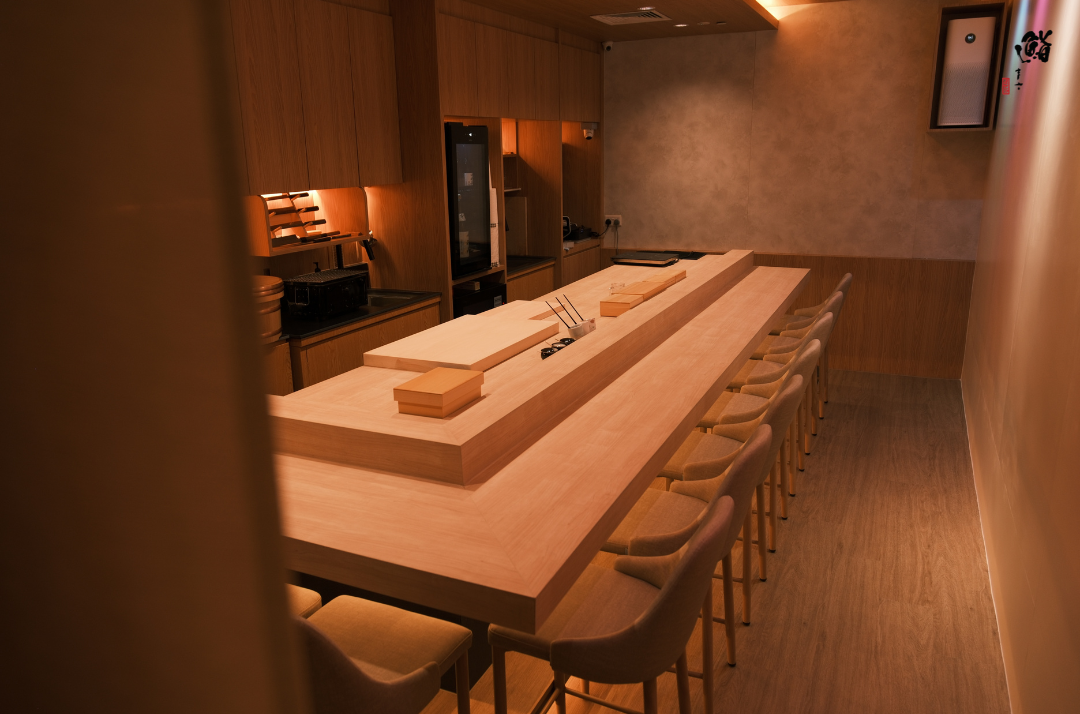
As one may know, reservations are essential at these limited-seat restaurants, which often operate with opening hours from Tuesday to Saturday for dinner omakase, and some offering exclusive lunch omakase menus. The combination of technical mastery, premium ingredients, and personalized service (like adding sake to your meal) elevates the omakase dining experience, often recognized by accolades such as inclusion in the Michelin Guide. This commitment to excellence is what sets apart the big names like Sushi Jin, Ryo Sushi, and Suzuki, making them standout destinations for omakase sushi lovers in Singapore.
Furthermore, the Singapore outpost of a revered Japanese omakase tradition, Sushi Masa by Ki-setsu stands out for its unique focus on seafood, serving no meat and emphasizing the purity of each ingredient. This one-star establishment has garnered glowing reviews for its meticulous craftsmanship and intimate dining experience. Operating from Tuesday to Saturday, with private bookings available on Sunday, it remains closed on Mon, offering guests a rare opportunity to enjoy their first-time dining experience any day from Thursday onward. This schedule reflects the restaurant’s commitment to quality and exclusivity, ensuring every meal is a memorable journey into the art of omakase sushi.
Above all the technicalities, it all helps us conclude that the stories of Singapore’s omakase chefs are tales of passion, perseverance, and a profound respect for culinary heritage. They are the guardians of a centuries-old tradition, yet they are also innovators who thoughtfully adapt their craft to a new cultural context. Their work is a reminder that behind every exquisite piece of omakase sushi is a human story, a journey of dedication that begins long before the first diner takes a seat. To appreciate their artistry is to understand that an omakase meal is not just about what is on the plate; it is about the heart and soul of the master who created it.