
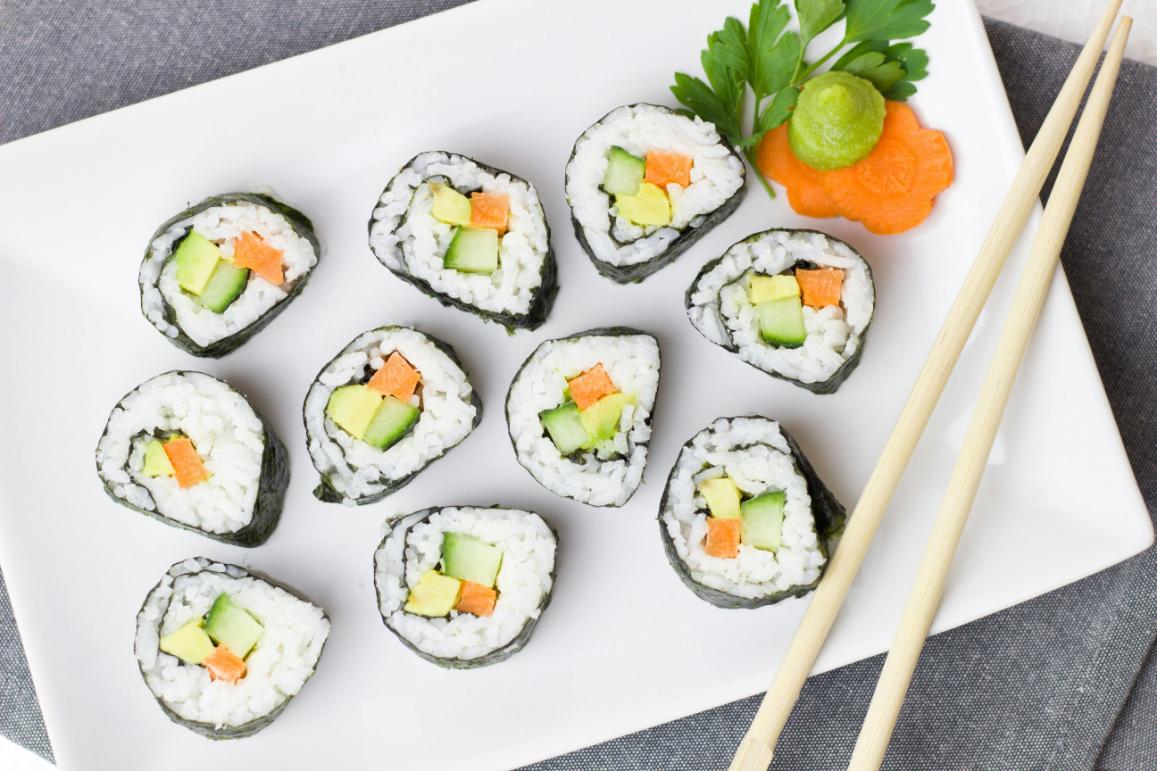
Restaurant Sushi Rice Perfection
When you sit at a sushi counter and watch a master chef at work, your eyes are naturally drawn to the glistening slice of fish. But for the true connoisseur, and for the chef themselves, the star of the show is what lies beneath: the rice. This perfectly seasoned, body-temperature pillow of rice, known as shari, is the soul of restaurant sushi. It is the foundation upon which everything else is built. The quality of the fresh seafood flown in from Japan matters immensely, but it is the rice that distinguishes good restaurant sushi from an unforgettable dining experience. The pursuit of perfect shari is a lifelong dedication for a chef and a key element that sushi restaurants in Singapore strive to master.
Both diners and chefs love the artistry and tradition behind perfect sushi rice, creating a deep emotional connection to every bite. To receive news and updates about the latest sushi promotions and exclusive offers, many sushi restaurants encourage guests to save their contact details and respect their privacy policies. Whether you visit a trendy sushi restaurant or order sushi delivered to your doorstep, the quality of the rice remains paramount in delivering an exquisite sushi experience.
The Fundamentals of Rice Perfection in Sushi Restaurants

The journey to perfect shari started with a dedication to tradition and precision. It begins long before the cooking even starts. Each step is a ritual, a careful balance of science and art passed down through generations. Understanding these fundamentals is the first step to appreciating the craft behind every piece of restaurant sushi you enjoy.
Rice Selection: The Perfect Grain
It all starts with the rice itself. Sushi chefs exclusively use short-grain rice, prized for its high starch content and ability to absorb moisture while retaining its shape. Varieties like Koshihikari and Akitakomachi are favorites. These grains become plump, slightly sticky, and have a subtle sweetness when cooked, providing the ideal texture to cling to fresh seafood flown from Japan without being mushy. The origin, harvest time, and even the specific lot of rice are all considered by top sushi restaurants to ensure the finest ingredients and fresh sushi quality.
Washing and Soaking: The First Act of Purification
The rice is not simply rinsed; it is washed with purpose. Using cold, purified water, the chef gently polishes the grains by hand. The goal is to remove excess surface starch, which can make the rice gummy. This is done until the water runs almost clear. After washing, the rice is soaked for a precise period, allowing each grain to hydrate evenly. This crucial step ensures the rice cooks uniformly, with a soft-but-firm center, essential for the perfect nigiri sushi, sushi rolls, and handrolls served in trendy sushi restaurants.
Cooking: The Art of Precision in Handmade Sushi
While modern rice cookers offer incredible consistency, the method is still key. The ratio of rice to water is exact, often measured by weight rather than volume. In premium sushi restaurants, the water itself is carefully selected for its mineral content to complement the rice’s flavor. The cooking process is designed to achieve a state called al dente—cooked through, but with a slight firmness to each individual grain, ideal for handmade sushi, fresh sashimi, and dishes served throughout lunch and dinner menus.
Seasoning (Sushi-zu): The Breath of Life
Once cooked, the rice is transferred to a hangiri, a traditional shallow wooden tub made from cypress wood. The wood helps absorb excess moisture and imparts a subtle, fresh aroma. This is where the magic happens. A carefully prepared vinegar mixture, or sushi-zu, is drizzled over the hot rice. The sushi-zu is typically a blend of rice vinegar, sugar, and salt, but every chef has their own secret recipe, sometimes using aged vinegars for deeper complexity.
Using a rice paddle (shamoji), the chef uses a slicing and folding motion to separate each grain and coat it evenly with the seasoning, all while fanning the rice to cool it down rapidly. This process, which requires immense skill, prevents the rice from becoming mushy and gives each grain a beautiful sheen. The final product should be a harmonious blend of sweet, sour, and savory, complementing the premium sashimi, exquisite sushi, and miso soup served in the restaurant. This attention to detail in seasoning the rice helps to round out the overall dining experience, making every bite of sushi a celebration of the finest ingredients and culinary craftsmanship.
Professional Techniques Used in Restaurants

Achieving shari perfection once is difficult; achieving it consistently every single day is the mark of a true master. Top chefs employ a range of professional techniques and use premium ingredients to ensure every piece of restaurant sushi they serve meets their exacting standards.
One of the most critical elements is temperature control. Perfect sushi rice is served at or near human body temperature. This warmth helps to gently coax out the flavors and oils from the cool slice of fresh sashimi or nigiri sushi placed on top, creating a perfect union in the mouth. Chefs will keep the shari in the hangiri or a specialized insulated container, constantly monitoring its temperature throughout service to satisfy discerning palates.
Handling the rice is another art form. An itamae (sushi chef) wets their hands in tezu, a hand-vinegar solution, to prevent the rice from sticking. They take a precise amount of rice and, with a few swift, gentle movements, form the nigiri base. The pressure must be just right—firm enough to hold its shape, but light enough so the rice cluster has air pockets within. When you bite into it, the rice should almost seem to dissolve on your tongue, separating into individual grains. This texture is nearly impossible to replicate without years of practice and respect for the craft.
In addition to nigiri, this attention to detail extends to sushi rolls, handrolls, aburi sushi, and assorted sashimi plates, as well as classic tempura, all featured on a typical sushi restaurant menu. Diners can indulge in a luxurious omakase experience or make their choice from a wide variety of menu options, including sushi rolls, handrolls, and tempura. Placing an order is simple, whether for dine-in or takeaway, and many restaurants specify pricing per person for omakase or set menus. Dessert is often included to complete the meal, ensuring a memorable and satisfying dining experience.
Many chefs also opt to include an appetiser or miso soup as part of the dining experience, rounding out the meal with complementary flavors. The mastery of rice preparation, combined with the finest ingredients and precise techniques, elevates the entire sushi concept, making each plate a celebration of Japanese culinary tradition.
The Singapore Sushi Scene and Rice Quality Standards

The sushi singapore scene has become incredibly sophisticated, with diners developing a keen appreciation for quality.Top-tier restaurants in the city understand that excellent shari is non-negotiable.They go to great lengths to maintain consistency, often importing their preferred brand of rice and vinegar directly from Japan.
Singapore boasts a wide range of sushi restaurant locations, making it easy to find a branch near you. Notable options include Tomi Sushi, known for its authentic Japanese experience and seasonal promotions, and Genki Sushi, which features a fun conveyor belt system and multiple locations across the city. Hei Sushi stands out as a halal-certified, family-friendly restaurant, perfect for group dining. For those seeking a premium experience, the UBS building is a prime location for sushi dining. Many of these restaurants offer sushi delivered to your doorstep, making it convenient for family meals, celebrations, or casual gatherings. Menus often feature premium items like uni and freshly prepared noodles. While the sushi scene is thriving, some well-known restaurants have recently closed, so it’s always best to check the latest updates before visiting.
What truly separates the rice at a top sushi place in Singapore from a homemade attempt is this relentless consistency. At home, factors like humidity, the age of the rice, and slight variations in measurement can drastically change the outcome. In a professional kitchen, these variables are controlled with scientific precision. Chefs may adjust their water ratio or soaking time based on the day’s humidity or the specific batch of rice they are using. This dedication is what ensures the shari you eat on a Monday is just as perfect as the one you eat on a Friday.
Furthermore, the scale of a restaurant operation allows chefs to cook rice in larger, optimal batches. This creates a more even cooking environment, something that is harder to achieve in a small home rice cooker.
What to Look for as a Diner
As a diner, you can train your palate to recognize superior sushi rice. The next time you visit a sushi place in Singapore, pay attention to these details. They are the subtle clues that reveal the skill of the chef.
- Appearance: The rice grains should be glossy and distinct. They should not look dry, dull, or mashed together. You should be able to see the individual grains.
- Texture: When you pick up a piece of nigiri, it should hold its shape. However, once in your mouth, it should fall apart gently without requiring much chewing. If it’s a dense, chewy block, the rice was packed too tightly.
- Temperature: The rice should be slightly warm, creating a pleasant contrast with the cooler fish. If the rice is cold and hard, it’s a sign that it was pre-made and refrigerated—a major red flag.
- Flavor: The seasoning should be balanced. You should be able to taste a subtle sweetness and a mild acidity from the vinegar, which enhances the flavor of the fish. The rice should never be bland or overwhelmingly sour.
- Adhesion: The rice should cling to the fish. If the fish slides off the rice with little effort, it’s a sign that either the rice texture is wrong or the chef’s forming technique is lacking.
When choosing a sushi place in Singapore, look for establishments where the chef’s focus on the entire process is evident. An open counter where you can watch the chef work is often a good sign. It shows confidence and a willingness to let the craft speak for itself.
Before your next visit, check the restaurant’s website to view the full menu options and read customer reviews. You can also check their social media pages for updates and special offers. After your meal, consider leaving your own review to help others make informed choices.
The Heartbeat of Sushi

The journey to perfect shari is a testament to the philosophy at the heart of Japanese cuisine: that profound beauty lies in simplicity and that mastery is achieved through the relentless pursuit of perfection in every detail. The rice in restaurant sushi is not merely a vehicle for the fish; it is the heartbeat of the dish, providing the rhythm, texture, and flavor that brings the entire experience to life.
The next time you enjoy sushi singapore, take a moment to truly appreciate the rice. Notice its warmth, its texture, and the delicate balance of its seasoning. In those humble grains, you will find the dedication, history, and soul of a chef’s life’s work.