
Fresh from Tsukiji to Singapore: The Journey of Sashimi Salmon
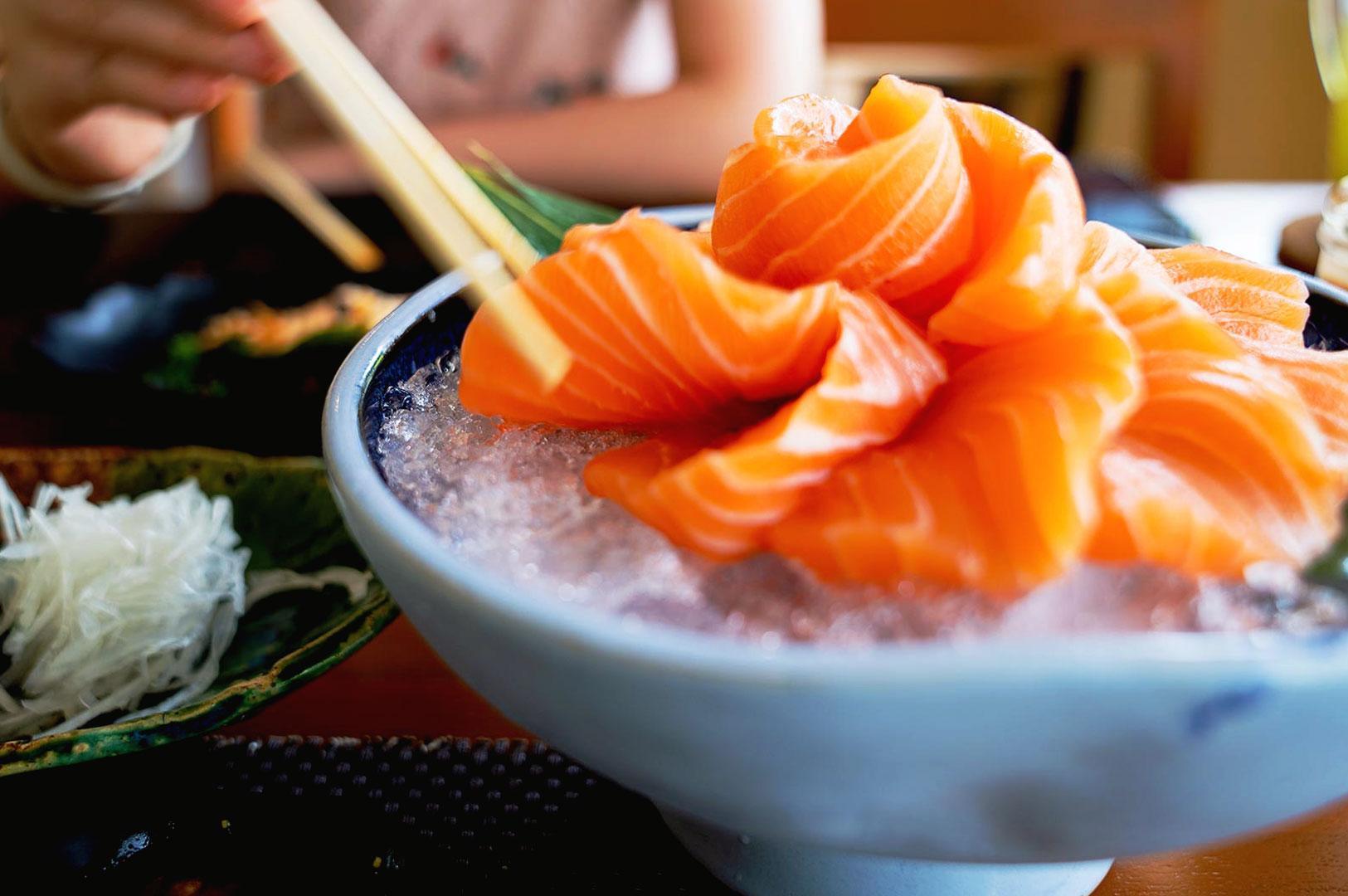
It arrives at the table, a plate of luminous, coral-hued slices resting on a bed of ice. Each piece of sashimi salmon is a study in perfection, its surface glistening, its marbling a delicate promise of buttery richness. In Singapore, a city that reveres good food, this dish is more than just a menu item; it is a beloved ritual. Behind its simple elegance lies a remarkable journey of logistics, craftsmanship, and global collaboration connecting the world’s finest fish markets to our plates. This is the story of how premium sashimi salmon, a prized type of fresh salmon, travels thousands of kilometers with its freshness meticulously preserved to ensure sashimi grade quality and safe consumption.
The Origins: From Tsukiji to the World
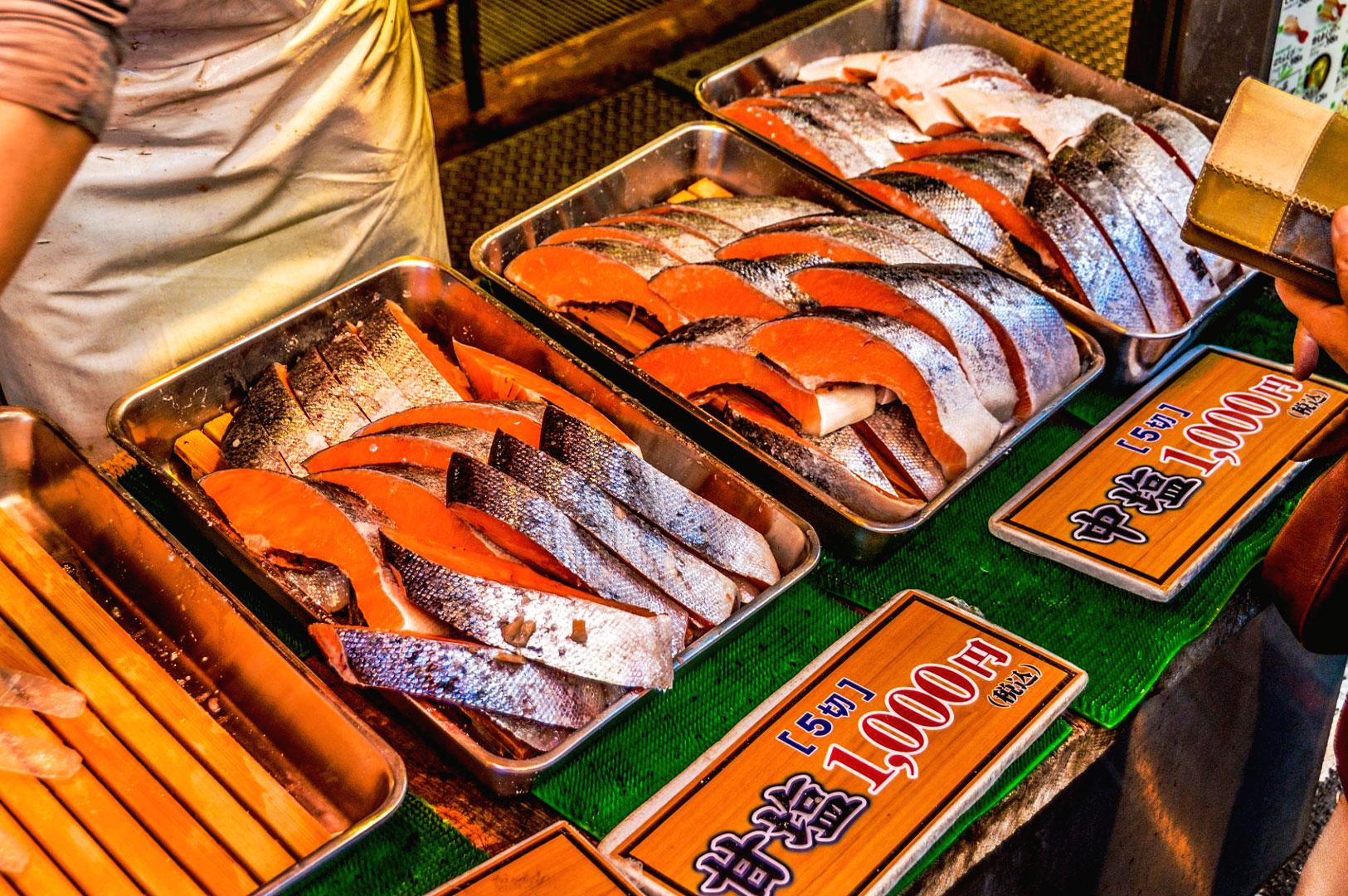
While salmon is not native to Japanese waters like tuna, Japan’s world-renowned fish markets have become central hubs for sourcing the finest sashimi salmon worldwide. The legendary Tsukiji Market, and now its successor, Toyosu Market, are hallowed grounds where standards for sashimi-grade fish are set. Here, premium fresh salmon sashimi, primarily from the cold, pristine waters of Norway, Scotland, and sometimes farmed Japanese varieties, is graded and prepared for its global journey.
Rigorous quality control is key. Experts assess each salmon fish for fat content, color, and texture to ensure it meets the highest sashimi grade standards. To be deemed sashimi-grade, the fish must be handled with extreme care from harvest, processed under strict hygienic conditions, and rapidly chilled to maintain integrity and kill parasites, ensuring safe consumption. This trusted system established by Japanese markets is why sashimi salmon sourced through these channels is highly sought after in Singapore, where freshness, quality, and safety are paramount.
The Fresh Salmon Sashimi’s Journey to Singapore
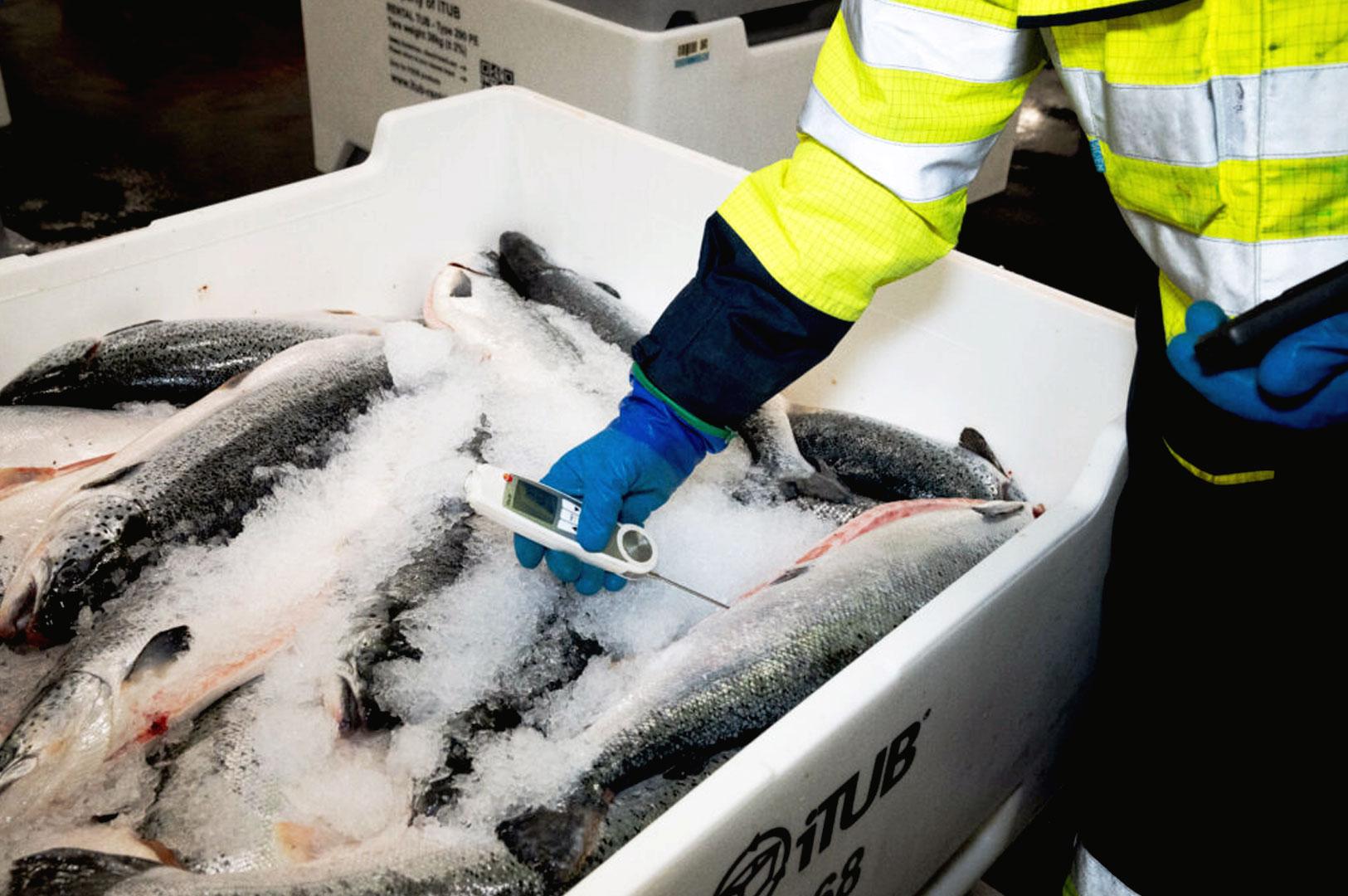
The journey from Japan to Singapore is a marvel of modern cold chain logistics, a race against time to preserve peak freshness. Once selected and processed, the fish is packed in specialized insulated containers with gel ice packs to maintain a constant, near-freezing temperature without freezing, which would damage its delicate texture and taste.
This precious cargo is air flown directly to Singapore, often arriving at Changi Airport within 24 to 48 hours of leaving Japan. There, dedicated importers and distributors handle the fish in temperature-controlled facilities, inspecting it before dispatching to restaurants across the city and even for delivery to customers who prefer to enjoy fresh salmon sashimi at home. This unbroken cold chain ensures that the salmon sashimi served tastes as fresh as when it left Tokyo’s markets.
This seamless collaboration between producers, distributors, and chefs guarantees an uncompromised taste experience. Customers can confidently order sashimi salmon knowing it is sashimi grade and safe to consume, having undergone strict quality checks to kill parasites and maintain freshness. Many appreciate the convenience of same-day delivery and ingredients ready for immediate consumption, minimizing any risk associated with raw fish. Alongside salmon, other sashimi-grade seafood such as trout is also carefully sourced and delivered to meet diverse culinary preferences.
The Crafting of Salmon Sashimi in Singapore’s Restaurants
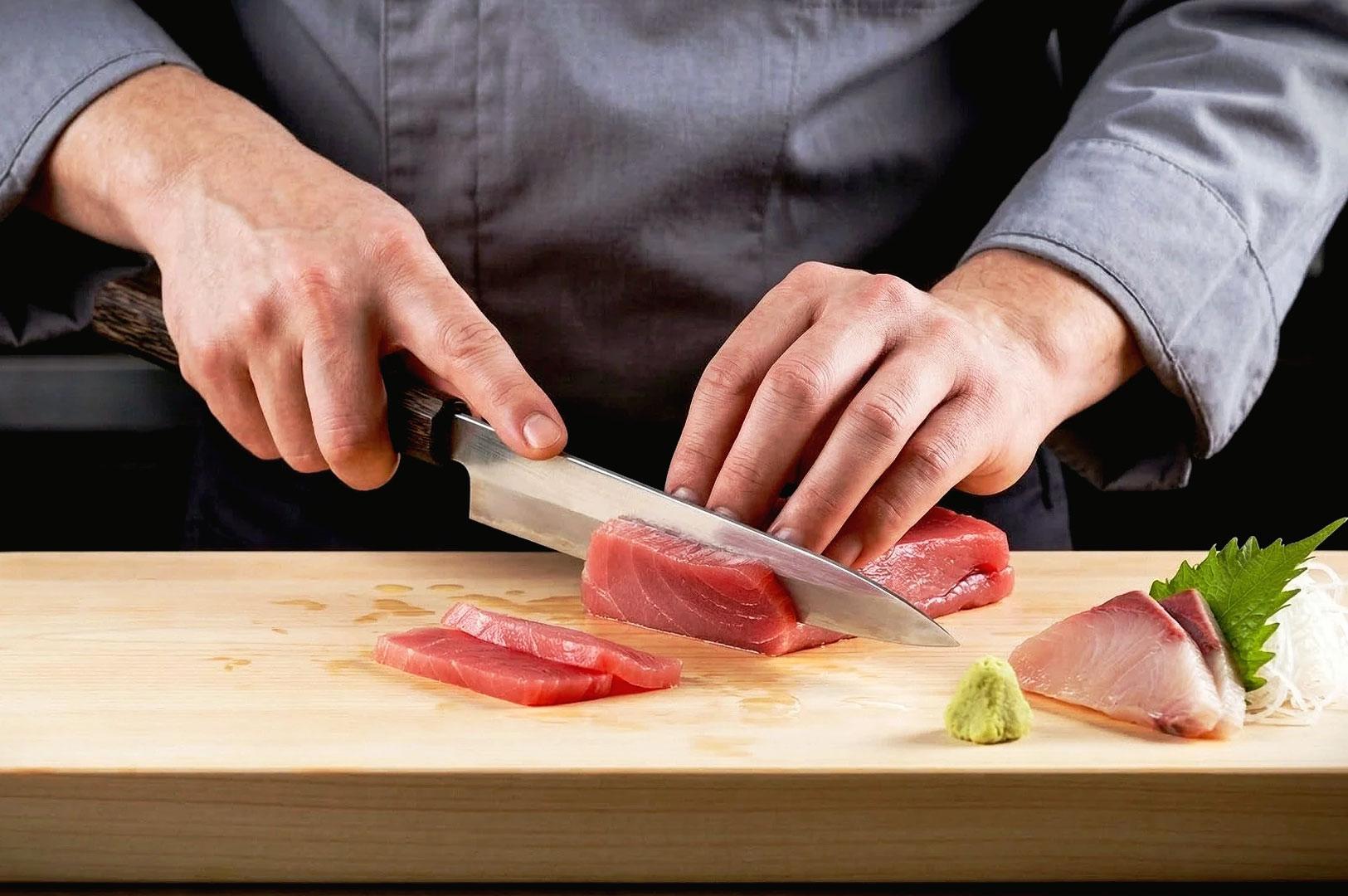
Upon arrival in restaurant kitchens, the pristine salmon enters its final, most artistic stage. Chefs, who understand the delicate nature of sashimi, apply their skill with a long, razor-sharp yanagiba knife, slicing the fish in a single, graceful motion. This technique creates a perfectly smooth surface that enhances texture and mouthfeel. Slice thickness is chosen deliberately to highlight the salmon’s rich, buttery quality that melts in the mouth.
This display of Japanese precision finds a beautiful home within Singapore’s multicultural dining scene. Traditional Japanese restaurants serve sashimi salmon in its purest form with soy sauce and wasabi to enhance its delicate taste, while other establishments may pair it with local flavors, showcasing the fish’s versatility. Chefs often work with other sashimi-grade seafood like trout, tuna, and scallop, creating diverse and refined platters that highlight the best of fresh seafood.
Fresh salmon sashimi is always prepared and served the same day, often early in the morning, to ensure it is ready for immediate consumption, maintaining the high standards expected by sushi restaurants and discerning diners alike.
Discovering Air Flown Sashimi Grade Sushi
The journey of sashimi salmon from Japan’s bustling markets to Singapore’s dining tables is a powerful narrative of global connection and shared passion. Fishermen, market experts, logistics handlers, and master chefs all play crucial roles in delivering a single, perfect slice of sashimi salmon. This intricate dance of diligence and artistry reminds us that the food we enjoy often carries a richer history than we imagine.
The next time you savor fresh salmon sashimi, appreciate the incredible effort, craftsmanship, and heritage contained in that one delicious bite. Many people post about their sashimi experience, leaving comments and replies celebrating the taste and freshness of this sashimi grade salmon. Whether ordered for morning delivery or enjoyed at sushi restaurants in Singapore, this journey ensures every piece is safe to consume, prepared with care to kill parasites and maintain optimal freshness.