
The Sushi Omakase Experience: A Deep Dive into Singapore’s Premium Sushi Scene
There is a certain magic to the phrase omakase. In Japanese, it translates to “I’ll leave it up to you,” and in the world of sushi, it signifies the ultimate dining experience. A sushi omakase meal is an intimate culinary journey, a performance where the chef is both artist and guide, and you are the honored guest. This dining style has found a passionate following in Singapore, a city that cherishes both culinary tradition and innovation. For many food lovers, it represents the pinnacle of Japanese cuisine.
This deep dive with Singapore Sushi Stories will explore the captivating world of the sushi omakase experience in Singapore. We will uncover the philosophy behind this unique meal, detail what to expect when you take a seat at the counter, and navigate the city’s thriving premium scene. Get ready to understand why this tradition of trust and taste has become a celebrated part of Singapore’s dining culture.
Understanding Sushi Omakase

At its heart, omakase dining is a testament to the trust between a diner and the chef (itamae). Originating in Japan, the concept was born from a desire to enjoy the absolute best ingredients of the day, selected and prepared by an expert. It removes the guesswork of ordering from a menu and instead invites you to surrender to the chef’s skill and knowledge.
This philosophy sets it apart from a standard à la carte sushi meal. While you might order familiar favorites at a regular restaurant, a sushi omakase menu is fluid, changing daily based on the freshest catch from the market. The chef curates a progression of dishes designed to be eaten in a specific order, creating a balanced and harmonious flow of flavors and textures. Seasonality is paramount. An omakase meal in spring will feature delicate white fish, while an autumn experience will highlight richer, fattier varieties, showcasing nature’s finest offerings at their peak.
For a down-to-earth perspective on finding the best omakase experiences in Singapore without the hype, check out this non-influencer’s guide to the best Singapore Omakase.
What to Expect During an Omakase Experience

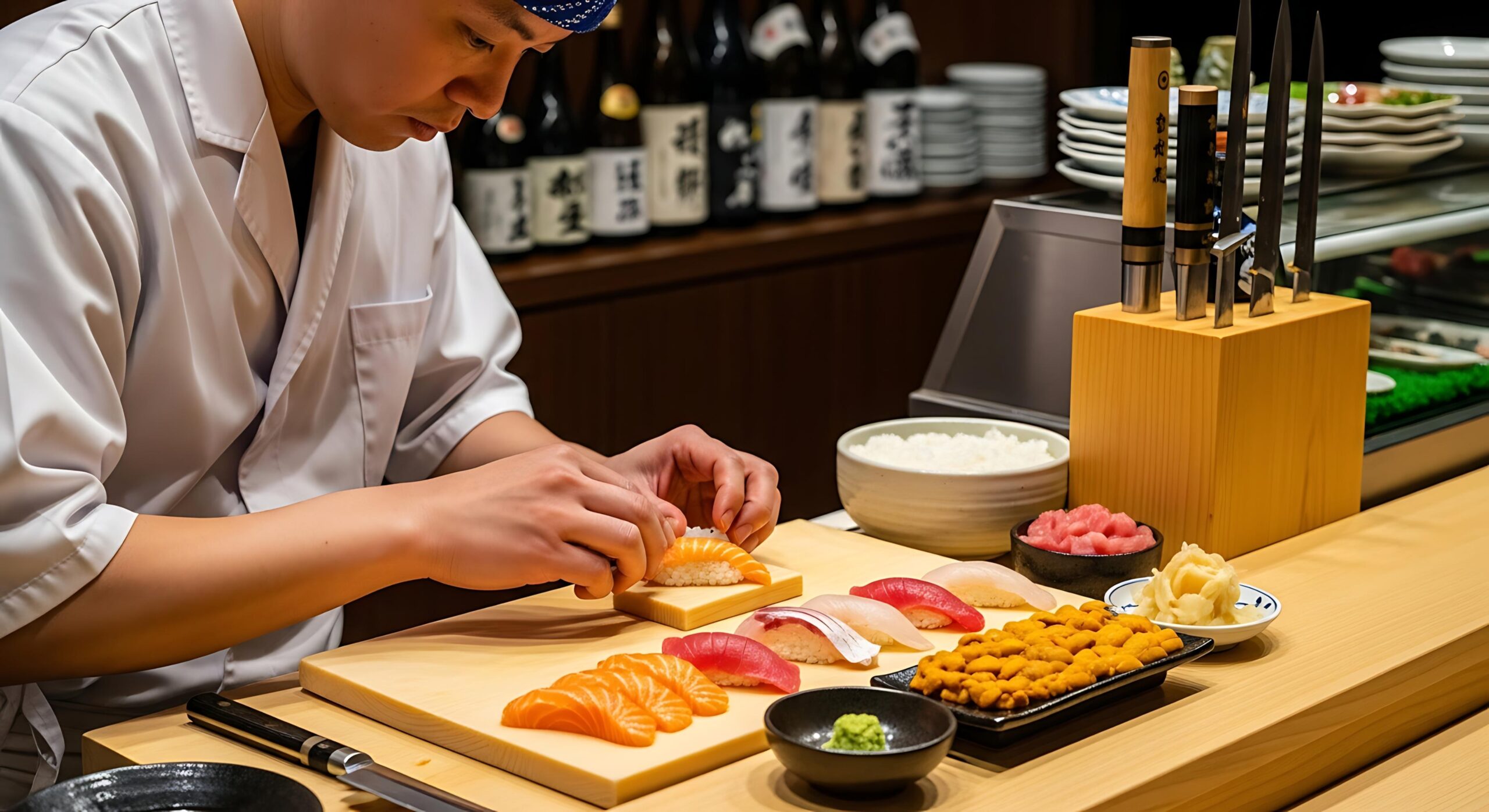
Your first omakase experience can feel like stepping into a culinary theater. The setting is almost always an intimate counter with limited seating, placing you directly in front of the chef. This setup is intentional, fostering a direct connection and allowing you to witness the artistry up close.
A typical sushi omakase meal consists of 15 to 20 carefully curated courses, served piece by piece. The progression often starts with lighter appetizers (zensai) and fresh sashimi before moving into the main event: a sequence of expertly crafted nigiri sushi. The chef prepares each piece individually, sometimes adding a specific garnish or a brush of sauce, before placing it directly in front of you to be eaten immediately. The meal may conclude with a hand roll, a comforting soup, and a light dessert.
Interaction is a key part of the omakase experience. The chef will often explain the origin of the fish and the preparation method for each dish. Beverage pairings, including sake, wine, or fine teas, are thoughtfully offered to complement the meal. Expect the entire experience to last between one and a half to two hours, a deliberately unhurried pace designed for full appreciation.
If you are dining in November or around the holiday season, it’s wise to make reservations early, as popular omakase restaurants in Singapore tend to fill up quickly. Many venues use cookies on their websites for reservation management, so be prepared for that when booking online.
Imagine yourself savoring the delicate flavors of sea urchin or perfectly aged otoro, all while enjoying the attentive service that defines a good omakase meal. Whether you are a first-time diner or a seasoned sushi lover, this immersive experience in a quiet corner of a premium Japanese restaurant is sure to leave a lasting impression.
Singapore’s Premium Sushi Omakase Scene

Singapore’s status as a global culinary capital has made it a fertile ground for high-end Japanese restaurants specializing in sushi omakase. The demand for authentic and premium experiences has fueled the growth of exceptional omakase restaurants across the city. A key factor is Singapore’s world-class logistics, which allows chefs to import fresh, seasonal ingredients like sea urchin and otoro directly from Japan’s famed markets several times a week.
The Singapore sushi omakase scene is wonderfully diverse, offering options across various price points and spaces, from quiet corners to bustling counters:
- Entry-Level (around $80 – $150): These restaurants provide a reasonable and accessible introduction to omakase, focusing on high-quality ingredients and skilled preparation. They often feature a good balance of nigiri sushi and cooked dishes, making them perfect for first-time diners hoping to experience authentic flavors without a hefty wait or reservation hassle.
- Mid-Range ($150 – $300): This tier includes well-established names like Sushi Masa at Cuppage Plaza and Ryo Sushi on Tras Street, known for both their sushi and grilled specialties. These spots offer more courses, better service, and a refined dining environment, with menus that often change daily to showcase seasonal uni, otoro, and other hits.
- Ultra-Premium ($300+): At this level, diners can expect world-class chefs, bespoke service, and exquisitely designed interiors. Big names such as Sushi Jin and Teppei dominate this segment, offering exclusive omakase meals that require early reservations, often booked weeks in advance. The experience here is not just about food but about immersing oneself fully in the art of sushi omakase, typically available for dinner from Tuesday to Sunday, with some venues also offering lunch on select days like Monday or Saturday.
Whether you are looking for a quiet corner to savor your meal or a lively space to watch the chef cook, Singapore’s sushi omakase restaurants provide a range of experiences to suit every palate and occasion.
Notable and Michelin Guide Proven Sushi Omakase Restaurants in Singapore
The city is home to a wealth of outstanding sushi omakase establishments, each with its own unique character. Here are a few renowned names to know and a quick review of what makes them special:
Shinji by Kanesaka
Located at the St. Regis and Carlton Hotel, Shinji is a two-Michelin-starred institution is a bastion of traditional Edomae-style sushi. Known for its uncompromising quality and masterful chefs, it offers an ultra-premium omakase meal that sushi lovers count among the best in Singapore. (Price: Ultra-premium)
Hashida Singapore
Chef Kenjiro ‘Hatch’ Hashida offers a creative and engaging omakase experience. The restaurant is celebrated for its innovative twists on classic techniques and its charismatic counter service. Reservations here can be hard to get, so it’s best to reserve early, especially in November. (Price: Mid-range to Ultra-premium)
Sushi Kimura
Helmed by Chef Tomoo Kimura, this Michelin-starred restaurant in Palais Renaissance is famous for its focus on premium, aged fish and its dedication to the harmony of ingredients, including the rice and water. This quiet corner spot is perfect for diners who want a refined omakase meal with better service. (Price: Ultra-premium)
Shoukouwa
As Singapore’s only three-Michelin-starred sushi restaurant, Shoukouwa offers an unparalleled experience with fish flown in daily from Tokyo’s Toyosu Market. The focus is on purity and perfection, making it a must-pick for serious sushi enthusiasts. (Price: Ultra-premium)
Sushi Masa by Ki Setsu

Located in the heart of Cuppage Plaza, Sushi Masa by Ki Setsu is often hailed as one of the best sushi omakase experiences in Singapore. This intimate restaurant offers a thoughtfully curated omakase meal that beautifully balances traditional nigiri sushi with expertly prepared cooked dishes. Chef Masa’s dedication to sourcing premium seasonal ingredients from Japan ensures each course is a hit, from fresh uni to melt-in-your-mouth otoro.
If you’ve never heard of some of these places, now you know where to go for a good omakase meal in Singapore. Many of these restaurants open reservations months in advance, especially around November and the holiday season, so it’s easy to see why booking early is crucial.
An insightful Lion City Sushi Chronicle article titled Six Weeks Out and Still No Table: The Real Reason Sushi Masa by Ki-setsu Is Singapore’s Hardest Omakase to Book perfectly captures the fierce demand and exclusivity of this beloved spot.
Whether you pick a big name or a hidden gem, the sushi omakase scene in Singapore is vibrant and diverse, ready to impress even the most discerning diners. Make sure to check the entrance policies and reserve your spot early to avoid disappointment.
Omakase Etiquette and Tips
Observing proper etiquette during omakase dining shows respect for the chef and the tradition.
Tipping: Tipping is not customary in Singapore, as a service charge is usually included in the bill.
Dress Code: Opt for smart casual attire. Avoid strong perfumes or colognes, as they can interfere with the delicate aromas of the food.
Chef Interaction: It is encouraged to ask questions about the food. However, avoid distracting the chef with overly personal or loud conversation.
Chopsticks or Hands: For nigiri, it is perfectly acceptable, and often preferred, to use your clean hands. Use chopsticks for sashimi.
Soy Sauce and Wasabi: The chef will season each piece of nigiri with the perfect amount of wasabi and sauce. You should not need to add more.
Pacing: Eat each piece as soon as it is served to enjoy it at the ideal temperature and texture.
Dietary Needs: Inform the restaurant of any allergies or major dietary restrictions when you make your reservation, not when you are seated.
Is Sushi Omakase Worth the Price?

The price tag for a sushi omakase meal can be significant, but it reflects the immense value packed into the experience. You are paying for the highest quality seasonal ingredients, sourced from the best markets in Japan. You are also paying for the chef’s years, or even decades, of training, expertise, and artistry. Finally, you are paying for an intimate, educational, and memorable experience that transcends a simple meal.
For a special occasion, an omakase dinner is an unforgettable treat. For sushi enthusiasts, exploring different price points offers a fascinating look into the nuances of the craft. To maximize your experience, go with an open mind, engage with the chef, and savor every moment.
The sushi omakase experience is one of the most profound ways to appreciate Japanese cuisine. It is a journey of taste, trust, and tradition, guided by a master of the craft. In Singapore, this dining style has found a perfect home, thriving in a city that values quality, authenticity, and culinary excellence.
Whether you are celebrating a milestone or simply seeking to deepen your love for sushi, embracing the omakase experience is a decision you will not regret.