
Seasonal Specialties: How Affordable Sashimi Singapore has Changes Throughout the Year
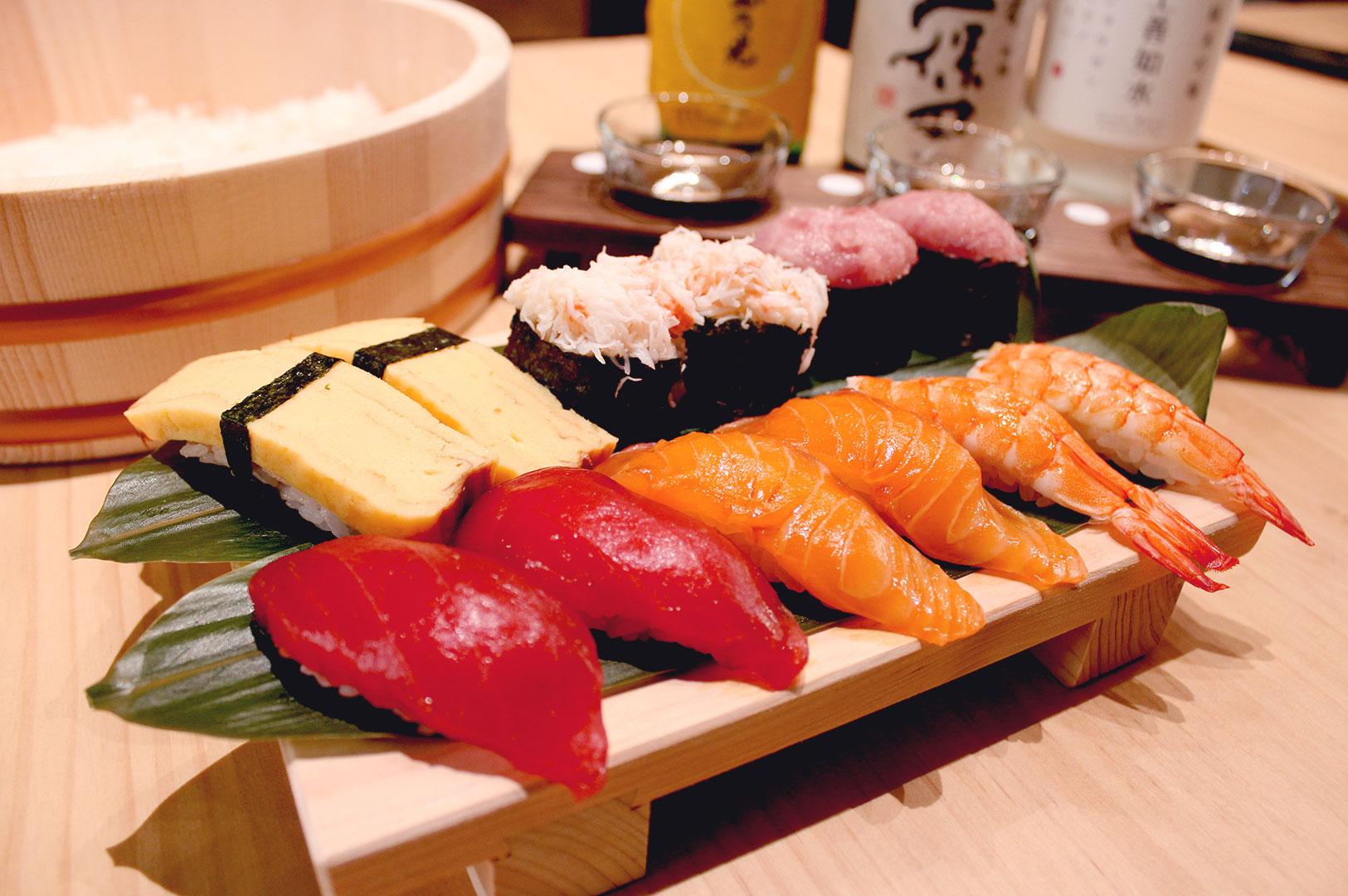
Walking into a sushi restaurant in Singapore is always a treat, but there’s a special kind of excitement that comes with discovering a seasonal special on the menu. While we enjoy our favorite salmon and tuna year-round, the world of sashimi opens up into a vibrant, ever-changing landscape, offering a diverse array of options that showcase the best ingredients each season has to offer. Many believe that experiencing these transient flavors is a luxury reserved for expensive omakase meals, but that couldn’t be further from the truth. The market for affordable sashimi Singapore is deeply connected to these seasonal rhythms, offering savvy diners a chance to taste the best of the ocean at its peak freshness and value.
This guide will take you on a journey through the year, exploring how the dishes featured for sashimi Singapore evolve with the changing seasons. We’ll uncover the Japanese concept of “shun,” or peak seasonality, and show you how to find these delicious, fleeting treasures without breaking the bank. Get ready to elevate your sashimi experience and discover a new appreciation for the dynamic flavors that arrive on our shores throughout the year.
Understanding Seasonal Fresh Sashimi
At the heart of Japanese culinary philosophy is the concept of “shun” (旬). This term refers to the peak season of a particular ingredient, the time of year when it is at its most flavorful, nutritious, and abundant. For seafood, this means the fish is not only at its best but also more readily available, which often translates to more affordable prices. A fish eaten during its shun is a completely different experience—its texture is superior, and its flavors are more complex and pronounced.
Singapore, with its strategic location and world-class logistics hub, is uniquely positioned to benefit from shun. We receive incredible seafood from the waters of Japan and other regions, allowing us to enjoy a diverse range of seasonal catches. Smart establishments offering affordable sashimi Singapore leverage this advantage. Their dedicated team works together to curate the best seasonal offerings, ensuring expertise and professionalism in every dish. By building their menus around these seasonal abundances, they can offer exceptional quality and variety at a great price point, passing the value directly to you, and delivering fresh, seasonal sashimi to customers who appreciate authentic Japanese flavors.
Spring/Early Year Specialties (March – May)
As the cold waters of winter begin to warm, a new cast of characters emerges. Spring sashimi is often characterized by delicate, clean flavors and firm textures.
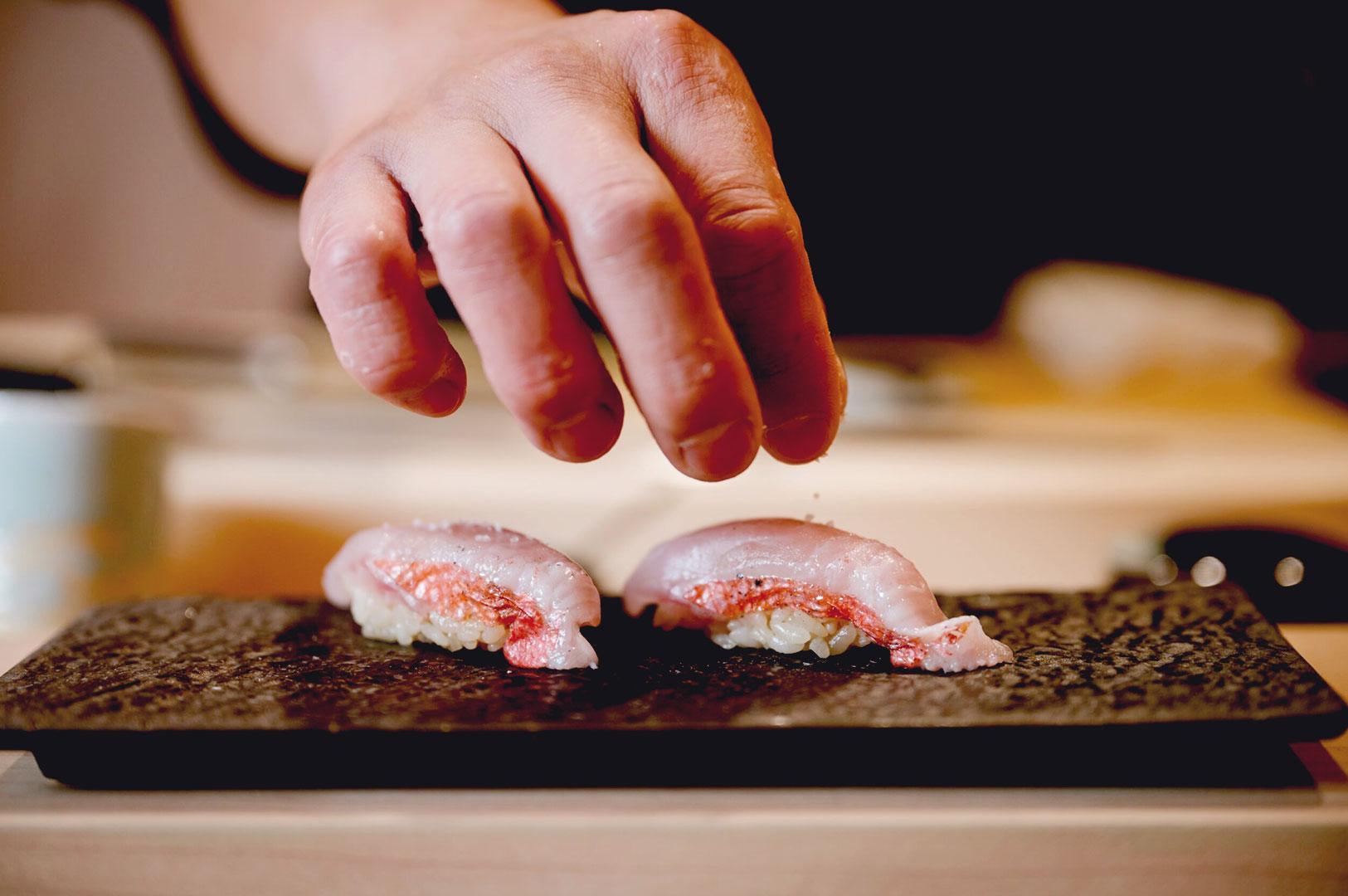
- Kinmedai (Golden Eye Snapper): With its striking bright red skin and large, golden eyes, Kinmedai is a visual treat. Its flesh is tender with a high fat content that gives it a rich, umami flavor. It’s a luxurious fish that becomes more accessible during its peak season.
- Hotate (Scallops): While available year-round, scallops are particularly plump and sweet in the spring. Their creamy, almost melt-in-your-mouth texture makes them a perennial favorite. A single premium scallop is sometimes featured as the highlight in a specialty bowl or sashimi platter, showcasing its quality and flavor.
Spring menus may also include a refreshing sashimi salad, often garnished with fresh vegetables such as tomatoes, to complement the delicate flavors of the season.
Summer Specialties (June – August)
Summer brings fish that are lean, muscular, and full of robust flavor, having spent the spring feeding actively.
- Aji (Horse Mackerel): Don’t let the name “mackerel” fool you; fresh, seasonal Aji is nothing like its strongly flavored preserved cousins. It has a firm texture and a clean, savory taste with just a hint of sweetness. It’s often served with a dab of grated ginger and spring onion to complement its flavor.
- Katsuo (Bonito/Skipjack Tuna): Katsuo is a summer icon in Japan. It has a deep red, meaty flesh and a rich, bold flavor. It’s often lightly seared on the outside (a preparation called tataki), leaving the inside raw. This gives it a wonderful smoky aroma that contrasts with the fresh interior.
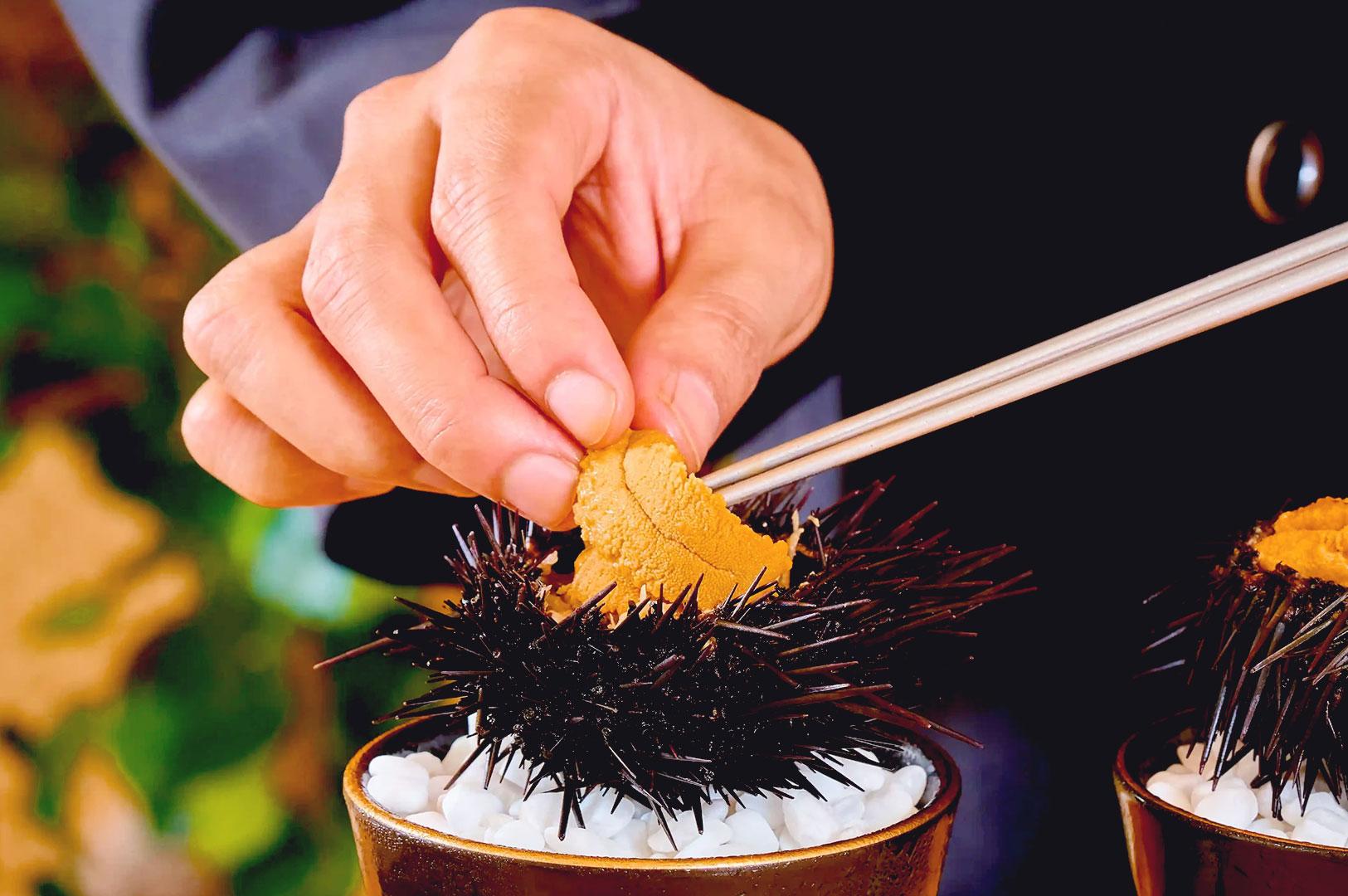
- Uni (Sea Urchin): Summer is the peak season for many types of Uni. During this time, it is at its creamiest, sweetest, and most intensely flavorful. While premium uni can be expensive, many affordable sushi spots offer promotions on uni gunkan maki or mini uni bowls during the summer months, often featuring generous portions of uni.
Many restaurants also offer assorted sashimi platters during the summer, allowing diners to sample a variety of fresh, seasonal fish. Summer chirashi bowls often feature a bed of seasoned rice topped with a selection of fresh summer sashimi.
Autumn Specialties (September – November)
Autumn is arguably the most celebrated season for sashimi lovers, with the autumn menu featuring a range of delectable dishes that showcase the season’s finest ingredients. As the waters cool, fish begin to pack on fat in preparation for winter, resulting in incredibly rich and decadent flavors.
- Sake (Salmon) & Ikura (Salmon Roe): While salmon is a year-round staple, autumn is when it truly shines. Wild-caught salmon returning to spawn are at their fattiest and most flavorful. This is also the peak season for ikura, the glistening, jewel-like salmon roe that pops in your mouth with a burst of savory, oceanic flavor. This is the best time to find amazing deals on salmon sashimi in Singapore.
- Sanma (Pacific Saury): Sanma is the quintessential autumn fish in Japan. Its name even contains the character for autumn (秋). It has a distinct, strong flavor that is rich and oily. Because it’s so abundant, it’s often one of the most affordable seasonal options.
Unagi is also a popular autumn specialty, often featured in seasonal menus as a signature dish prepared in the traditional Edo-style. Autumn fish are frequently served as nigiri, allowing diners to enjoy their rich flavors in a classic sushi presentation. Some restaurants offer a special autumn omakase menu, curated by the chef to showcase the season’s best ingredients and provide a bespoke dining experience.
Winter Specialties (December – February)
Winter is the time for cold-water fish, which develop a higher fat content to survive the chilly temperatures. This results in sashimi with a buttery texture and deep, complex flavors.
- Buri (Adult Yellowtail): As yellowtail mature and fatten up for winter, they are called Buri. Winter Buri is prized for its marbling and rich, oily flesh that practically melts on the tongue. It has a more pronounced flavor than its younger counterpart, Hamachi.
- Toro (Fatty Tuna): Tuna also fattens up in the winter, making it the best season for indulging in toro. Winter is especially ideal for enjoying premium cuts like otoro and medium fatty tuna from bluefin tuna, which are known for their exceptional flavor, melt-in-the-mouth texture, and luxurious quality. While the highest grades can be costly, many mid-range restaurants offer promotions on lower-grade toro or feature it in special seasonal platters, making it more accessible.
- Hotate (Scallops): Scallops make another appearance as a winter specialty. They become even sweeter and denser in the cold water, offering a different but equally delightful experience compared to their spring version.
A complete winter meal often includes a bowl of miso soup or other traditional Japanese soup to complement the sashimi and enhance the dining experience.
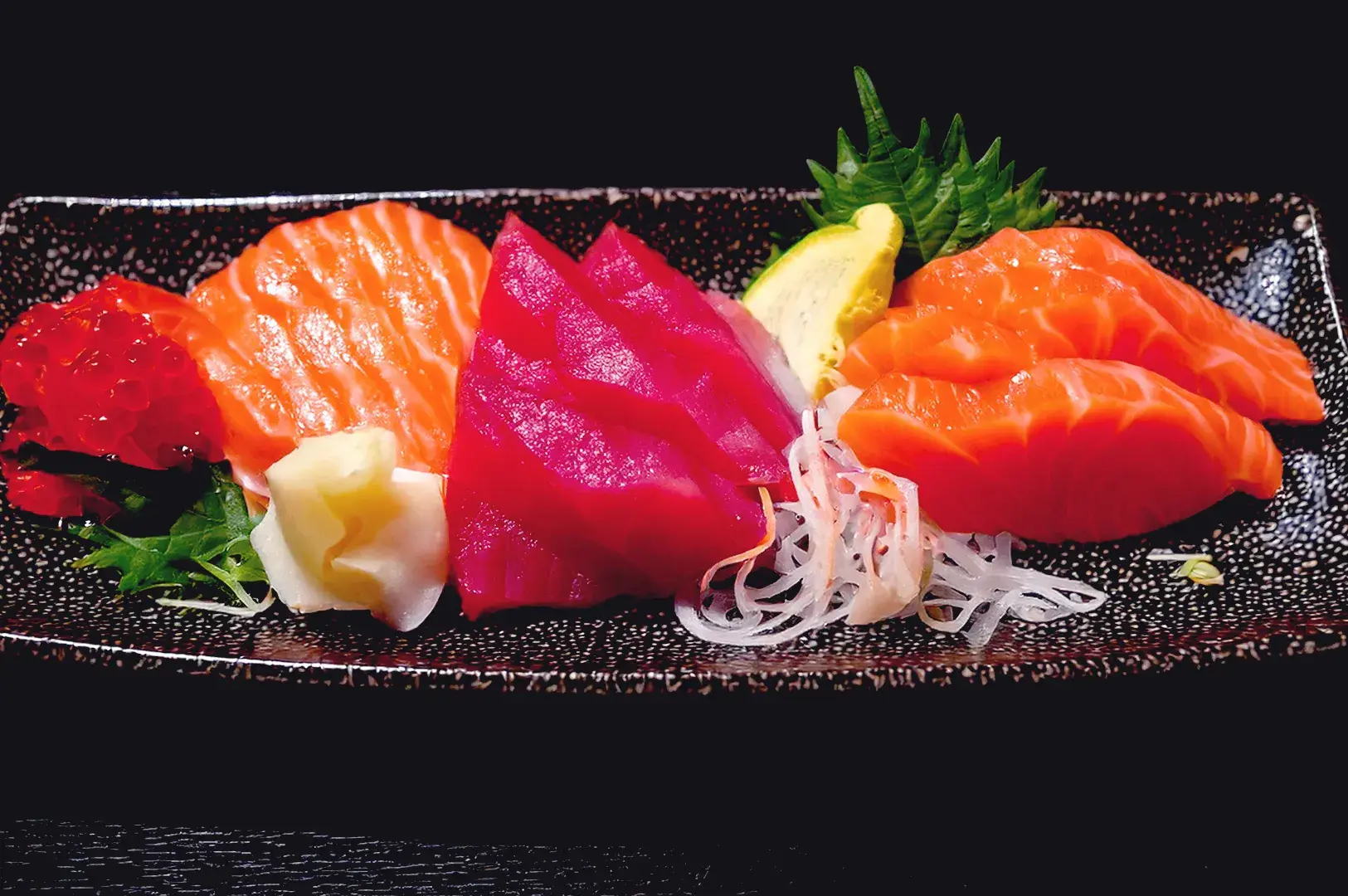
Tips for Finding Affordable Fresh Seafood and Seasonal Sashimi in Singapore
Finding these seasonal treasures doesn’t require a trip to a high-end restaurant. Here’s how you can enjoy the best of the season on a budget.
- Visit Japanese Supermarkets: Stores like Don Don Donki, Isetan, and Meidi-Ya have fantastic seafood sections. They often stock seasonal fish and pre-packaged sashimi platters at very reasonable prices, which are easy to prepare at home.
- Look for Lunch Specials: Many sushi restaurants in the CBD and neighborhood hubs offer value-for-money lunch sets that often include a small portion of a seasonal fish. Lunchtime and dinner are both great times to find value deals, and some places offer special promotions on Saturdays.
- Explore Casual Dining Spots: Venture into neighborhoods known for good food, like Katong or Serangoon Gardens. You’ll find many casual Japanese eateries that pride themselves on offering cheap and good sushi Singapore, including seasonal options. Making a reservation is recommended for popular places, especially during peak times.
- Ask the Chef: Don’t be afraid to ask, “What’s in season?” or “What are your recommendations today?” Chefs are passionate about their ingredients and are often happy to point you toward the best and freshest offerings.
- Pair with Alcoholic Drinks: Enhance your meal by pairing sashimi with alcoholic drinks like sake, shochu, or umeshu for a more authentic experience.
- Explore with Friends and Family: Sharing sashimi with friends and family enhances the experience, making it perfect for group gatherings or special occasions.
Stores Offering Affordable Seasonal Sashimi in Singapore
For those seeking hidden gems, here are three lesser-known sushi bars specializing in Japanese cuisine, consistently serving up wallet-friendly, high-quality seasonal sashimi:
- Ryoshi Sushi Ikeikemaru (Liang Court / Great World City)Tucked away in the basement of Great World City, Ryoshi Sushi Ikeikemaru collaborates directly with Japanese fishing ports, offering fresh-from-the-source sashimi that changes with the seasons. Their board often lists unique catches of the week, and prices are surprisingly approachable for the quality—perfect for adventurous eaters eager to try rare or limited specials. Sashimi here is served in the Edomae sushi tradition, often garnished with shiso flowers for added flavor and visual appeal, and prepared under the guidance of a seasoned Japanese chef.
- Kuro Maguro (Guoco Tower, Tanjong Pagar)Specializing in maguro (tuna) flown in directly from Misaki Port, Kuro Maguro is a haven for affordable sashimi in Singapore, especially when the season brings in peak catches. With regularly rotating seasonal platters and value-don sets priced from $18, it’s a favorite among office workers and sashimi fans in the CBD who want authentic cuts without omakase prices. The sushi bar serves its sashimi with meticulous attention to traditional Japanese techniques, ensuring an authentic Edomae experience. The elegant yet relaxed ambiance makes it the perfect setting for a sashimi meal.
Other notable sushi bars in Singapore include Mita Sushi, renowned for its dedication to authentic Japanese cuisine, and Shinji by Kanesaka, located in the prestigious Carlton Hotel and Goodwood Park Hotel, both celebrated for their seasoned Japanese chefs and commitment to the Edomae sushi tradition. Diners can look forward to an authentic Japanese dining experience at these establishments.
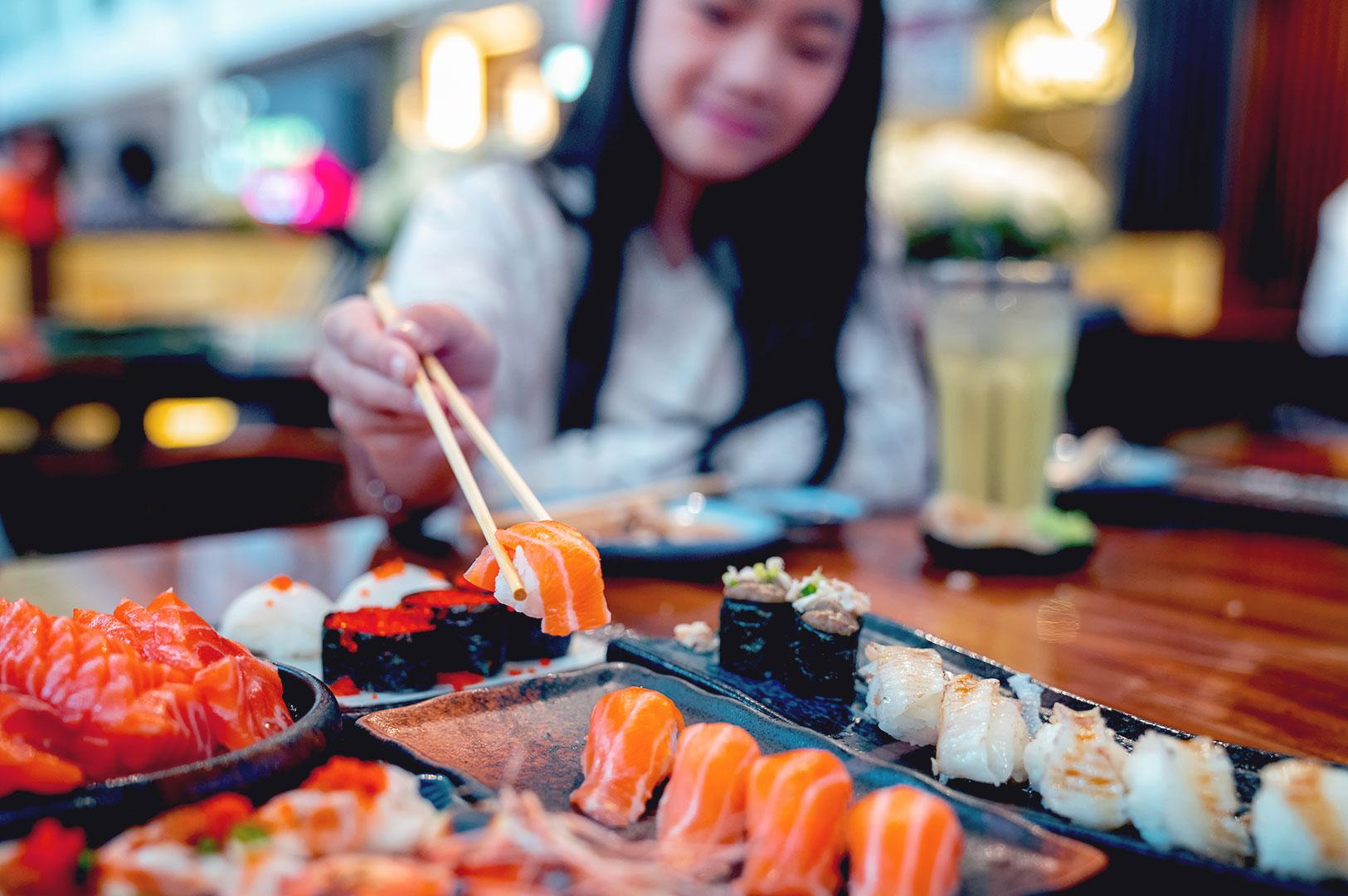
A Year of Flavor Awaits in Sushi Bars
Following the seasons is one of the most rewarding ways to enjoy sashimi. Each time of year brings new flavors, textures, and discoveries, turning a simple meal into an exciting culinary event. The best part is that in a city like ours, this experience is not a luxury. The vibrant market for affordable sashimi Singapore ensures that everyone can partake in this delicious journey.
So, the next time you’re craving raw fish, look beyond the standard menu. Ask about what’s in shun, be adventurous, and allow the rhythm of the seasons to guide your palate. You’ll unlock a whole new dimension of the sashimi Singapore scene and find that quality and affordability can, and do, go hand in hand. Explore other interesting reads on SG Sushi Stories.