
Sushi Japanese Food Evolution: From Edo Bay to Singapore’s Bay
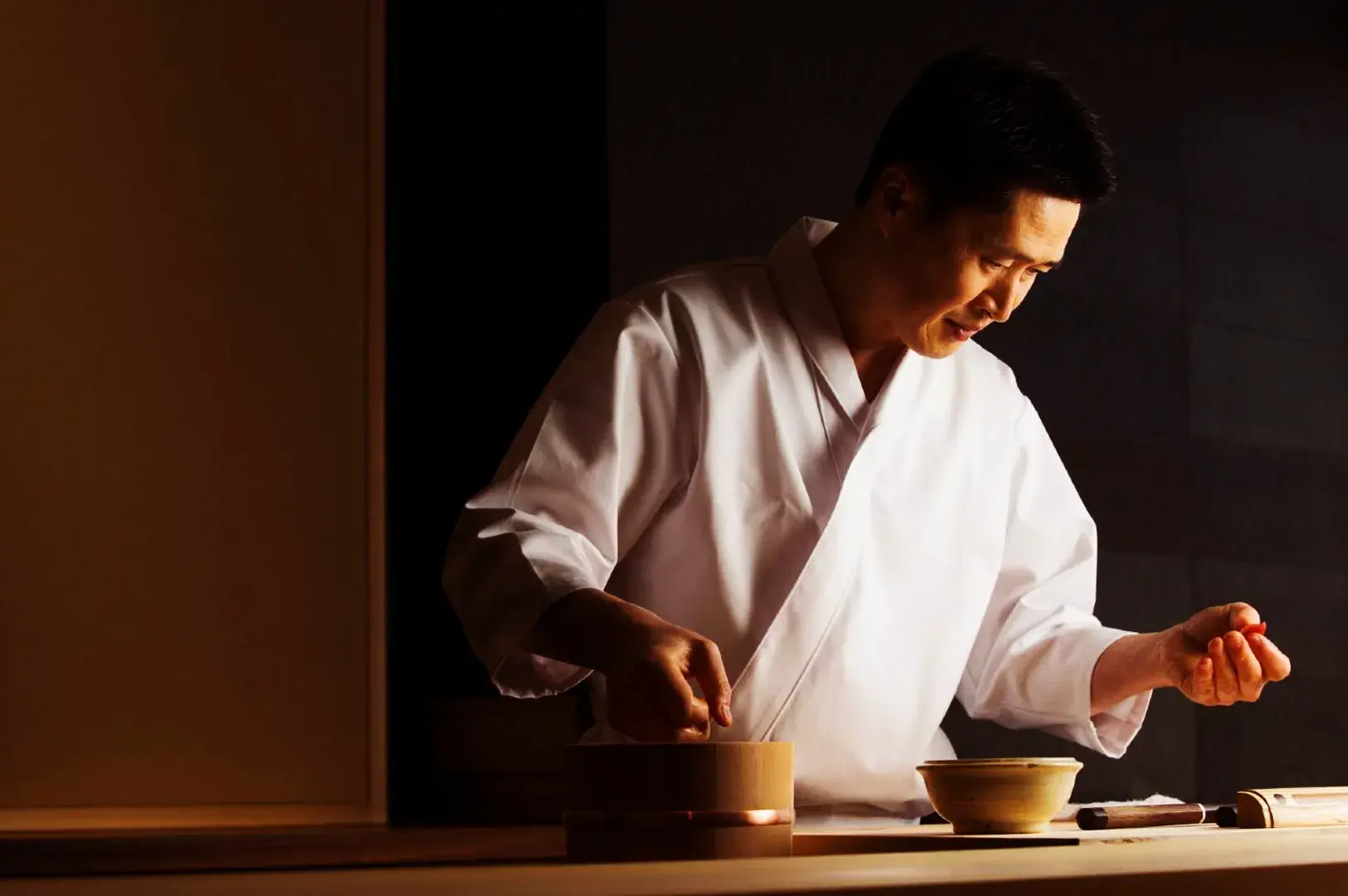
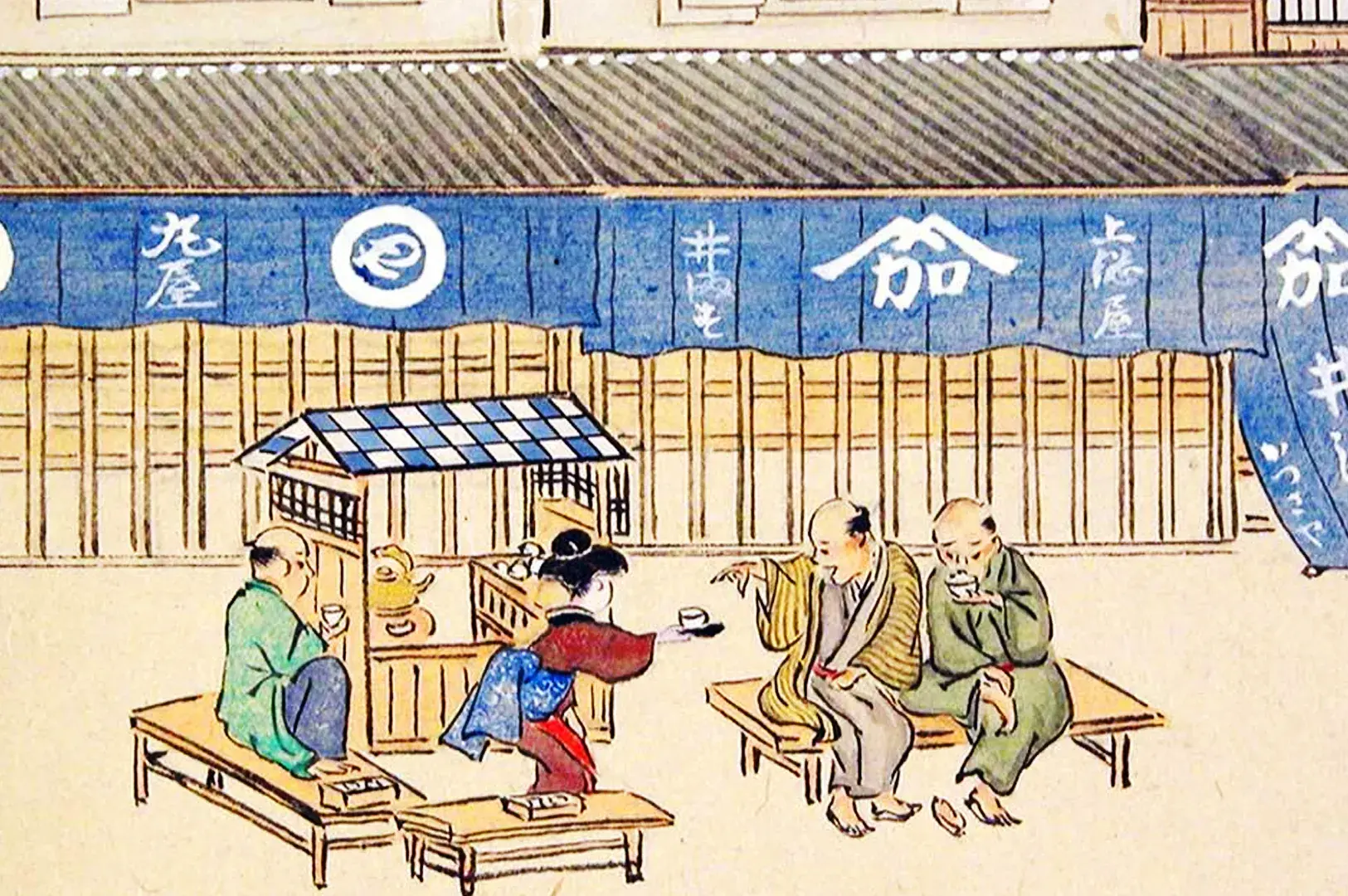
Imagine the bustling waterfront of 19th-century Edo period, the city we now call Tokyo. Picture street vendors skillfully pressing slices of fresh fish onto vinegared rice, serving quick, delicious bites to a busy populace. This is the birthplace of modern sushi, a culinary art form born from practicality and perfected with passion. Now, transport yourself to a vibrant Singaporean food court, where similar creations are enjoyed alongside local delicacies. The journey of sushi Japanese food from the shores of Edo Bay to the heart of Singapore’s bay is a remarkable tale of migration, adaptation, and cultural exchange. It reveals how a traditional cuisine can travel the world and find a new, dynamic identity.
Sushi’s Humble Beginnings in Edo Bay
Long before it became a global phenomenon, sushi began as a utilitarian method of preserving fish. In Southeast Asia, fish was packed in salted, fermenting rice to keep it from spoiling. Over centuries, this practice traveled to Japan, where the process was refined. By the Muromachi period (1336-1573), the Japanese had begun to eat the rice with the fish rather than discarding it. However, the form of sushi Japanese food we recognize today truly took shape during the Edo period (1603-1868).
In the bustling city of Edo, street food culture flourished. A chef named Hanaya Yohei is often credited with creating what we now call Edomae sushi, named after the fish caught in Edo Bay. He started serving fresh, raw fish or lightly cured seafood on top of small, hand-pressed mounds of specially prepared sushi rice seasoned with vinegar. This was fast sushi: fast sushi is a type of fast food meant to be eaten quickly on the go. The focus was on showcasing the natural flavor of the local catch, giving rise to iconic types like nigiri sushi and sashimi. This was the genesis of a culinary philosophy centered on freshness, balance, and meticulous craftsmanship: a japanese culinary tradition carried on by sushi chefs to this day.
The Journey of Sushi Restaurants to Singapore
The migration of sushi to Singapore’s shores is woven into the city’s history as a global crossroads. Early Japanese immigrants brought their culinary traditions, but it was in the latter half of the 20th century, as Singapore’s economy boomed, that sushi Japanese food truly began to flourish. Initially, sushi was considered a luxury, an exclusive dining experience found in authentic sushi restaurants and high-end hotels catering to Japanese expatriates and affluent Singaporeans.
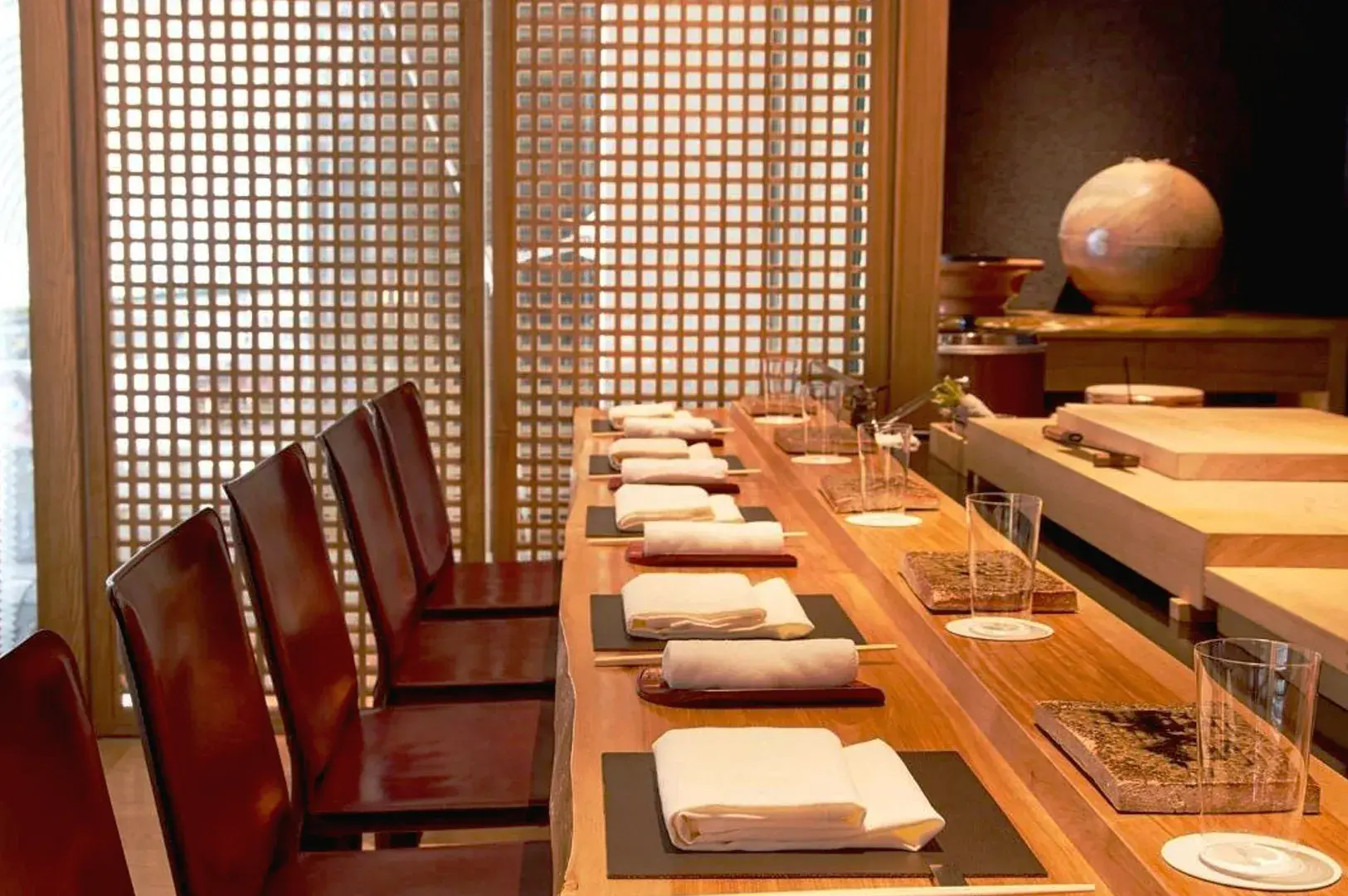
As globalization accelerated and Singapore established itself as a premier culinary hub, the appetite for quality sushi and the omakase dining experience grew exponentially. The city’s world-class logistics and discerning palate created the perfect environment for premium sushi ingredients flown daily from Japan to thrive. This paved the way for dedicated sushi bars and the introduction of omakase courses, where diners entrust their meal to the sushi chef’s expertise. The emergence of Singapore sushi culture transformed sushi from a foreign delicacy into a celebrated part of the local dining scene, enjoyed by food enthusiasts from many countries.
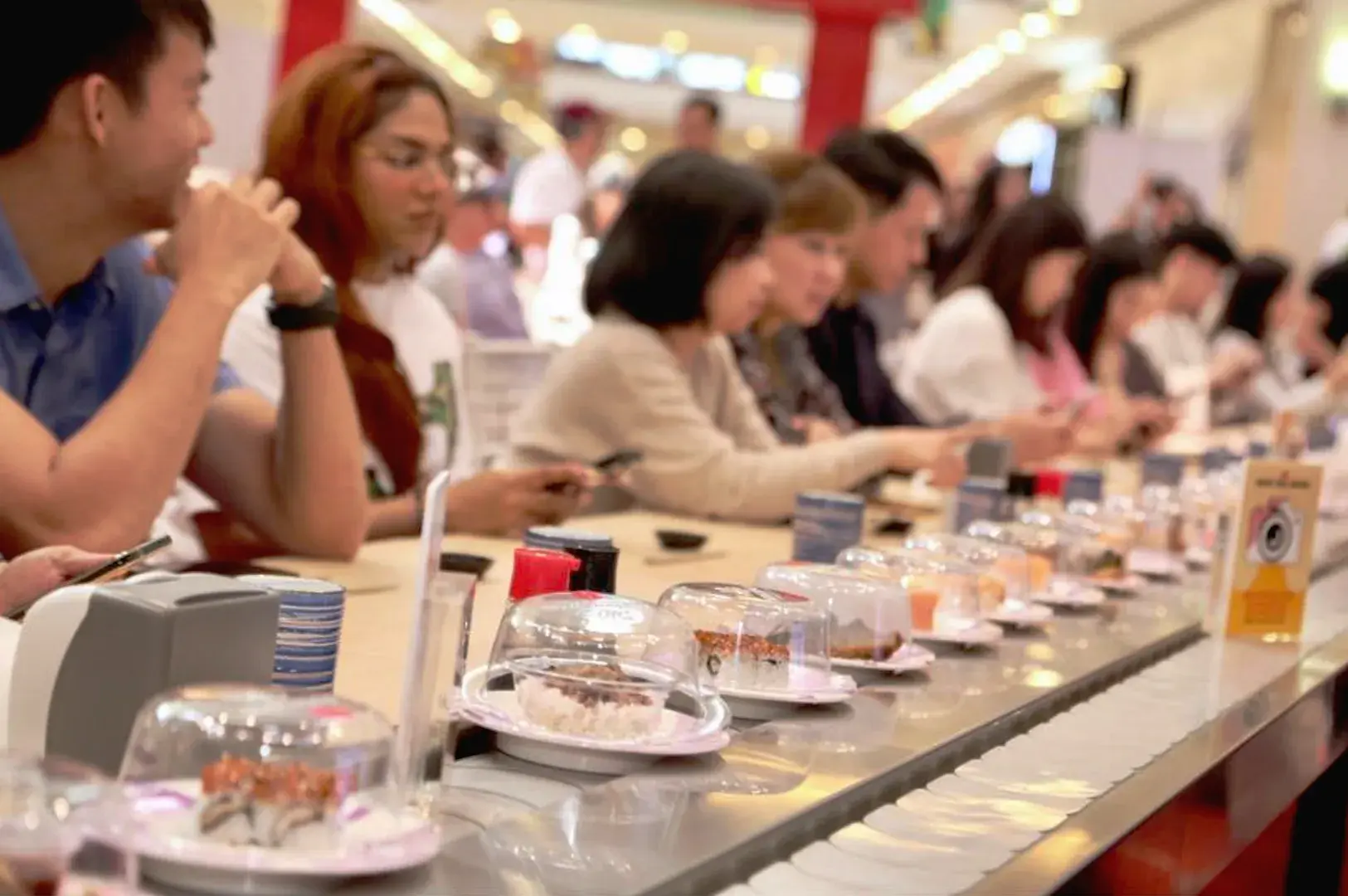
Sushi restaurants in Singapore now offer a variety of sushi types, including nigiri sushi topped with fatty tuna and medium fatty tuna, pressed sushi or box sushi from the Kansai region, and popular sushi rolls such as the California roll. These rolls, often made with specially prepared rice and wrapped in nori, are sliced into bite-sized pieces using a bamboo mat. Dining experiences range from the intimate sushi bar to lively kaiten zushi or conveyor belt restaurants, where different colored plates represent different prices, allowing diners to enjoy sushi at various price points.
The careful balance of vinegared rice, fresh fish, and other sushi ingredients, including popular varieties like mackerel sushi and tuna roll, paired with traditional accompaniments like green tea, miso soup, and soy sauce, continues to define the authentic sushi Japanese food experience in Singapore. Whether enjoying a nori wrapped sushi roll or a cone-shaped hand roll, the flavors reflect the rich heritage of Japanese cuisine and the precision of Japan sushi craftsmanship. The inclusion of tempura as a seasonal or special menu item adds variety and texture to the meal.
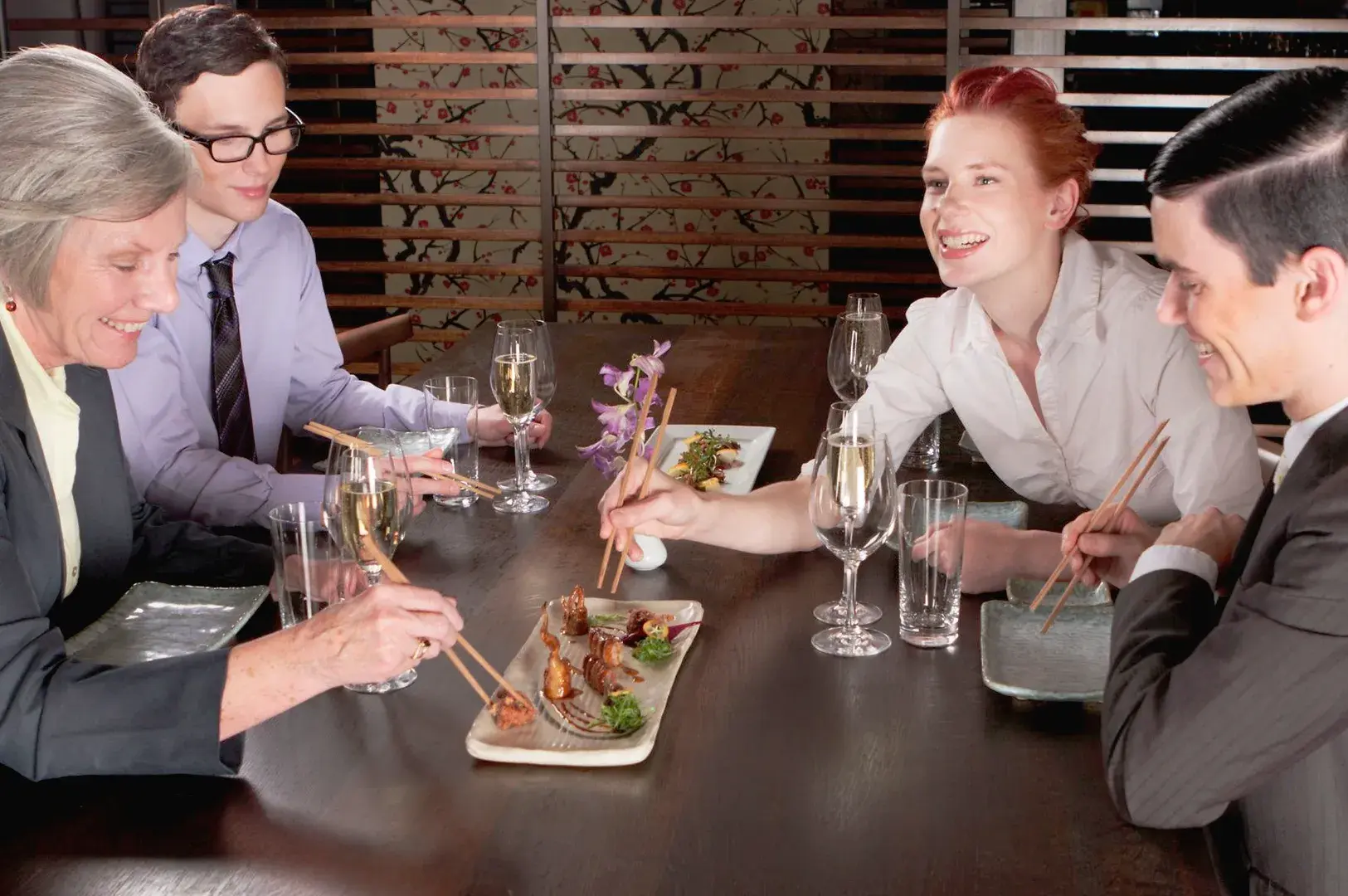
Proper eating sushi etiquette, including using chopsticks or the preferred utensil and resting them on a chopstick rest when not in use, enhances the dining experience. Diners are also reminded to avoid using too much soy sauce, as it can overpower the delicate flavors crafted by skilled sushi chefs. When you apply this etiquettes, you will have a more profound appreciation of the innovation led by sushi chefs in Singapore, and how it ensures that sushi remains a dynamic and beloved cuisine, celebrated on special occasions and everyday meals alike.
Adaptation and Reinvention of Japanese Cuisine in Singapore
What makes the story of Singapore sushi compelling is its evolution within the nation’s multicultural landscape. Sushi did not just arrive in Singapore; it was embraced, interpreted, and reinvented. While traditional Edomae-style sushi ya continue to be revered for their purity and craftsmanship, a parallel evolution took place in more casual settings.
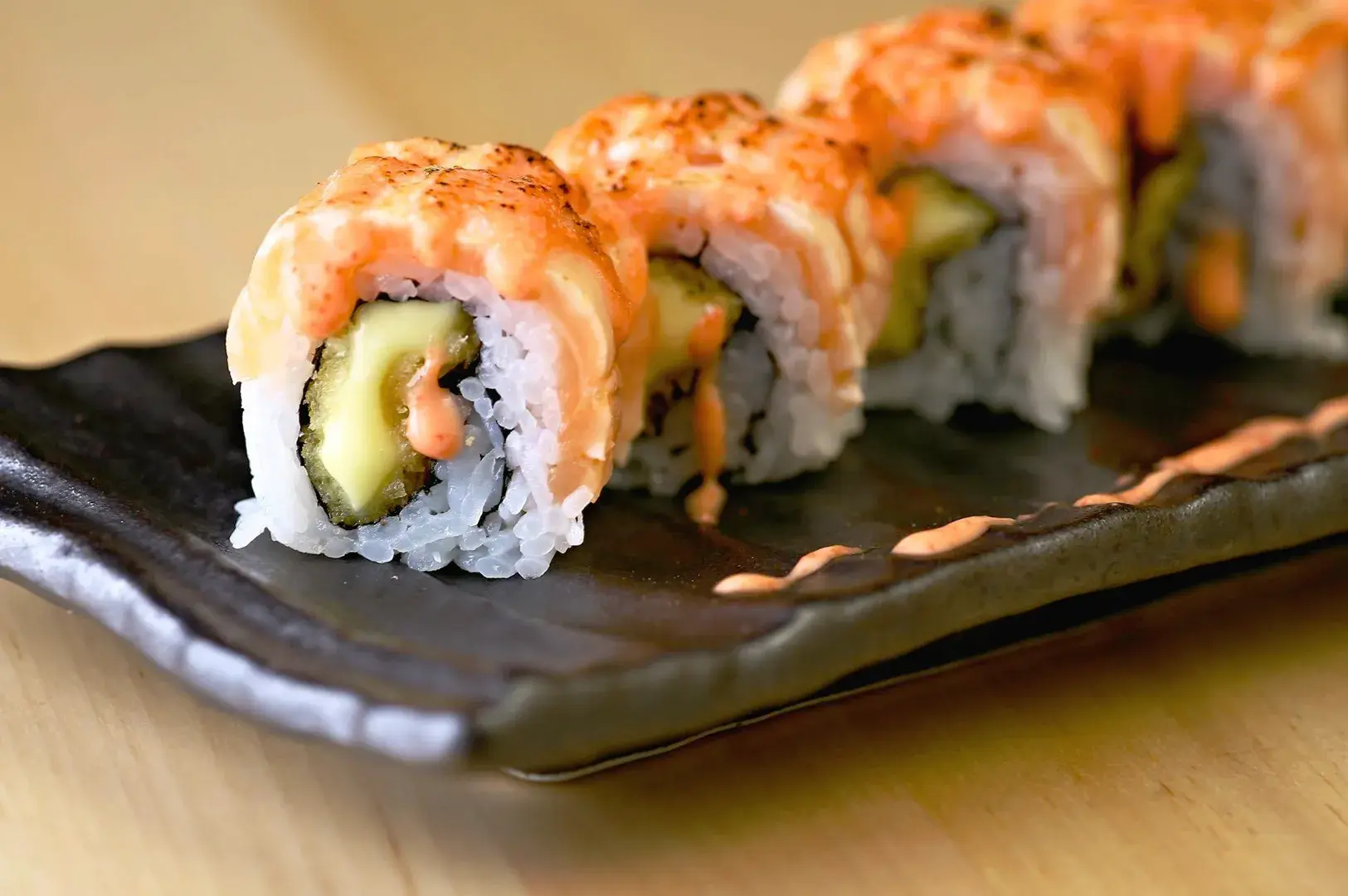
Local chefs and entrepreneurs began adapting sushi to the Singaporean palate, creating fusion dishes now beloved staples. This is where you see the birth of the Aburi roll, with its creamy, flame-seared mayonnaise topping, or maki filled with distinctly local ingredients like chicken floss. These innovative rolled sushi varieties, often wrapped in nori and sliced into bite-sized pieces using a bamboo mat, highlight the creativity infused into the sushi Japanese food scene.
In addition to classic nigiri sushi topped with fatty tuna, medium fatty tuna, and sea urchin (uni), other traditional forms like gunkan maki (also known as the warship roll) have found their place on menus. This style uses a strip of nori wrapped around sushi rice to form a vessel for soft toppings, showcasing the clever use of sushi ingredients. Similarly, pressed sushi or box sushi made using a wooden mold remains a popular specialty, often presented on a bamboo leaf to enhance visual appeal and freshness.
Scattered sushi, a vibrant dish featuring sushi rice topped with a colorful assortment of seafood and vegetables, also enjoys popularity, especially on seasonal menus at authentic sushi restaurants emphasizing fresh ingredients flown daily from Japan. This creative spirit has made sushi accessible and exciting for a broader audience, integrating it into the everyday food culture of the city. Seasonal menus at authentic sushi restaurants emphasize fresh ingredients flown daily from Japan, including premium seafood sourced from markets like Toyosu.
Whether enjoyed at an intimate sushi bar or a lively kaiten zushi conveyor belt restaurant, the dining experience in Singapore reflects both traditional Japanese culinary tradition and the dynamic, multicultural influences of the city. The careful balance of slightly sweet vinegared rice, fresh fish, and other sushi ingredients, paired with accompaniments like green tea and miso soup, continues to define the best sushi experience in Singapore.
This journey is a fascinating study in culinary democracy, a topic explored in depth in “From Hawker Stalls to High-End: The Democratic Rise of Japanese Sushi in Singapore.” Here, the precision of Japanese technique meets the bold, eclectic flavors of Southeast Asia, creating something entirely new yet deeply resonant. This evolution showcases how sushi Japanese food thrives in other countries by adapting to local tastes while honoring its roots, making it a beloved cuisine across many countries.
Visiting the Best Sushi Bars in Singapore
The evolution of sushi from the shores of Edo Bay to the bustling food courts and elegant restaurants of Singapore is a powerful testament to the dynamic nature of culinary heritage. It highlights how food travels, adapts, and takes on new meaning as it crosses borders. The journey of Singapore sushi reflects the city’s own identity: a place where tradition is honored, innovation is celebrated, and diverse cultures come together to create something extraordinary.
Whether enjoying a classic type of sushi or savoring rolls featuring other seafood, the next time you enjoy a piece of sushi, whether a classic piece of sashimi or a creative local roll, take a moment to appreciate the incredible history packed into that single, perfect bite.