Hawker Heritage: How Japanese Sushi Found Its Place in Singapore’s Food Courts
The familiar, energetic chorus of a Singaporean hawker center, the clatter of plates, the sizzle of woks, and the mingling aromas of countless cuisines. Amidst this vibrant tapestry, a quieter, more recent addition has found its rhythm: the sight of a chef meticulously crafting Japanese sushi. The scene is a fascinating cultural study. A culinary tradition once reserved for serene, high-end restaurants is now thriving alongside chicken rice and laksa. This journey of sushi from an exclusive delicacy to a beloved hawker staple is a uniquely Singaporean story of adaptation, accessibility, and a shared love for good food.
The Journey of Sushi Restaurants to Singapore’s Hawker Centers
The path of sushi into the heart of Singapore’s food courts is a narrative shaped by globalization, economic shifts, and a growing local palate for Japanese flavors. In the latter half of the 20th century, as Singapore’s economy grew, so did its exposure to international cuisines. Japanese sushi initially arrived as an emblem of corporate dining and fine-dining luxury, often enjoyed in exclusive sushi restaurants and hotels.
However, as more Singaporeans traveled and the demand for authentic sushi restaurant experiences grew, a new market segment emerged. The desire for quality sushi Japanese food created an opportunity for enterprising chefs and business owners. They recognized that the hawker center, the democratic heart of Singapore’s food culture, was the perfect venue to introduce sushi to a wider audience. This transition involved clever adaptations, from sourcing more affordable yet fresh seafood and sushi ingredients to creating fusion sushi rolls that appealed to local tastes. The hawker stall became a new stage for sushi, stripping it of its formal pretenses while retaining its core essence of vinegared rice and fresh fish.
Introduction of Japanese Restaurants, Conveyor Belt Sushi, and More
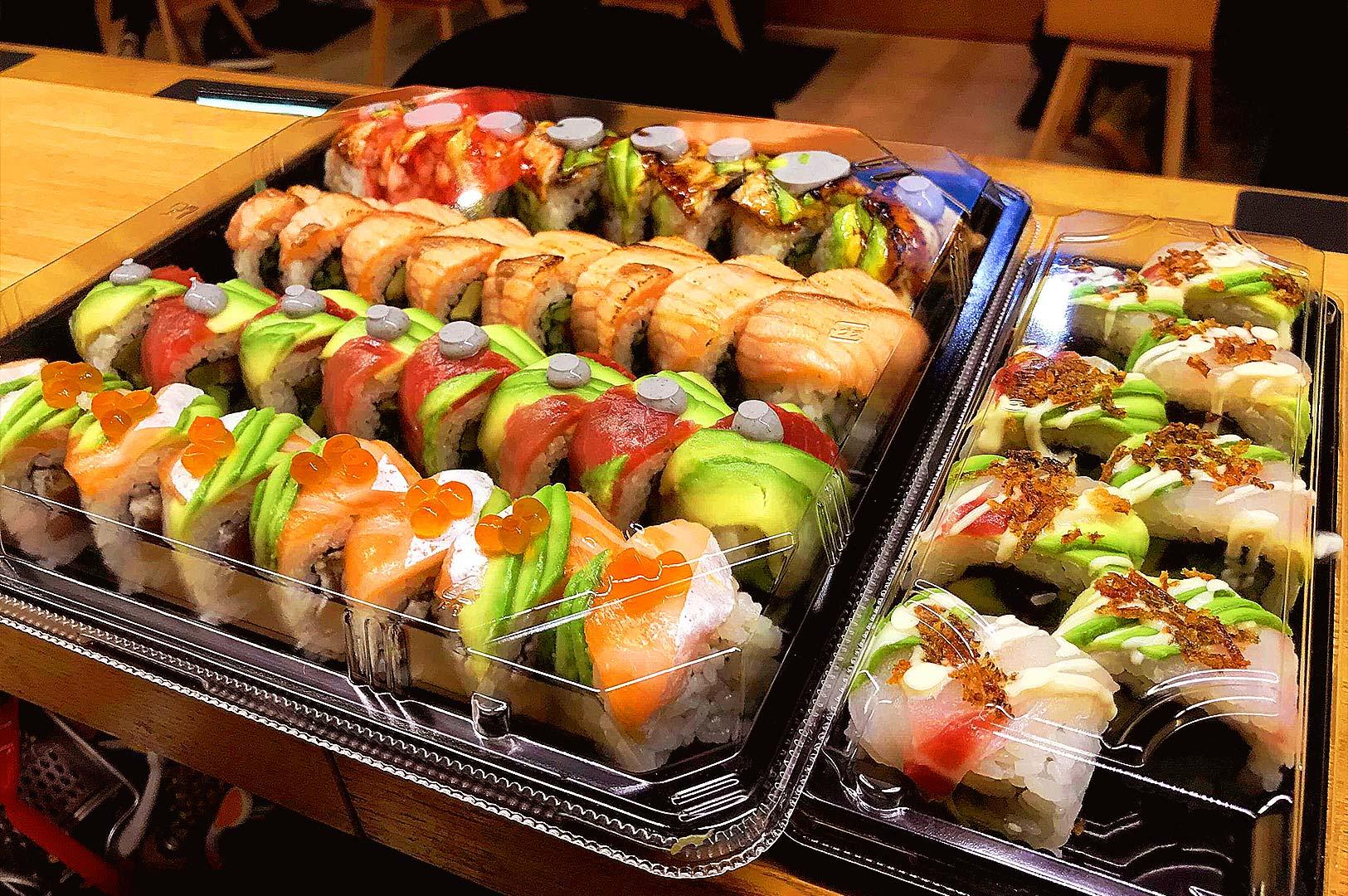
This democratization of sushi allowed for fast sushi and fast food versions to be eaten quickly and affordably, making Japanese cuisine accessible to many. Using specially prepared rice, often seasoned to a slightly sweet balance, and traditional Japanese sushi techniques, hawker chefs crafted bite-sized pieces and sushi platters that delighted taste buds across the city. The incorporation of local flavors and ingredients, such as pickled radish and mentaiko, alongside classic staples like nigiri sushi and maki sushi, created a unique hawker-style sushi experience. This fusion also introduced variations like hand rolls in cone shapes, pressed sushi or box sushi, and scattered sushi served in bowls, all adapted to the hawker setting while respecting the meticulous craftsmanship of Japanese culinary tradition.
Japanese Cuisine in a Hawker Setting
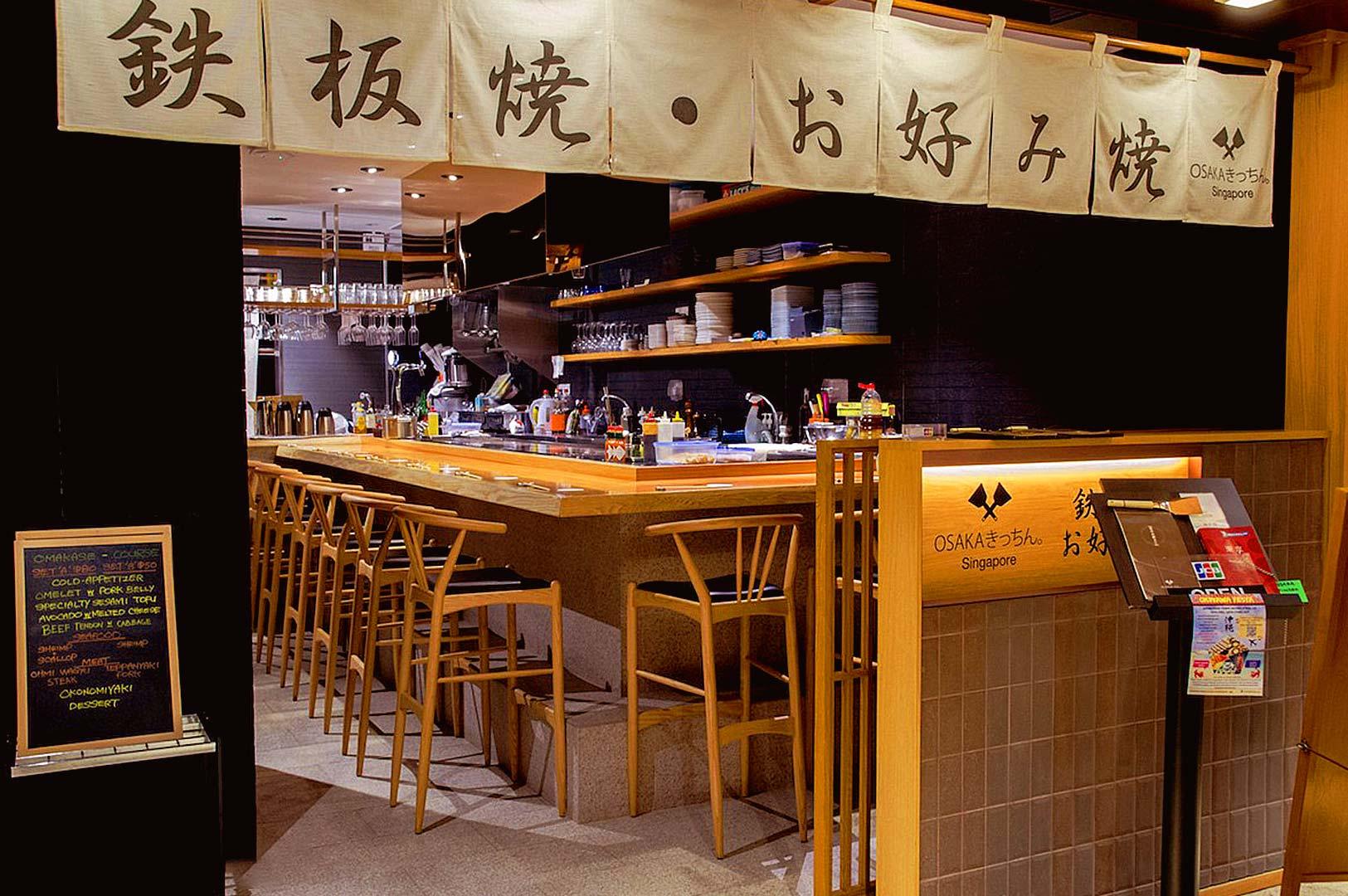
One might think that bringing sushi into hawker centers would sacrifice quality, but that’s often far from the truth. The skill of the hawker sushi chef lies in expertly balancing cost and craftsmanship. These chefs are masters of efficiency and resourcefulness, knowing that the cornerstone of all great Japanese sushi is the sushi rice, or shari. Within their modest stalls, they meticulously perfect the seasoning and temperature of the vinegared rice, a practice rooted in the tradition of fermented rice, to create a perfect base for every topping.
Their expertise extends to sourcing fresh fish and other seafood, taking advantage of Singapore’s excellent logistics network to procure high-quality ingredients at great value. While they might not serve premium cuts like medium fatty tuna belly or sea urchin (uni), they skillfully highlight the flavors of more commonly available fish such as salmon, mackerel sushi, and yellowtail. Their preparation techniques, careful handling, precise slicing, and thoughtful presentation maximize the taste and texture of each piece, whether it’s nigiri, sashimi, or rolled sushi like the popular tuna roll or the famous California roll.
This dedication to the art of sushi-making, even in a fast-paced, budget-friendly environment, defines the exceptional dining experience hawker Japanese sushi offers. Many stalls thoughtfully provide a chopstick rest, recognizing chopsticks as the preferred utensil for eating sushi, underscoring the respect for tradition even in casual settings.
These hawker stalls embrace the essence of edomae sushi, focusing on freshness and simplicity, reminiscent of the techniques found in traditional Japanese restaurants. You may also find creative interpretations of gunkan maki, also known as the warship roll, often topped with vibrant salmon roe or other delicacies.
This balance of preserving fish quality and adapting to local tastes allows hawker sushi to offer a seasonal menu that reflects both authenticity and innovation, making sushi accessible and enjoyable for all.
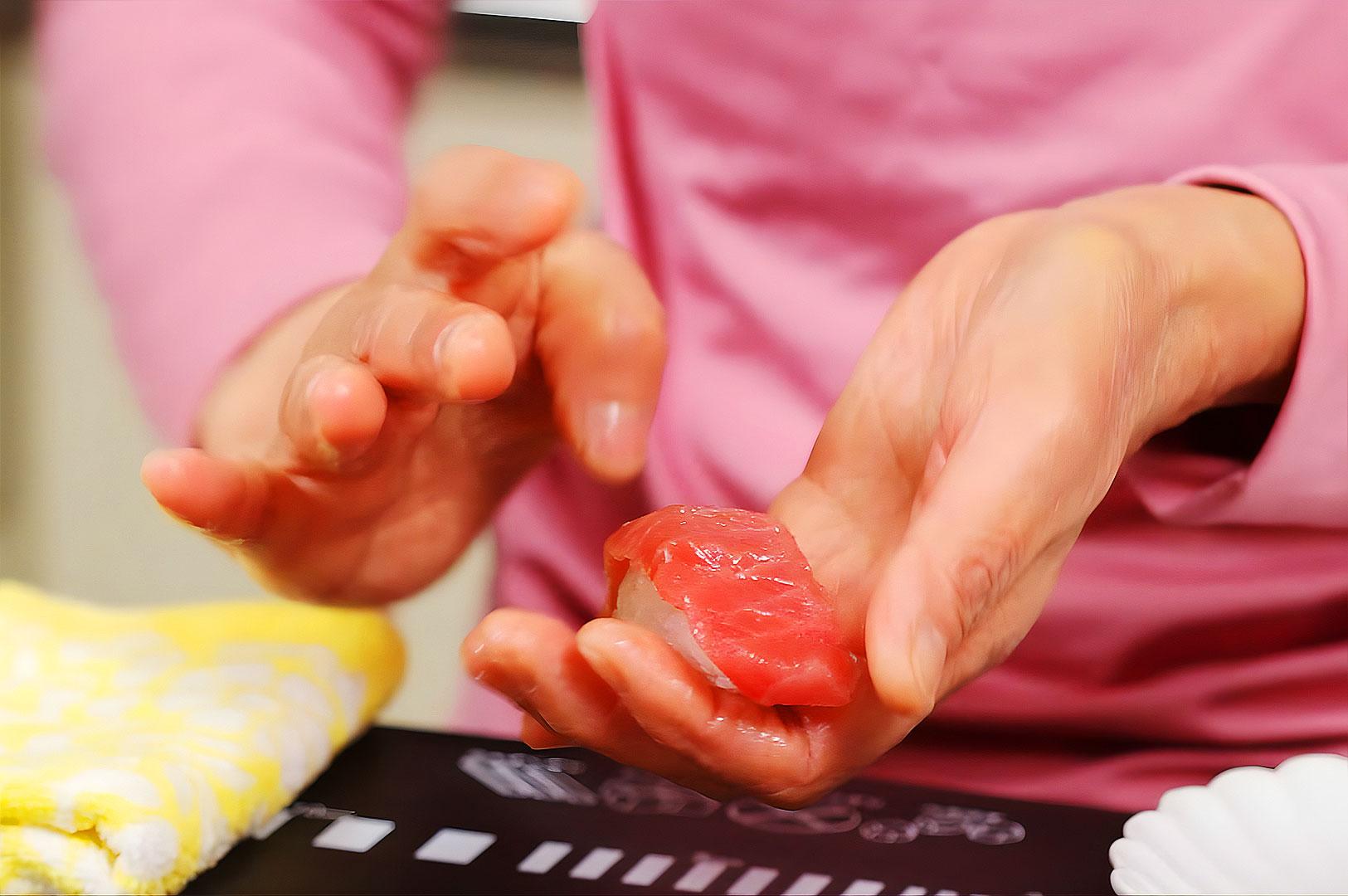
Singapore’s Multicultural Influence on Type of Sushi in SG Sushi Bars
The integration of sushi into hawker culture is a perfect example of Singapore’s multicultural dynamism. Here, Japanese culinary traditions do not just exist; they interact and evolve. The hawker stall provides a fertile ground for experimentation, leading to the creation of unique fusion dishes that cater to the local palate. You might find maki sushi rolls filled with chicken floss, topped with savory-sweet mentaiko mayonnaise, or even incorporating a hint of chili.
This creative adaptation makes Japanese sushi feel both excitingly new and comfortingly familiar. It is a dialogue between two food cultures, where the precision of Japanese technique meets the bold, eclectic flavors of Southeast Asia. At these hawker stalls, sushi chefs skillfully balance the use of vinegared sushi rice, fresh seafood, and sushi ingredients, embracing both raw fish and cooked seafood to appeal to many countries’ tastes.
Eating sushi here is a unique experience, blending the traditional sushi ya craftsmanship with accessible fast sushi concepts. You can enjoy sushi in various forms: hand rolls in cone shapes, pressed sushi made with a wooden mold, or nori-wrapped rolls crafted on a bamboo mat. The inclusion of pickled radish, grated daikon, and the occasional bamboo leaf garnish adds to the authenticity.
Moreover, these hawker stalls often serve sushi alongside green tea and miso soup, enhancing the dining experience. Sushi is typically enjoyed with soy sauce, but care is taken to avoid using too much soy sauce to preserve the delicate flavors. The vibrant presentation sometimes features different colored plates, reminiscent of kaiten zushi conveyor belt restaurants, making sushi accessible for special occasions and everyday meals alike.
This phenomenon is part of a larger story about how Japanese cuisine has been democratized in the city, which is explored further in “From Hawker Stalls to High-End: The Democratic Rise of Japanese Sushi in Singapore.” The hawker stall becomes a microcosm of Singapore itself: a place where different cultures meet, mingle, and create something wonderful.
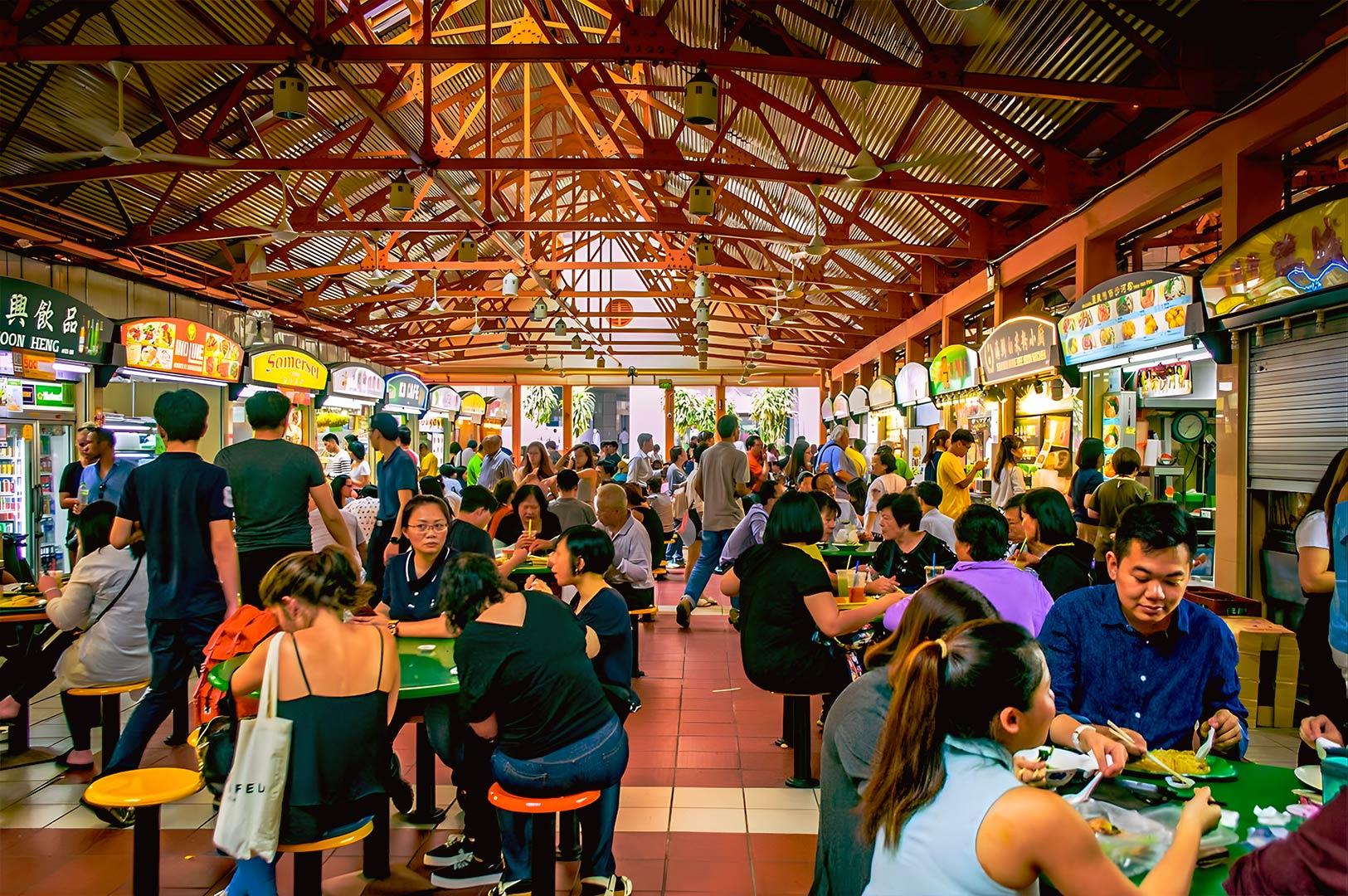
Get the Best Sushi in Singapore Hawker Centers
The presence of Japanese sushi in Singapore’s food courts is more than just a culinary trend; it is a cultural landmark. It represents the breaking down of barriers, making what was once an exclusive experience accessible to everyone, every day. This democratization of sushi in hawker centers complements the offerings found in renowned sushi restaurants across Singapore, from places like Tomi Sushi and Ngee Ann City to International Plaza. It highlights how Japanese cuisine, including traditional styles like edomae sushi, has been embraced not only locally but also in other countries, reflecting a global appreciation for authentic sushi crafted with vinegared rice and fresh seafood.
It is a celebration of the skilled hawker chefs who pour their artistry into every roll and a testament to Singapore’s open-minded and adventurous spirit. The next time you are in a hawker center, take a moment to appreciate the journey of that simple piece of sushi. It is a story of heritage, adaptation, and the beautiful, democratic power of food to connect us all.