The Quiet Work of a Small Plate
By Hiroshi Tanaka for Singapore Sushi Stories
The plate was smaller than my hand.
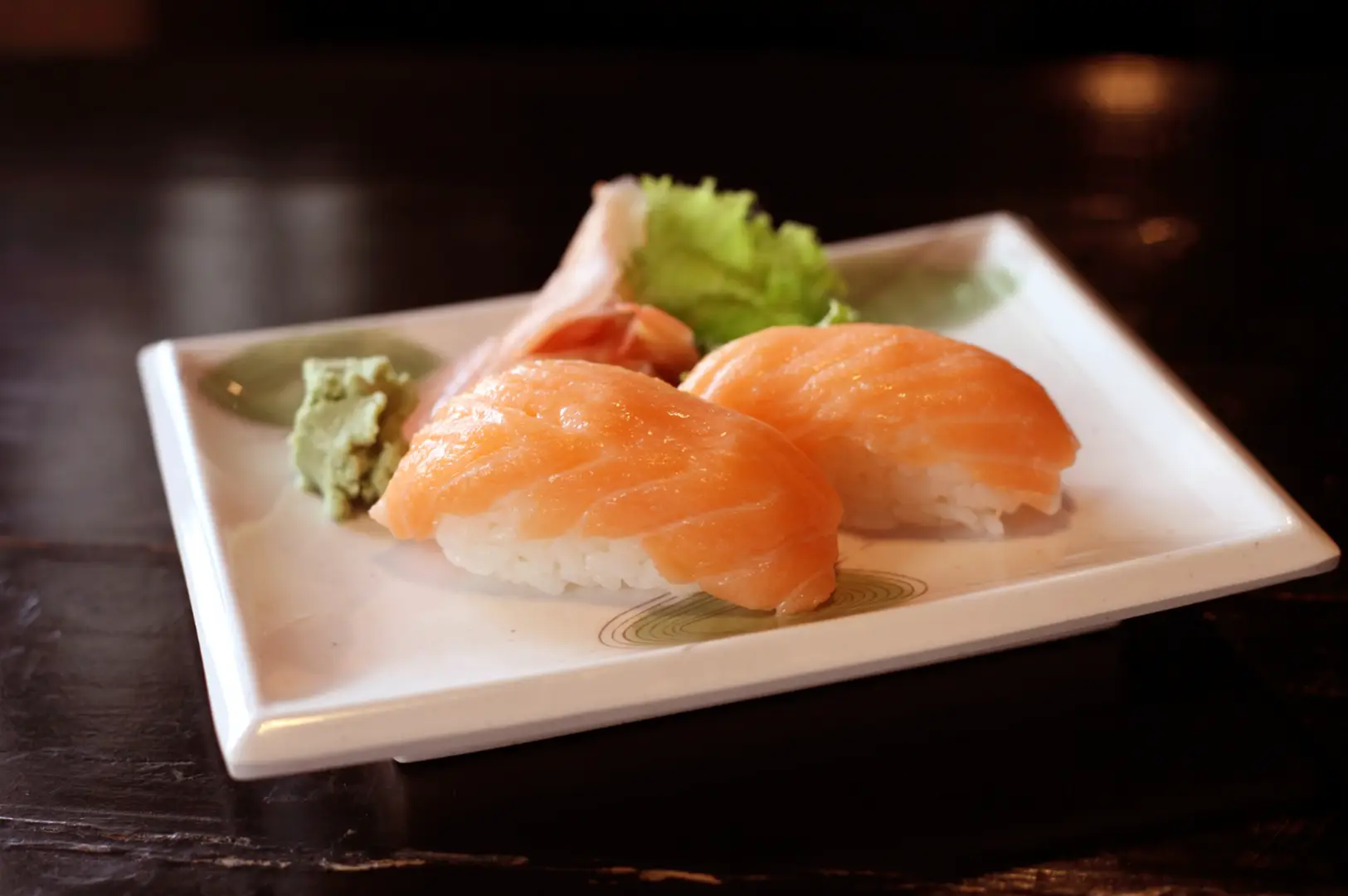
A single piece of nigiri rested on it, pale and quiet, the salmon curved gently over rice. Nothing else. No garnish crowding the edge, no sauce drawn across the surface. Just one small offering on a plate that seemed too large for it, and somehow exactly right.
I did not eat it at once. I looked.
There is a strange gravity to a small plate. You would think that less food asks for less of you. But the opposite is true. When there is only one piece, there is nowhere else to look. The plate holds your attention the way a single lit window holds the eye on a dark street.
I noticed the rice first. Pressed, but not packed. Each grain still itself, held together by nothing more than a careful hand. Someone had shaped this. Someone had decided how firm, how loose, how much. The decisions were invisible, yet I could feel them there, quiet under the fish.
That quiet pressure under the fish is exactly why restaurant sushi rice perfection matters: the grain has to hold, soften, and disappear at the right moment.
The salmon caught the light. A soft sheen along its surface, cool to the eye, faintly marbled. It had been cut at an angle I would not have thought to consider. A few millimetres either way, and it would not have draped like this. Small work. The kind no one is meant to see.
We do not often sit with small things here.
Singapore moves quickly, and it has taught us to move with it. We eat between meetings, between trains, between the closing doors and the next appointment. We finish our food while our minds are already three steps ahead. A meal becomes a task to complete, not a moment to enter.
And so a small plate feels almost like a challenge. It refuses to be rushed. There is not enough of it to eat absent-mindedly. One piece, and then it is gone. If you hurry, you miss it entirely.
I lifted the nigiri. It held together on the way to my mouth, then softened as I ate, the rice giving way, the fish cool and clean against it. A single, complete thing. Gone in a breath, yet it left something behind.
My grandmother used to say that care shows most in what is small. A folded cloth. A swept step. The things no one praises, done well anyway. I did not understand her then. I think I do now, sitting before an empty plate no bigger than my palm.
The quiet work is always there. In the rice, in the cut, in the angle of a slice we will never stop to measure. We simply do not always look. The city does not ask us to. It asks us to keep moving.
But the small plate asks something else. It asks you to stay, just for a moment. To notice the attention that was folded into it before it ever reached you.
The next time a small plate arrives in front of you, do not reach for it right away. Look first. You may find that the smallest thing on the table is carrying the most.
- Hiroshi Tanaka