Mita Sushi Roxy Square 1 Review: Sashimi Without the Ceremony
Roxy Square has never needed much theatre. The corridors are practical, the lighting fluorescent, the shops tucked into corners you can miss if you walk too quickly. On a weekday after lunch, when Katong outside was still moving and the mall had settled into its afternoon quiet, Mita Sushi felt entirely at home here.
There is no dramatic sushi counter waiting inside. No hushed omakase ritual. No chef placing each piece directly into your hand. Instead, there are a few tables, a broad menu, and a kitchen that makes its strongest argument through sashimi.
What Mita Sushi Roxy Square 1 Is Like
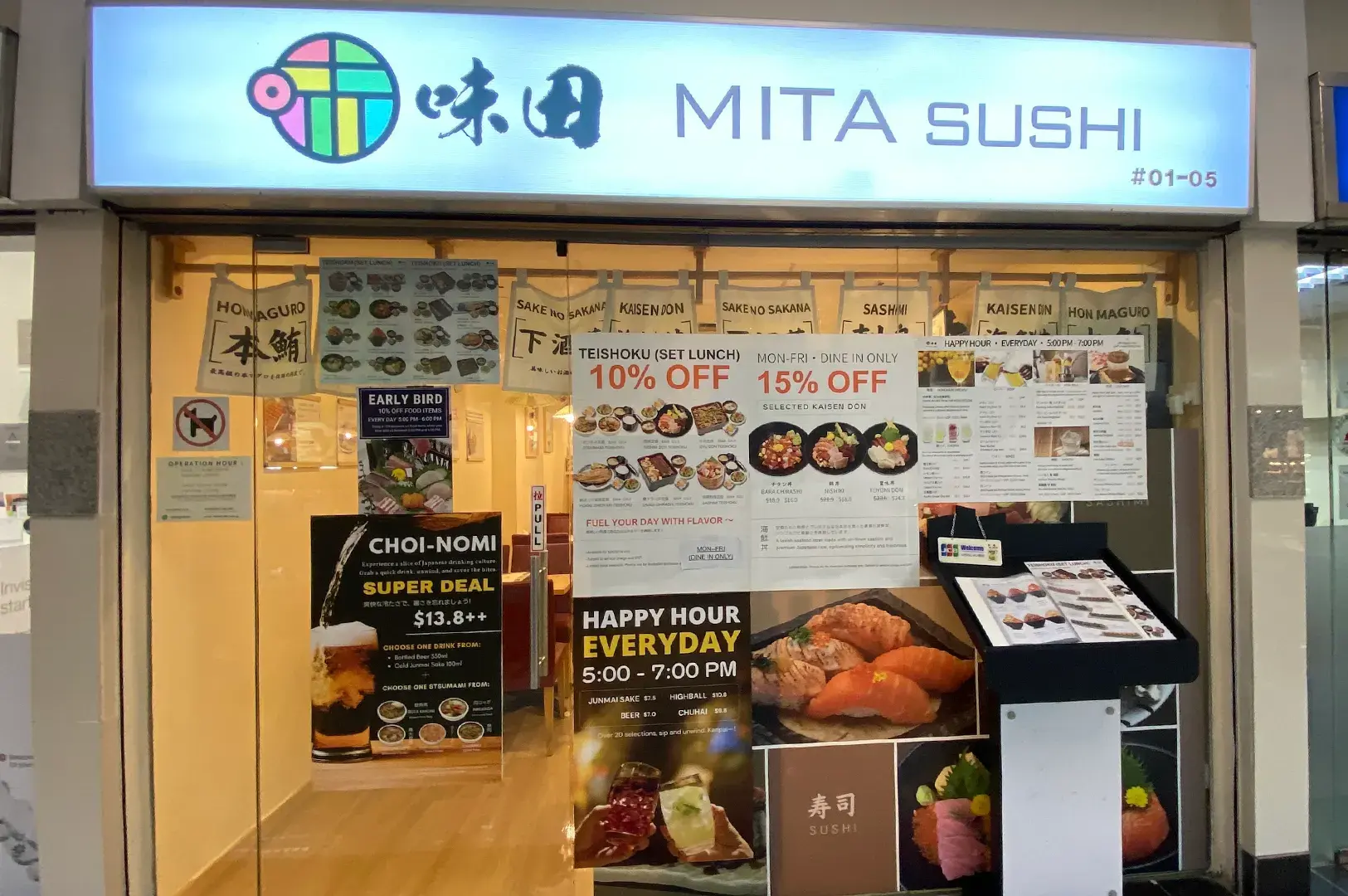
Mita Sushi Roxy Square 1 sits at #01-05/58, Roxy Square 1, 50 East Coast Road. The restaurant also has a Bukit Timah Plaza outlet, but the Katong location is particularly interesting for diners coming for its current bluefin tuna selection.
The restaurant itself is compact and unfussy. Tables sit relatively close together, the dining room is functional rather than styled for photographs, and there is little sense that anyone is trying to turn a quick meal into an event.
Come to Roxy Square for the Fish, Not the Room
You can order three pieces of salmon, add a bowl, decide you are still hungry, then ask for another plate of sashimi. There is very little ceremony separating appetite from food. For solo diners, couples, and anyone looking for an easy Katong dinner, that informality is part of the appeal.
For a large celebration, however, the small room may feel limiting. The same applies if your idea of Japanese dining depends on long chef interactions, polished service, or a counter experience.
Here, the true essence of the visit is simpler: sit down, order well, and let the quality of the fish make the case.
Salmon Sashimi Is Still the Best Place to Start
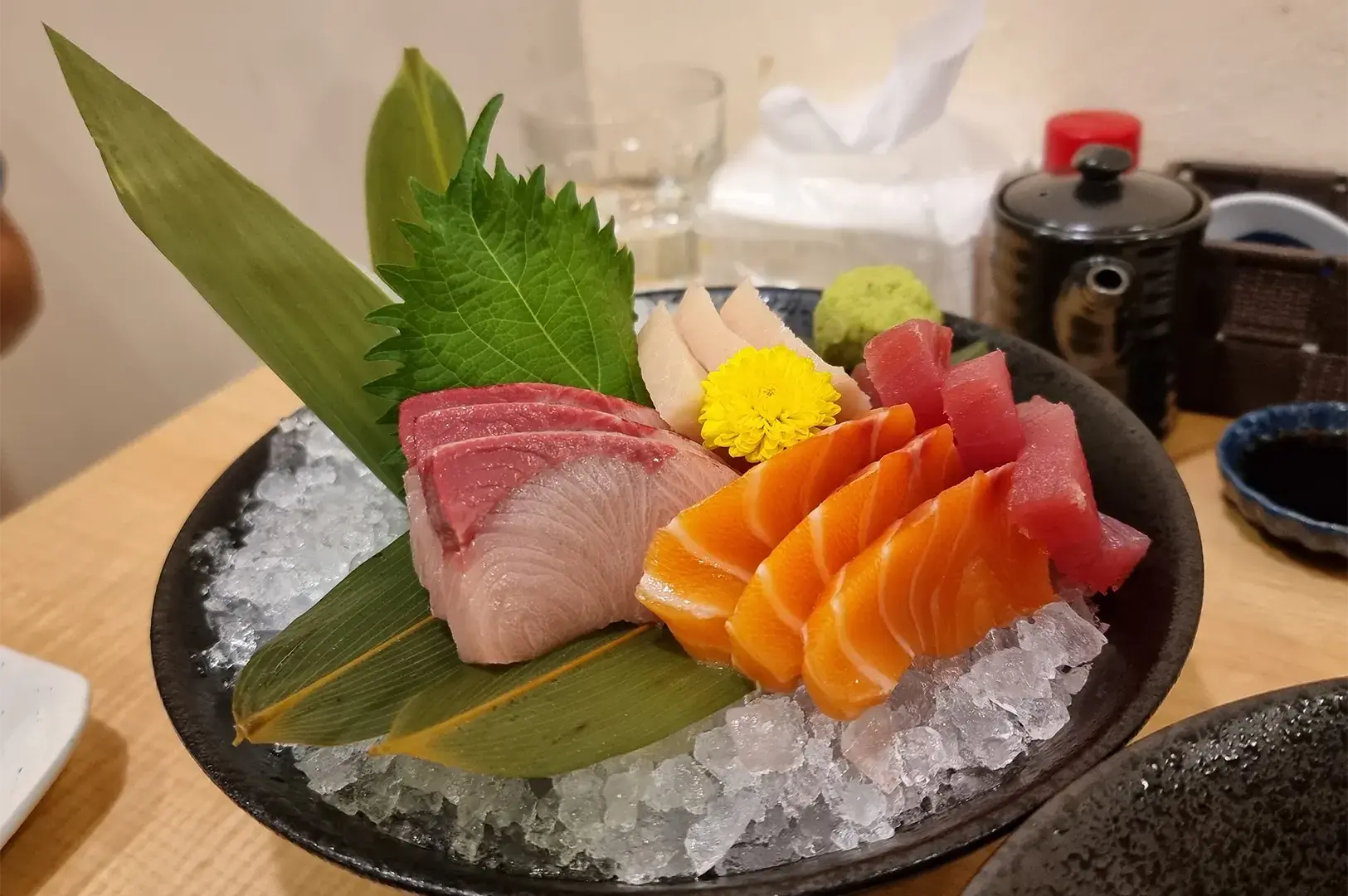
The current dine-in menu lists salmon sashimi from S$7.10, alongside other fresh sashimi options such as hamachi, hotate, maguro, squid and octopus. Prices and availability can change with supply.
Mine arrived with very little decoration. That turned out to be useful because there was nowhere for the salmon to hide. The flesh was pleasantly cool, smooth across the tongue and fatty enough to feel luxurious without becoming greasy.
The flavour came through as clean and rounded. There was a mild sweetness at first, then the buttery richness of the fish, followed by a fresh finish rather than an oily one. More importantly, it did not need rescuing with soy sauce. A small touch sharpened the flavour, but dunking each slice would have buried the part I wanted to taste.
I finished the first order quickly. Then I ordered more.
I remember looking at the empty plate and thinking that the second order probably said more about the salmon than another paragraph of tasting notes could. Sometimes the clearest comment you can make about a dish is that you immediately want it again.
Is the Salmon Worth Ordering?
For a first visit, this is where I would begin. It gives you a quick read on freshness without committing to one of the more expensive cuts.
Mita Sushi also sells salmon for self-pickup and delivery, where the restaurant describes it as having a soft texture and rich fat content. That description was broadly consistent with what I found at the table, although the condition of raw seafood will naturally vary from one arrival and service to another.
If salmon sashimi is already your comfort order, there is little reason to complicate things. For a deeper look at why salmon can taste clean, rich, or tired depending on handling, this piece from Singapore Sushi Stories explains the journey behind every slice.
Bluefin Tuna Akami Shows What Else the Kitchen Can Do
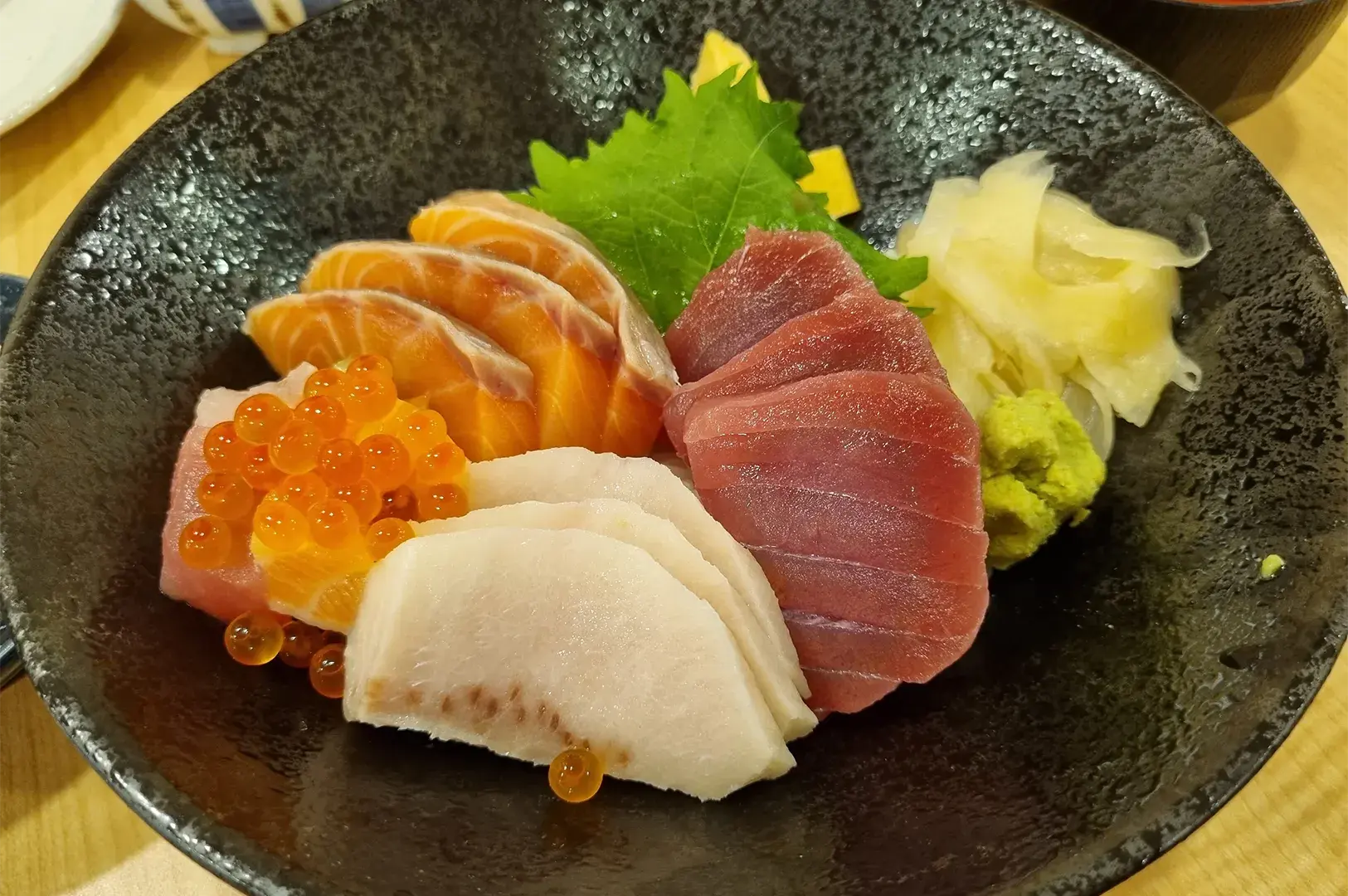
The dine-in menu currently lists akami from S$18.10, with chutoro from S$23.50 and otoro from S$30.40. These sit alongside Mita Sushi’s regular maguro offerings, including yellowfin tuna sashimi and sushi.
Maguro is a general Japanese word for tuna, so seeing it on a menu does not automatically mean bluefin tuna. At Mita Sushi, the menu separately identifies its bluefin cuts as akami, chutoro and otoro.
If Mita’s akami makes you think more carefully about what separates good raw fish from merely fresh fish, our Best Sashimi Singapore Picks for When Raw Fish Needs More Than Freshness explores that difference across the city.
What Akami Tastes Like
There was less fat coating the mouth and more emphasis on the tuna itself, with a subtle mineral quality and lingering umami after each bite. The texture had enough resistance to make me slow down rather than simply letting the fish melt away.
After the easy richness of salmon, the bluefin tuna showed another side of the kitchen. This was the point in the meal when Mita stopped feeling like somewhere I would visit only for an affordable salmon fix.
Aburi Mentai Salmon Don and the Importance of Sushi Rice
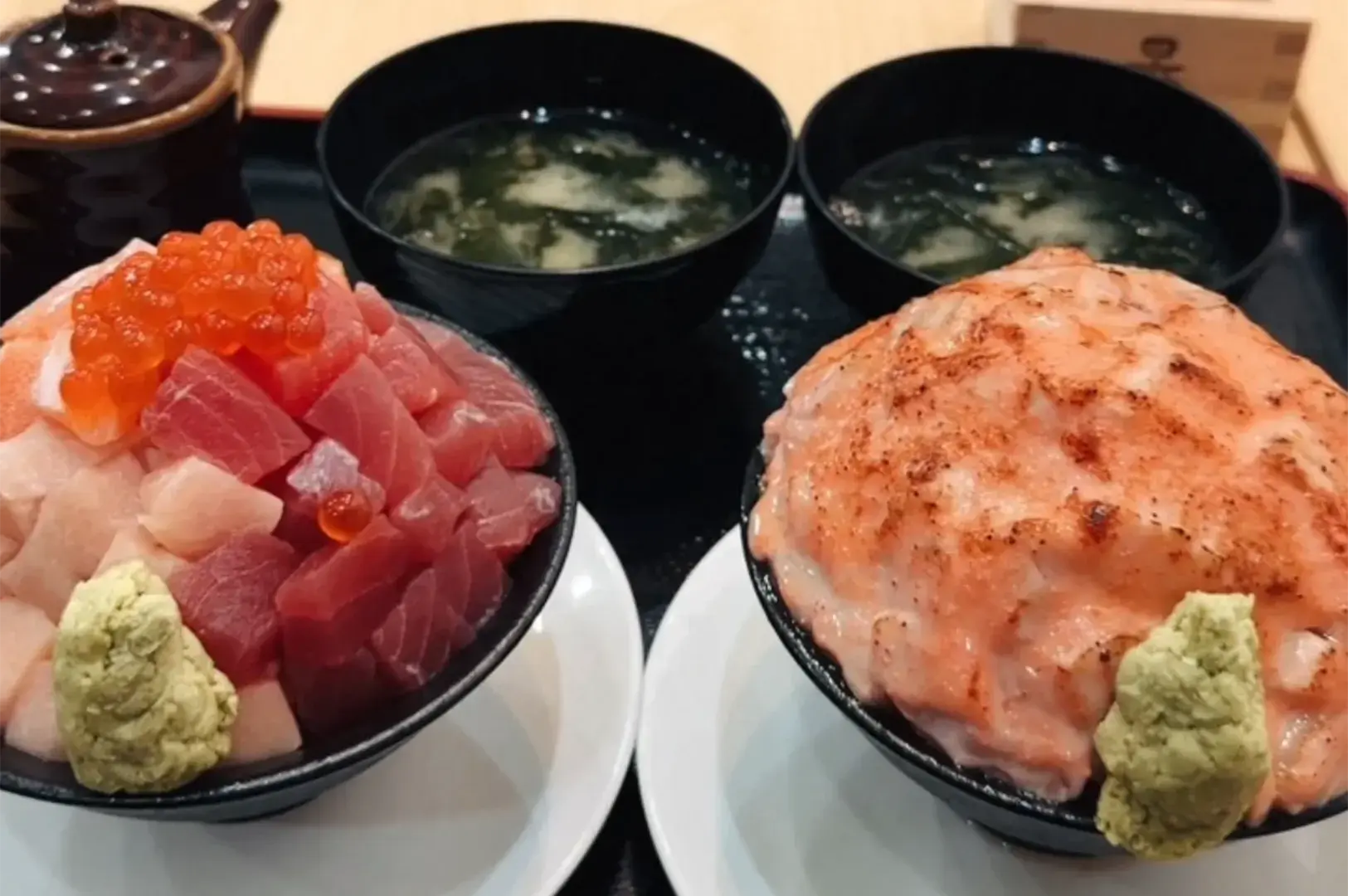
The dine-in menu currently lists the bowl at S$20.90.
The torch leaves a faint roasted aroma across the salmon, warming its surface fat until the texture becomes softer and more yielding. Mentai mayo adds another layer, creamy, salty and rich, but there is still recognisable salmon flavour underneath.
This is not the dish I would use to judge fish in its purest form. It is the dish I would order when I wanted something warm, rich and complete.
Why the Rice Matters
The rice in my bowl gave the salmon and mentai somewhere to land. Its grains held enough definition that the whole dish did not dissolve into one soft, creamy mouthful.
Mentai mayo can easily dominate a bowl, but here I could still taste the fish through the sauce and searing. Between the two styles, I still prefer Mita’s plain sashimi because it exposes more of the ingredient’s freshness and natural sweetness.
What Else Is Worth Ordering at Mita Sushi?
Current dine-in options include Bara Chirashi Don, Nishiki Don, Kiwami Don, Salmon Oyako Don and Uni Negitoro Don, alongside a substantial list of sashimi and sushi. Nishiki Don combines salmon, maguro, mekajiki belly, chirashi sashimi and ikura over sushi rice, while Kiwami Don adds items such as aburi salmon belly, hamachi and Hokkaido hotate.
For a first visit, I would keep the order focused:
- Start with salmon sashimi to get a quick sense of the fish.
- Add akami if bluefin tuna is available.
- Pick a rice bowl if you want something more filling.
- Move into ikura, chutoro, otoro or uni if you are turning the meal into more of a feast.
That progression lets the meal build naturally instead of ordering half the menu at once.
A Note on Buta Kakuni and Cooked Options
I could not verify a current buta kakuni with potatoes and carrots on Mita Sushi’s dine-in menu. The restaurant’s website does currently show a separate braised pork belly with yam item, described as slow-braised, tender and accompanied by a rich savoury sauce, but that is not enough evidence to present it as the same dish or promise that it will be available during a Roxy Square visit.
That is why I would still build the meal around sashimi and seafood bowls rather than the cooked side of the menu.
Service Is Casual and Mostly Hands-Off
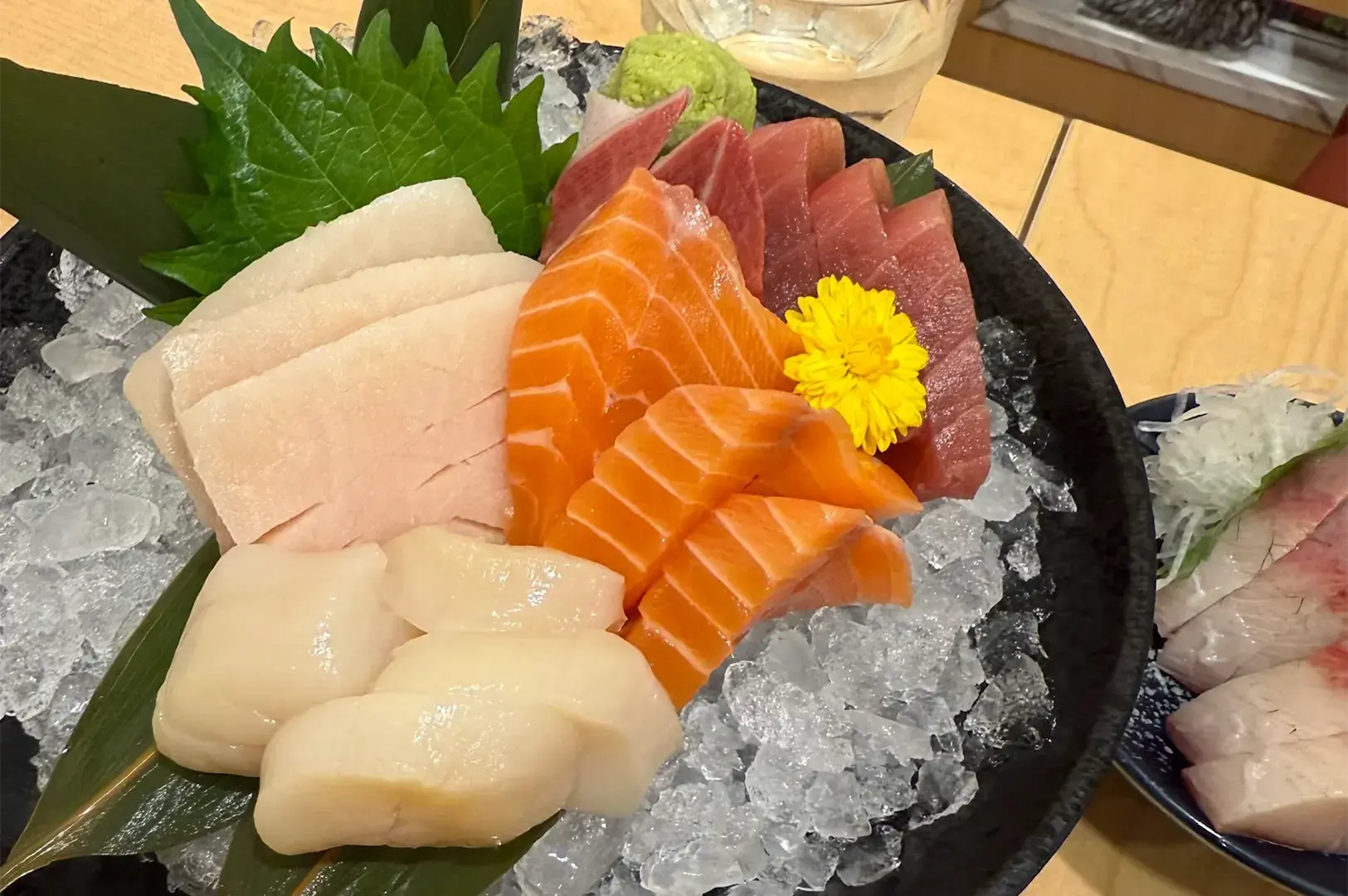
It was practical rather than polished. Ordering was straightforward, plates arrived at a comfortable pace, and the staff could deal with the question that mattered most to me: what was actually available that day.
There are meals where I want a chef explaining ageing, rice temperature or the origin of each cut. This was not one of them. Mita Sushi works better as a place where you choose what sounds good, eat at your own pace, and order a little more if the first plate persuades you.
Prices, Hours and 50 East Coast Road Details
Mita Sushi’s official site currently lists the Katong outlet at #01-05/58, Roxy Square 1, 50 East Coast Road, Singapore 428769. The published contact number is +65 8056 8565.
Current Opening Hours and Last Order
The official address page currently gives the following hours:
- Lunch from 11:30am to 3pm, with last order at 2:30pm
- Dinner from 5pm to 9:30pm, with last order at 9pm
The restaurant’s website contains some older or product-specific pages showing slightly different dinner hours, so it is worth checking the main outlet page or calling before a particularly late visit.
How Much Should You Budget?
A simple salmon-and-rice dinner can stay relatively approachable. Once you begin adding bluefin tuna, otoro, uni, ikura or several sashimi sets to share, the total climbs quickly. For context, current dine-in listings put salmon sashimi from S$7.10, akami from S$18.10 and the Aburi Mentai Salmon Don at S$20.90.
The menu therefore gives you options.
Is Mita Sushi Roxy Square 1 Worth Visiting?
You can sit down at Roxy Square, start with salmon, discover that you like the quality, move into bluefin tuna, then finish with a warm bowl of torched fish and sushi rice. There is pleasure in a restaurant that allows dinner to unfold that easily.
The salmon sashimi remains my essential first order. The akami gives the meal more depth when available. The Aburi Mentai Salmon Don is what I would choose when appetite matters more than restraint. And I remember that small moment after the first salmon plate, looking down and realising there was nothing left.
For all the menu options, that remains the clearest description of what Mita Sushi was delivering well on my visit. Nothing in the room insists that the meal is important. The fish simply has to prove that it is worth eating.