
Cheap and Good Sushi Singapore: The Art of Finding Value in Every Bite
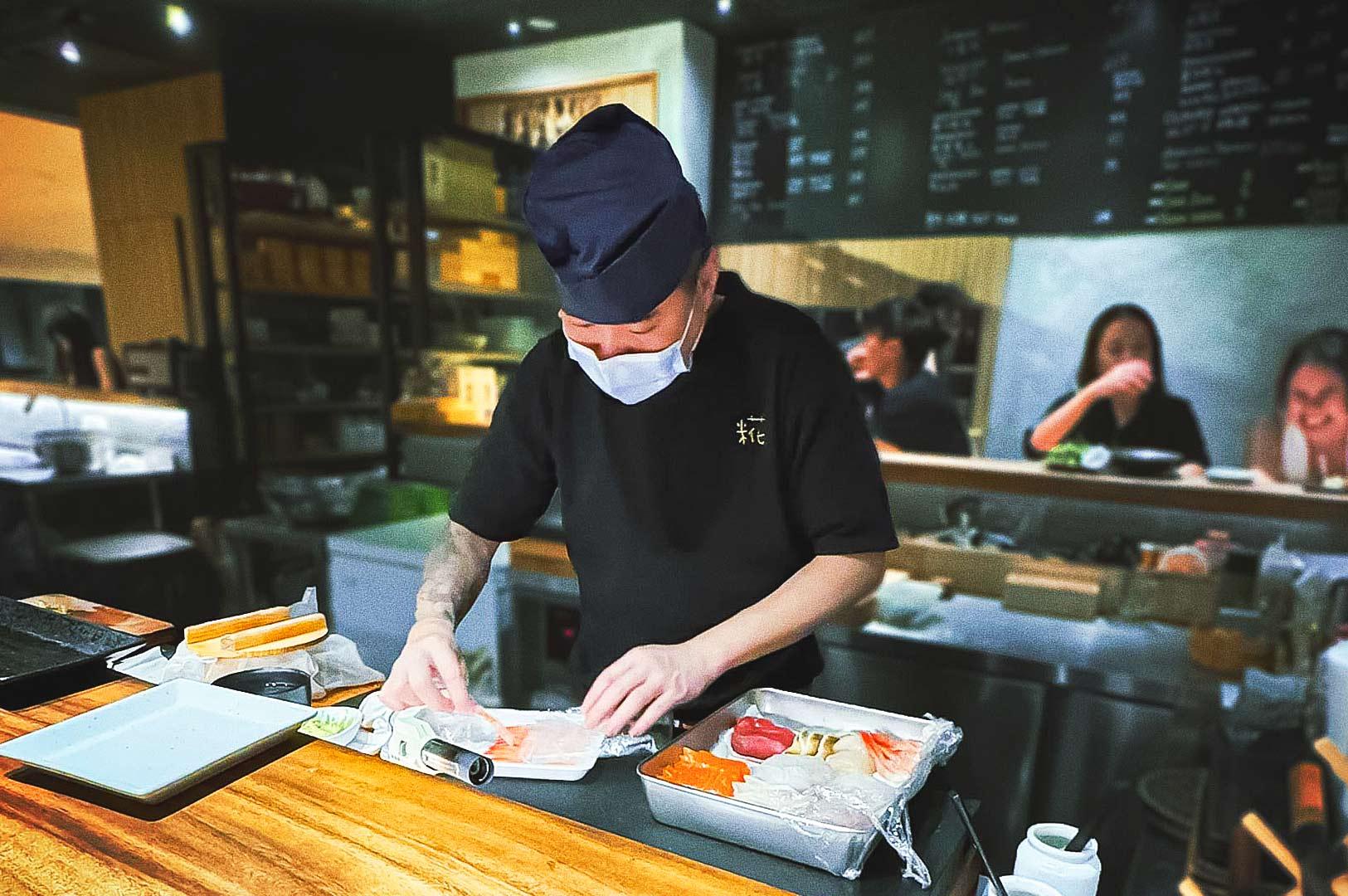
The hum of a bustling food court, the quick, precise movements of a chef behind a brightly lit counter, the simple joy of a perfectly formed piece of nigiri. This is the everyday face of sushi in Singapore, a world away from the silent reverence of high-end omakase parlors. Across the city, sushi lovers can choose from a variety of experiences, from the fun and convenience of conveyor belt sushi to the refined atmosphere of a traditional sushi bar.
The search for cheap and good sushi Singapore is a distinctly local pastime, a culinary quest driven by a desire for quality without the hefty price tag, with locals and visitors alike seeking places to dine across town. But how does one navigate this landscape? How do you distinguish a true hidden gem from a mere bargain? The answer lies in training your senses and understanding the subtle art of value, appreciating the diversity of dining experiences, from casual conveyor belt sushi to intimate sushi bars.
This guide will equip you with the knowledge to become a discerning diner, making the most of your sushi dining adventures. We will explore the craftsmanship behind affordable sushi, teach you how to identify quality through sight and taste, and connect this accessible cuisine to Singapore’s broader culinary heritage. Delving deeper into Singapore’s omakase scene, the article on Rubbish Eat Rubbish Grow offers a refreshing and nuanced perspective that moves beyond the typical influencer recommendations.
The Meticulous Process of Sourcing High-Quality Ingredients for Affordable Sushi in Singapore
Behind every piece of affordable sushi lies a careful and deliberate process of sourcing ingredients that meet high standards without breaking the bank. Achieving this balance requires dedication, expertise, and a keen eye for value. Chefs at budget-friendly sushi establishments invest significant effort in building strong relationships with trusted suppliers who provide fresh, premium-grade seafood at competitive prices. Menus at Japanese restaurants often feature premium sushi options like scallop, sea urchin, and uni, alongside popular choices such as salmon sushi and nigiri sushi.
This process begins with a deep understanding of market trends and seasonal availability. Omakase menus ranging in price allow diners to experience a variety of fresh sushi, sashimi, and other Japanese dishes, including tempura and miso soup. By selecting ingredients that are in season and locally accessible, chefs ensure freshness while managing costs. They also utilize cuts of fish that may be overlooked by high-end restaurants but still offer excellent flavor and texture when prepared skillfully.
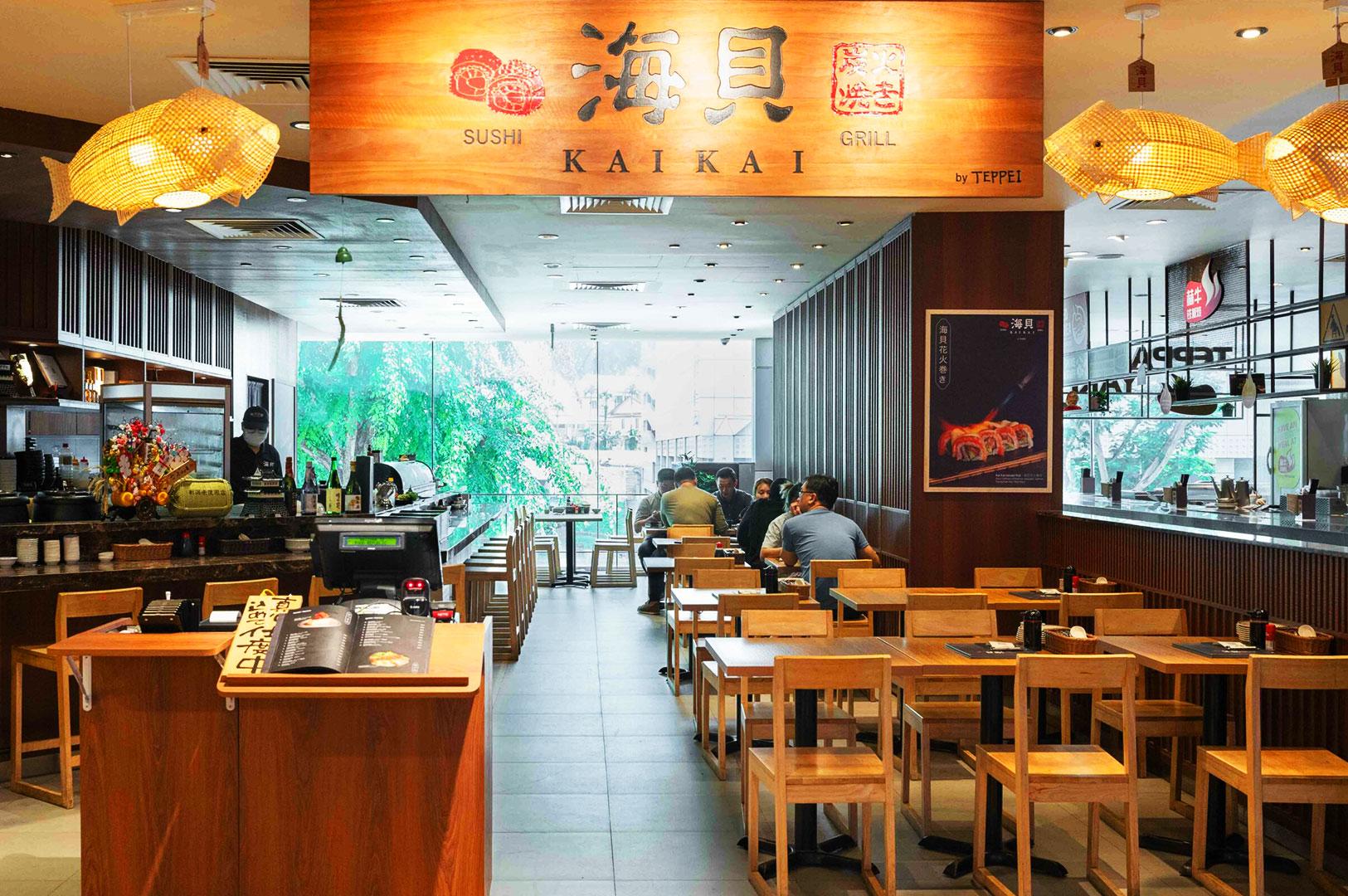
Attention to detail extends beyond the fish to every component of the sushi. Rice is sourced from quality producers who provide grains that cook consistently and absorb seasoning perfectly, forming the essential foundation of good sushi. Even the vinegars and condiments are chosen with care to complement the ingredients and enhance the overall experience. Many menus also include dishes like soup and meat skewers, as well as vegetarian options such as avocado maki, to provide a well-rounded meal.
Through this meticulous sourcing process, affordable sushi chefs prove that exceptional quality doesn’t always come with a premium price. Instead, it is the result of thoughtful selection, strong supplier partnerships, and a commitment to delivering the best possible experience within a budget. Value for money is achieved not only through ingredient selection but also through the variety of sushi platters, plates, and set meals offered at different price points.
Popular sushi chains and Japanese restaurants in Singapore include Sushi Express, Sushi Tei, Itacho Sushi, Umi Sushi, Sakae Sushi, Genki Sushi, Sushi Jin, and Ryo Sushi. Many of these establishments offer sushi delivery and bar-style dining experiences, providing a wide range of delicious sushi, quality sushi, and Japanese dishes to suit every preference and budget.
How to Identify Good Cheap Sushi in Japanese Sushi Restaurants
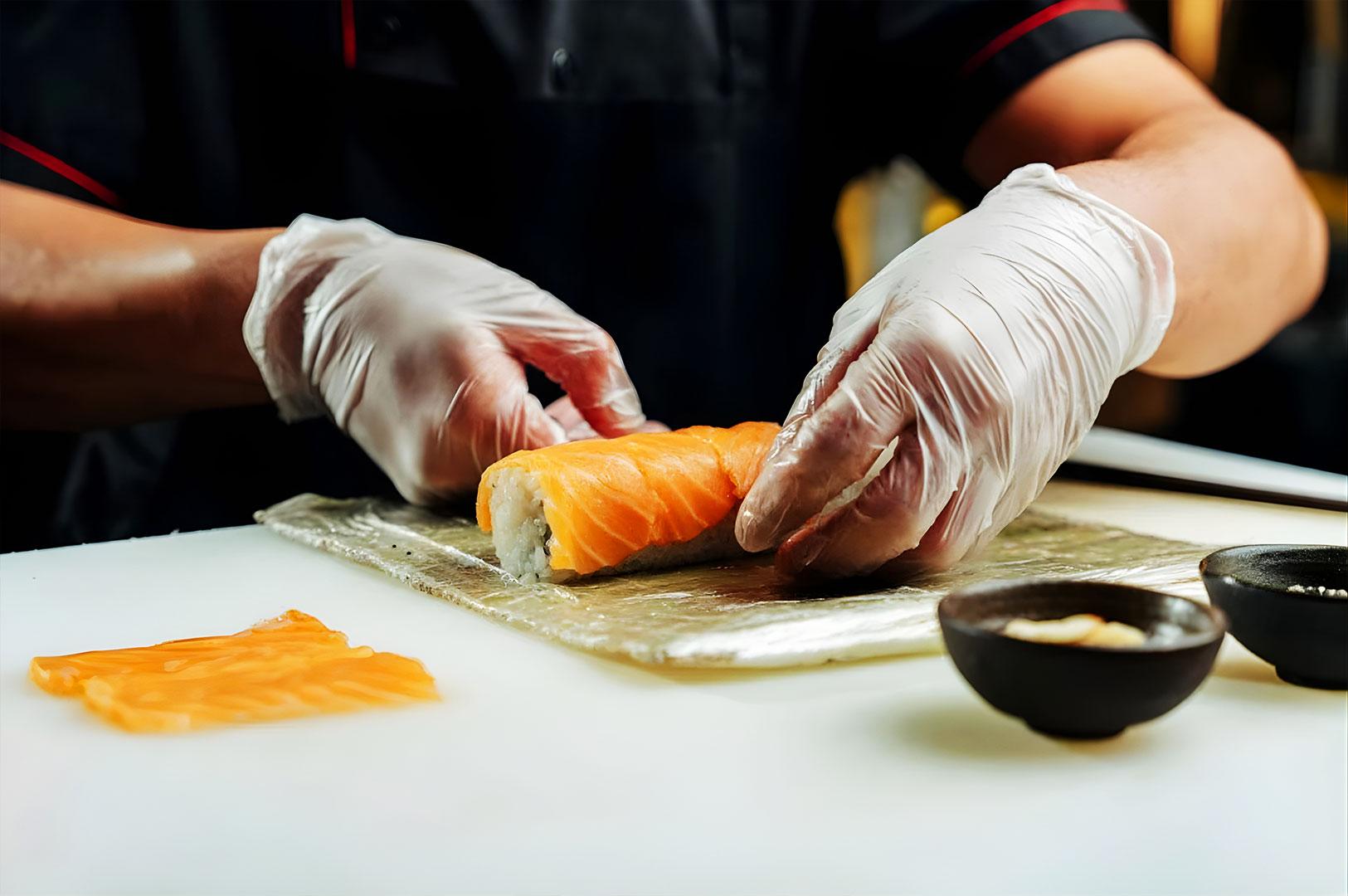
Learning to spot quality is the key to unlocking the world of affordable sushi. It is a skill honed by paying attention to details. Here are some practical tips to guide your next sushi adventure. Whether you’re looking to eat a quick lunch, indulge in exquisite sushi for dinner, or satisfy a late-night craving, there are options for every occasion.
Visual Cues: What to Look For
Your eyes are your first tool. Before you even take a bite, assess the sushi visually.
- The Fish: Fresh fish should have a vibrant, translucent quality. Salmon should be a bright, rich orange, while tuna should have a deep red or pink hue. Avoid fish that looks dull, dry, or has any brown or discolored edges. The surface should be moist and glistening, not slimy.
- The Rice: The rice grains should be distinct and glossy, holding their shape without being mashed together. A dull or dry appearance suggests the rice is not fresh.
- The Construction: Look at the nigiri’s form. It should be elegantly shaped, with the fish draped naturally over the rice. A well-made piece will look cohesive, not like two separate components loosely stuck together.
Taste and Texture: The Ultimate Test
The final judgment comes with the first bite. A harmonious piece of sushi will deliver a balanced experience.
- Rice Texture: The rice should be tender, with a slight chew, and the grains should gently fall apart in your mouth. It should not be hard, mushy, or cold.
- Fish Texture: The fish should have a pleasant texture appropriate for its type. Fattier fish like salmon should feel smooth and almost melt in your mouth, while leaner fish like sea bream will have a firmer bite. It should never be sinewy or tough.
- Flavor Balance: The experience should be a symphony of flavors. The subtle sweetness of the fish, the tang of the vinegared rice, and the savory hint of soy sauce should all complement one another. No single element should overpower the rest.
Restaurant Indicators
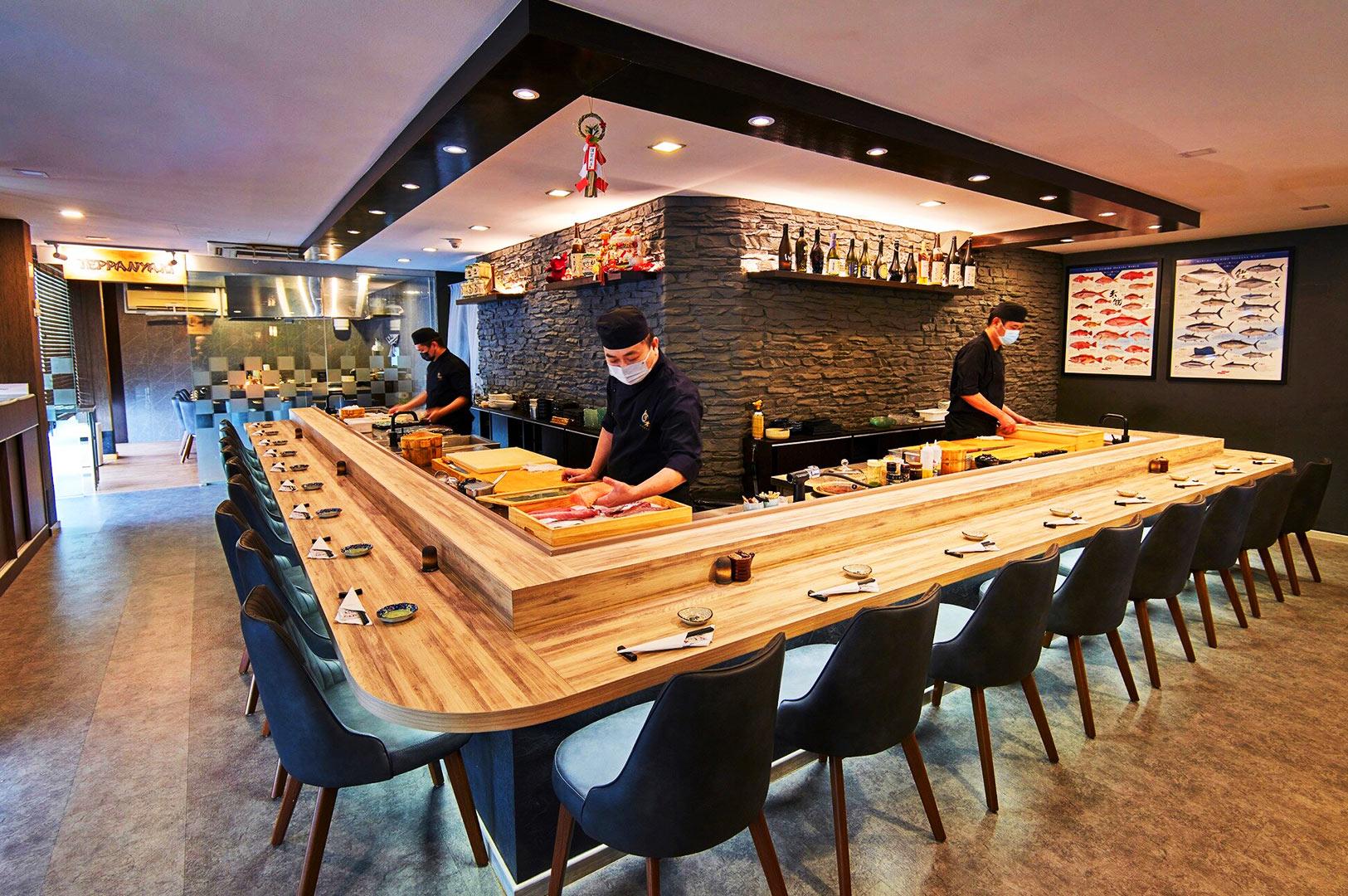
The environment itself can offer clues. Look for signs of a well-run establishment, such as a clean counter, organized workspace, and a chef who moves with confidence and precision. High turnover is also a good sign in a budget sushi spot, as it means ingredients are replenished frequently, ensuring freshness.
Singapore’s Multicultural Influence on Sushi and Japanese Restaurants
The widespread availability of cheap and good sushi Singapore highlights the city’s unique ability to embrace and adapt global cuisines. Japanese food has become part of the everyday culinary fabric, enjoyed by people from all walks of life in hawker centers, food courts, and neighborhood malls. Japanese restaurants across Singapore offer a wide menu of Japanese dishes, from sushi to sashimi and more, reflecting Japan’s influence on local dining culture.
This accessibility reflects a broader cultural trend. As diners become more knowledgeable and environmentally conscious, the conversation around sourcing and sustainability grows. Finding establishments that balance affordability with responsible practices is increasingly important. Many now offer sushi delivery, making it easier for diners to enjoy quality meals at home. For those interested, exploring “A Guide to Sushi and Sustainability: Best Affordable Sushi in Singapore” provides valuable insights into making mindful choices.
Conclusion
The pursuit of the best cheap sushi is more than just a hunt for a bargain. It is an exploration of craftsmanship, a celebration of accessibility, and an appreciation for the skill it takes to create something beautiful from simple, honest ingredients. Whether you’re dining at a casual conveyor belt sushi spot in Jurong East or indulging in an omakase restaurant in Orchard or Ngee Ann City, the experience of savoring fresh raw fish and expertly prepared omakase sushi is truly special.
While it’s tempting to splurge occasionally on premium sushi or a decadent dessert, the joy of affordable sushi lies in discovering value without compromise. Even at budget-friendly places, you might be surprised by the quality, from delicate nigiri to inventive fried rolls that add a delightful twist to traditional Japanese dishes. Don’t miss the chance to explore different neighborhoods and sushi styles, as each offers its own unique take on this beloved cuisine.
By learning to identify the markers of quality, you transform from a passive consumer into an active participant in this rich culinary tradition. The next time you find yourself in front of a conveyor belt or a humble sushi counter, take a moment to look closer. The art of value is there in every bite, waiting to be discovered.