Six Weeks Out and Still No Table: The Real Reason Sushi Masa by Ki-setsu Is Singapore’s Hardest Omakase to Book
You’ve heard the whispers. You open the reservation page, click the calendar, and see a sea of greyed-out dates. You skip ahead a week. Nothing. A month. Still nothing. After five weeks of relentless clicking, a single slot appears, and you wonder: Is this for real? Is this some clever marketing gimmick, a classic case of manufactured scarcity designed to build hype?
Let me give you the honest answer: it’s not. The near-impossibility of booking a table at Sushi Masa by Ki-setsu is not a strategy. It’s a consequence. It’s the direct result of a set of uncompromising operational truths that make this one of the most unique dining experiences in Singapore. So, let’s pull back the curtain and find out why getting one of these coveted seats is so hard, and what makes it worth the effort.
What Is Sushi Masa by Ki-setsu and Where Is It Located?
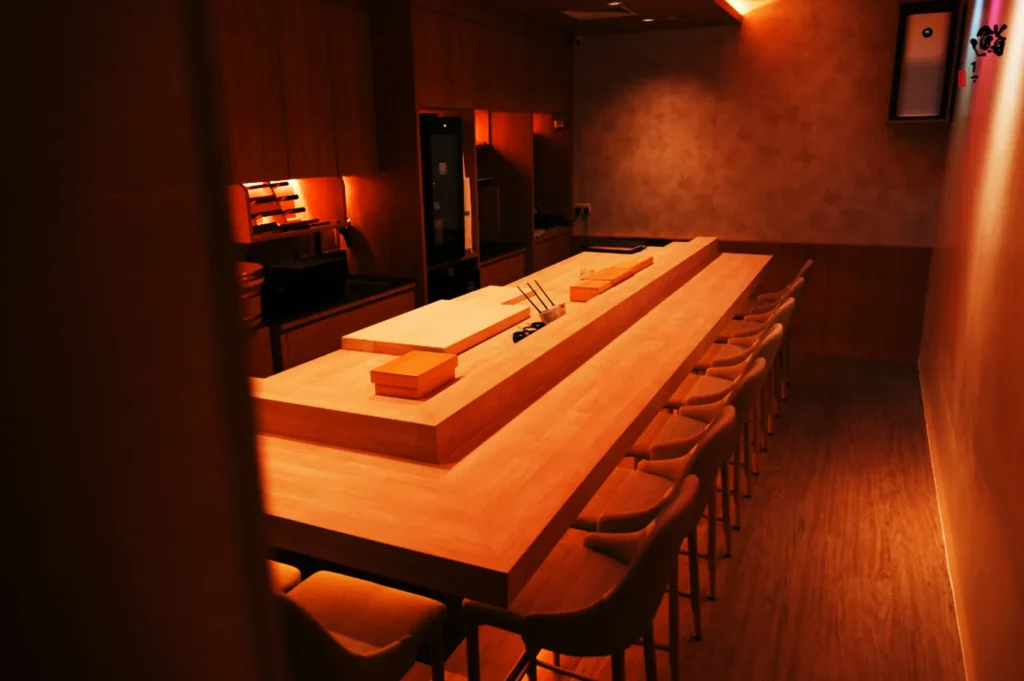
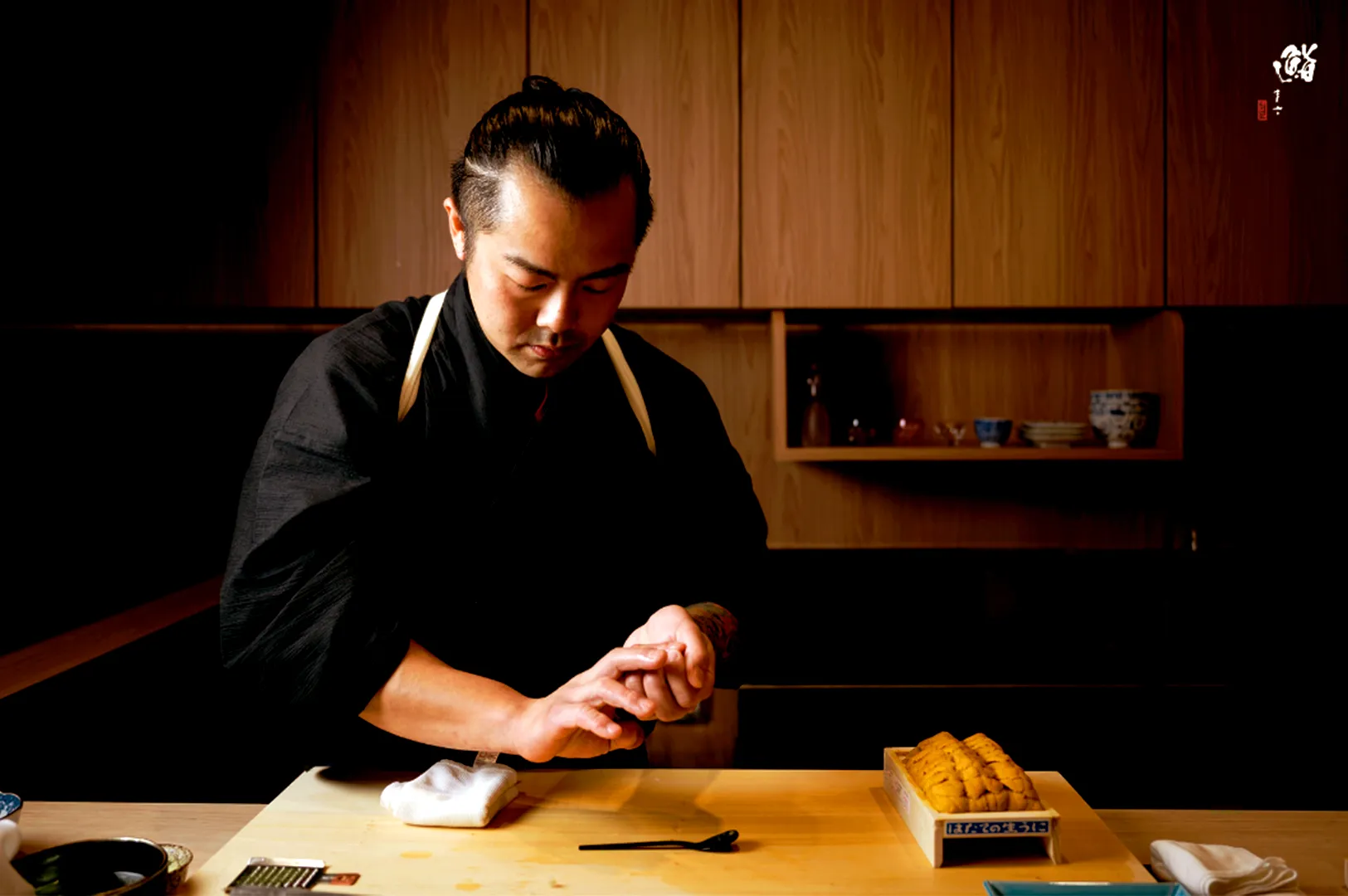
Tucked away on Level 6 of Cuppage Plaza, Sushi Masa by Ki-setsu is an intimate 8-seat omakase counter helmed by Chef Masa. It operates for dinner only, from Tuesday to Saturday, and is closed on Mondays while Sundays are only reserved for private bookings. The entire experience is a deep dive into seasonal Japanese dining, with a focus on pristine ingredients and personal craftsmanship.
The Menu That Doesn’t Exist Until the Morning It’s Served
The first reason you can’t get a table is perhaps the most fundamental: the restaurant operates without a safety net. There is no fixed menu, no pre-portioned inventory, and certainly no freezer.
Ingredients Flown Daily from Toyosu Market, Japan
Every morning, a shipment of seafood and produce arrives directly from Japan’s famed Toyosu Market. The contents of that delivery dictate, in its entirety, the menu for that evening. Chef Masa inspects each fish and every vegetable, and only then does the creative process for the night’s 16-plus courses begin.
No Freezer. No Fixed Menu. No Safety Net.
Each visit reflects that specific day in the season, but it also creates an operational challenge. The kitchen responds in real time to what nature provides rather than predictable output. Scaling would require standardization and backups, which would weaken the spontaneity at the core of the experience. The philosophically idea of “what is best today” naturally resists high volume.
The Fish Decides How Many People Eat Tonight
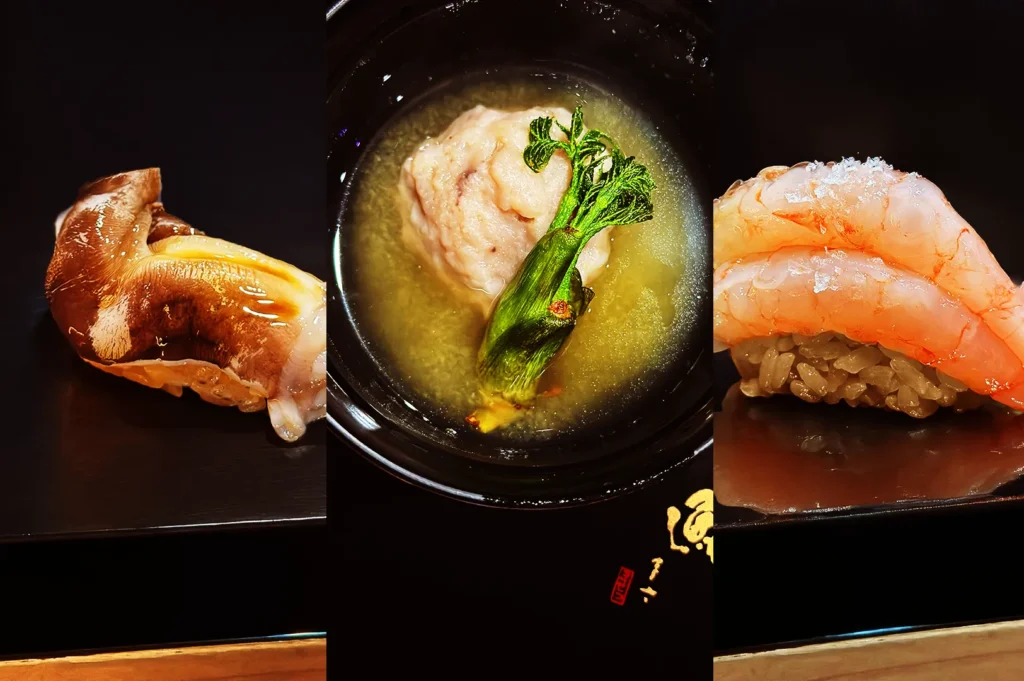
The second truth is that the guest count is not determined by demand, but by supply. Specifically, the supply of rare, micro-seasonal ingredients that larger restaurants simply cannot source.
Why This Omakase Singapore Counter Only Has 8 Seats
Chef Masa often bids on hyper-specific, limited-catch seafood. Think of a particular type of shrimp found only in one bay for a few weeks a year, or a fish that yields just enough perfect flesh for a handful of people.
When a catch from Japan yields exactly enough for eight diners, that is the hard limit. It is not an arbitrary number; it is a direct downstream consequence of sourcing some of the most exclusive seasonal ingredients in the world.
The difficulty of securing a seat is directly tied to the extraordinary quality of the food. You aren’t just getting fresh fish; you are getting a curated selection of seafood so limited that it physically cannot be served to more people.
Eight Seats Is the Maximum Before the Experience Breaks
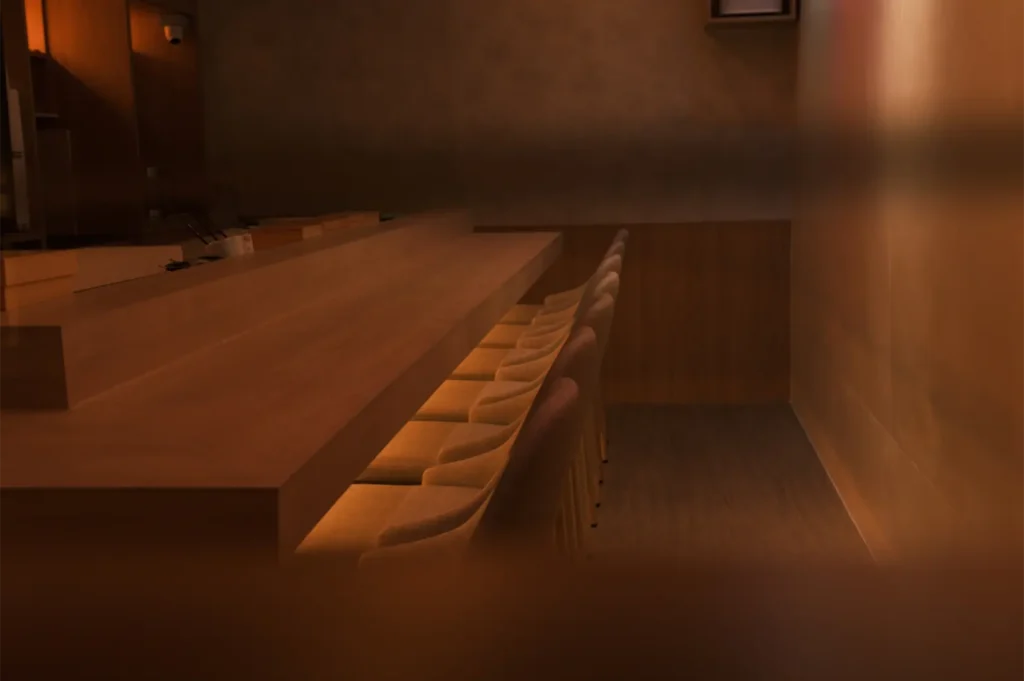
The final piece of the puzzle is the most human. At Sushi Masa by Ki-setsu, Chef Masa’s personal attention is not just a feature—it is the core product. And that product has a physical boundary: the 8-seat counter.
It’s about more than just seeing the chef work. It is about being seen by the chef. He notices your eating pace, subtly adjusting the timing between courses. He might observe that you are left-handed and angle the next piece of nigiri for easier pickup. This level of granular, undivided attention is what elevates the meal.
At nine seats, that connection almost breaks. At ten, it’s impossible. The chef’s focus would be split, the rhythm would be lost, and the experience would become a transaction instead of an interaction. The 8-seat counter is the precise architectural limit of what one chef can deliver personally, without delegation.
Is Sushi Masa by Ki-setsu Worth the Wait?
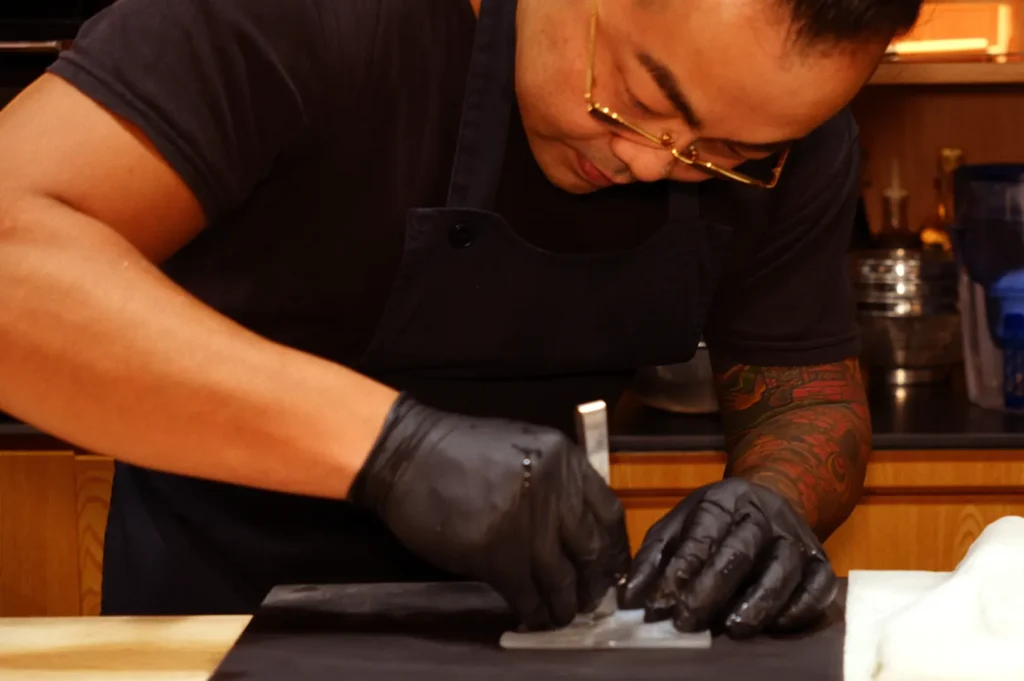
So, we come to the real question: after all the effort, is it worth it?
If you are looking for a straightforward meal, probably not. But if you are looking for an experience that connects you directly to the seasons, the craft, and the philosophy of Japanese dining, the answer is an unequivocal yes. The omakase dinner, priced at $230+ or $320+ per person, is a 2-to-3-hour journey that justifies its price and exclusivity through sheer quality and personal artistry.
How to Book Sushi Masa by Ki-setsu: What You Need to Know
Booking requires patience and planning. Reservations open well in advance (60 days to be exact) and are snapped up quickly. Your best bet is to monitor their booking platform and be flexible with your dates. Remember, they are open for dinner from Tuesday to Saturday. For a truly exclusive event, private bookings are available on Sundays.
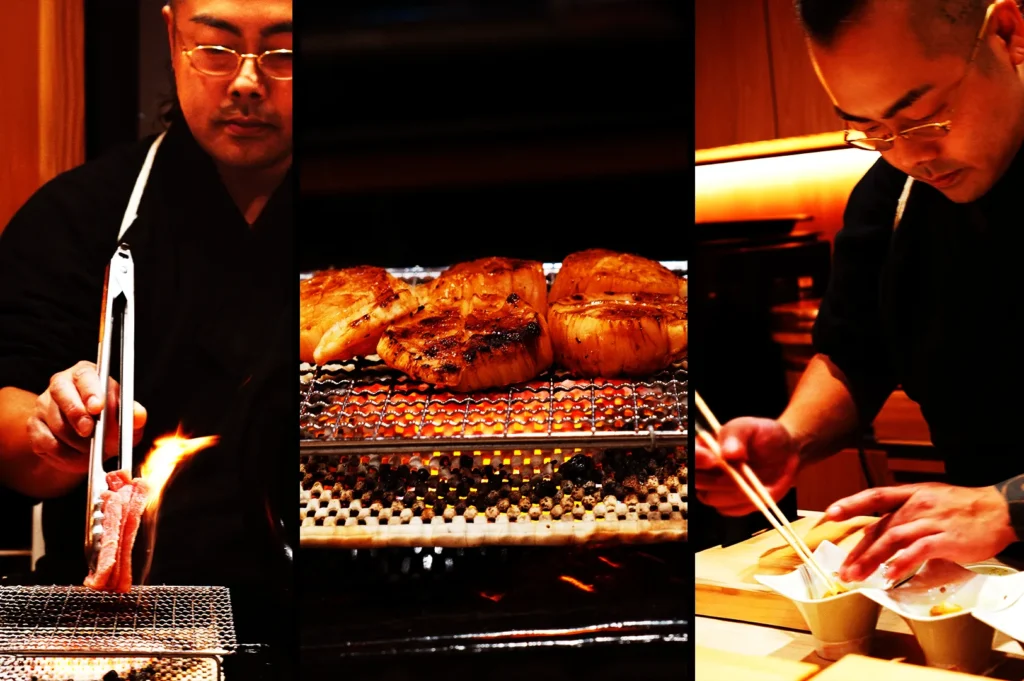
The Seat That Takes Weeks to Get and Two Hours to Never Forget
Getting a seat at Sushi Masa by Ki-setsu feels like winning a lottery, but it’s a lottery where the prize is guaranteed. The scarcity is real, born from a deep commitment to an ideal that cannot be scaled.
It’s a reminder that some of the best things are, by their very nature, limited. And for two to three hours, sitting at that counter, you understand that you are not just a customer who got lucky.
You are part of the story for that one, unrepeatable night. Craft your Singapore Sushi Stories now!