
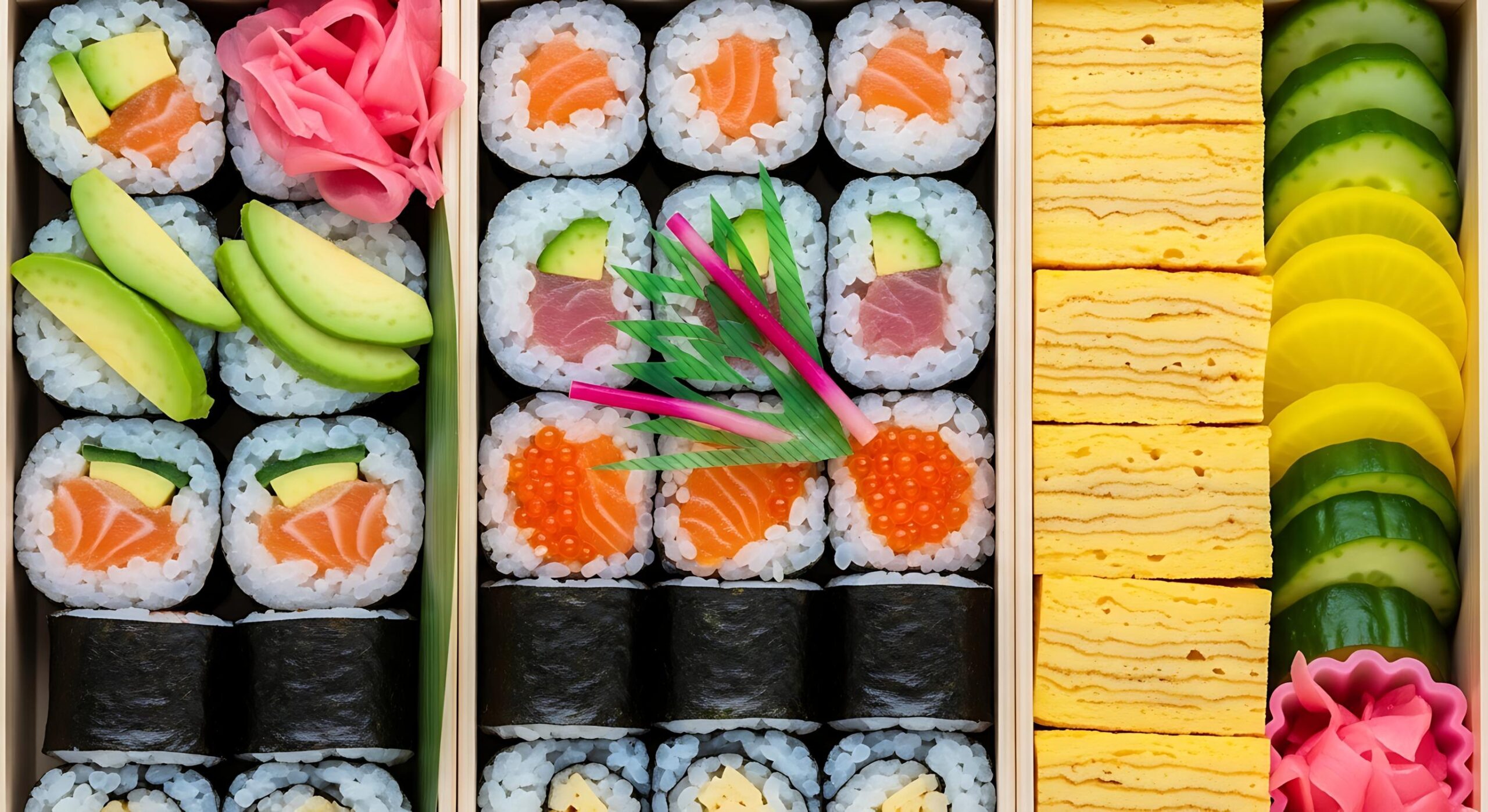
Essential Sushi Etiquette: What to Do in a Sushi Place
Stepping into an authentic sushi place is like entering a theater dedicated to culinary art. The quiet focus of the chef, the pristine counter, and the beautifully crafted pieces of sushi all contribute to a unique dining experience. Many diners are big fans of authentic sushi places, drawn by their unique atmosphere and the culinary artistry on display. In a city like Singapore, where there are countless places for sushi ranging from casual eateries to high-end omakase restaurants, understanding the customs behind the meal can elevate your experience from simply eating to truly appreciating. Sushi etiquette is not about rigid rules; it is about showing respect for the chef, the ingredients, and the centuries of tradition behind this beloved Japanese cuisine.
This guide will walk you through the essential etiquette for dining at a sushi restaurant. Knowing these simple customs will not only help you feel more comfortable and confident but will also deepen your connection to the food and the artisans who prepare it.
Getting Started: Seating and Ordering in a Sushi Restaurants
Your experience begins the moment you walk in. Before your visit, it’s helpful to check the opening hours of the sushi place, especially if you plan to dine during popular times. If you are dining at a counter, reserving a table at the counter is highly recommended for the best experience. Acknowledge the sushi chef, or itamae, with a polite nod or a quiet “hello.” The counter is the best seat in the house, offering a front-row view of the master at work.
When ordering, it is perfectly acceptable to tell the chef your preferences and dietary restrictions. If you are having an omakase meal, which means “I’ll leave it up to you,” you are putting your trust in the chef to create a balanced and seasonal menu. Omakase meals are often priced per person, and it’s common to see set menu prices listed this way. This is often the best way to experience the best of sushi.
Chopsticks or Hands? The Great Debate of

One of the most common questions diners have is whether to use chopsticks or their hands. The answer is simple: you can use either for most types of sushi.
When to Use Your Hands
For nigiri sushi (a slice of fish over a small bed of rice), using your hands is not only acceptable but often preferred by traditionalists. It allows you to feel the texture of the sushi and keep the delicate piece intact as you lift it.
- Pick up the nigiri with your thumb, index, and middle fingers.
- Gently turn it upside down so you can dip the fish side into the soy sauce.
- Place the entire piece in your mouth, fish-side down, so the topping makes first contact with your tongue.
When to Use Chopsticks
Chopsticks are ideal for eating sashimi (slices of raw fish without rice), as it would be messy to eat with your hands. You can also use chopsticks for nigiri and rolls if you feel more comfortable.
Chopstick Don’ts:
- Never stab your food with your chopsticks.
- Do not pass food from your chopsticks directly to someone else’s.
- Avoid rubbing your disposable wooden chopsticks together. It implies you think they are cheap and might give you splinters, which can be seen as an insult to the restaurant.
- Never leave your chopsticks sticking upright in a bowl of rice.
The Correct Way to Eat Different Types of Handmade Sushi
Each type of sushi is designed to be eaten in a specific way to maximize its flavor and texture, enhancing your enjoyment of fresh sushi and premium ingredients. Many sushi places also offer assorted sashimi platters, which showcase a variety of fresh, seasonal fish selected by the chef.
Nigiri Sushi
As mentioned, nigiri should be eaten in one bite to fully appreciate the harmony of the fish, rice, wasabi, and soy sauce all at once. Dipping the rice side into the soy sauce is a common mistake; the rice will absorb too much sauce, overpowering the fish and causing the delicate rice cluster to fall apart.
Fresh Sashimi
Fresh sashimi is always eaten with chopsticks. You can create a small dish of soy sauce and add a tiny amount of wasabi for dipping, or place a dab of wasabi directly onto the slice of fish before dipping it in soy sauce. This method highlights the high quality seafood and premium sashimi served in the best Japanese restaurants.
Maki Rolls (Sushi Roll)
Maki rolls, or sushi rolls, can be eaten with either chopsticks or your hands. Handrolls are another popular option, often featuring premium fillings wrapped in crisp seaweed. Like nigiri, they are typically designed to be eaten in one bite. A light dip in soy sauce complements the flavors without overpowering the fresh seafood inside.
The Trinity of Condiments in a Japanese Restaurant: Soy Sauce, Wasabi, and Ginger

These three condiments are essential to the sushi experience, each playing a distinct role in enhancing the flavors of your meal. Using them correctly is a key part of sushi etiquette in any reputable sushi place.
Soy Sauce (Shoyu)
Soy sauce is meant to complement the fresh seafood and premium sushi, not overpower it.
- Pour only a small amount into your dipping dish to avoid waste. Leaving excess soy sauce behind is considered impolite.
- Dip only the fish side of your nigiri sushi into the soy sauce. Avoid letting the rice touch the sauce to preserve its delicate texture and flavor.
Wasabi
At many high-quality sushi restaurants in Singapore, including those serving exquisite sushi and fresh sashimi, the chef will have already applied the perfect amount of wasabi between the fish and rice on your nigiri. This balance enhances the richness of the fish. Adding extra wasabi may suggest you doubt the chef’s expertise. If your sushi or sashimi does not come with wasabi, feel free to add a small amount directly onto the fish. Avoid mixing wasabi into your soy sauce, as this dilutes both flavors.
Pickled Ginger (Gari)
The pink or pale yellow pickled ginger served alongside your sushi is not a garnish but a palate cleanser. Eat a small piece of gari between different types of sushi or sashimi to reset your taste buds, allowing you to fully appreciate each unique flavor.
Additional Tips
Many sushi places also serve a variety of appetizers to start your meal, such as edamame or small seasonal dishes. Miso soup and other traditional Japanese dishes like tempura and ramen, which complement your sushi meal perfectly, are also available—some options are served hot for added comfort. Japanese noodles, such as soba and udon, are also popular menu items.
By following these etiquette tips and understanding the role of each condiment, you can fully savor the premium ingredients and handmade sushi crafted with care at the best Japanese restaurants in Singapore. Dessert is often included in premium set menus, providing a sweet finish to your Japanese dining experience.
Interacting with the Sushi Chef (Itamae) in a Japanese Dining
Dining at a sushi counter is an interactive experience. The itamae is your guide.
Do: Feel free to ask the chef for recommendations or inquire about the fish you are eating. For example, you can ask, “What is in season?” or “Where is this tuna from?”
Don’t: Avoid asking questions that might imply a lack of freshness, such as “Is this fish fresh?” At a reputable sushi place, freshness is a given.
Do: If the chef hands you a piece of sushi directly, it is meant to be eaten immediately. Use your hands to pick it up and enjoy it right away.
Don’t: Never hand money directly to the chef. Their hands are kept impeccably clean for handling food. Always settle your bill with the service staff.
The Pace and Order of a Sushi Meal

A traditional sushi meal follows a certain progression, moving from lighter-flavored fish to richer, fattier ones to fully satisfy your palate. This traditional meal progression is commonly followed in both lunch and dinner omakase experiences, where set menus highlight the best of Japanese cuisine at different times of day.
- Start Light: Begin your meal with white-fleshed fish (shiromi) like sea bream (tai) or flounder (hirame). These fresh sashimi options have delicate, clean flavors that are perfect as an appetizer.
- Move to Richer Fish: Progress to silver-skinned fish such as mackerel (saba) or gizzard shad (kohada), and then to red-fleshed fish like tuna (maguro). These classic selections showcase the premium ingredients and exquisite sushi craftsmanship found at the best Japanese restaurants.
- End with the Richest Flavors: Culminate your sushi dining experience with fatty, rich items like fatty tuna (toro), sea urchin (uni), and salmon roe (ikura). Sweet items like cooked egg (tamago) and unagi (grilled eel) are typically served near the end, providing a satisfying finish to your meal.
Following this order allows you to appreciate the subtle nuances of each type of fish without overwhelming your taste buds, whether you’re enjoying a sushi bar in Holland Village, a sushi place in Ngee Ann City, or a high-end omakase restaurant in International Plaza. Opt for this traditional progression to truly savor the fresh seafood flown directly from Japan, paired perfectly with premium sushi rice and handmade sushi techniques.
This progression also pairs well with traditional Japanese dishes such as miso soup, tempura, and donburi, rounding out a complete and satisfying meal. Many Japanese restaurants in Singapore offer dedicated lunch and dinner menus, allowing you to experience authentic Japanese food culture through thoughtfully curated set meals and omakase experiences.
Tips for the Best Japanese Restaurants in Singapore

While traditional etiquette is universal, the dining scene in sushi places Singapore has its own unique character.
- Reservations are Key: For popular or high-end omakase restaurants, making a reservation well in advance is essential.
- Trust the Chef’s Local Knowledge: Many chefs in Singapore are skilled at incorporating both Japanese seasonal fish and high-quality regional seafood. Be open to their recommendations.
- Genki Sushi: Genki Sushi is a popular chain known for its signature conveyor belt sushi and convenient locations across Singapore.
- Tomi Sushi: Tomi Sushi stands out for its authentic Japanese cuisine and seasonal sushi deals, with several outlets island wide.
- Grab for Convenience: Use Grab for quick sushi takeout or delivery from your favorite Japanese restaurants, making it easy to grab a meal on the go.
Some sushi restaurants source ingredients directly from Osaka or are inspired by Osaka’s rich culinary traditions, ensuring authentic flavors. Tokyo-style sushi restaurants bring the renowned flavors of Tokyo to Singapore, offering a genuine Japanese dining experience. You’ll also find sushi places located in notable buildings like the UBS Building, providing a unique and memorable dining atmosphere. Additionally, restaurants with names inspired by Japanese symbolism, such as Sun with Moon, evoke a serene and harmonious dining experience.
Conclusion: Enhancing Your Culinary Journey

Sushi etiquette is about more than just rules; it is a way of showing mindfulness and respect that enhances the entire dining experience. By understanding these customs, you can more fully appreciate the skill, artistry, and passion that go into preparing the best of sushi. The next time you visit your favorite sushi place or explore new places for sushi, you will be equipped with the knowledge to dine with confidence and grace. This deeper engagement will undoubtedly enrich your appreciation for this exquisite culinary art form.
If you are curious to learn more about the different delicious items you might encounter on your next visit, be sure to explore our guide on the “Types of Sushi Explained.”