
The Art and Science Behind Japanese Sushi: Understanding Traditional Techniques
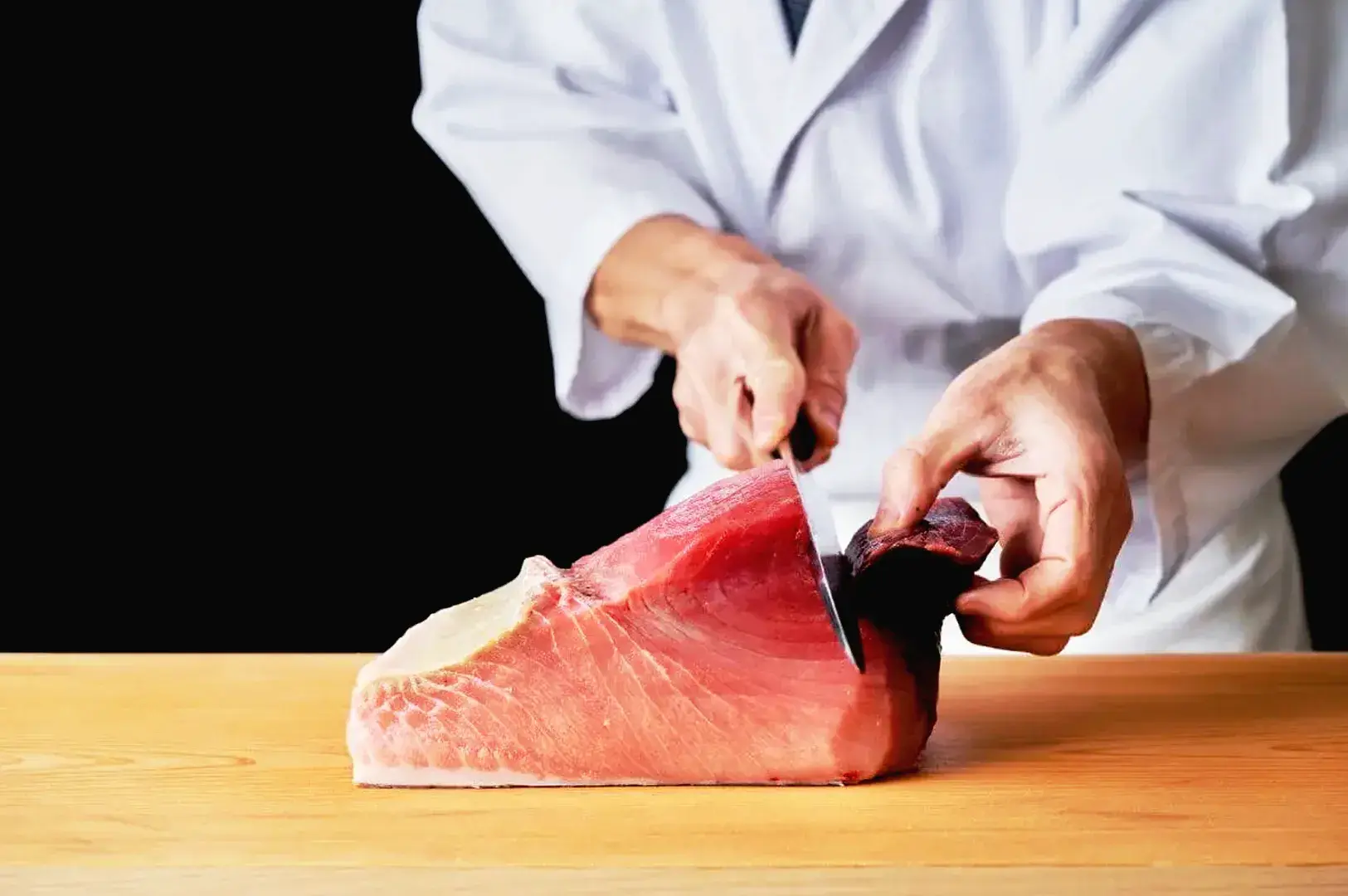
The quiet focus in a chef’s eyes, the swift, elegant arc of a long blade, the precise placement of a single glistening slice of fish upon a perfectly formed pillow of rice. This is the world of traditional Japanese sushi, a culinary discipline where art and science converge. It is a sensory experience that goes far beyond mere sustenance. Each bite tells a story of heritage, meticulous practice, and a profound respect for ingredients. In a food-obsessed city like Singapore, where the appreciation for Japanese cuisine runs deep, understanding the craftsmanship behind the counter enriches the entire experience, transforming a meal into a cultural journey.
This exploration delves into the foundational techniques that define authentic sushi. We will uncover the secrets behind the perfect rice, the mastery of the blade, and the philosophy that elevates simple ingredients into an edible art form.
The Foundation: Perfecting Sushi Rice
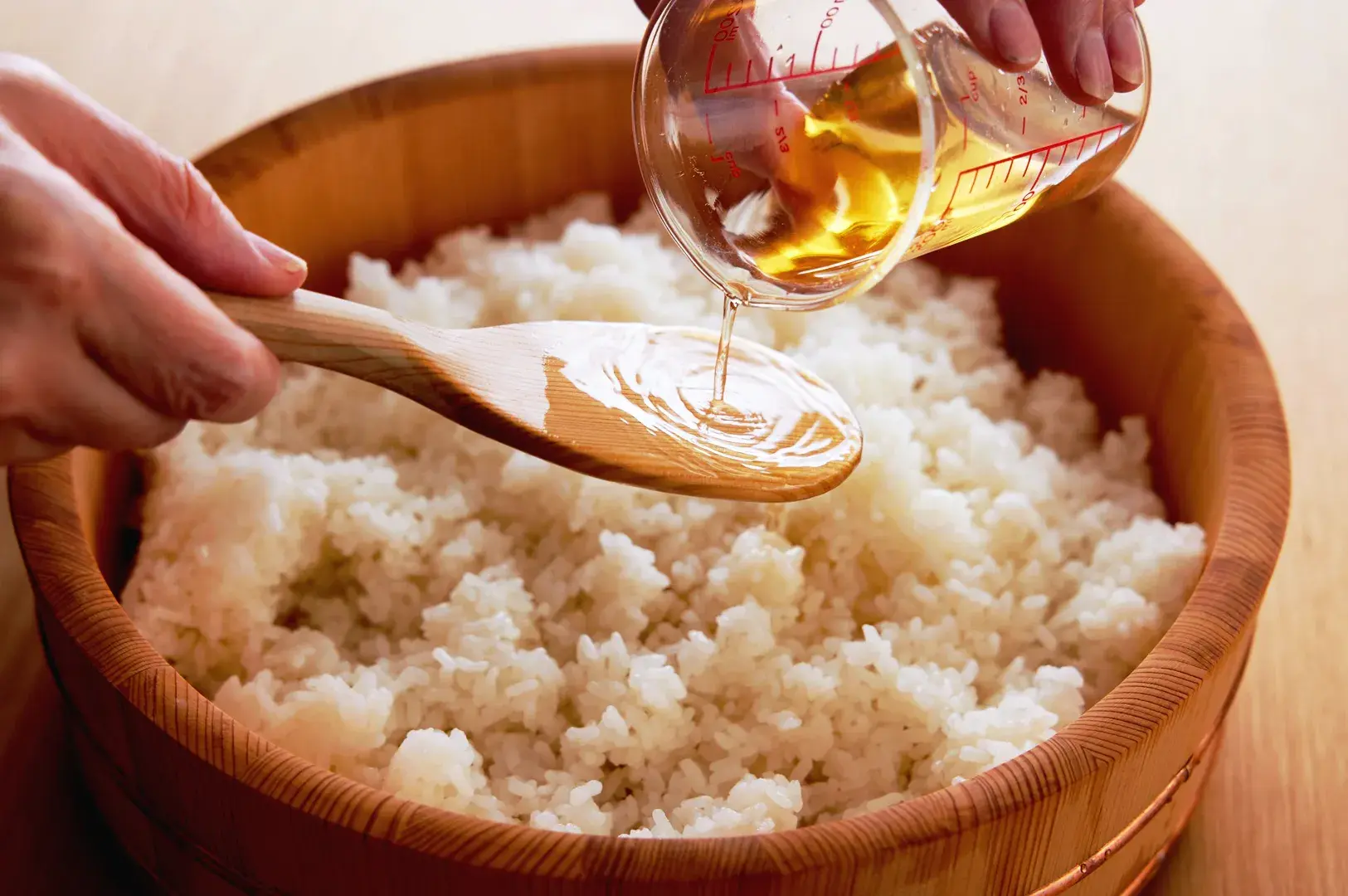
Many seasoned chefs will tell you that the heart and soul of great Japanese sushi is not just the fresh fish, but the specially prepared sushi rice, or shari. This vinegared rice is the canvas upon which all other flavors are painted, with a slightly sweet balance that complements the seafood perfectly. The pursuit of perfect sushi Japanese style begins with selecting a high-quality short-grain rice, prized for its ability to become sticky yet retain the integrity of each grain.
The preparation is a ritual in itself. After cooking, the rice is immediately transferred to a hangiri, a shallow, circular wooden tub traditionally made from cypress. The porous wood absorbs excess moisture, allowing the rice to cool evenly. The sushi chef then uses a shamoji, a flat rice paddle, to slice and fold the rice while seasoning it with a carefully balanced mixture of rice vinegar, sugar, and salt. This cutting motion prevents the grains from becoming mashed, ensuring a light, fluffy texture essential to quality sushi.
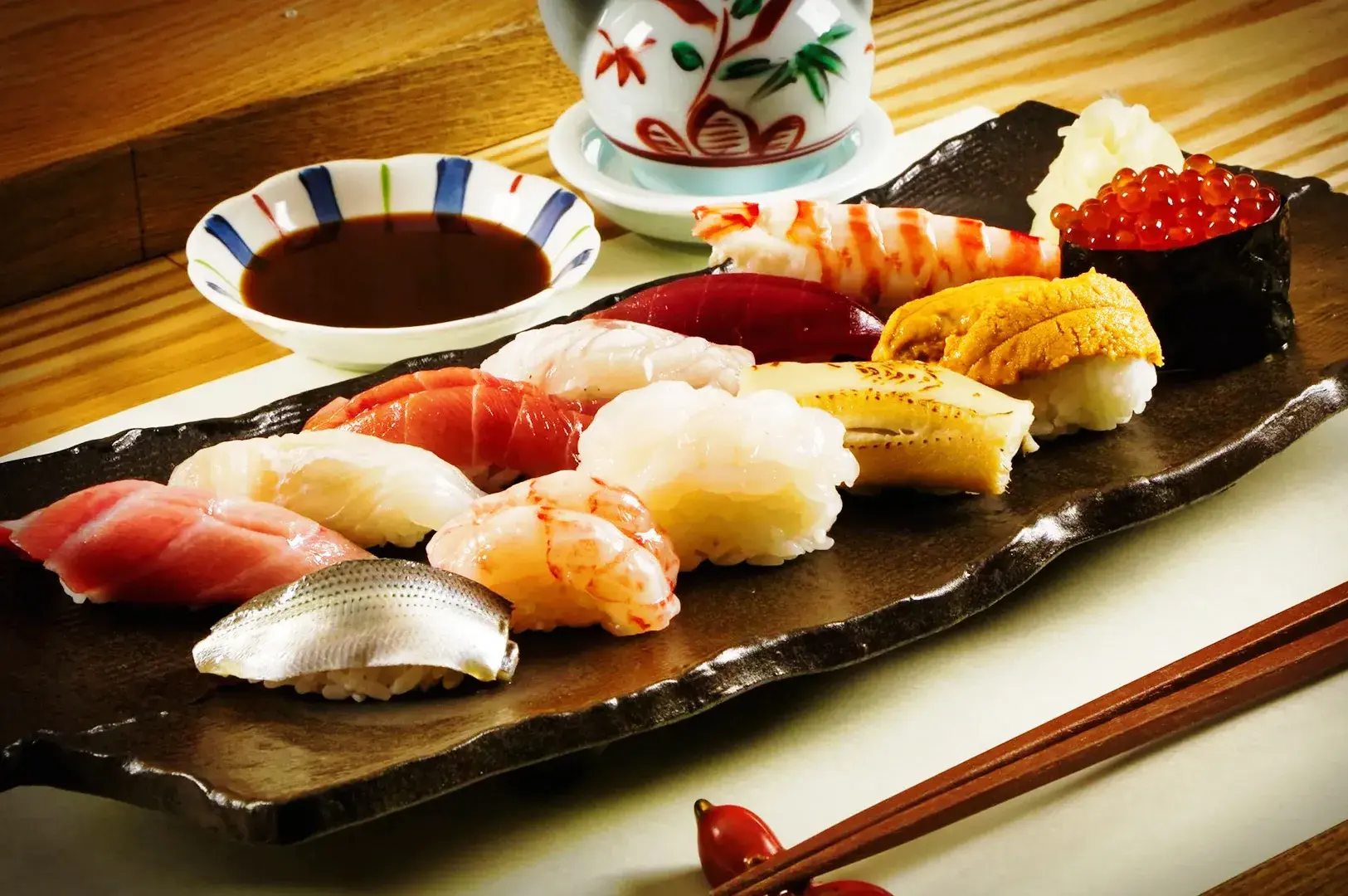
This process is fundamental to making various types of sushi, including nigiri sushi, rolled sushi, and pressed sushi (also known as box sushi). The vinegared rice pairs harmoniously with fresh seafood toppings such as fatty tuna, medium fatty tuna, mackerel sushi, and sea urchin, elevating the overall taste experience. A well-crafted sushi roll or hand roll, often wrapped in nori seaweed, showcases how the rice and seasonal ingredients come together to delight the taste buds.
In sushi restaurants, balancing the vinegared rice and fresh fish is crucial to avoid overpowering flavors like too much soy sauce, which can mask the subtle nuances of the sushi. Traditionally, sushi is enjoyed with accompaniments such as green tea and miso soup, which cleanse the palate and enhance the dining experience. Whether served at a sushi ya in Japan or at a conveyor belt sushi restaurant in other countries, the quality of the specially prepared rice remains the foundation of authentic Japanese sushi.
Knife Skills: The Art of Precision in Different Types of Sushi
The sushi chef’s knives, or hocho, are extensions of their hands and spirit. Often handcrafted and meticulously maintained, these single-beveled blades are designed for unparalleled sharpness and precision. Unlike Western knives, this design allows for cleaner cuts that preserve the delicate texture and flavor of the fish, essential in preparing authentic Japanese sushi.
There are three primary knives in a chef’s arsenal:
- The Yanagiba: Meaning “willow leaf blade,” this long, slender knife is used to slice raw fish for nigiri sushi and sashimi. Its length allows the chef to make a single, uninterrupted pulling motion, creating a flawless, glossy surface on the fish, a hallmark of quality sushi.
- The Deba: A heavier, more robust knife used for butchering and filleting whole fish. Deba‘s thick spine can cut through bones and heads, while its sharp edge is nimble enough for delicate work along the skeleton, preparing various kinds of fresh seafood.
- The Usuba: With its straight, thin blade, the usuba is a specialist for vegetables. It is used to create paper-thin slices of daikon for garnishes or to prepare other vegetable accompaniments with geometric precision, often served alongside sushi dishes.
Watching a sushi chef handle these tools is witnessing a dance of controlled grace, a skill honed over years of dedicated practice that elevates the preparation of fast sushi and traditional Japanese sushi alike.
Crafting Nigiri Sushi and Sashimi
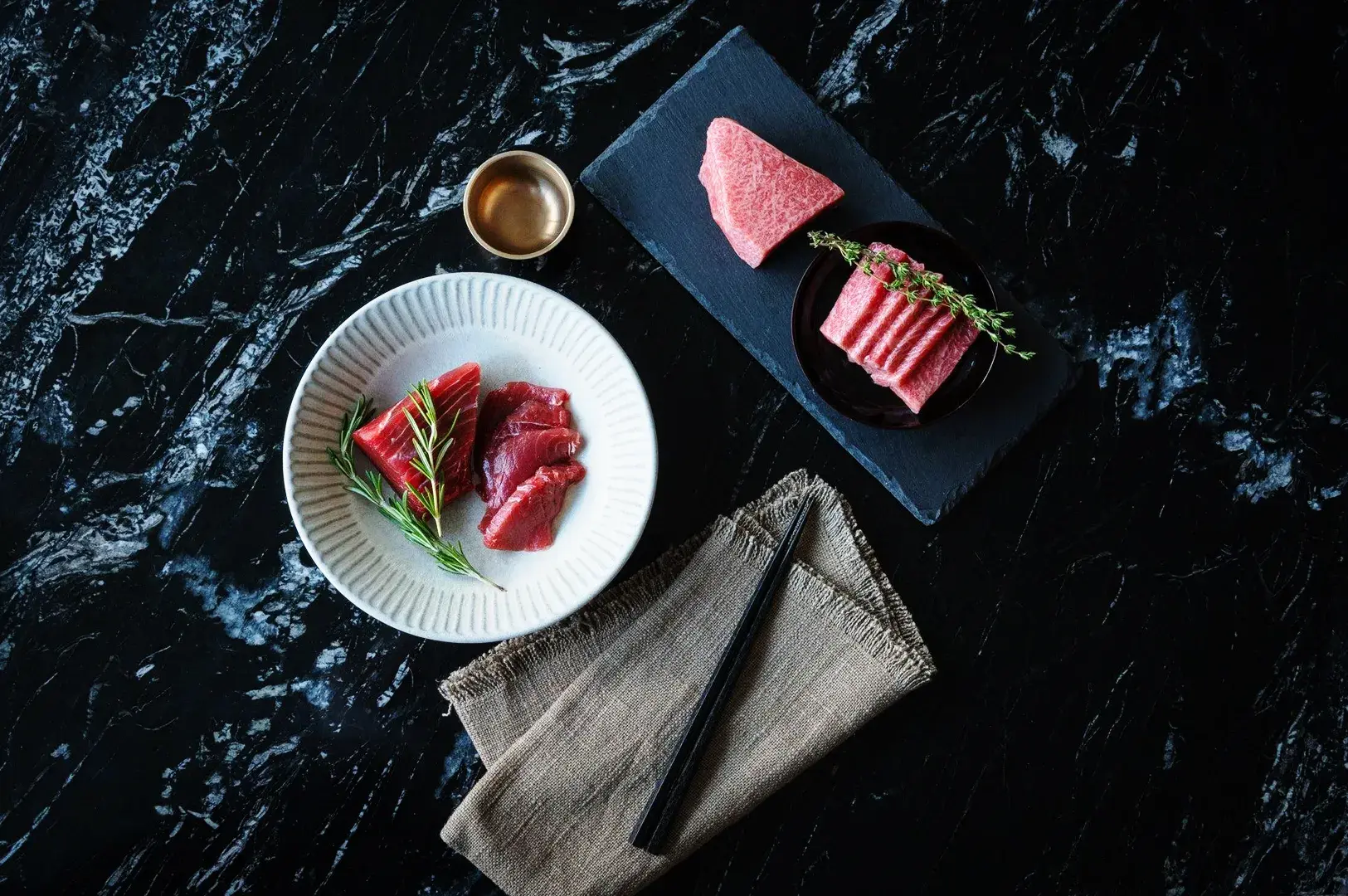
The creation of nigiri and sashimi is where all the foundational skills converge. Sashimi, pristine slices of raw fish served without rice, is the purest showcase of an ingredient’s quality and the sushi chef’s knife work. Each slice is cut to a specific thickness to optimize its texture and flavor profile.
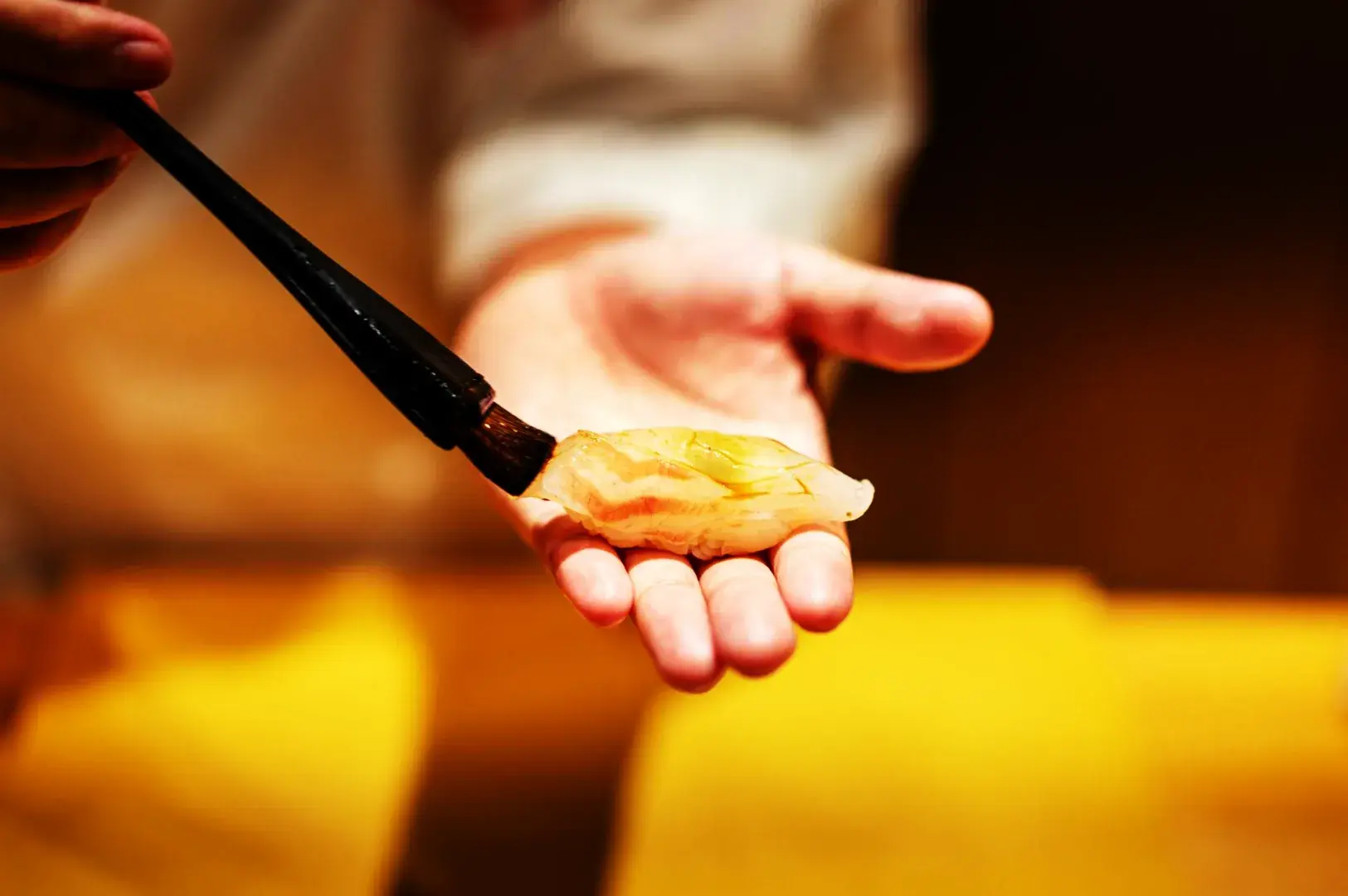
Nigiri is about harmony. It is the perfect marriage of fresh fish and specially prepared sushi rice, or shari. The sushi chef takes a small amount of vinegared rice and, with a few swift and gentle movements, forms it into a small, airy mound. This is a delicate balance; the rice must be firm enough to hold its shape but loose enough to melt in the mouth. The fish is then draped over the rice, creating a single, cohesive bite that exemplifies traditional Japanese sushi.
These dishes are often enjoyed during special occasions and are accompanied by ingredients such as wasabi and pickled ginger. They can be eaten with chopsticks or by hand, paired perfectly with sake or green tea to cleanse the palate.
In sushi restaurants, nigiri sushi and sashimi are staples of the menu, showcasing the chef’s mastery of knife skills and ingredient selection, whether the fish is fatty tuna, medium fatty tuna, sea urchin, or mackerel sushi. The artistry extends to other types of sushi, including gunkan maki (small, nori wrapped oval-shaped rice vessels filled with delicate toppings) and hand rolls shaped in a cone shape, highlighting the diversity within Japanese sushi offerings.
Omakase: The Pinnacle of Craftsmanship in Sushi Restaurants
The ultimate expression of a sushi chef’s mastery is the omakase experience, which translates to “I’ll leave it up to you.” Seated at the counter, the diner entrusts their entire meal to the chef, embarking on a journey through the finest seasonal ingredients, often flown directly from Tokyo’s Toyosu Market. This is not just a tasting menu; it is a curated performance that showcases seasonality, creativity, and the day’s best offerings of fresh seafood, including premium sashimi like fatty tuna and sea urchin.
An omakase meal is a journey through flavors and textures, with each course building upon the last. The chef’s choices reflect a deep understanding of traditional Japanese sushi techniques, including the perfect balance of vinegared rice and delicate raw fish, while often incorporating their own personal style. This intimate format of Japanese sushi dining fosters a unique connection between the sushi chef and the guest, making it the most profound way to experience this culinary art form.
In many countries, omakase has become synonymous with quality sushi and is often regarded as the pinnacle of dining at sushi restaurants. The experience may include various types of sushi such as nigiri sushi, gunkan maki, and hand rolls, all crafted with seasonal ingredients and served with accompaniments like miso soup and green tea. This style emphasizes the chef’s skill in selecting and preparing the freshest fish and seafood, ensuring each bite highlights the subtle flavors without overpowering them with too much soy sauce.
The omakase experience also highlights the importance of traditional elements like fermented rice and the use of bamboo leaf for presentation, which are integral to authentic Japanese sushi. Whether enjoyed at a high-end sushi ya in Japan or at an esteemed omakase restaurant abroad, this dining style offers an unparalleled culinary journey through the world of Japanese sushi.
Singapore’s Embrace of Japanese Sushi
Singapore’s multicultural food scene has not only adopted Japanese sushi but embraced it with fervor and sophistication. From hawker centers offering creative sushi rolls to world-renowned omakase restaurants specializing in edomae sushi, the city has woven sushi deeply into its culinary fabric. This vibrant embrace has led to fascinating adaptations where traditional Japanese sushi techniques meet local flavors, creating unique dishes like scattered sushi bowls and innovative inside out rolls inspired by the California roll.
Sushi restaurants across Singapore showcase a wide variety of sushi types, including nigiri sushi, pressed sushi, and hand rolls, often accompanied by classic sides such as miso soup and green tea. The use of fresh seafood flown in from Japan, seasonal ingredients, and the careful balance of vinegared rice reflect the dedication to quality sushi found in Japan sushi culture.
Singaporean diners have become increasingly knowledgeable and appreciative of authentic craftsmanship, savoring everything from sea urchin to medium fatty tuna, and enjoying sushi experiences that range from casual conveyor belt sushi with different colored plates to intimate omakase counters where the sushi chef’s artistry shines. This dynamic culinary scene continues to elevate the appreciation of traditional Japanese sushi while embracing innovation and local tastes.
Conclusion
The art and science behind traditional Japanese sushi reveal a world of immense dedication, precision, and cultural heritage. From the carefully seasoned rice to the millimeter-perfect slice of fish and the thoughtful inclusion of other ingredients such as egg and tempura, every detail is a testament to the chef’s commitment to their craft. This is a culinary tradition that invites us to slow down, to observe, and to appreciate the profound beauty that can be found in simplicity. The next time you enjoy a piece of sushi, take a moment to savor the artistry behind it. You are not just eating food; you are tasting centuries of history and passion.