
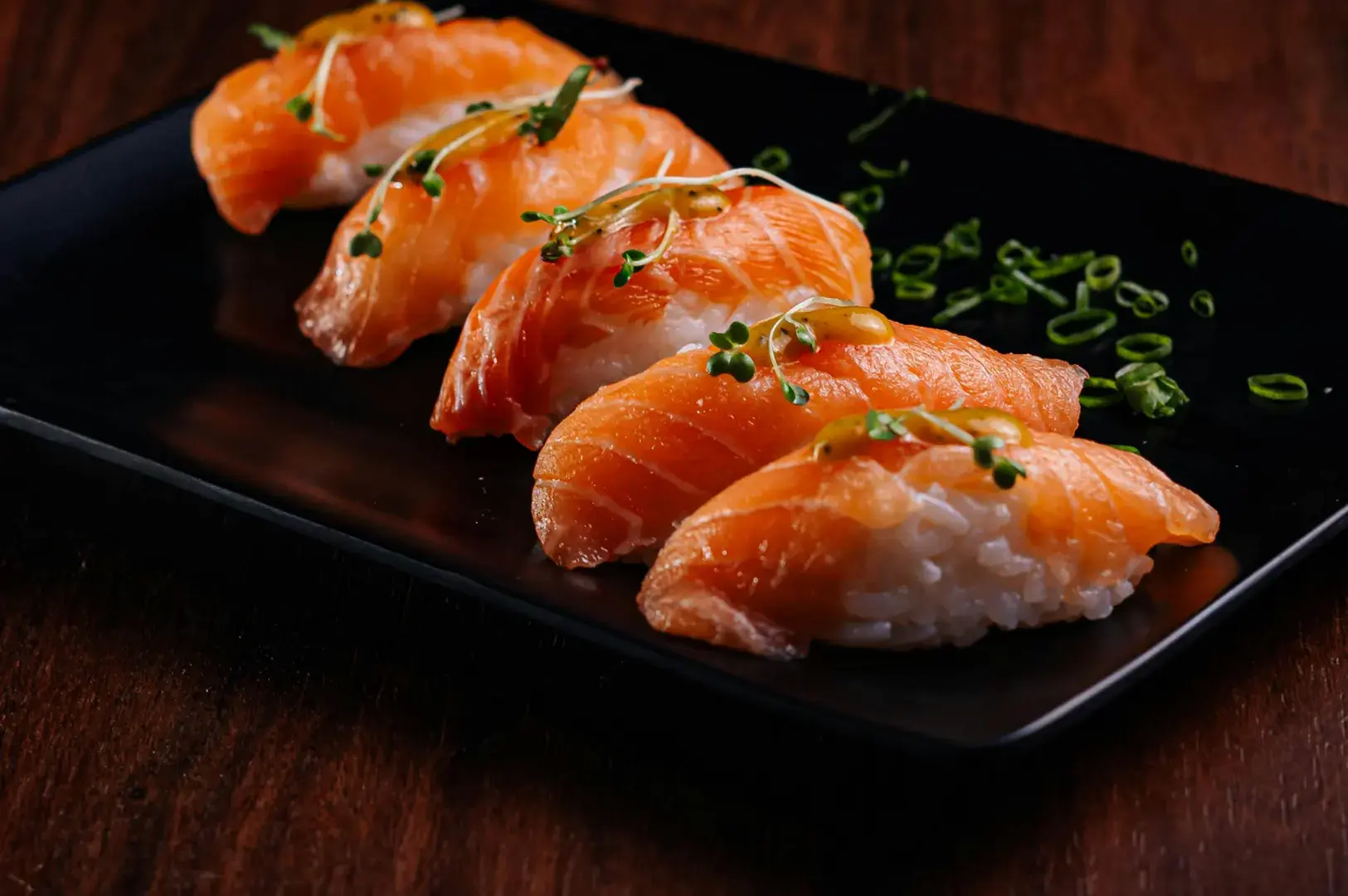
Nigiri Sushi: Understanding the Art, Types, and Tradition in Singapore
A piece of nigiri sushi is deceptively simple: a small hand-pressed mound of sushi rice topped with a slice of fish or other sushi ingredients. Yet behind that simplicity lies centuries of craftsmanship, cultural philosophy, and a quietly exacting tradition that continues to shape Japanese cuisine and sushi around the world. In Singapore, this practice has found fertile ground. From intimate sushi restaurants to premium Omakase Singapore counters, diners experience a dialogue between heritage and local adaptation.
The word nigiri, literally translating to “grip” or “press,” hints at the deliberate touch required to shape the rice, balance the sushi topping, and even manage the subtle addition of wasabi. Observing this in Singapore—at counters where chefs follow precise sequences and seasonal sourcing—is a window into the broader world of Japanese food discipline.
The Fundamentals of Nigiri Sushi
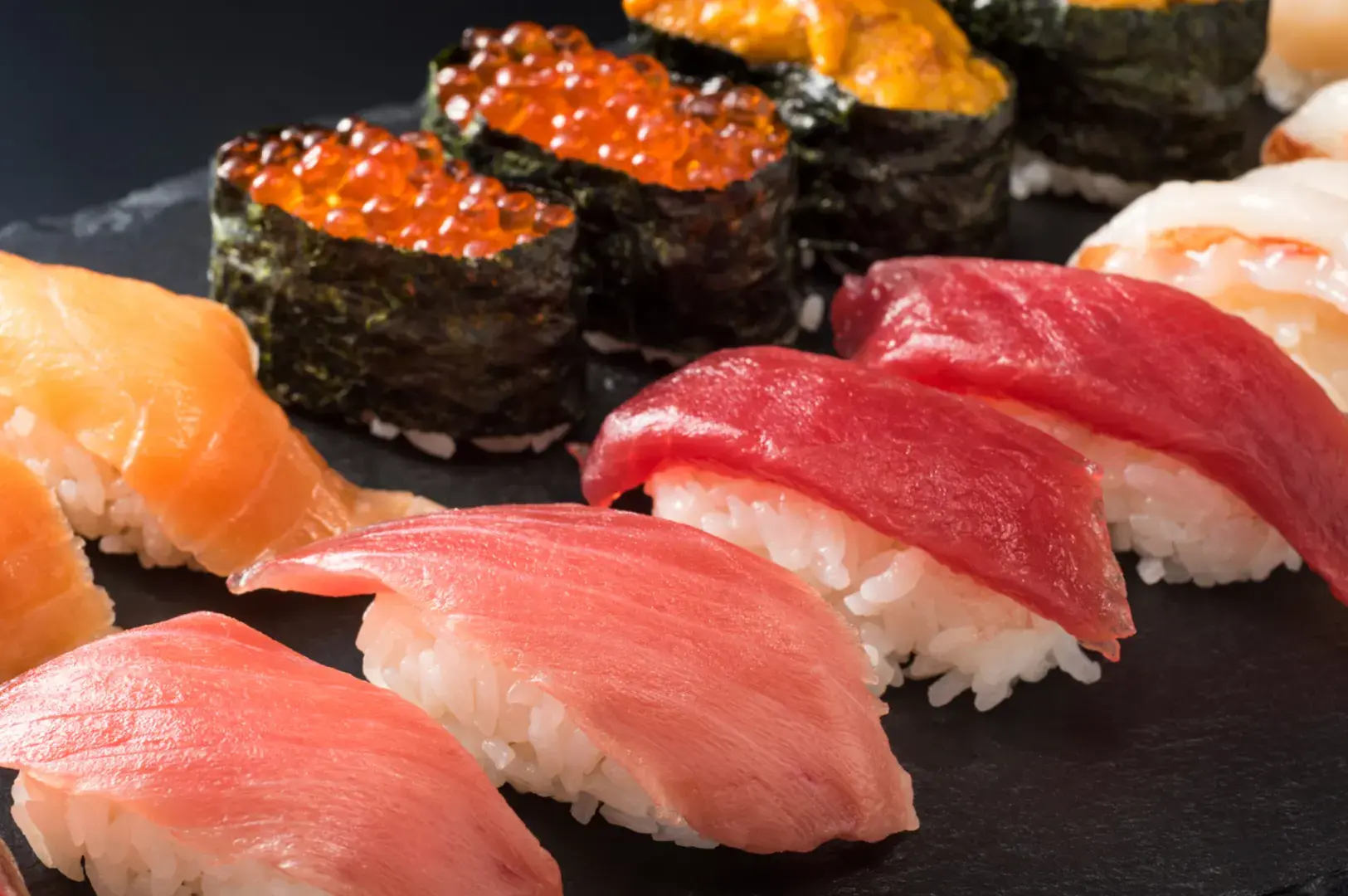
At its core, nigiri sushi relies on three elements: sushi rice, the topping, and the seasoning. Sushi rice is not merely cooked rice; it is carefully washed, seasoned with sushi vinegar, and shaped by hand into small, uniform mounds. The topping—often raw fish such as bluefin tuna, fatty tuna, or sea urchin—must harmonize in texture, flavor, and temperature. A single misstep can shift the balance.
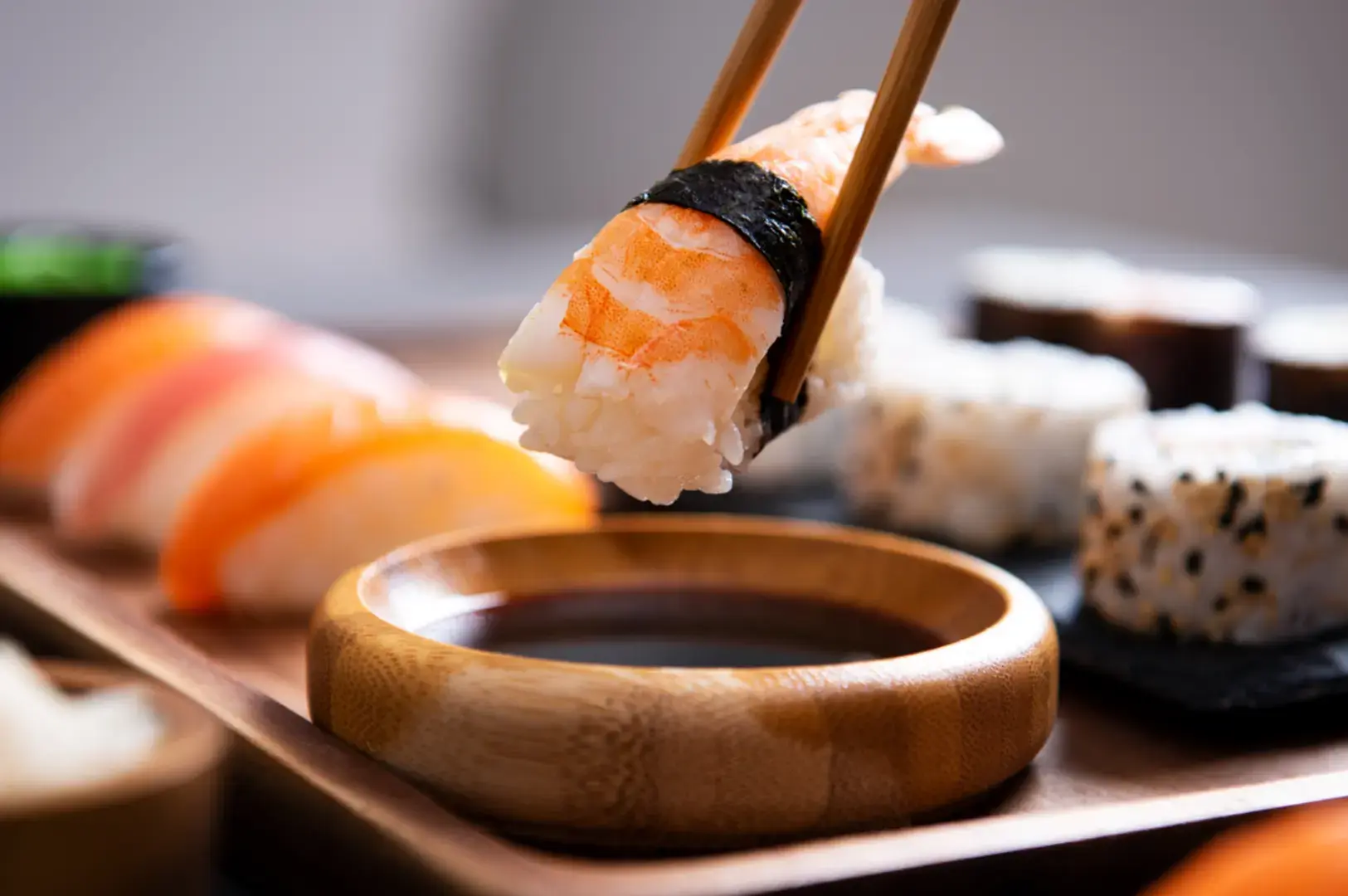
Soy sauce, traditionally used sparingly, acts as an accent rather than a dominant element. Its role is to complement the delicate flavors rather than overpower the fresh fish or vinegared rice. For diners learning to eat nigiri, this restraint is often one of the earliest lessons: the balance of taste depends as much on technique as on the ingredients themselves. Typically, nigiri sushi is eaten in one bite, using fingers or chopsticks, and the fish side is dipped lightly into soy sauce to avoid soaking the rice.
Types of Nigiri Sushi and Seasonal Considerations
Types of nigiri in Singapore vary according to seasonal availability and restaurant philosophy. Common examples include:
- Bluefin tuna (maguro or chūtoro sushi) – prized for its texture and richness.
- Fatty tuna (ōtoro) – rare and highly marbled, offering a creamy texture and creamy texture.
- Sea urchin (uni) – creamy, briny, often served atop a small strip of dried seaweed in gunkan maki form.
- Sea bream (tai) – light, delicate, with a clean, refreshing taste.
- Conger eel (anago) – usually served cooked, providing a sweeter, richer flavor profile.
Each topping is paired carefully with vinegared rice, and sometimes brushed lightly with soy sauce or other sauces, highlighting the principle that nigiri is both art and balance.
For those interested in a broader overview, this article on the different types of sushi provides valuable context and complements our deep dive into nigiri sushi.
The Technique of Making Nigiri
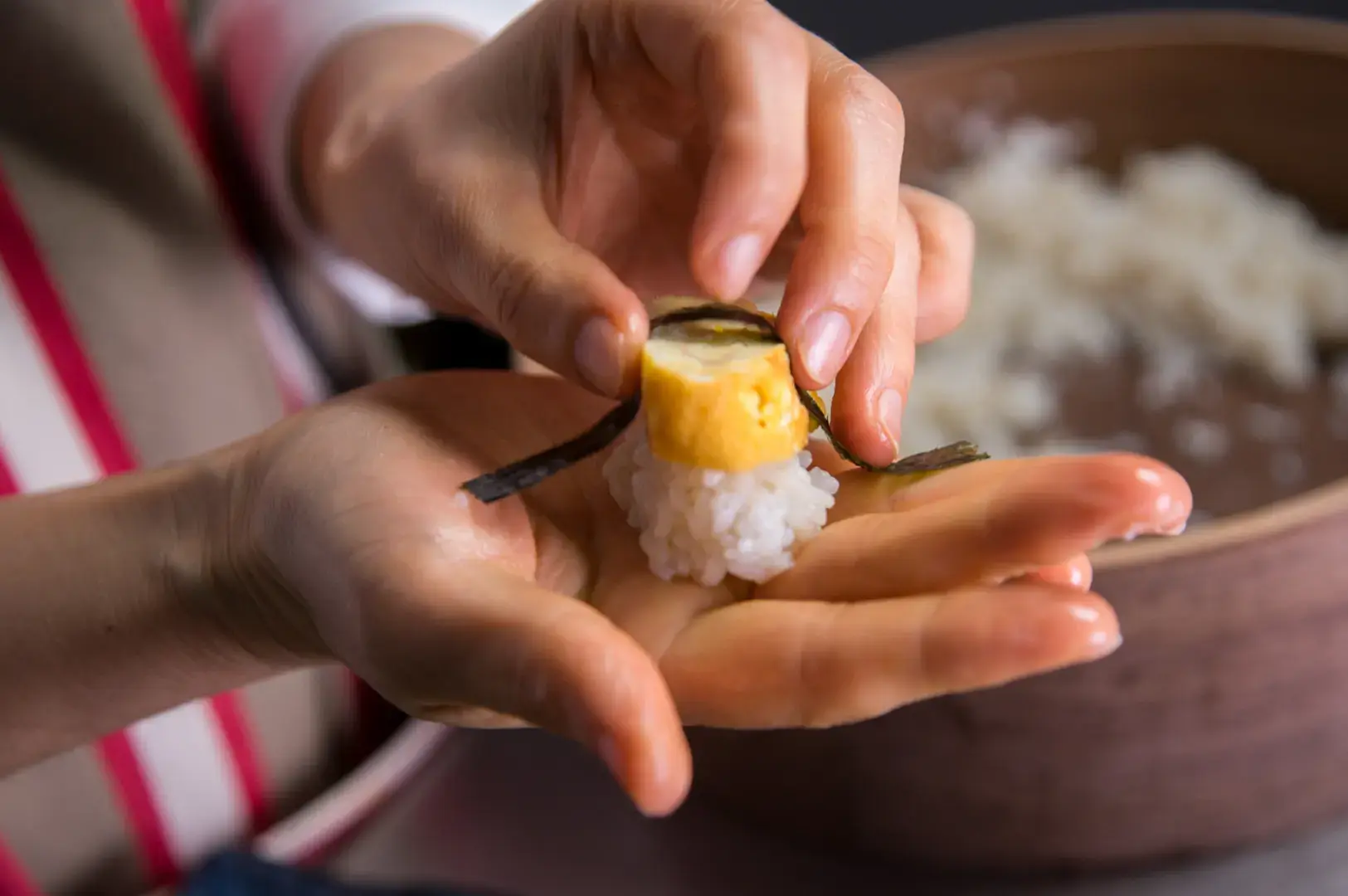
Observing a sushi chef craft nigiri is an education in precision. The process involves:
- Taking a small ball of sushi rice and shaping it gently with two fingers, often wet with vinegared water to prevent sticking.
- Applying a minimal amount of wasabi, typically placed between the sushi topping and rice.
- Placing the topping carefully to sit flush on the rice.
- Optionally brushing lightly with soy sauce or other flavor accent such as nikiri.
The smallest deviations—too much pressure, misaligned toppings, uneven rice seasoning—can subtly alter taste and mouthfeel. Chefs often train for years, focusing on knife work, cutting board skills, rice texture, and pacing.
In Singapore, this craftsmanship is visible not only at standalone sushi restaurants but also at high-end omakase places in Singapore, where each course demonstrates technical skill and seasonal awareness. These experiences offer more than flavor; they teach an appreciation for rhythm, balance, and restraint.
Nigiri Sushi and the Role of Seasonal Ingredients
Seasonality is central to Japanese cuisine philosophy, and in Singapore this principle has been carefully adapted. Chefs source fresh fish locally when possible, supplementing with imports from Japan or regional suppliers. Seasonal fish, including early summer catches or specialty items like sea urchin or golden eye snapper, are used to match the rhythm of the market.
This is particularly evident in Omakase Singapore menus, where the sequence of courses aligns with availability and peak freshness. Diners experience a series of nigiri sushi courses designed to showcase both technique and ingredient quality, from delicate white fish to richly marbled tuna.
For those exploring the full spectrum of sushi, including the best Omakase Singapore, understanding nigiri is essential. It is both a building block of sushi and a lens through which diners can appreciate craftsmanship, cultural heritage, and thoughtful dining design.
Eating Nigiri: The Sensory Experience
To truly eat nigiri is to engage all senses:
- Sight: the subtle color gradations of raw fish against pearly rice.
- Touch: the texture of the rice and fish, the resistance of a perfectly pressed nigiri under the fingers.
- Taste: the interplay of sweet flavor from the sushi vinegar, lightly salted soy, and delicate fish.
- Smell: the faint aroma of fresh seafood and sometimes grilled other toppings.
Accompanying elements like pickled ginger or a light brushing of sauce act as pauses between bites, allowing the diner to reset and fully appreciate each piece. Eating nigiri is often a single-bite experience, yet it requires mindful attention to savor the complexity.
Nigiri Sushi vs Other Types of Sushi
Nigiri sushi is one of several popular types of sushi, each with distinct characteristics. Unlike maki sushi, which involves rolling ingredients like raw fish and vegetables with rice and seaweed into cylindrical shapes, nigiri is hand-pressed rice topped with a thin strip of raw or cooked fish or other seafood.
Temaki, another type, is cone-shaped sushi wrapped in seaweed and filled with rice and toppings. Sashimi, often confused with nigiri, is simply thinly sliced raw meat or fish served without rice. While nigiri is traditionally eaten with fingers and dipped fish-side down in soy sauce to avoid soaking the rice, sashimi is usually eaten with chopsticks. This contrast highlights the unique role nigiri plays among the various sushi menu offerings, combining vinegared rice with fresh, often raw meat to create a balanced dish.
Nigiri Sushi in Singapore: A Cultural Adaptation
Singapore’s sushi scene reflects migration, trade, and local taste. From small sushi counters to premium Omakase offerings, chefs blend traditional Japanese sushi techniques with ingredients and presentation adapted for local diners. Popular toppings may include tuna, salmon, or locally sourced seafood, with occasional cooked items like conger eel or boiled shrimp.
Nigiri sushi retains its essence—hand pressed sushi, fresh toppings, careful seasoning—while being reinterpreted to suit Singapore’s palate and urban dining habits. Even small changes in sushi vinegar, rice texture, or sauce can illustrate this negotiation between tradition and context.
Conclusion
Nigiri sushi is more than rice and fish; it is a reflection of Japanese food philosophy, seasonal awareness, and culinary precision. In Singapore, it has adapted to new markets and tastes without losing its foundational principles. From casual sushi counters to refined omakase settings, nigiri remains a central expression of technique, balance, and respect for ingredients. Observing a chef gently shape each piece, or tasting the subtle harmony of rice, fish, and seasoning, is to witness a tradition that continues to thrive far from its origins, evolving with every bite.