
Seasonal Omakase in Singapore: How Top Sushi Chefs Celebrate Japan’s Culinary Calendar
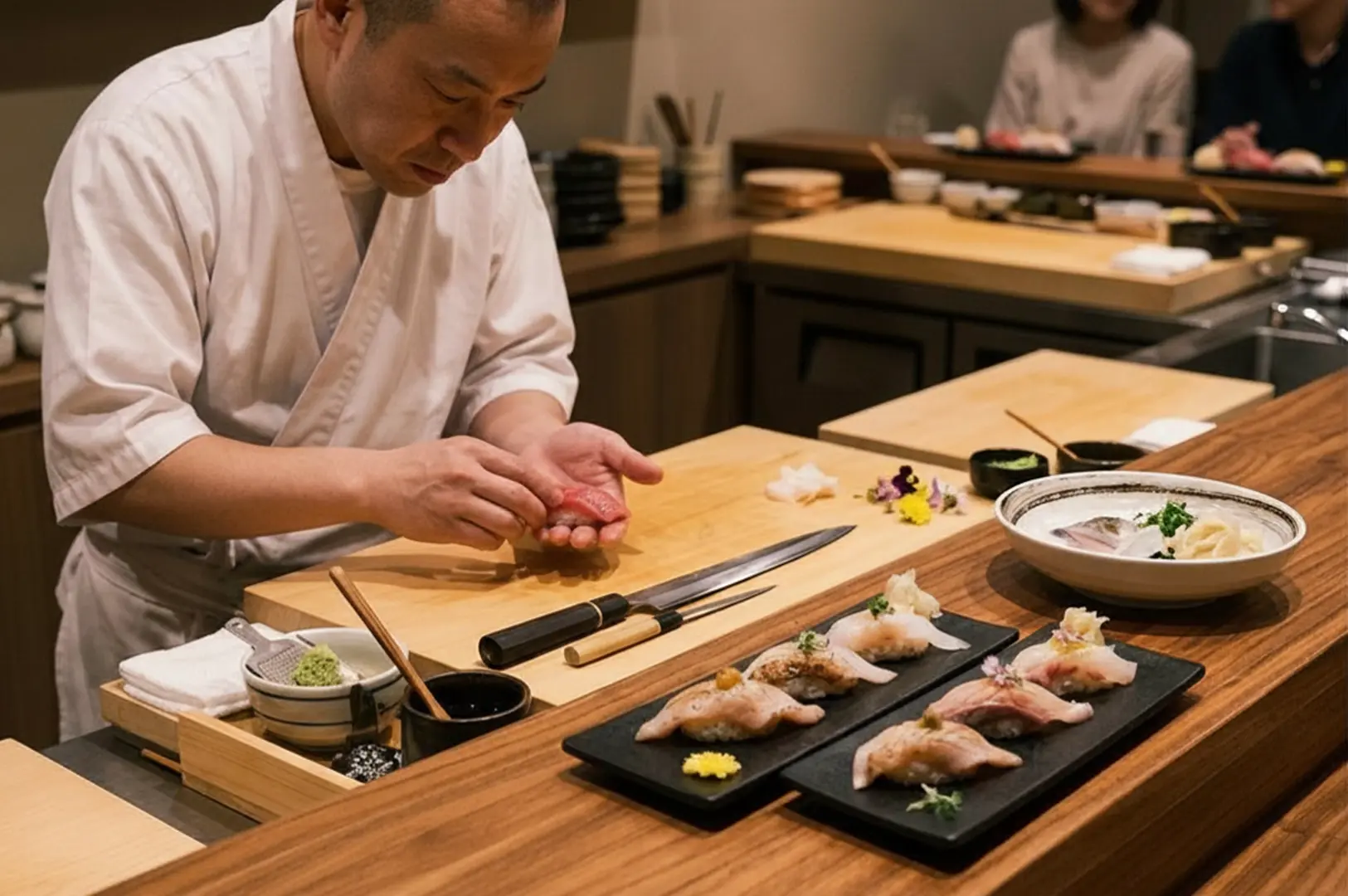
In a city defined by perpetual summer, the concept of seasons can feel distant. Yet, behind the polished hinoki counters of Singapore’s finest Japanese restaurants, a vibrant culinary calendar unfolds. The arrival of firefly squid signals the dawn of spring, while the rich, fatty belly of winter yellowtail marks the year’s coldest months. This is the world of seasonal omakase, a dining experience where chefs in tropical Singapore masterfully channel the distinct flavors of Japan’s four seasons.
To dine at these omakase restaurants is to embark on a curated culinary journey that goes beyond just eating; guests are immersed in refined ambiance and attentive service, making each meal a memorable occasion.
The practice of enjoying omakase in Singapore has become a way to travel through taste, a testament to the city’s deep connection with global culinary traditions.
The Role of Seasonality in Sushi Omakase
At the very heart of Japanese cuisine is the principle of shun, the celebration of ingredients at their absolute peak. This philosophy is the guiding force behind the omakase tradition. A true omakase meal is not a fixed menu but a living, breathing expression of a specific moment in time. The chef, or itamae, acts as a curator, crafting a journey that showcases the best offerings of the current season.
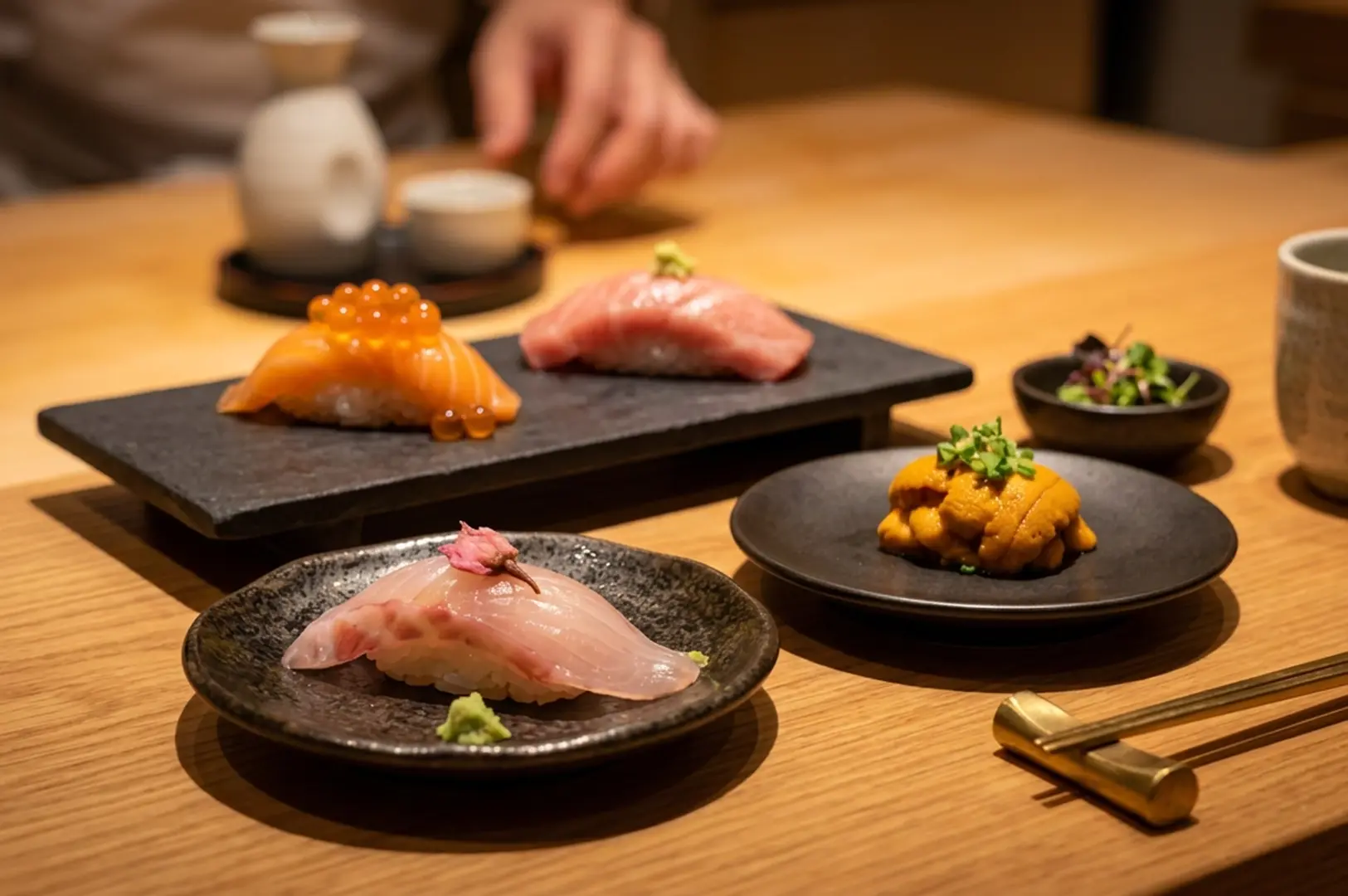
This commitment to seasonality dictates every choice in the omakase menus served at Japanese restaurants in Singapore. In spring, the lunch omakase menu might be light and vibrant, featuring delicate items like bamboo shoots (takenoko) and cherry blossom sea bream (sakura-dai). Summer brings lean, clean-flavored fish and refreshing vegetables, perfect for those who prefer a fresher palate. Autumn is a time of abundance, with rich flavors from returning salmon, earthy mushrooms, and seasonal tempura. Winter offers fatty, umami-laden fish whose bodies have prepared for the cold waters, ideal for cooked dishes that warm the soul.
Crafting a seasonal omakase sushi menu is an art form inspired by the changing seasons, requiring deep knowledge, foresight, and a profound respect for nature’s rhythms. Diners can expect a carefully curated selection of nigiri sushi, sashimi, and other seasonal appetisers, often paired with sake or wine to enhance the meal. Many omakase restaurants, including Sushi Masa by Ki-setsu, are closed on Monday, opening from Tuesday to Saturday, with private bookings available on Sunday. Reservations are essential to secure a spot at these limited-seating venues, where every dish is designed to impress the palate and celebrate the finest ingredients flown in from Japan.
Sourcing Seasonal Ingredients for Omakase in Singapore
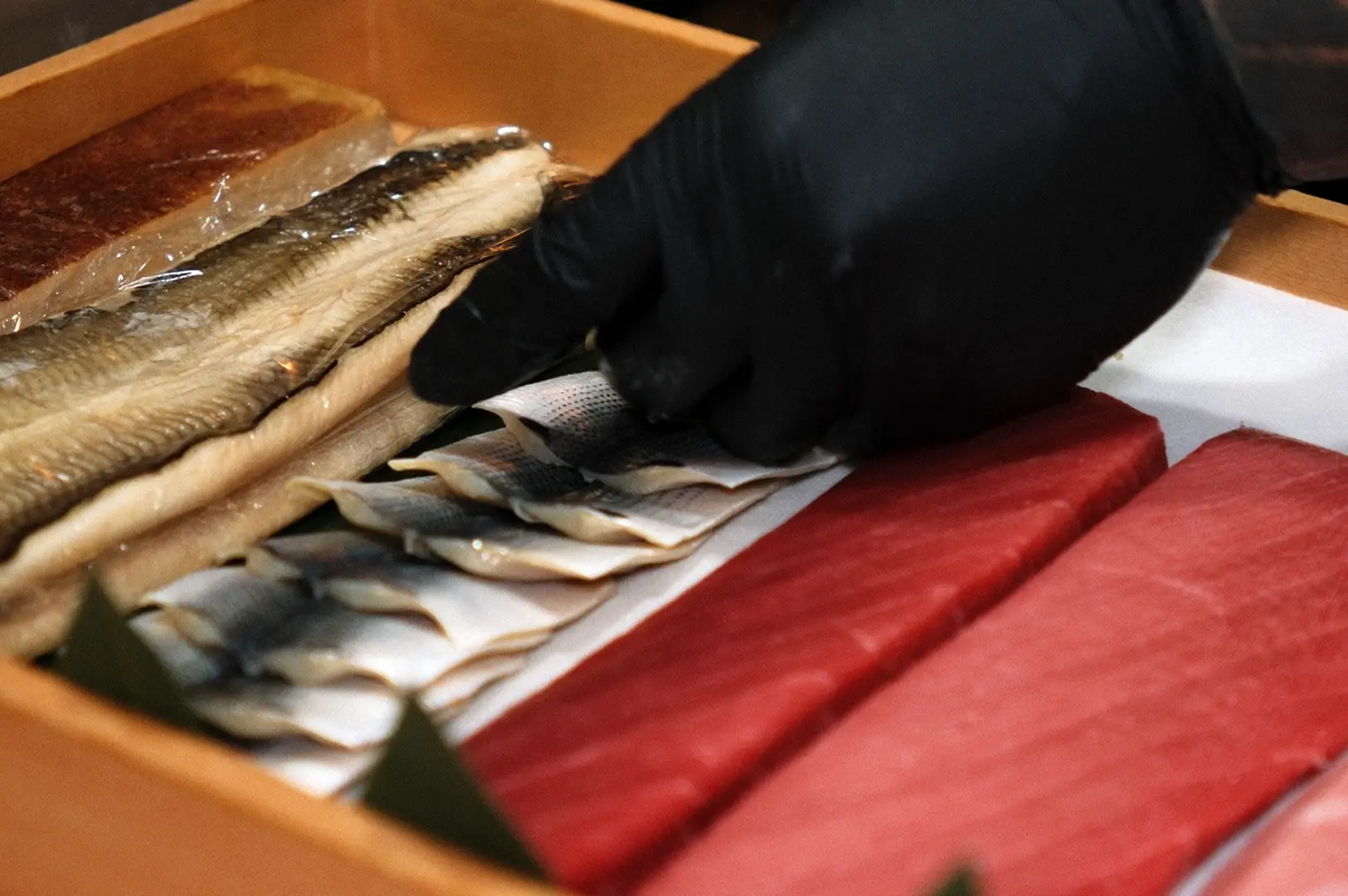
For chefs in Singapore, celebrating Japan’s seasons is a feat of logistics and dedication. Without local access to these specific seasonal ingredients, they rely on an intricate and highly efficient global supply chain. The finest omakase restaurants, including Sushi Masa by Ki-setsu, have cultivated deep relationships with suppliers in Japan, who act as their eyes and ears at world-renowned markets like Toyosu in Tokyo.
Several times a week, a carefully orchestrated process begins. Chefs communicate their needs based on the unfolding season, and suppliers procure the best available products. This precious cargo, from glistening fish to unique mountain vegetables, is packed with meticulous care and flown directly to Singapore. It often arrives within 24 to 48 hours of being sourced. This unbroken cold chain ensures that an ingredient tastes as fresh on a plate in Singapore as it would in Ginza. This incredible effort allows diners to experience authentic, seasonal omakase in Singapore, a testament to the city’s status as a global culinary hub.
Seasonality in Sushi Masa by Ki-setsu
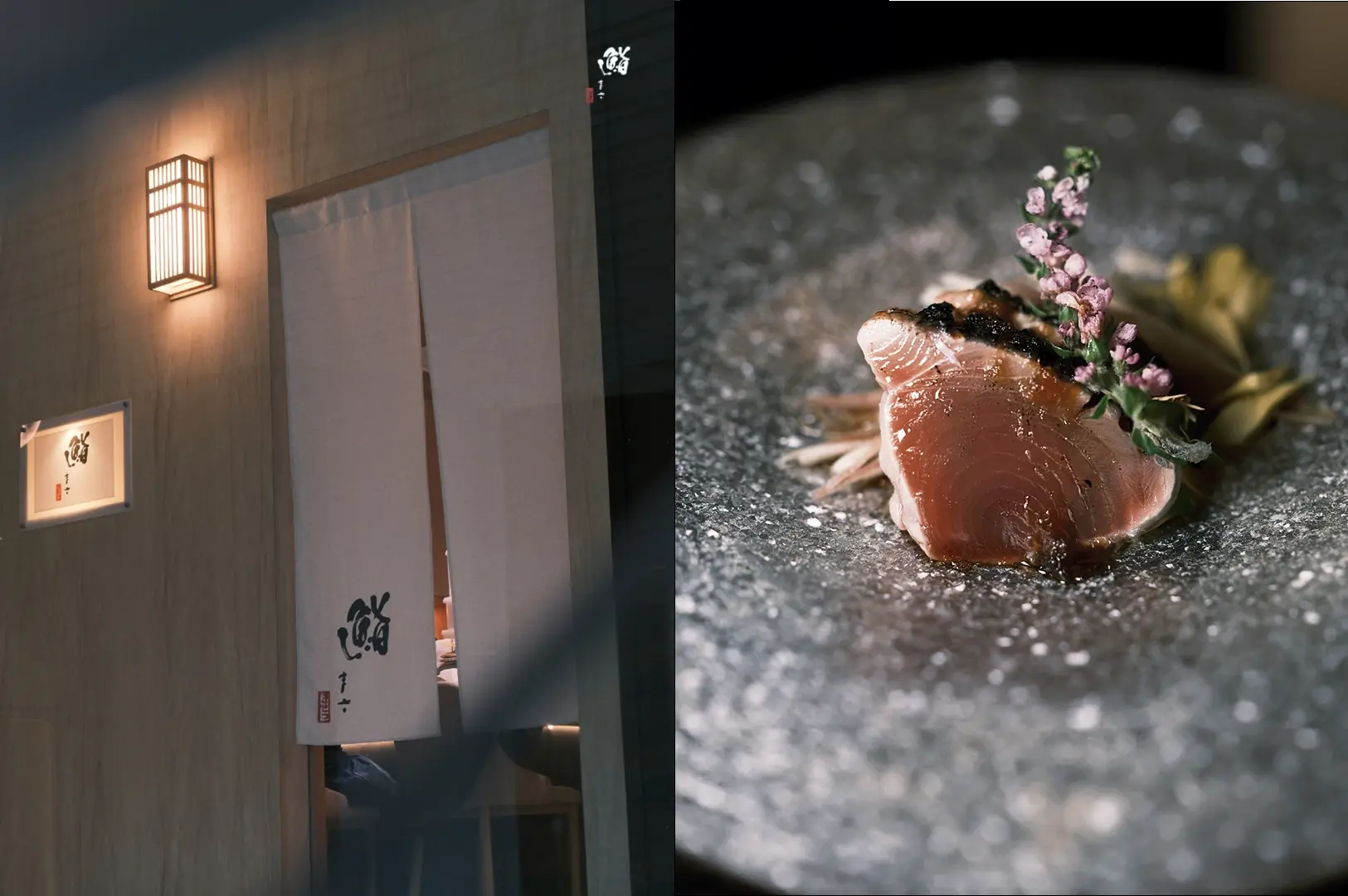
One exemplary approach to sourcing seasonal ingredients can be seen at Sushi Masa by Ki-setsu, a limited-seating restaurant located in the heart of Cuppage Plaza. The restaurant’s space is intimate, with only eight seats, accommodating up to eight pax per seating, emphasizing personalized service and craftsmanship. The chefs emphasize a direct and meticulous relationship with suppliers in Japan, particularly those connected to the famed Toyosu Market. Ingredients, including premium sashimi-grade fish, uni (sea urchin), otoro, and other seasonal seafood, are flown in multiple times a week, ensuring exceptional freshness.
Sushi Masa’s omakase menus are served exclusively for dinner from Tuesday to Saturday, with private bookings available on Sunday. The opening hours for dinner service are 6:30pm to 10:00pm. Guests can expect a culinary journey showcasing seasonal appetisers, nigiri sushi, cooked dishes, and dessert, all crafted to impress the palate. Reservations are required to secure a spot at this coveted entrance in the Singapore omakase scene.
This dedication to freshness, seasonality, and exceptional service makes Sushi Masa by Ki-setsu a standout Singapore outpost for authentic Japanese omakase cuisine, where diners can indulge in the finest ingredients and savor an unforgettable meal paired with premium sake and wine.
Lunch Omakase Menus: Advice for Home Chefs
The philosophy of shun is not exclusive to high-end restaurants. Home chefs can easily adopt the spirit of seasonal cooking, even in a tropical climate like Singapore’s. The key is to focus on the freshest ingredients, whether sourced locally or imported from Japan, ensuring each dish highlights the finest ingredients available.
- Visit Japanese Markets: Specialty grocers and Japanese markets in Singapore often stock seasonal Japanese produce and seafood. Look for items that are newly arrived; their freshness will be evident in vibrant color and firm texture. In spring, you might find fresh sansai (mountain vegetables), while autumn could bring new-harvest rice (shinmai). These seasonal appetisers and hot dishes can inspire your home-cooked meals.
- Follow the Seafood Calendar: While salmon and tuna are popular year-round, many fish have distinct seasons. Ask your local fishmonger or Japanese grocer what is best at the moment. You might discover the pleasures of horse mackerel (aji) in summer or the richness of saury (sanma) in the fall. Incorporating nigiri sushi or cooked dishes featuring these seasonal catches can elevate your dining experience.
- Keep It Simple: The essence of Japanese cuisine is to let the ingredient shine. When you find a beautiful seasonal product, prepare it simply. A light grill, such as grilled fish or meat, a quick steam, or serving it raw with a touch of soy sauce is often all that is needed to honor its natural flavor. Home chefs can opt for different cooking methods (grilling, steaming, or serving raw) depending on the ingredient. Adding a bowl of soup or a small appetiser can complement the meal, making it feel like a memorable course.
By embracing this approach, even home chefs can imagine the artistry behind an omakase in Singapore, appreciating the dedication to seasonality and freshness that defines the city’s finest Japanese restaurants. As a bonus, consider including a complimentary appetiser or beverage to enhance your home omakase experience.
Conclusion
The celebration of seasons is a thread that connects Japanese culinary heritage across time and distance. In the hands of Singapore’s top omakase chefs, it becomes a bridge between two worlds, allowing diners to experience the ephemeral beauty of Japan’s calendar from an island in the tropics. This dedication to shun is a reminder that food is more than sustenance; it is a connection to nature, a form of artistry, and a story of place. The next time you indulge in an omakase in Singapore, take a moment to savor not just the taste, but the incredible journey and profound philosophy that brought that perfect, seasonal bite to your plate.