
Omakase Etiquette: A Guide to Proper Conduct at Singapore’s Sushi Counters
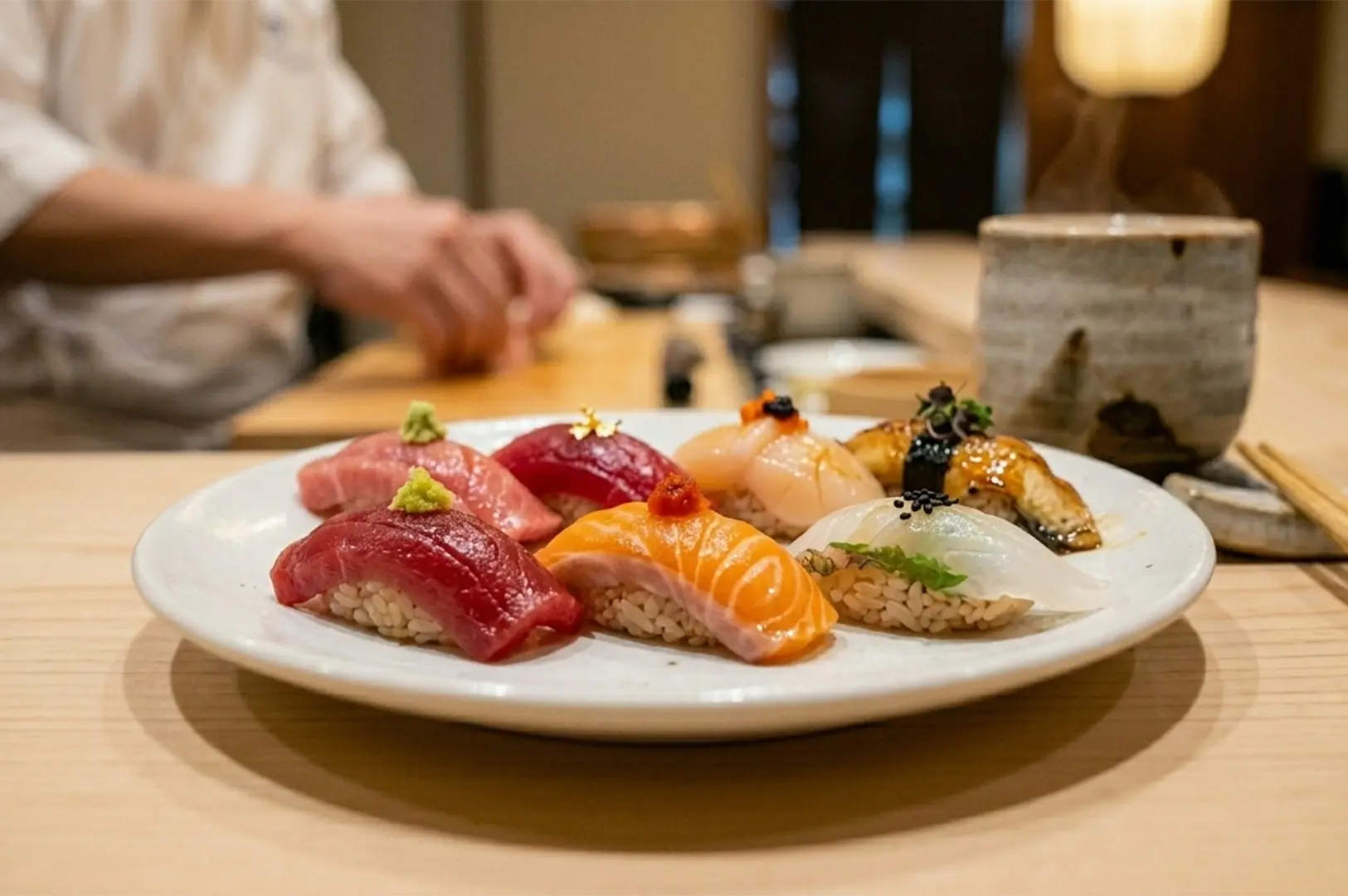
The hinoki wood counter glows under a soft light, smooth and unadorned. Across from you stands the itamae, or sushi chef, a figure of calm authority whose hands move with a practiced, rhythmic grace. You are here for an omakase meal, a dining experience that is part theater, part culinary journey, and part intimate conversation. As this revered Japanese tradition has taken root in Singapore, more diners are embracing the invitation to “leave it up to the chef.” But this unique meal comes with its own set of cultural nuances. Understanding the unspoken rules of conduct is not about rigid formality; it is about enhancing the experience and showing respect for the craft, the chef, and the food itself.
The Essence of Omakase Dining: A Michelin Guide Hall of Fame
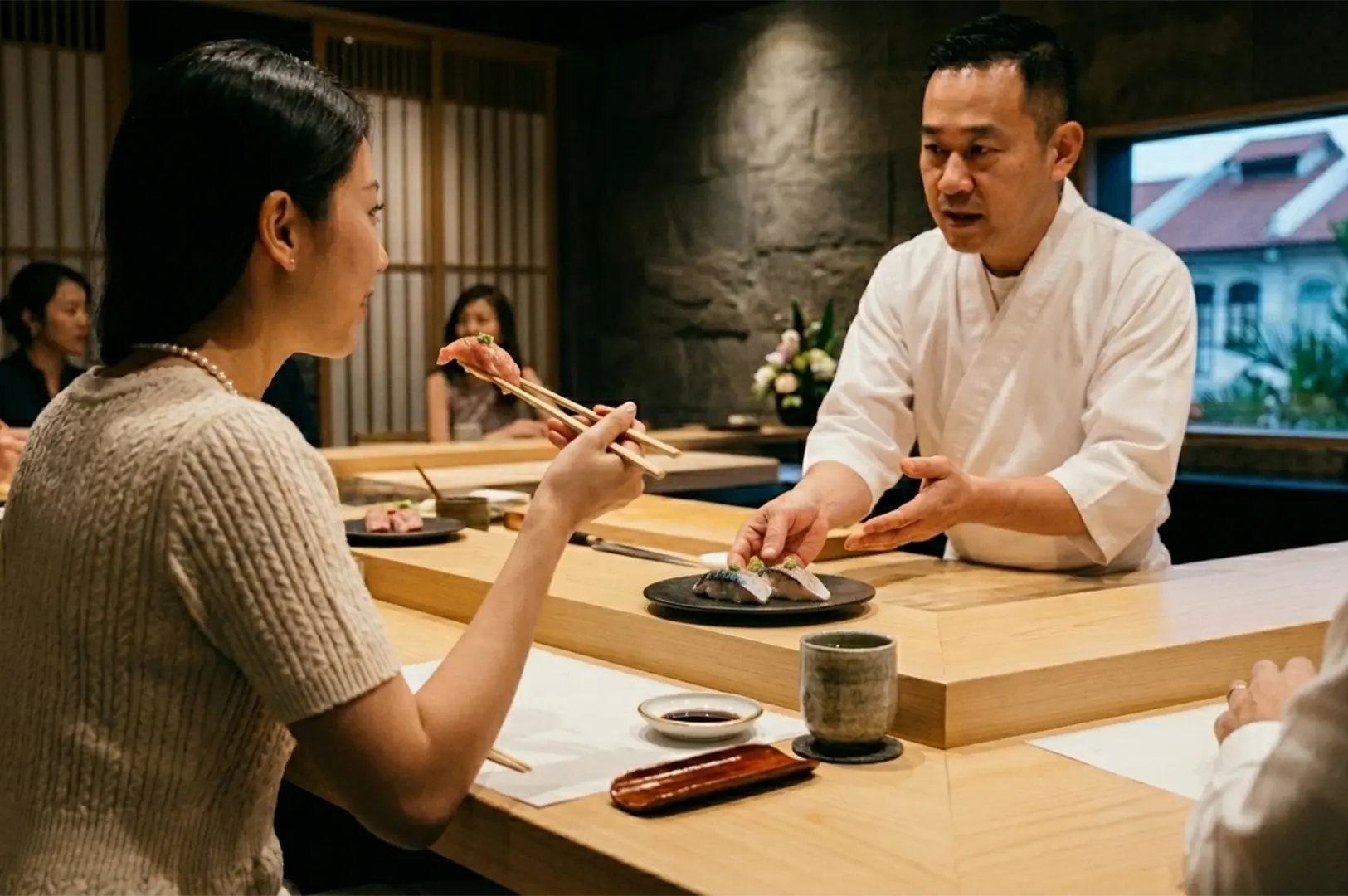
“Omakase” means “I trust you to decide,” embodying a profound trust between the diner and the chef. Unlike a standard restaurant meal with a fixed menu, omakase is a carefully curated, seasonal showcase where the chef presents a sequence of courses featuring the freshest ingredients available that day. Each piece of omakase sushi is thoughtfully selected, highlighting a specific fish, celebrating the season, or demonstrating a particular aging or curing technique.
This experience is a direct connection with the culinary artist. The counter serves as the stage, offering diners a front-row view. The chef’s role goes beyond cooking; they act as a guide, sharing the origin of ingredients and the reasoning behind each pairing. Meanwhile, diners participate as attentive and respectful guests, embracing the journey the chef has crafted. This mutual exchange forms the core of the omakase experience.
Essential Sushi Omakase Etiquette
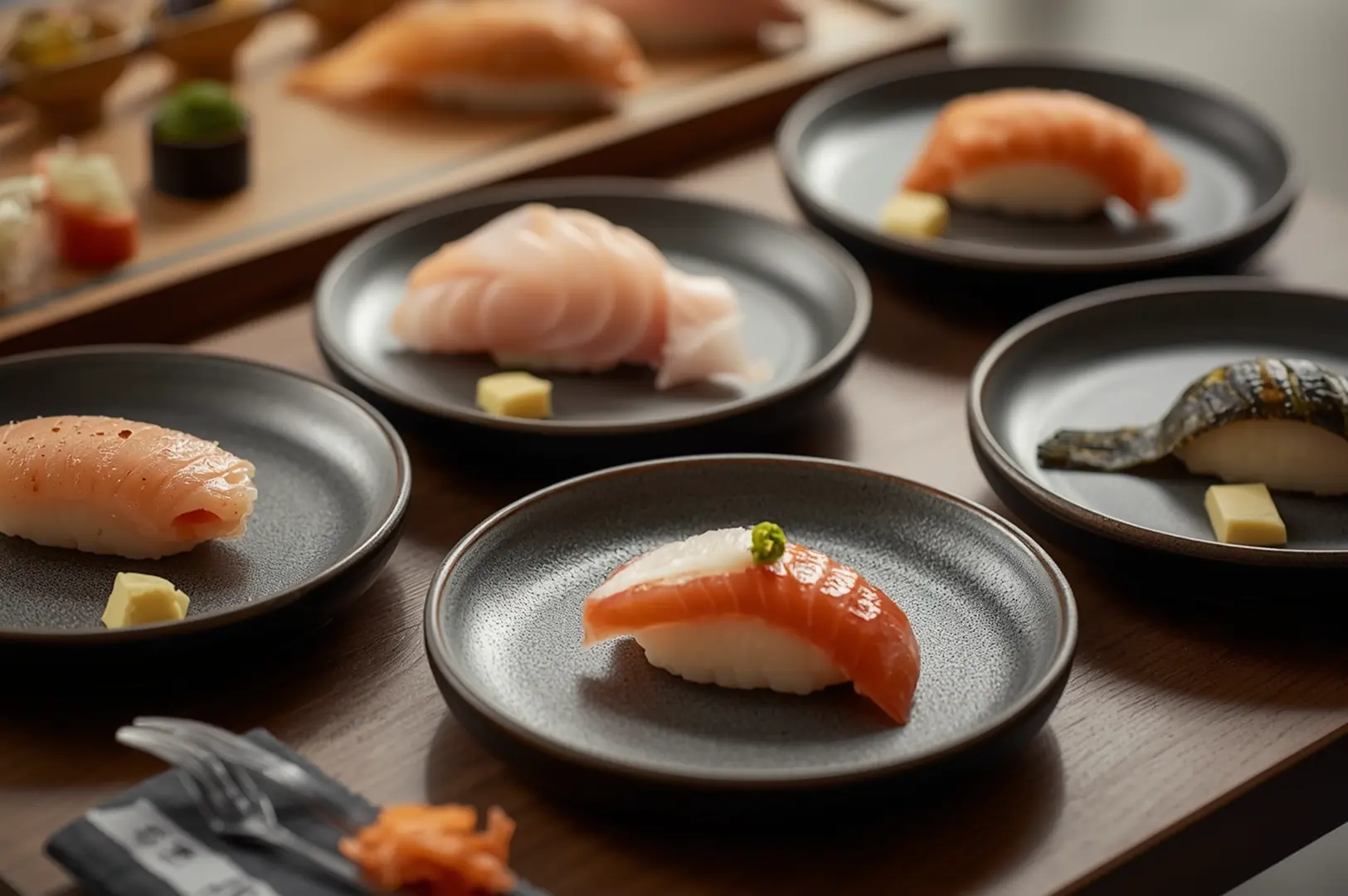
Navigating your first omakase in Singapore can feel intimidating, but a few key principles can help you feel at ease and show respect for the tradition.
Punctuality is Paramount
An omakase meal is a precisely timed event, especially at exclusive sushi counters. The chef prepares ingredients based on the number of diners and the flow of the dinner service. Arriving late can disrupt the service not only for you but for everyone else at the counter. Always aim to arrive a few minutes early to enjoy the full omakase experience.
Mind Your Fragrance
A significant part of the sushi omakase experience is the subtle aroma of the fish, sea urchin, and vinegared rice. Strong perfumes, colognes, or scented lotions can interfere with these delicate scents, affecting the tasting experience for you and your fellow diners. It is best to go fragrance-free to fully enjoy the freshness of each dish.
The Counter is Sacred
The wooden counter is the chef’s stage and your dining table. Treat it with care. Place your personal belongings like phones and bags away from the counter. A small space is for your plate and glass, but the main area should be kept clear for the chef to serve you directly, allowing you to observe the chef’s innovative work up close.
How to Eat the Sushi
The chef has crafted each piece to be the perfect bite. Here is how to honor that:
- Eat Promptly: Sushi is served at its optimal temperature and texture. Consume each piece as soon as the chef presents it, proceeding through the courses in the order designed to highlight flavors.
- Use Your Hands: For nigiri sushi, it is perfectly acceptable, and often encouraged, to use your hands. It allows for better control and keeps the delicately packed rice from falling apart.
- Soy Sauce Sparingly: The chef has likely already seasoned the sushi with a delicate brush of soy sauce or other condiments. If you do use soy sauce, lightly dip the fish side, not the rice. Submerging the rice will cause it to absorb too much soy and disintegrate.
- One Bite is Best: Each piece of nigiri is designed to be eaten in a single bite to deliver a complete, balanced flavor profile. If it is too large, two bites are acceptable, but avoid trying to split it.
- Pickled Ginger is a Palate Cleanser: The pickled ginger, or gari, is meant to be eaten between different types of fish and sashimi to cleanse your palate. It is not a topping for the sushi itself.
Interacting with the Chef
Feel free to ask questions about the ingredients, such as the source of the sea urchin or the concept behind a particular dish. This shows engagement and appreciation. However, be mindful of the chef’s focus. Avoid distracting them with overly personal questions or loud conversations while they are concentrating on preparing the courses.
Reservations and Timing
Omakase dining usually requires advance reservation due to the limited seating and the chef’s dedication to freshness. The restaurant is open for dinner from Tuesday to Saturday, with private bookings on Sunday, and closed on Monday. Reserve your spot early to enjoy this quiet, intimate dining experience that celebrates the best seasonal ingredients flown in from Japan, including specialties from Tokyo’s Toyosu Market.
By respecting these etiquette guidelines, you can fully enjoy the artistry and innovation that define the omakase experience, making your meal a memorable journey through Japan’s culinary tradition right here in Singapore.
Singapore’s Local Colors on Japanese Restaurants
The rise of omakase in Singapore is a fascinating study in cultural adoption. While traditional etiquette is still highly valued, the local context has added its own flavor. Singaporean diners are famously curious and knowledgeable, often engaging with chefs in detailed conversations about seasonality and sourcing. This has fostered a more interactive and educational atmosphere in many local omakase restaurants. Furthermore, the city’s multiculturalism has inspired some chefs to subtly incorporate non-traditional elements, creating a unique dialogue between Japanese classicism and Southeast Asian tastes that diners here embrace with enthusiasm.
Japanese Restaurants with Singapore’s Multicultural Identity
Singapore boasts a vibrant omakase scene, with several standout Japanese restaurants offering exceptional sushi omakase dining experiences. Here are three well-known omakase destinations that sushi lovers and food connoisseurs should not miss:
Sushi Yujo
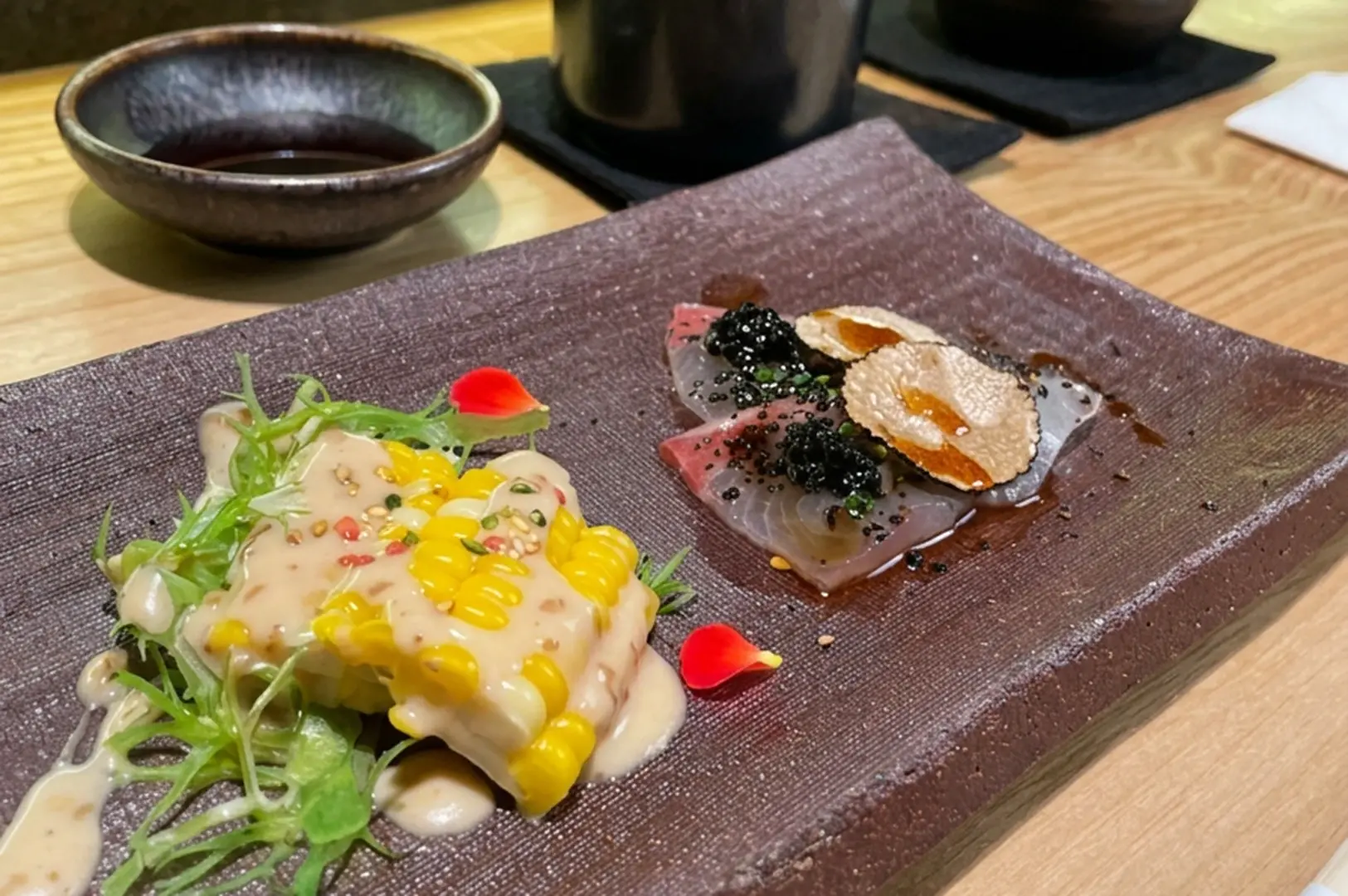
Sushi Yujo is another celebrated omakase restaurant in Singapore, known for blending traditional Japanese culinary techniques with contemporary flavors. The chef’s creativity shines through a carefully curated menu emphasizing premium sashimi, nigiri, and seasonal ingredients. The intimate setting encourages close interaction between diners and the chef, enhancing the overall dining experience. Sushi Yujo offers both lunch and dinner services, making it accessible for various occasions. People love and appreciate the innovative dishes and the personalized service that make each meal memorable.
Suzuki Sushi
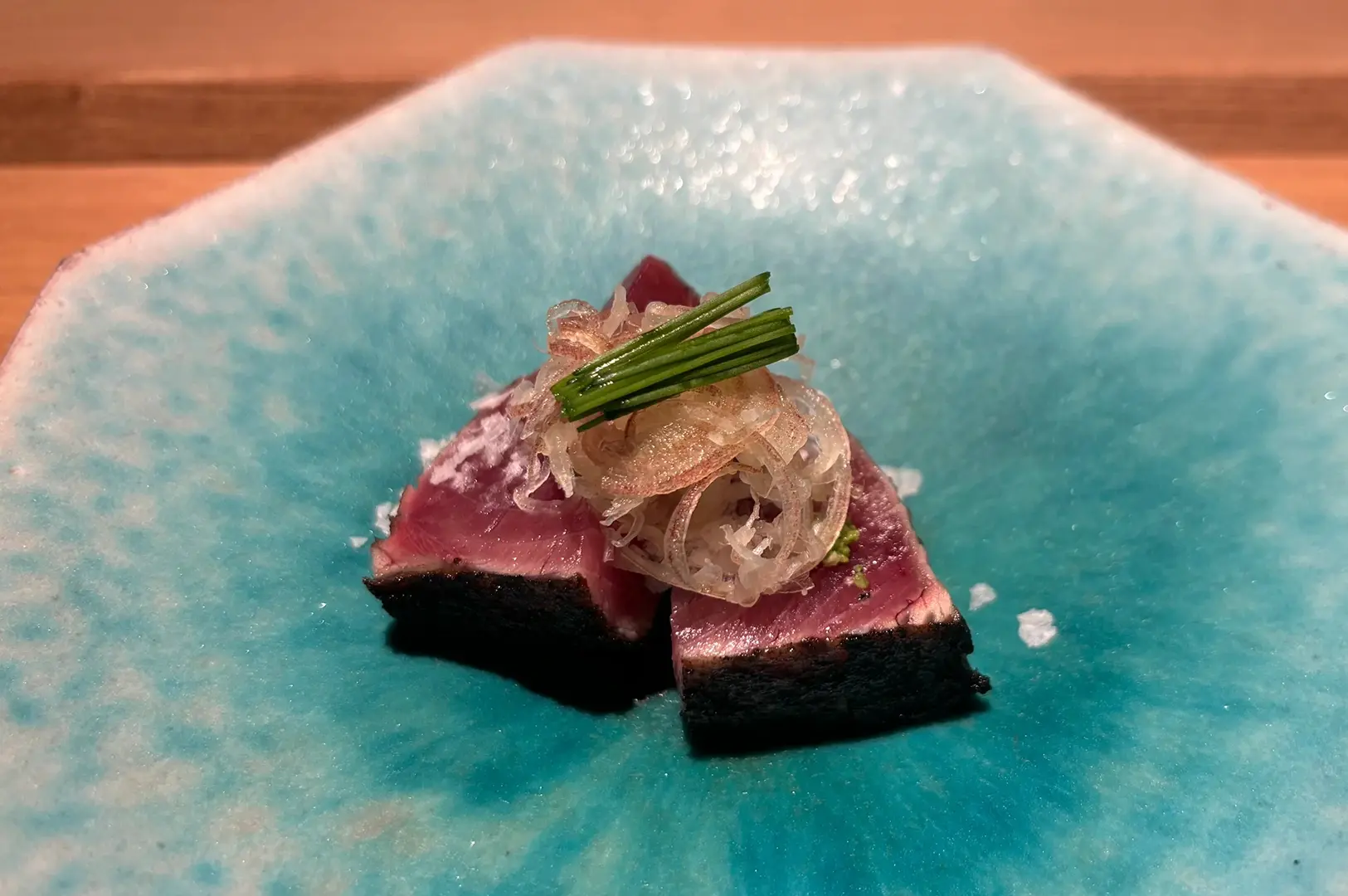
Suzuki Sushi offers a distinctive omakase experience inspired by authentic Japanese traditions. Situated in a beautifully designed space that evokes the ambiance of Japan, the restaurant features screens and bamboo decor that add to the immersive dining environment. Suzuki Sushi emphasizes the use of premium ingredients and meticulous preparation. Their omakase menus range in price, catering to different preferences while maintaining a commitment to quality. Diners can expect a multi-course meal that highlights the best seasonal seafood, including sea urchin, prepared with skill and artistry. Reservations are recommended, especially on weekends, to secure your place at this limited-seating restaurant.
These restaurants exemplify the best of Singapore’s omakase scene, where the lack of compromise on ingredient quality, chef expertise, and dining atmosphere combine to create unforgettable meals. Whether you are a seasoned sushi aficionado or new to omakase, these destinations offer a unique opportunity to enjoy a carefully orchestrated culinary journey that celebrates Japanese tradition and innovation.
Conclusion
Understanding omakase etiquette is not about memorizing a rigid list of rules. Instead, it is about cultivating an attitude of mindfulness and respect that enhances the entire dining experience. By embracing this approach, you elevate the meal from a simple act of eating to a rich cultural journey. This mindset allows you to connect more deeply with the chef’s artistry, the story behind each ingredient (like the prized sea urchin) and the centuries of tradition that inform every perfect bite.
When you select an omakase menu, especially at a restaurant with limited seating and exclusive offerings you’re not just choosing food; you’re trusting the chef to create an unforgettable experience. Keep in mind that these restaurants are often closed on Mon, so plan your visit accordingly. Also, consider the distance and location when making your reservation to ensure a smooth and enjoyable outing.
Many reviews highlight how this respectful and attentive approach to omakase enriches the meal, making it more than just dining; it becomes a memorable cultural exchange. Armed with this knowledge, you can approach your next omakase meal with confidence, ready to fully immerse yourself in one of the most profound and rewarding journeys in the culinary world.