
Sashimi, Wasabi, Ginger, and Soy Sauce
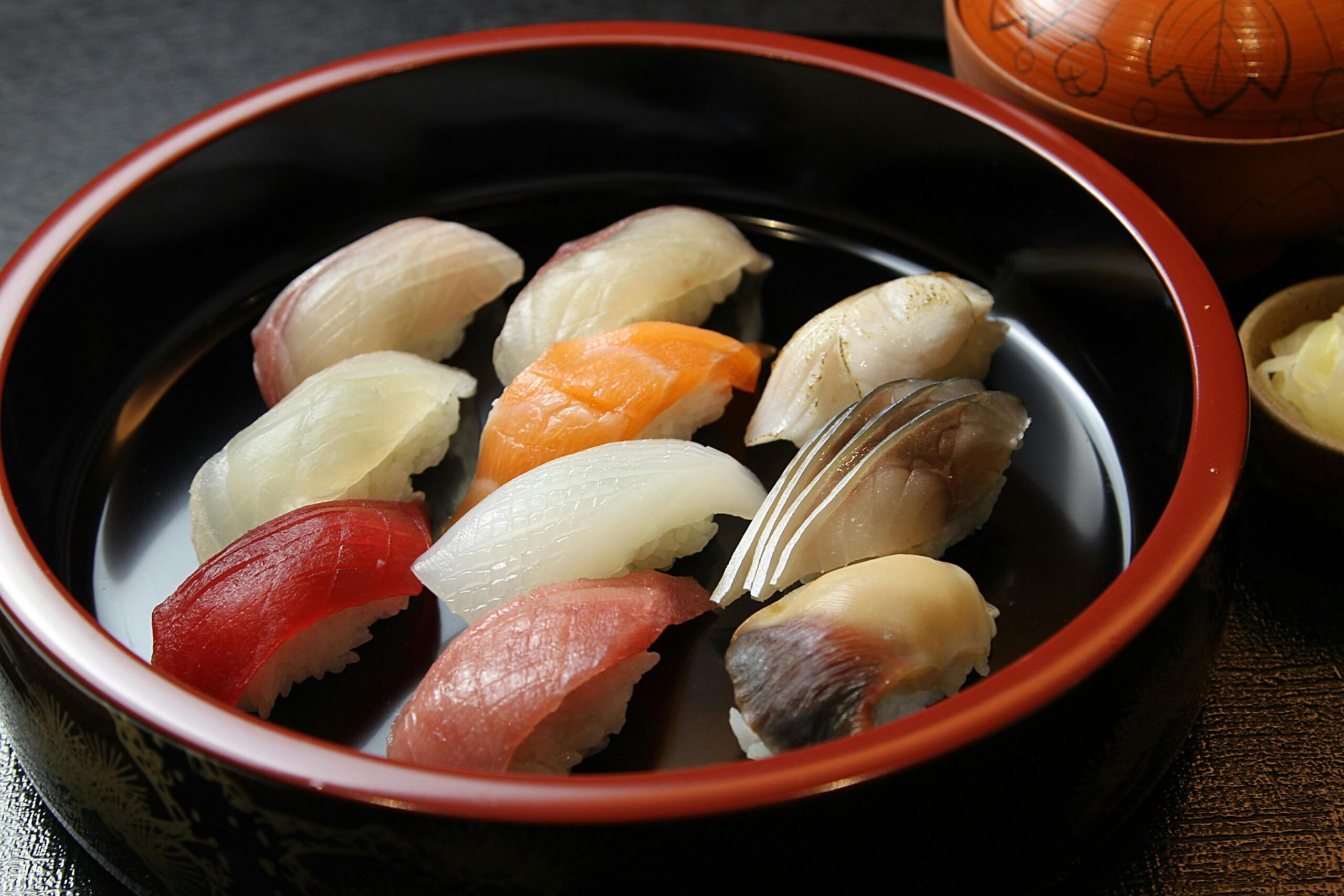
A plate of beautifully arranged sashimi represents Japanese cuisine in its purest form. Each glistening slice of raw fish showcases freshness, quality, and the chef’s skill. In Singapore, where Japanese food is loved, the experience is incomplete without wasabi’s fiery kick, pickled ginger’s crispness, and soy sauce’s savory depth. These are essential partners, culturally paired with sashimi for centuries to enhance the dining experience.
This guide from Singapore Sushi Stories explores enjoying sashimi with these traditional accompaniments, revealing the purpose of each, proper etiquette, and how this quartet creates a harmony of flavors both simple and profound.
Raw Fish, Fresh Fish… Sashimi?

Before we dive into the accompaniments, let’s clarify what sashimi is. The word itself translates to “pierced body,” which may refer to the traditional method of harvesting. Sashimi consists of expertly sliced, high-quality fish meat or raw seafood, served without sushi rice. Sashimi is a Japanese delicacy made from fish raw, sliced into thin pieces and served on its own. This is the key difference between sashimi and sushi; sushi always involves vinegared rice.
The focus of sashimi is solely on the ingredient itself. This means that the quality, freshness, and handling of the fish fillet are paramount. Chefs use a variety of popular fish and other seafood for this dish, each offering a unique texture and mild flavor profile. Some common types include:
- Maguro (Tuna): From lean akami to prized fatty toro, including bluefin tuna sashimi.
- Sake (Salmon): Known for its rich, buttery texture; Salmon Sashimi, both farmed salmon and wild salmon are commonly eaten.
- Hamachi (Yellowtail): A firm fish with a slightly sweet, rich flavor, best in early summer.
- Tai (Sea Bream): A white-fleshed fish with a clean, delicate taste.
- Hotate (Scallop): Sweet, soft, and almost creamy.
- Amaebi (Sweet Shrimp): Known for its delicate sweetness and soft texture. Amaebi is best consumed raw to preserve its sweetness and delicate flavor.
To be served as sashimi, the fish must be “sashimi-grade,” a term indicating it has been handled with extreme care, often flash-frozen or freezing fish under strict conditions to ensure it is parasite free and safe for raw consumption, reducing the risk of parasite infection and food poisoning. Some types of sashimi, such as chicken sashimi, may be lightly treated with boiling water to reduce the risk of foodborne illness.
Sashimi slices are typically thinly sliced or cut into thin strips to preserve the firm texture and highlight the fresh taste of the raw fish. The fish fillet is sliced on a cutting board with different thicknesses depending on the type of fish and desired texture, ranging from thick slices to thin slices or even thin strips such as ika somen (thinly sliced squid resembling noodles).
Besides fish meat, other raw food items like sweet shrimp, chicken sashimi, and even horse meat are also popularly served raw in specialized sushi restaurants or izakayas. These are traditionally eaten raw to highlight their freshness and texture. However, consuming raw beef or chicken sashimi carries higher risks and should only be enjoyed at reputable establishments following strict health standards.
Buying fish from trusted sources, such as the Sydney Fish Market or other reputable fishmongers, ensures the fish is extremely fresh and suitable for sashimi. Fishing methods and sustainable fishing practices impact the quality and availability of sashimi-grade fish. Proper handling, including keeping fish in ice water and using a small dish for soy sauce dipping, helps maintain the quality and safety of the sashimi piece.
In summary, sashimi is a celebrated dish of sliced raw fish or seafood, enjoyed for its fresh, clean flavors, firm texture, and the skillful preparation that emphasizes the natural qualities of the raw food.
The Role of Wasabi
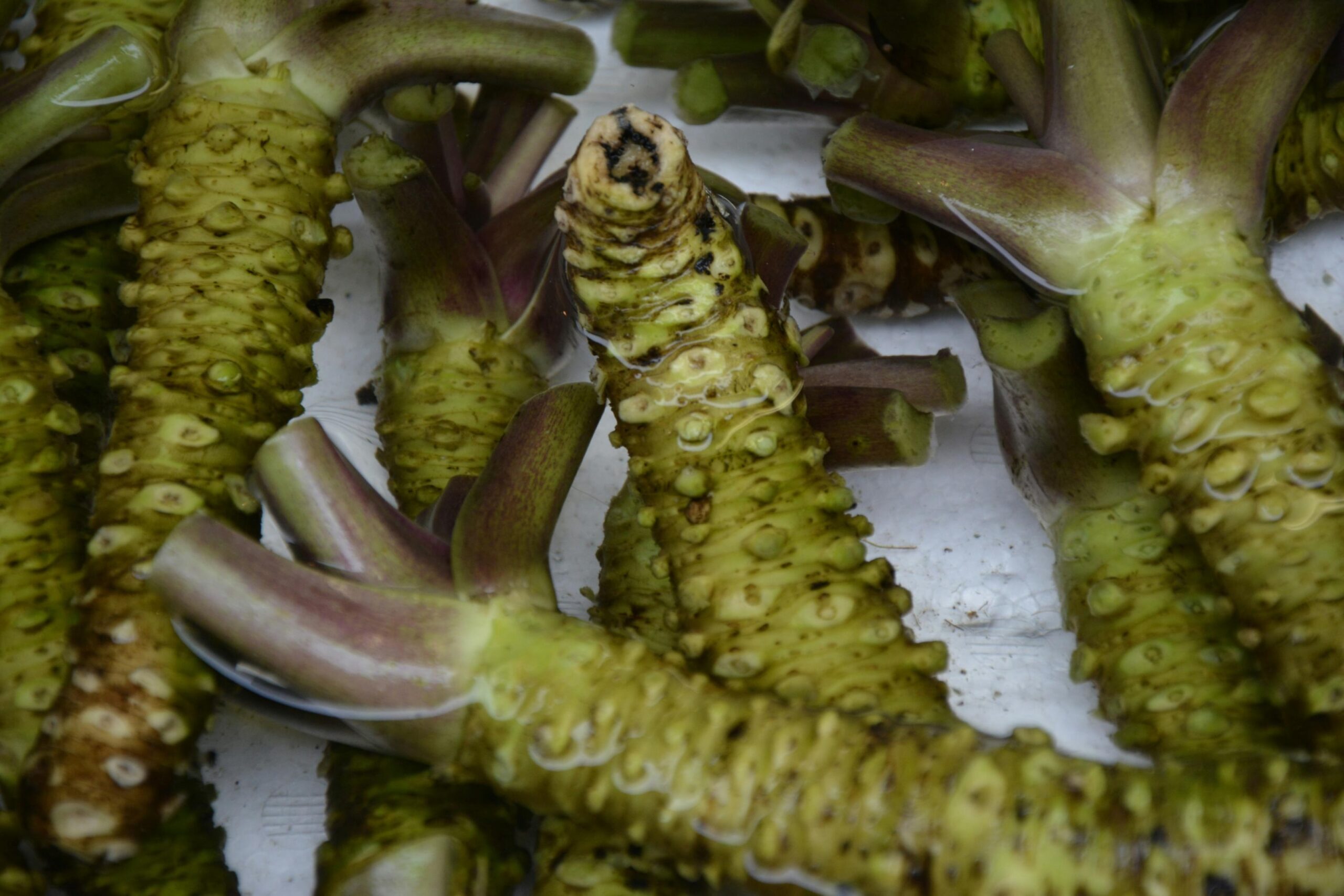
That small, green mound next to your sashimi is more than just a source of sinus-clearing heat. Authentic wasabi plays a vital role in the dining experience.
What is Wasabi?
Real wasabi, or hon-wasabi, is a plant that grows in the cool, clear stream beds of mountainous regions in Japan. The part that is used is the rhizome, or stem, which is grated to create a paste. Its flavor is complex, with an initial sharp heat that quickly dissipates, followed by a subtle, lingering sweetness. This is very different from the often overpowering and one-dimensional heat of imitation wasabi paste.
Most of the wasabi served in restaurants outside of Japan is actually a mixture of horseradish, mustard powder, and green food coloring. While it provides a similar kick, it lacks the nuanced flavor of the real thing. If you get the chance to try freshly grated wasabi, you will notice its more delicate, herbal notes.
How to Use Wasabi with Sashimi
The purpose of wasabi is twofold. Its natural compounds have antimicrobial properties, which historically made eating raw fish safer and helped reduce the risk of food poisoning. From a flavor perspective, its sharp heat cuts through the richness of fatty fish like salmon sashimi and enhances the clean taste of leaner varieties such as tuna sashimi.
The proper way to use wasabi when making sashimi is to place a tiny amount directly onto the slice of sashimi with your chopstick. Then, dip the fish into the soy sauce. This method allows you to control the amount of wasabi for each bite and ensures its flavor complements the fish rather than overwhelming the soy sauce. A common mistake to avoid is mixing wasabi into your soy sauce to create a slurry. In traditional Japanese etiquette, this is considered poor form.
Using freshly grated ginger alongside wasabi and soy sauce adds a refreshing contrast to the sashimi experience. Grated ginger is often enjoyed raw as a palate cleanser between different sashimi pieces, enhancing the appreciation of each fish’s unique flavor.
Together, wasabi, grated ginger, and soy sauce create a balanced harmony that highlights the delicate taste of the cut flesh served as sashimi. Whether enjoying popular fish like skipjack tuna or delicacies such as sea urchin and salmon roe, these accompaniments are essential to savoring the best sashimi experience.
Ginger (Gari) as a Palate Cleanser
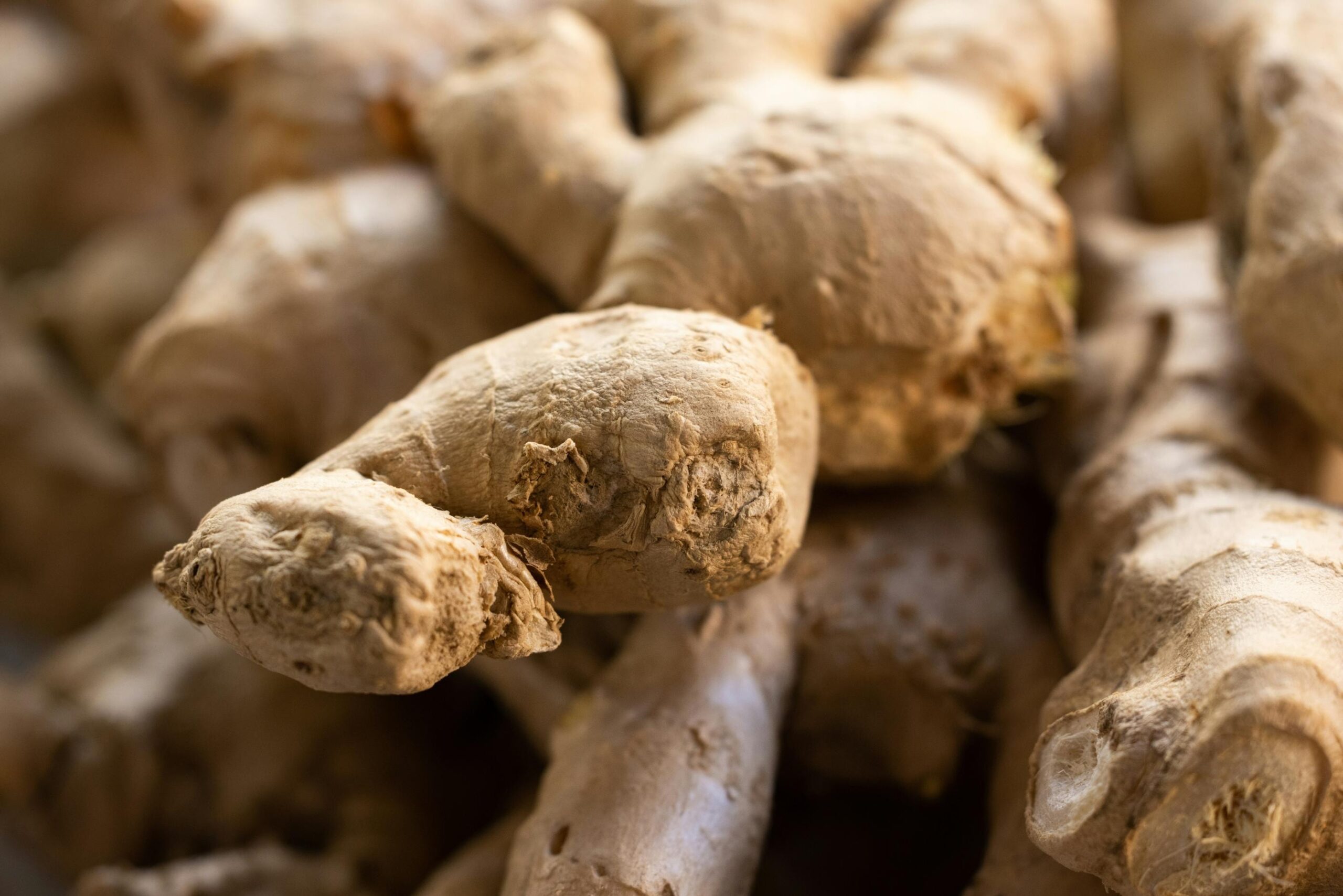
The thin, pale pink or beige slices of ginger on your plate are called gari, or pickled ginger. Its role is one of the most misunderstood aspects of the sushi and sashimi experience.
The Purpose of Gari
Gari is not meant to be eaten in the same bite as your sashimi. Its purpose is to act as a palate cleanser. You should eat a small piece of ginger between bites of different types of fish. Its sweet and tangy flavor, along with its crisp texture, effectively cleanses your taste buds and removes any lingering flavors from the previous piece. This allows you to fully appreciate the unique and subtle taste of the next slice of fish.
Proper Etiquette for Gari
Think of pickled ginger as a reset button for your mouth. After enjoying a piece of rich, fatty tuna, a single slice of gari prepares you for the delicate taste of a white-fleshed fish like sea bream. You can pick up a piece with your chopsticks and eat it on its own. Never pile ginger on top of your sashimi or soak it in soy sauce.
Beyond its culinary role, ginger is also known for its health benefits, including aiding digestion and having anti-inflammatory properties.
Soy Sauce: The Perfect Complement

Soy sauce, or shoyu, is the final piece of the puzzle. Its savory, umami-rich flavor is meant to enhance the taste of the fish, not overpower it.
Proper Soy Sauce Dipping Techniques
The key to proper soy sauce dipping is moderation.
- Pour only a small amount of soy sauce into your dipping dish. It is considered impolite to waste soy sauce, so start with a little and add more if needed.
- When dipping a piece of sashimi, use your chopsticks to dip just a corner or an edge of the fish into the sauce.
- Avoid submerging the entire piece. The goal is to add a touch of saltiness and umami that complements the fish, not to soak it.
This light-handed approach ensures that the natural, delicate flavor of the high-quality fish remains the star of the show.
Types of Soy Sauce
While there are many types of soy sauce, sashimi is typically served with a high-quality, naturally brewed koikuchi shoyu. Some premium restaurants may even have their own house-blended soy sauce, which might be slightly lighter or sweeter to match their specific seafood offerings.
The Art of Combining All Elements: To Eat Sashimi and Eat Raw
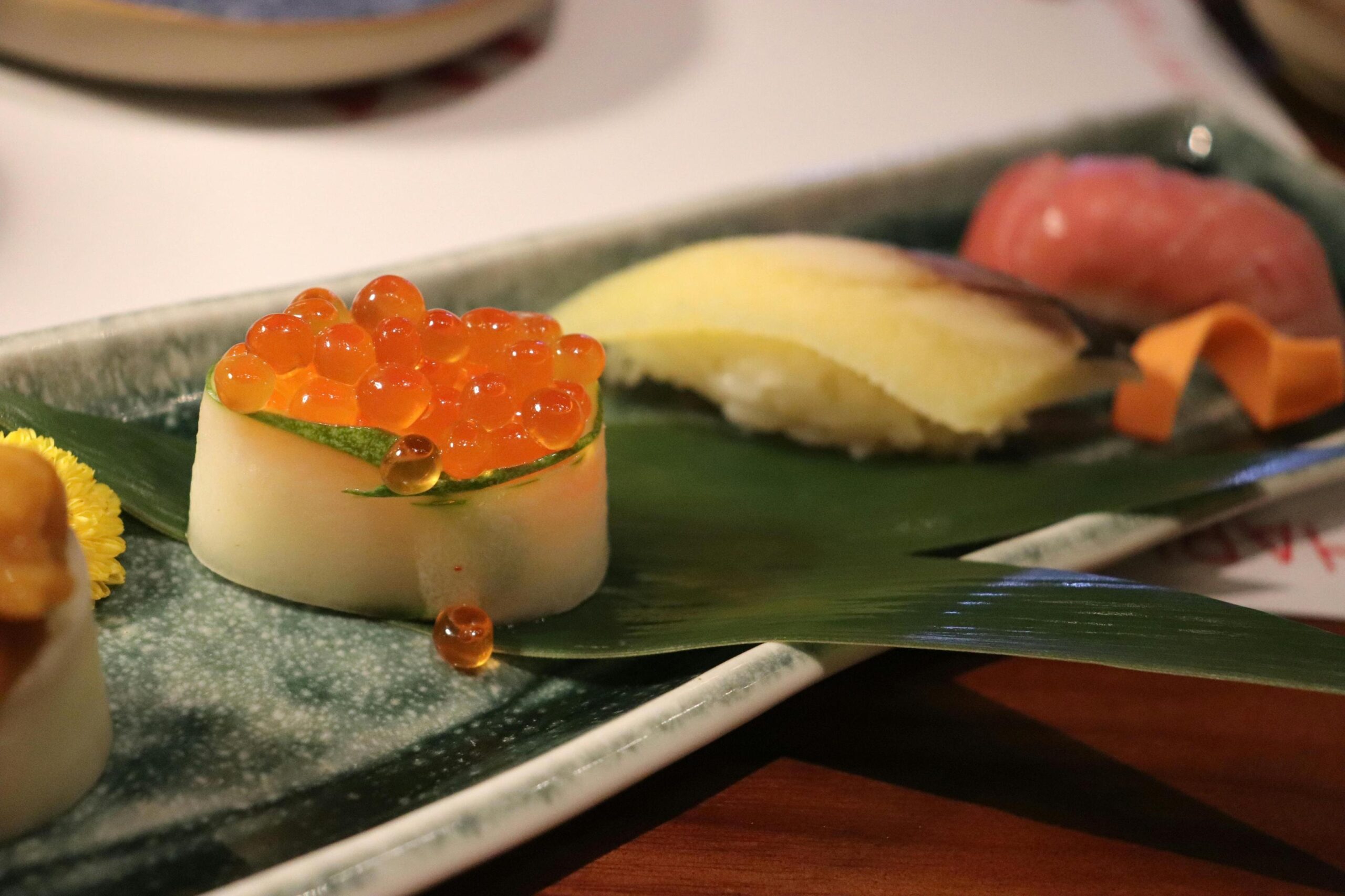
Proper sashimi dining is a graceful dance of flavors and textures, showcasing the best sashimi and its traditional accompaniments. By using each component as intended: wasabi, soy sauce, and pickled ginger, you can create the perfect bite and elevate your sashimi experience.
Here is a step-by-step guide to enjoying a piece of sashimi traditionally:
- Use your chopsticks to pick up a thin slice of fish or other raw seafood.
- With your other chopstick, place a very small dab of wasabi onto the sashimi piece.
- Dip a corner of the fish into your small dish of soy sauce, being careful not to soak it.
- Bring the entire piece to your mouth and savor the fresh fish’s mild flavor and firm texture.
- After you have finished, eat a small slice of pickled ginger (gari) to cleanse your palate before moving on to the next sashimi slice.
This mindful approach allows each ingredient to shine, highlighting the natural qualities of the fish meat without overpowering it. Whether enjoying popular cuts like tuna sashimi or salmon sashimi, or delicacies such as sea urchin (best uni) and salmon roe, this method respects the tradition of eating sashimi raw inside and appreciating the fat content and freshness of the fish fillet.
Remember, in reputable sushi restaurants or hidden gem izakayas, the freshest fish is always served with care to minimize the risk of food poisoning. Proper handling, including freezing fish to eliminate parasites, ensures a safe and delicious raw consumption experience.
By following these steps, you can fully enjoy the art of eating sashimi, embracing the harmony between the cut flesh, vinegared rice (when accompanying sushi), and the delicate balance of condiments that make this Japanese cuisine a timeless favorite.
Experiencing Authentic Sashimi in Singapore
Singapore’s vibrant dining scene offers many chances to enjoy exceptional sashimi. Sushi restaurants dedicated to freshness feature signature dishes with the finest seasonal seafood. The best spots source the freshest fish and seafood from Japan and worldwide several times a week. Whether craving tuna sashimi, salmon sashimi, or delicacies like sea urchin and salmon roe, you’ll find a great variety of sashimi-grade fish and raw food.
Dining at reputable restaurants means joining a tradition that honors the ingredient above all. Many serve sashimi with rice bowls or nigiri sushi, showcasing this celebrated Japanese cuisine’s versatility. Proper handling, including freezing fish to remove parasites, ensures top safety and reduces food poisoning risk, letting you enjoy the delicate flavors and firm texture of fish fillet served raw inside.