
Seasonal Fish in Sushi: How It Affects Japanese Buffet Restaurants in Singapore
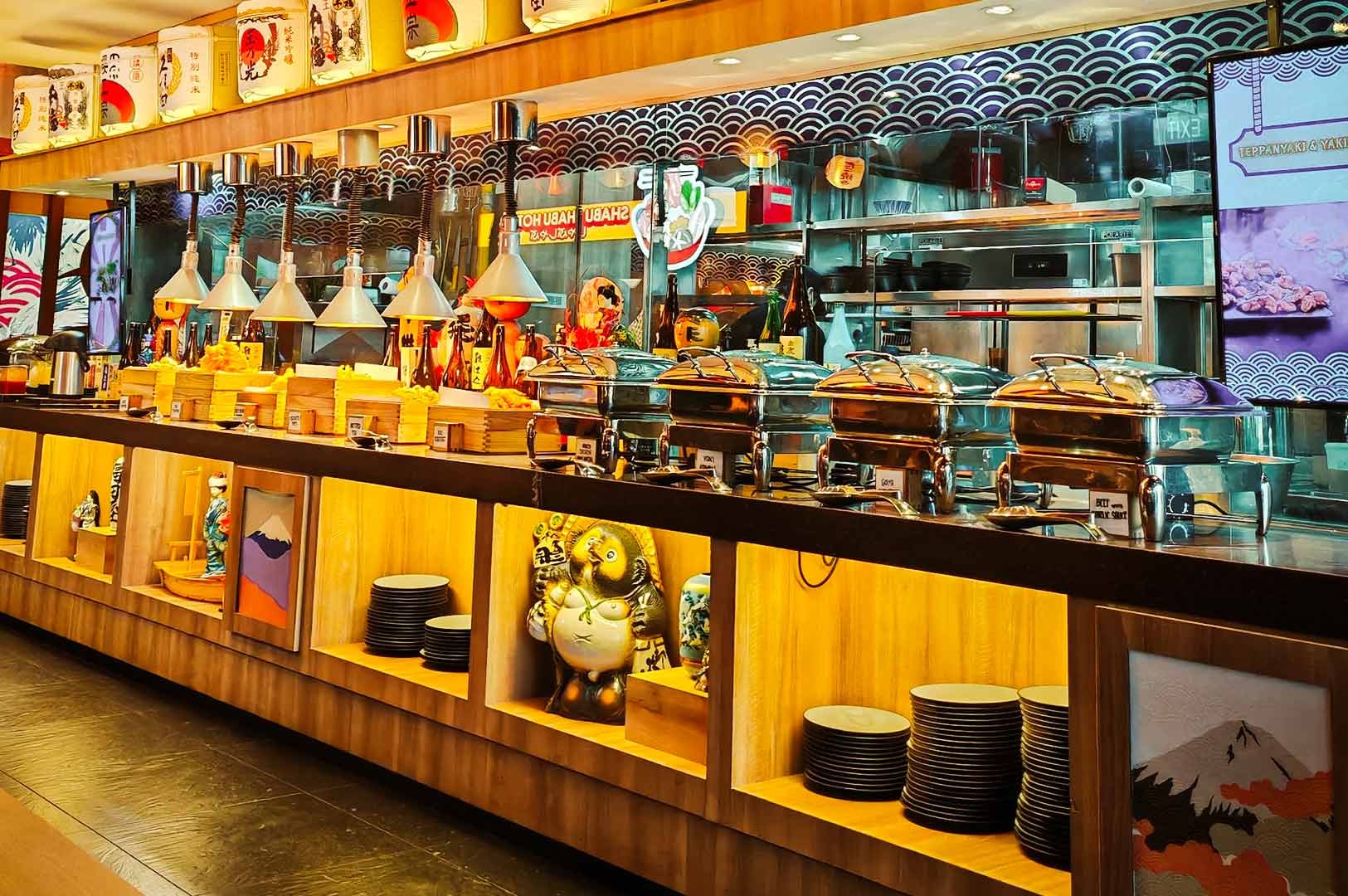
The allure of a sushi buffet is undeniable—an endless parade of colorful nigiri, maki, and fresh sashimi promises a feast for both the eyes and the palate. In Singapore, the love for these all-you-can-eat Japanese buffets runs deep. Many sushi buffets in Singapore are located within well-known hotels, and dining at a hotel Singapore can offer a premium and memorable buffet experience. Yet, have you ever wondered how these Japanese buffet restaurants manage to offer such variety and value? The secret often lies in a deep understanding of something central to Japanese cuisine: seasonality. The concept of seasonal fish doesn’t just belong to high-end omakase counters; it plays a crucial role in the world of sushi buffets, influencing everything from menu offerings to pricing.
This guide will explore the fascinating connection between seasonal fish and the sushi buffet experience in Singapore. We’ll uncover how following the seasons can lead you to higher quality bites and even help in your quest for a sushi buffet Singapore cheap without sacrificing taste. Understanding this link will empower you to navigate buffet options like a seasoned pro, whether you’re searching for the cheapest sushi buffet in Singapore or simply want to get the best value for your money at the best Japanese buffets.
Understanding Seasonal Fish in Japanese Dishes
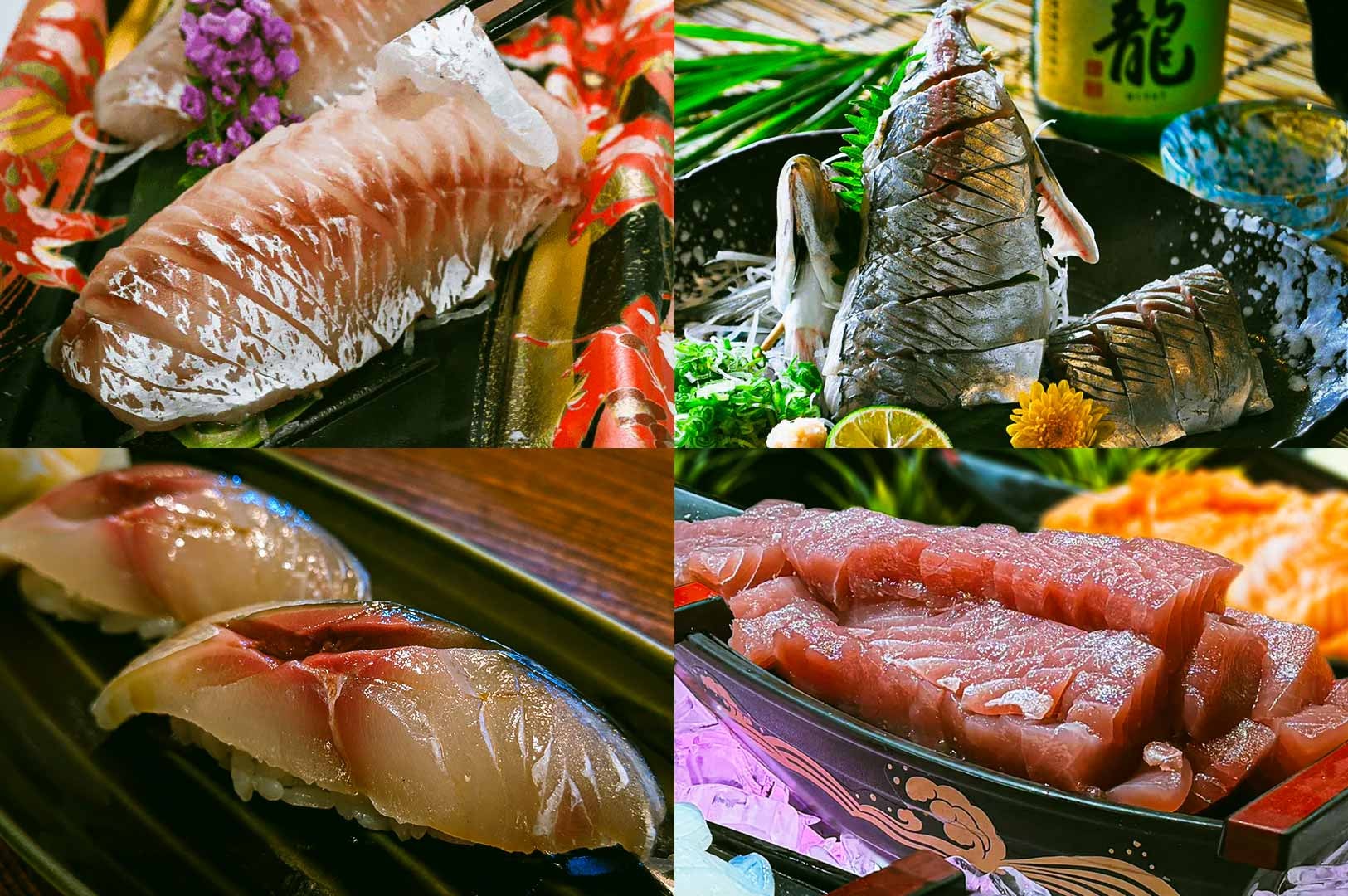
At the core of traditional Japanese cooking is the principle of shun (旬). This term refers to the peak season of any ingredient, that magical time of year when it is at its most flavorful, abundant, and nutritious. For seafood, shun is everything. A fish eaten during its peak season is a fundamentally different experience. Its flavor is more complex, its texture is superior, and it is at its freshest.
Different fish have their peak seasons at different times of the year, influenced by their spawning cycles, migration patterns, and feeding habits. Let’s look at a few examples of seasonal fish commonly featured in Japanese buffet restaurants in Singapore, including popular sushi buffets like Hokkaido Sushi Restaurant, Kiseki Japanese Buffet Restaurant, Kintan Buffet, and Yuu Japanese Restaurant:
- Spring (March-May): As the waters warm, fish with clean, delicate flavors take center stage. Tai (Sea Bream) is a classic spring fish, celebrated for its subtle sweetness and firm, white flesh. This seasonal delicacy often appears in the fresh sushi and sashimi selections of lunch buffet and dinner buffet menus, with many Japanese buffet restaurants offering special deals or unique menu items during weekday lunch and weekday dinners.
- Summer (June-August): Summer brings more robust, muscular fish. Aji (Horse Mackerel) is a prime example, offering a savory, rich flavor that pairs beautifully with grated ginger and scallions. These traditional Japanese dishes are staples in many Japanese buffet restaurants, including Shin Minori Japanese Restaurant and Ikoi Japanese Restaurant.
- Autumn (September-November): Many consider this the best season for sushi. As fish prepare for winter, they accumulate fat, resulting in richer flavors. Sanma (Pacific Saury) is an autumn icon, known for its intense, oily taste. Premium wagyu buffet and Japanese wagyu cross buffet venues often complement these seasonal fish with grilled dishes, deep fried dishes, and hot dishes to create a memorable dining experience.
- Winter (December-February): The cold waters produce fish with an even higher fat content, leading to a buttery, melt-in-your-mouth texture. This is the best time for Maguro (Tuna), especially its prized fatty belly cuts, toro. Sushi lovers flock to places like Kushi Japanese Dining and En Dining to enjoy these premium dishes alongside fresh seafood, noodle dishes, and quality meats such as wagyu beef and iberico pork collar.
Eating a fish in its shun means you are tasting it as nature intended. The nutritional content is higher, and the natural oils that contribute so much to the flavor are at their peak. This focus on fresh ingredients and seasonal fish is what allows Japanese buffet restaurants in Singapore, including popular spots like Rocku Yakiniku and Shabu Sai, to offer an extensive menu of Japanese delicacies that balance quality and affordability, making it possible to find a sushi buffet Singapore cheap without compromising on taste or variety.
How Seasonality Affects Sushi Quality and Pricing for Japanese Dining
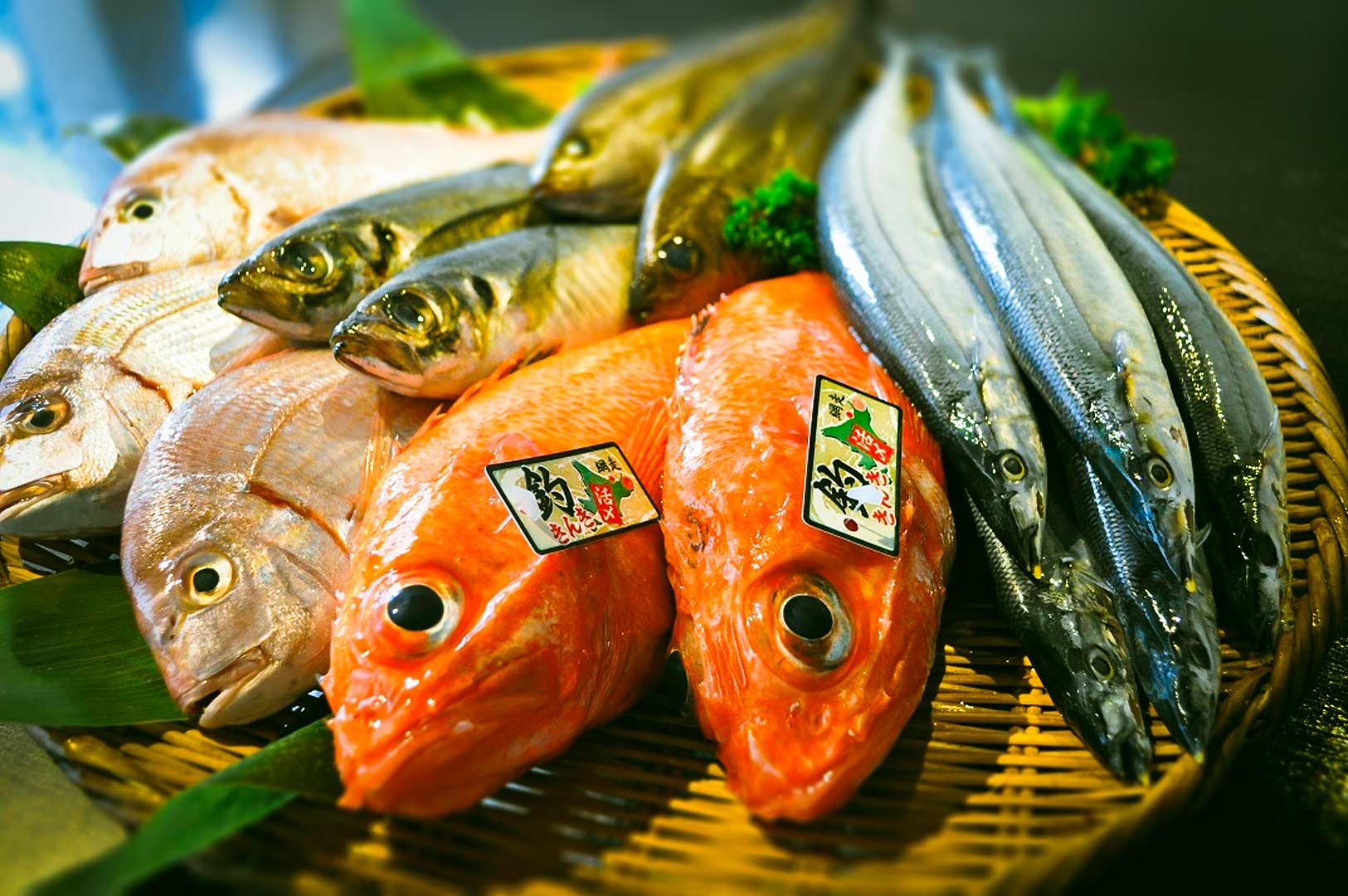
The concept of shun has a direct and significant impact on both the quality and cost of fish. When a fish is in season, it is more abundant in the ocean. This increased supply naturally leads to lower prices in the market. Fishermen have a higher yield, and suppliers can purchase larger quantities at a better rate. For sushi buffet restaurants, including popular Japanese buffet restaurants in Singapore, this means they can procure top-quality ingredients for less, allowing them to offer an affordable sushi buffet Singapore cheap without compromising on freshness or taste.
This relationship between season and price is a win-win for both the restaurant and the diner. The restaurant benefits by maintaining a competitive price point for their lunch and dinner buffet offerings, including premium buffet and deluxe buffet options, while diners enjoy superior quality Japanese fare at reasonable prices. This principle is fundamental to how many Japanese buffet restaurants, such as Hokkaido Sushi Restaurant, Kiseki Japanese Buffet Restaurant, and Irodori Restaurant, can provide extensive menus featuring free flow sashimi and fresh sushi.
Furthermore, seasonality is closely linked to sustainability. Focusing on fish during their peak season often means they are caught when their populations are at their strongest, outside of critical spawning periods. This allows fish stocks to replenish naturally. Choosing seasonal fish is not just a culinary choice; it’s an environmentally conscious one that aligns with the values of many family friendly atmosphere Japanese dining establishments.
Buffets like those at Hotel Miramar, Sheraton Singapore, and Alexandra Central Mall leverage this knowledge to balance quality and cost effectively. They often combine seasonal fish with fresh vegetables, side dishes, and grilled items, appealing to hotpot lovers and sushi lovers alike. Additionally, attentive service at these venues ensures a memorable dining experience, whether you opt for a regular buffet, a la carte buffet, or a premium wagyu buffet featuring wagyu steak, angus beef, beef chuck roll, kimchi pork jowl, smoked duck, or beef tongue.
In summary, understanding shun helps Japanese buffet restaurants, including well-known spots like Kumo Japanese Dining, Shin Yuu, and Shin Minori Japanese Restaurant at UE Square and Marina Square, to deliver an extensive array of Japanese delicacies while keeping prices affordable. This insight empowers diners to find the best sushi buffet Singapore cheap without sacrificing quality or variety.
Impact on Sushi in the Best Japanese Buffets in Singapore
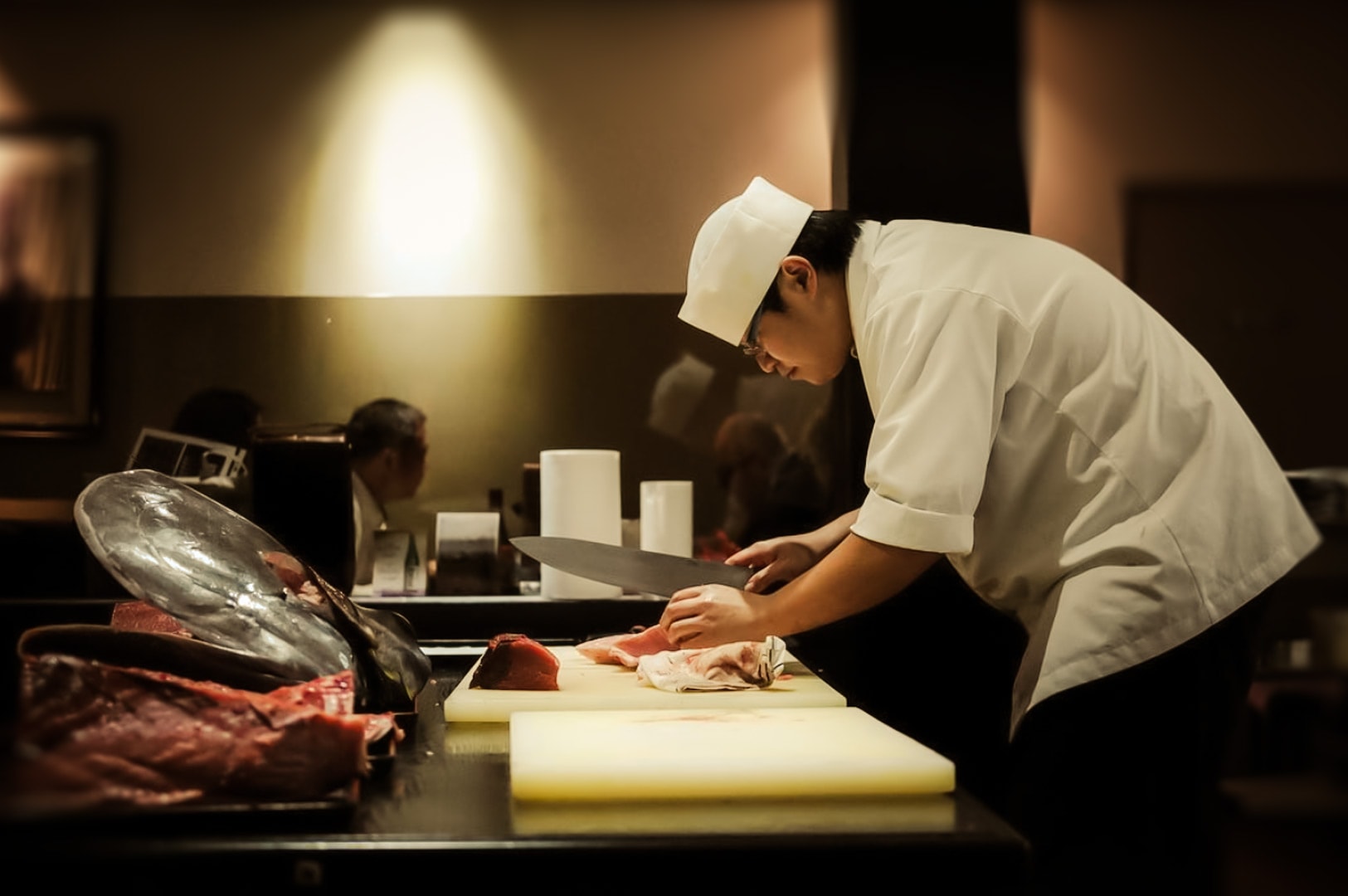
Now, how does all this apply to the sushi buffets we know and love in Singapore? A buffet’s success hinges on a delicate balancing act between three factors: variety, quality, and affordability. Seasonality is a key tool that chefs and managers use to master this balance, especially when offering a sushi buffet Singapore cheap.
The challenge for any Japanese buffet restaurant is maintaining consistent pricing while navigating the fluctuating costs of ingredients. This is where a deep knowledge of the seafood market comes into play. Buffet managers plan their menus around fish that are entering their peak season and will therefore be more affordable. This allows them to feature high-quality, delicious fish without raising the price of the lunch buffet or dinner buffet.
To maintain variety and keep costs low year-round, buffets employ several strategies:
- Leveraging Farmed Fish: Many popular buffet staples, like salmon and yellowtail, are farmed. This ensures a consistent supply and stable price, regardless of the season.
- Using Advanced Freezing Technology: Modern flash-freezing techniques can preserve the quality and texture of fish remarkably well. This allows buffets to purchase fish when it is in season and at its cheapest, then store it for use throughout the year.
- Featuring Local and Regional Alternatives: Some buffets supplement their Japanese imports with high-quality fish from regional waters, which can be more affordable and have different seasonal cycles.
- Offering Buffet Options Like Shabu Shabu and Sukiya: Many Japanese buffet restaurants in Singapore incorporate hotpot styles such as shabu shabu or suki ya to diversify their menu, appealing to hotpot lovers and enhancing the dining experience.
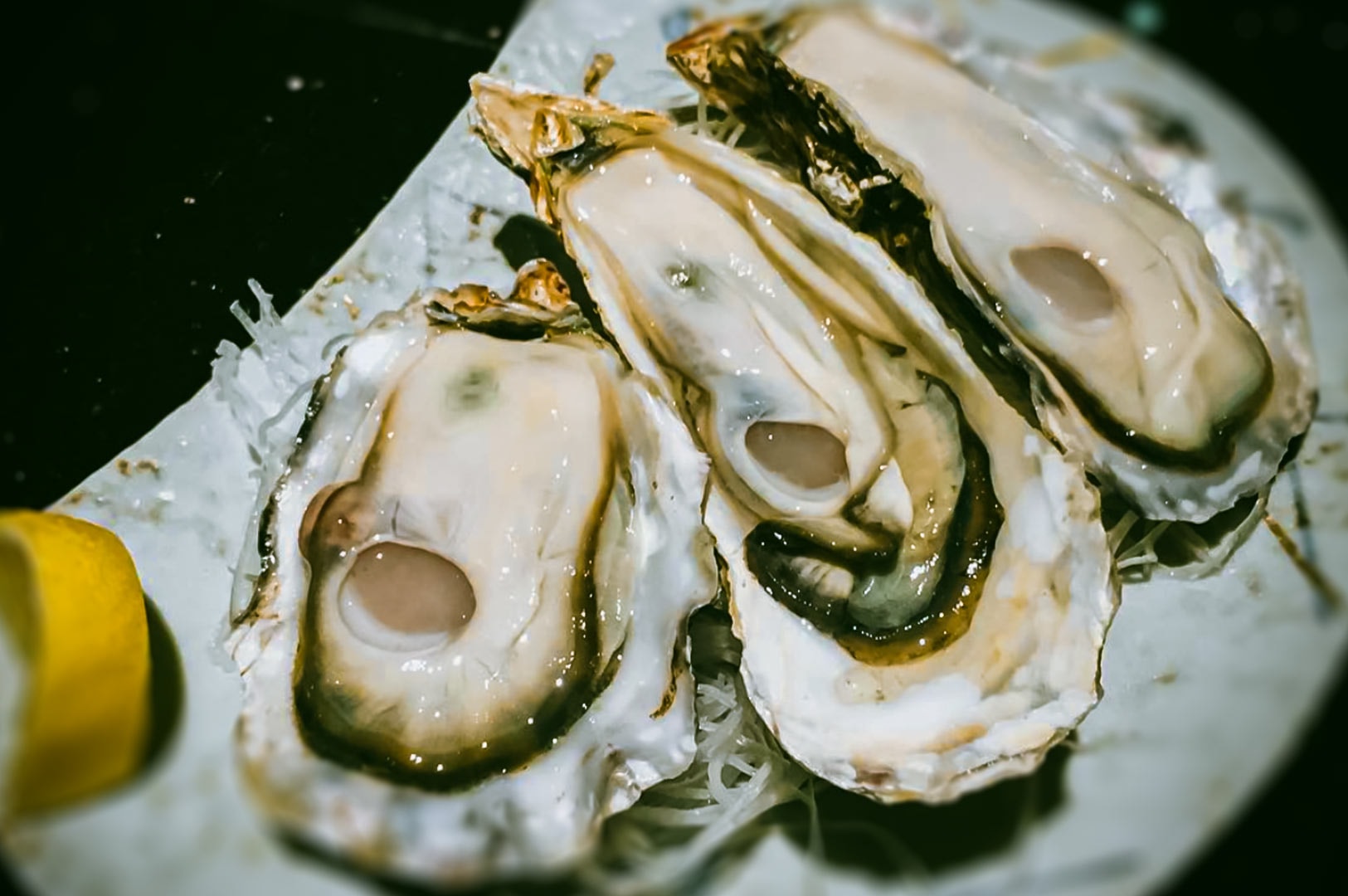
While some might think the cheapest sushi buffet in Singapore would skimp on quality, the smart ones use seasonality to their advantage. They might feature a “seasonal special” corner on the buffet line or highlight a particular fish of the month. This not only adds excitement and variety for diners but is also a savvy business move. It helps maintain the quality of fresh sashimi and free flow oysters, which are popular items at top Japanese buffet restaurants such as Hokkaido Sushi Restaurant, Kiseki Japanese Buffet Restaurant, and Shin Minori Japanese Restaurant.
Buffets located in prime spots like Orchard Central, Sheraton Singapore, Hotel Miramar, and Alexandra Central Mall leverage these strategies to offer extensive menus with grilled dishes, deep fried dishes, noodle dishes, and premium wagyu buffet options, including Australian wagyu buffet and Japanese wagyu cross buffet selections. This ensures a memorable dining experience with attentive service, satisfying sushi lovers and fans of Japanese cuisine alike.
By understanding and utilizing seasonality, these Japanese buffet restaurants can provide unlimited servings of high-quality Japanese delicacies while keeping prices affordable, making it possible to find a sushi buffet Singapore cheap without compromising on taste or variety.
Conclusion
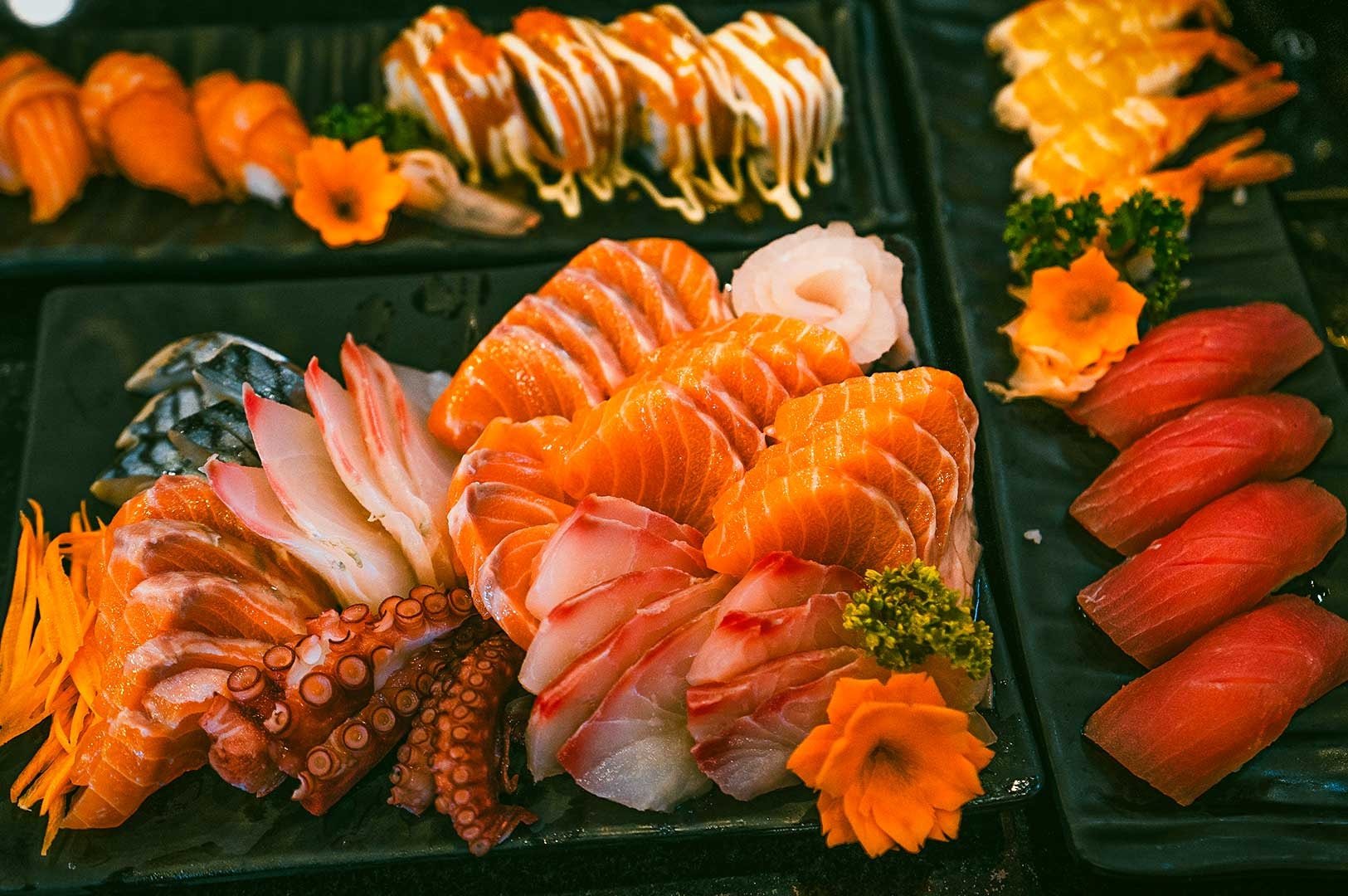
The principles of seasonality are not just for fine dining. They are deeply embedded in the entire ecosystem of Japanese cuisine, right down to the most accessible sushi buffet. Understanding shun gives you a new lens through which to view and appreciate your meal. It connects you to the rhythms of nature and the thoughtful craftsmanship that goes into preparing each piece of sushi.
The next time you set out to find a great sushi buffet Singapore cheap, remember that affordability and quality are not mutually exclusive. The smartest buffets use seasonal availability to offer incredible value. Armed with your newfound knowledge, you can explore these all-you-can-eat feasts with confidence, seeking out the transient treasures that each season brings. Embrace the journey and let the flavors of shun guide you to your best buffet experience yet or check Singapore Sushi Stories for more!