
Every Sushi Variety Explained: From Traditional to Contemporary
Step into any Japanese restaurant in Singapore, and you are greeted by a vibrant menu, a lexicon of culinary terms that tell a story of tradition, artistry, and evolution. From the simple elegance of a hand-pressed nigiri to the complex layers of a modern fusion roll, the world of sushi is far more diverse than many realize. Exploring each sushi variety is like taking a journey through Japanese history and its dynamic relationship with global food cultures.
In Singapore, this journey is particularly rich, as the city’s culinary landscape provides a stage for both time-honored traditions and exciting new interpretations. This guide will navigate the full spectrum of sushi, from its classic forms to the contemporary creations that have captured the hearts of diners in Singapore and beyond.
Traditional Sushi Varieties
At the foundation of the sushi world are the classic preparations, each with its own history and distinct philosophy. Understanding these traditional Japanese sushi kinds is key to appreciating the craft as a whole.
Nigiri Sushi
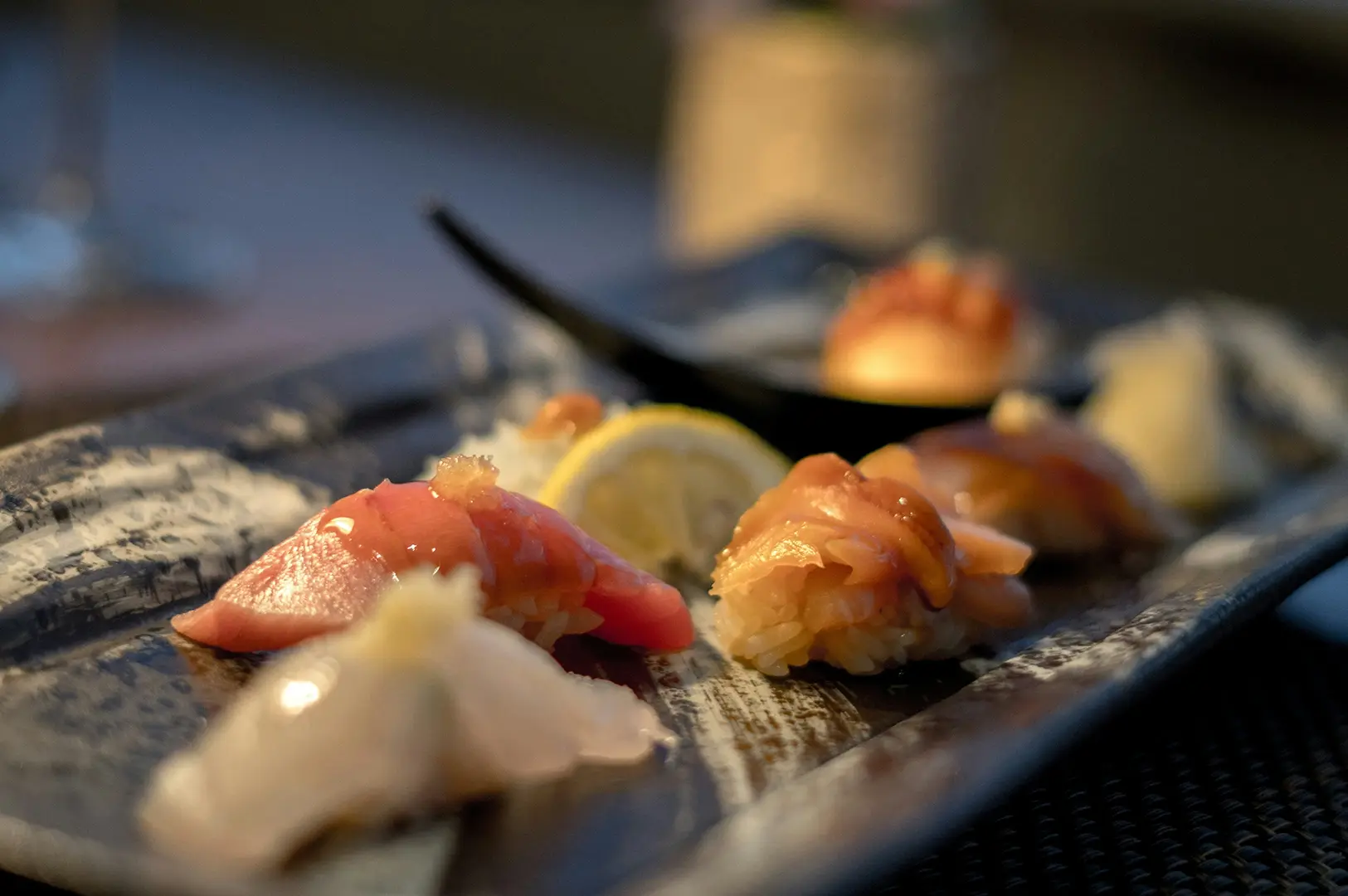
Often considered the purest form of sushi, classic nigiri sushi is a testament to the sushi chef’s skill. It consists of a small, hand-pressed mound of specially prepared vinegared sushi rice (shari) topped with a single sushi ingredient, most commonly a slice of raw or lightly cured seafood such as raw tuna or fatty tuna. The artistry lies in the balance. The rice must be at the perfect temperature and consistency, seasoned with sushi vinegar, and the fish must be sliced with precision to enhance its texture and flavor. Each piece is often lightly brushed with soy sauce or topped with a dab of wasabi by the chef, intended to be eaten as a complete, bite-sized piece.
Maki Sushi
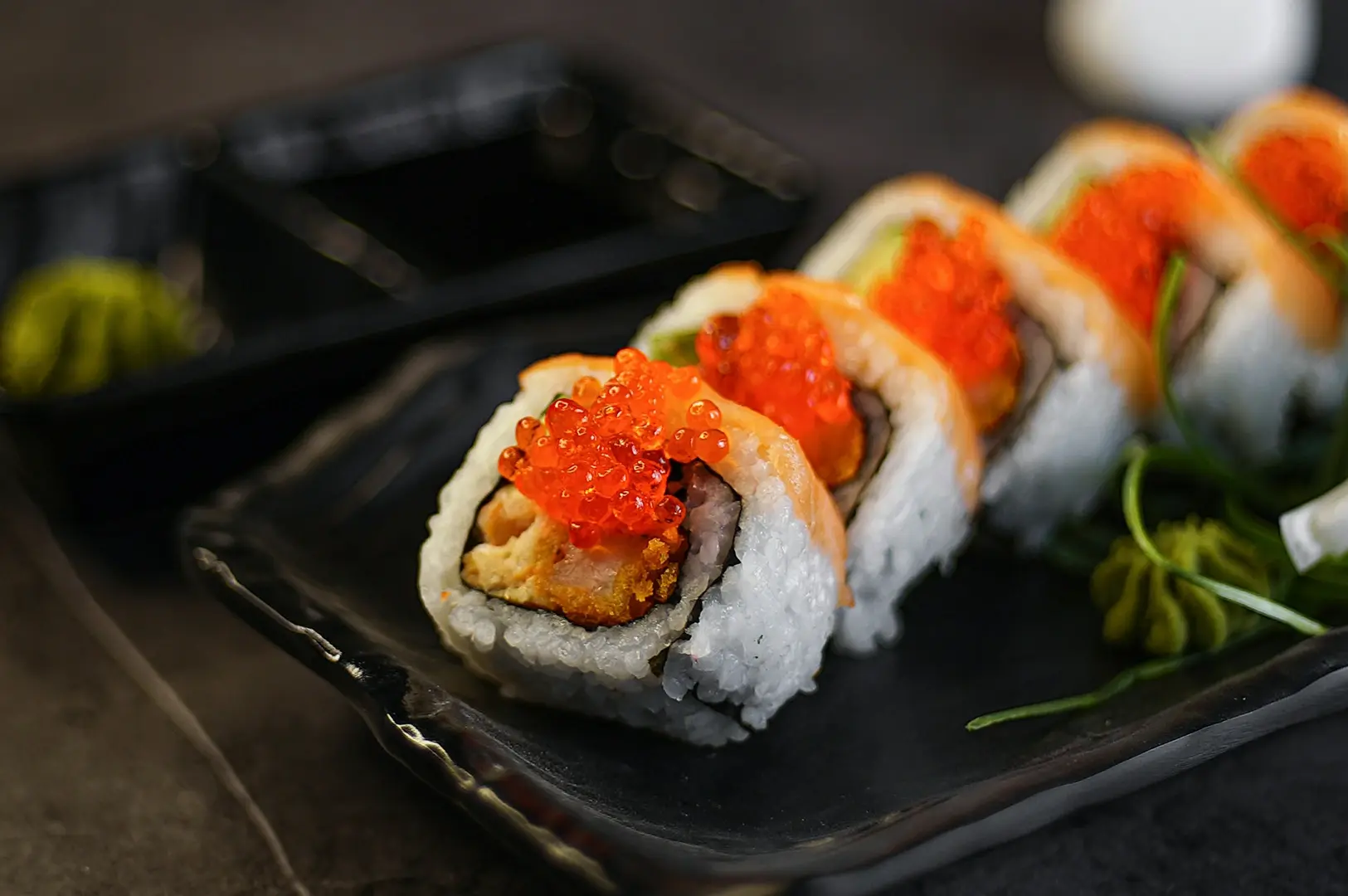
Maki sushi, or rolled sushi, is perhaps the most recognized sushi variety globally. It involves vinegared rice and different sushi ingredients layered on a sheet of nori (seaweed) and rolled into a cylinder using a bamboo mat. There are several sub-varieties:
- Hosomaki: Thin rolls with the nori on the outside, typically containing just one ingredient like cucumber roll (kappa maki) or tekka maki (raw tuna roll).
- Futomaki: Thick rolls or fat rolls with nori on the outside, featuring a combination of several ingredients such as shiitake mushrooms, cooked seafood, and tamago (egg).
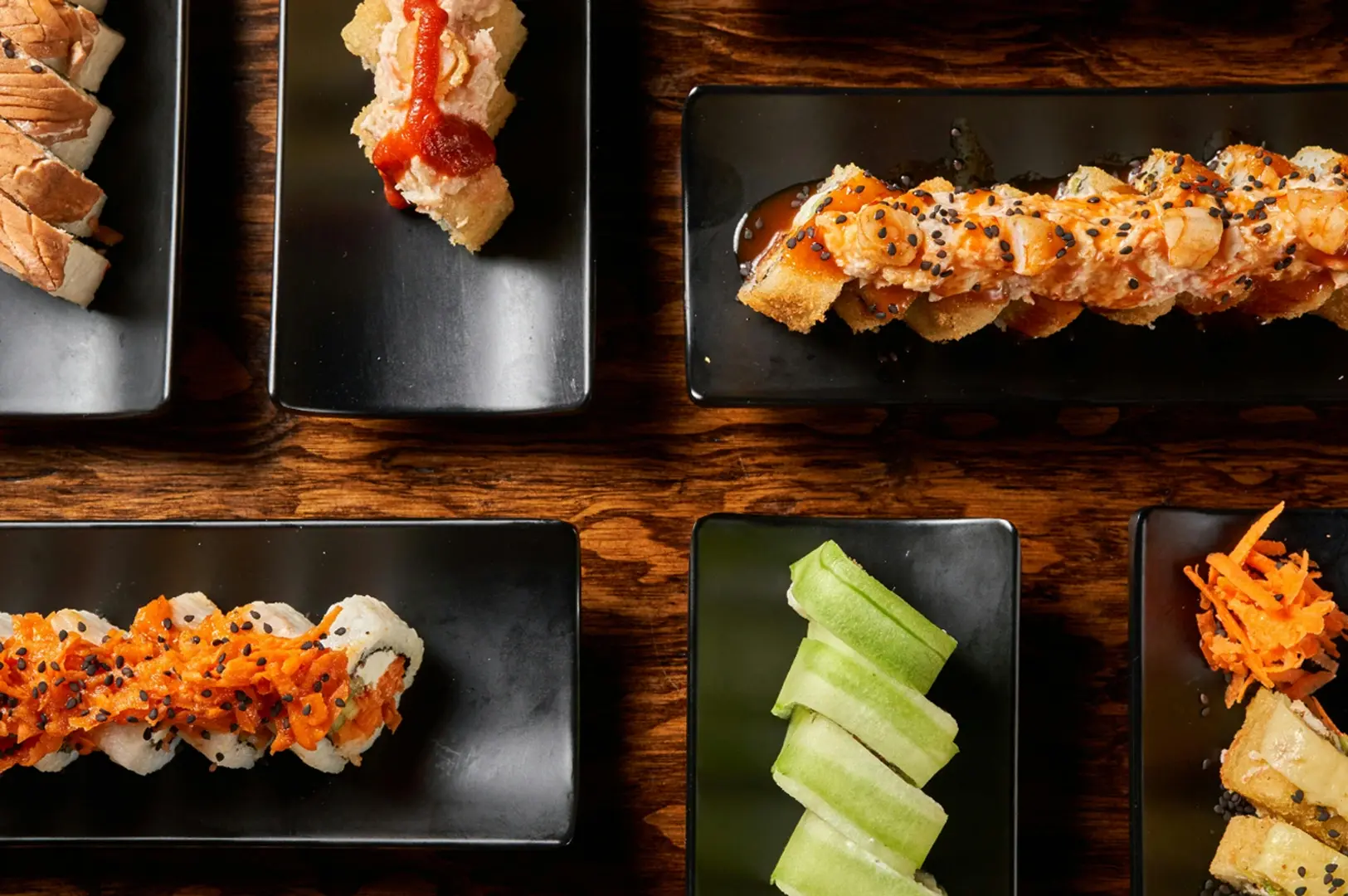
- Uramaki: An “inside-out” roll where the vinegared rice is on the outside and the nori is on the inside, often coated with flying fish roe or sesame seeds. This style was popularized in the West and is the basis for many modern fusion rolls like the California roll, spicy tuna roll, rainbow roll, and dragon roll.
Sashimi
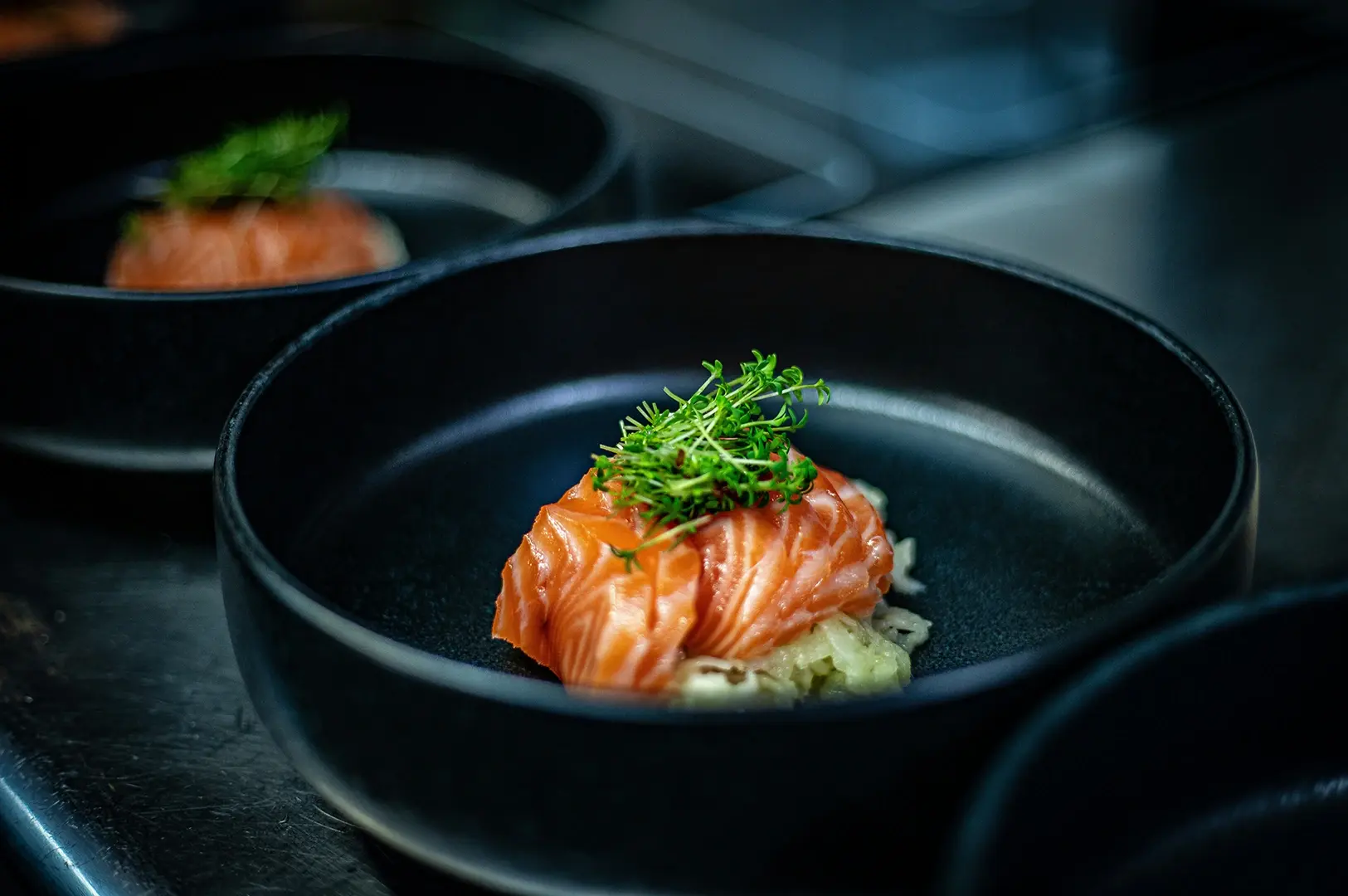
While technically not sushi because it does not include rice, sashimi is an integral part of any sushi meal. It consists of meticulously sliced, high-quality raw seafood or fresh fish served on its own. The entire focus is on the purity and freshness of the ingredient. The sushi chef’s knife skills are on full display here, as different seafood require different slicing techniques to achieve the optimal texture.
Chirashi Sushi
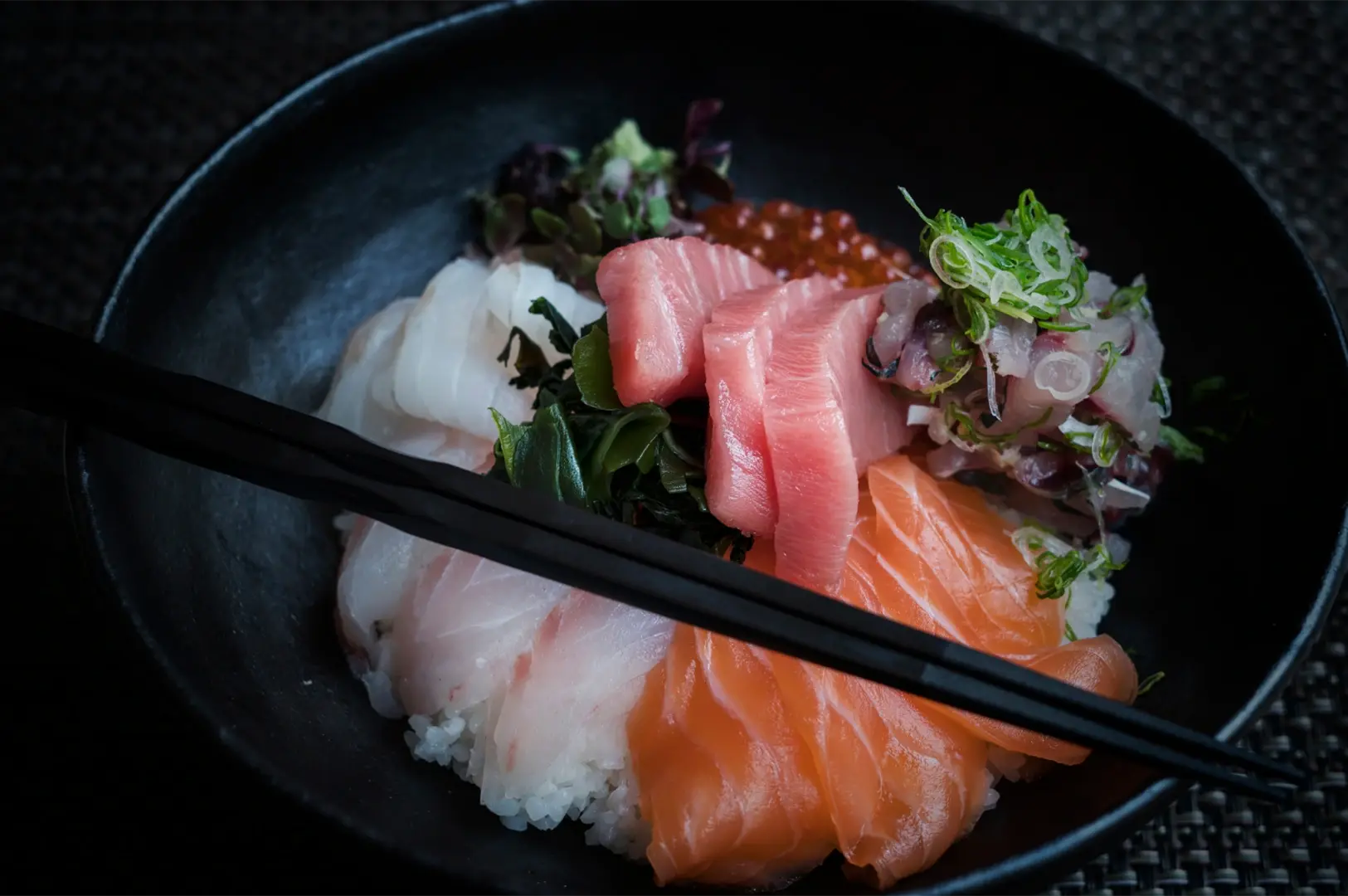
Chirashi sushi, or scattered sushi, is a vibrant sushi bowl featuring vinegared sushi rice topped with an assortment of fresh seafood such as salmon roe, sweet shrimp, sea urchin, and other sushi ingredients. This style offers a colorful and diverse way to enjoy sushi, combining raw or cooked seafood with vegetables and garnishes.
Inari Sushi
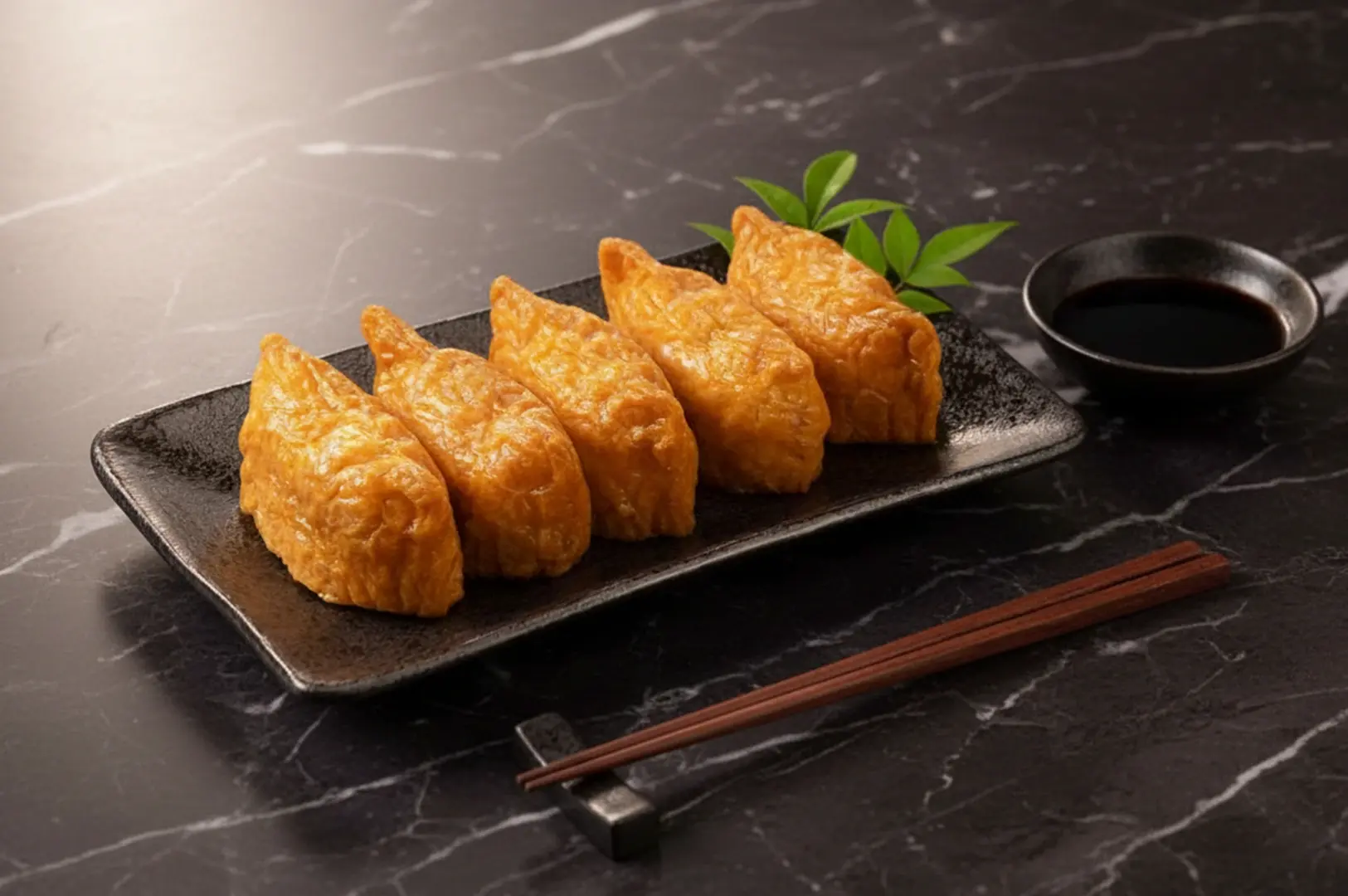
Inari sushi is a traditional Japanese dish where vinegared sushi rice is sushi wrapped inside a pouch of sweet fried tofu (aburaage). It is a popular vegetarian-friendly sushi variety often served as part of a sushi meal or in bento boxes.
Pressed Sushi (Oshizushi)
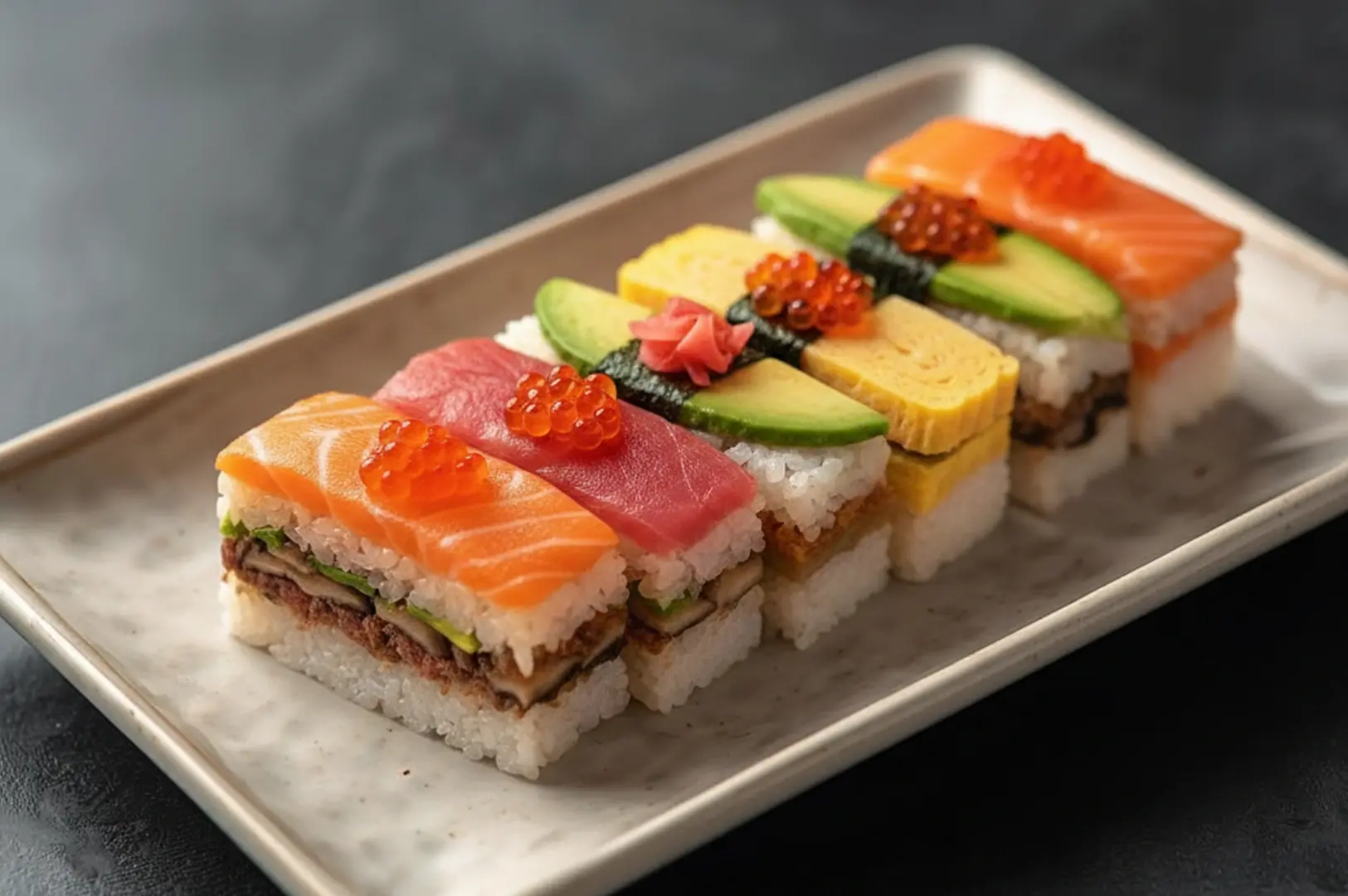
Pressed sushi, or box sushi, is made by layering vinegared sushi rice and toppings like grilled eel or cooked seafood in a wooden mold and pressing them into a compact block before slicing into bite-sized pieces. This traditional sushi variety highlights the art of preserving fish and sushi rice together in a unique presentation.
These different types of sushi showcase the rich diversity of sushi variety, from traditional Japanese sushi to modern fusion creations, each emphasizing the importance of vinegared rice, fresh ingredients, and the sushi chef’s craftsmanship.
Modern and Fusion Hand Roll Creations in Japanese Cuisine
Singapore’s multicultural environment has proven to be fertile ground for sushi innovation. Chefs here masterfully blend traditional Japanese techniques with local and international flavors, resulting in a unique and exciting sushi variety.
Aburi Sushi
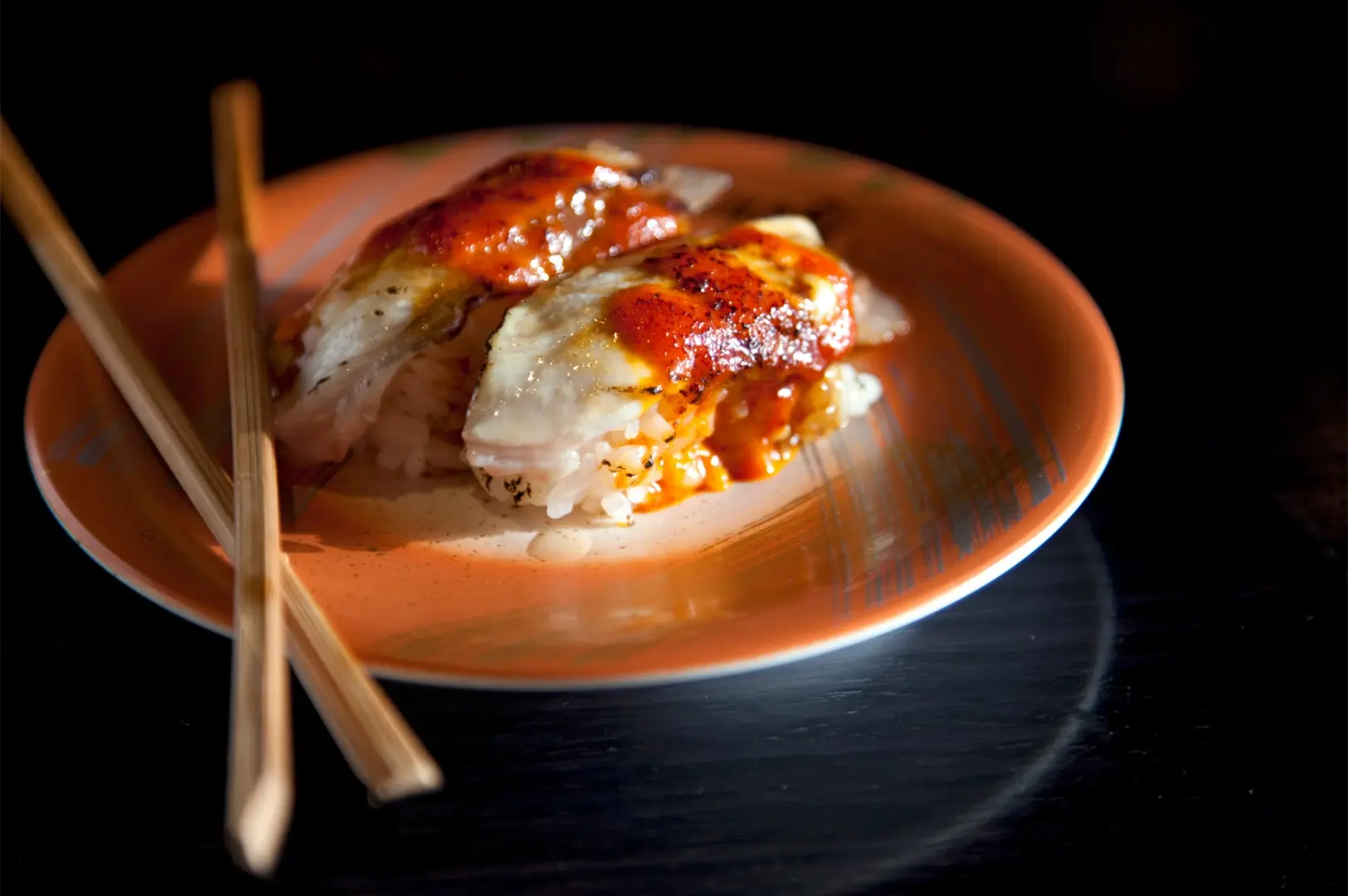
A modern favorite, aburi sushi involves lightly flame-searing the topping of a nigiri or maki sushi roll. This technique, often applied to fish with a higher fat content like salmon or scallop, caramelizes the surface and imparts a delightful smoky aroma. The heat also changes the texture, creating a wonderful contrast between the cooked exterior and the raw interior. Aburi sushi is frequently topped with creative sauces such as spicy mayo or mentaiko mayonnaise, adding another layer of creamy, savory flavor that appeals to the local palate.
Creative Fusion Rolls and Sushi Burrito
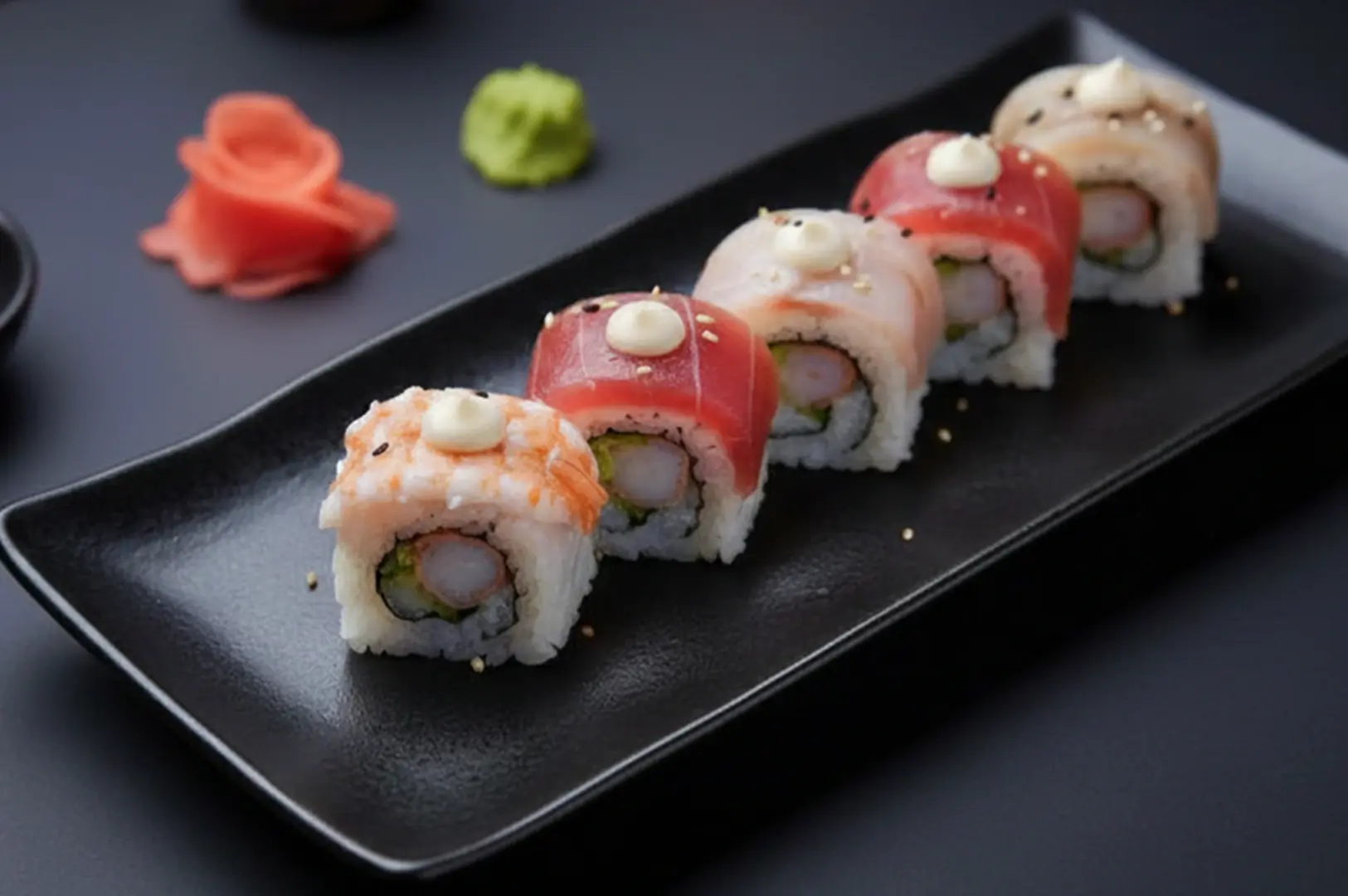
The uramaki, or inside-out roll, has become a popular canvas for culinary creativity in Singapore’s sushi restaurants. Local chefs are not afraid to experiment with bold ingredients, resulting in unique creations that reflect the city’s diverse food culture. You might find rolls filled with soft-shell crab or shrimp tempura, topped with avocado (avocado roll) and mango, or drizzled with sauces inspired by Southeast Asian flavors. These inventive sushi rolls and sushi burritos make sushi more approachable and exciting for a broad audience, serving as a delicious bridge between cultures.
Temaki Sushi and Temari Sushi
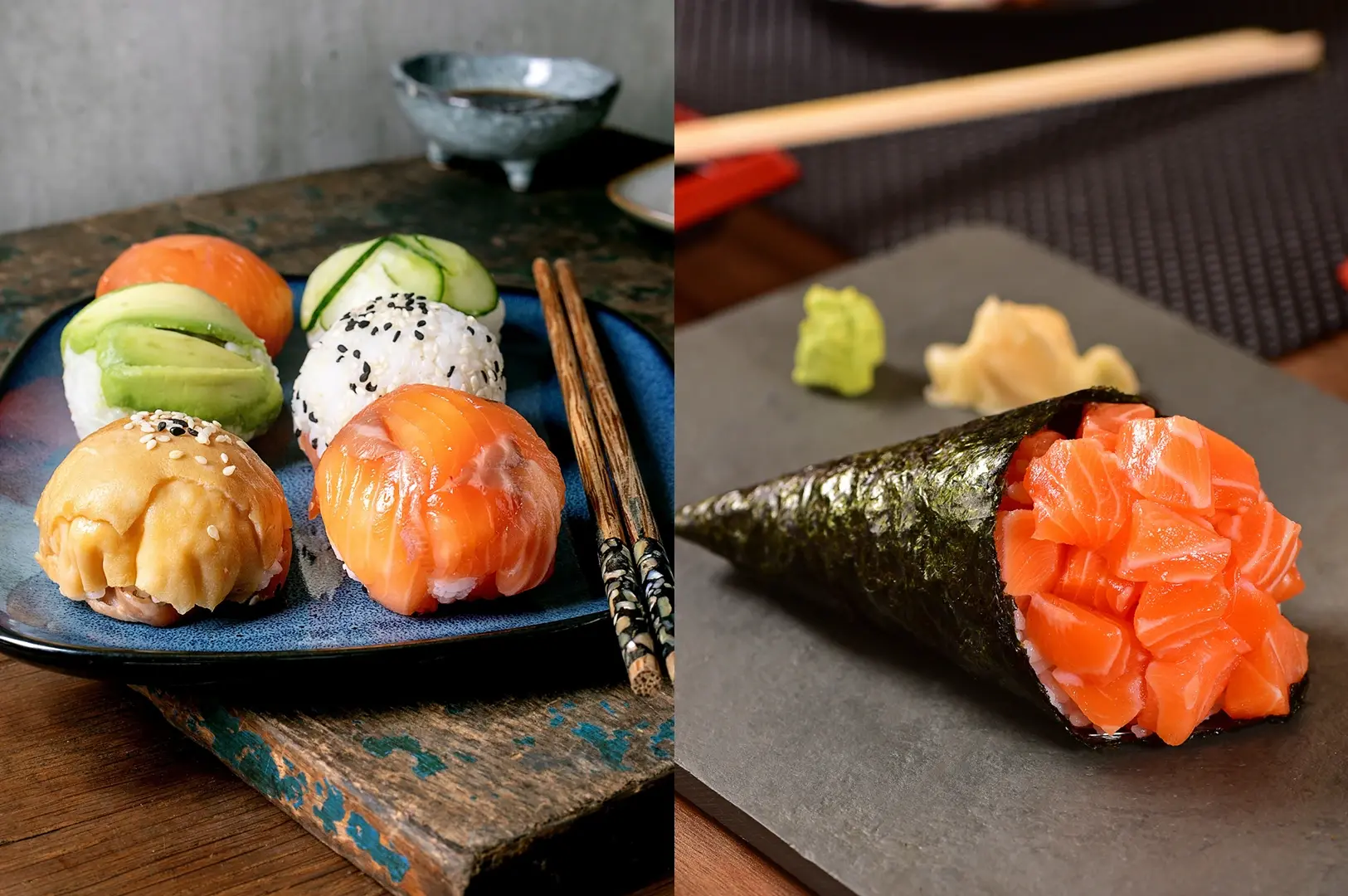
Hand rolls, or temaki sushi, are cone-shaped sushi wrapped in nori and filled with vinegared sushi rice and various fresh ingredients. They are easy to prepare and popular for casual dining or gatherings. Temari sushi, small ball-shaped sushi made with specially prepared short grain Japanese rice and colorful toppings, are often served during celebrations. Both styles highlight the versatility and artistry of Japanese cuisine, enhancing the sushi variety available in modern dining.
Sushi Served with Traditional Accompaniments
Modern sushi varieties in Singapore are often enjoyed with classic Japanese sushi condiments such as sushi ginger, miso soup, and soy sauce. Proper eating sushi etiquette includes avoiding too much soy sauce to preserve the delicate flavors. Many sushi restaurants, or sushi ya, emphasize the balance of these accompaniments to complement the sushi meal perfectly.
Conveyor Belt Sushi and Sushi Counter Experience
The popularity of conveyor belt sushi has also grown, offering diners a fun and interactive way to enjoy a wide range of sushi varieties quickly. Meanwhile, fine dining sushi counters provide an intimate experience where sushi chefs showcase their craftsmanship using fresh fish flown in from Japan, including prized ingredients like southern bluefin tuna. These contrasting sushi dining experiences contribute to the rich and diverse sushi culture in Singapore.
Raw Fish and Rice Vinegar: Ingredients and Craftsmanship
Regardless of the style, all great sushi shares a common foundation: exceptional ingredients and meticulous craftsmanship. The quality of the rice is paramount. It must be a premium short-grain Japanese rice, cooked to perfection, and seasoned with a balanced blend of rice vinegar, sugar, and salt to create the specially prepared vinegared sushi rice essential to traditional Japanese sushi.
The freshness of the seafood is, of course, non-negotiable. Top sushi restaurants in Singapore, including high-end omakase counters, have established sophisticated supply chains, flying in fresh fish directly from Japan, such as from Toyosu Market, multiple times a week. This ensures that every piece of sushi served features the finest raw fish and raw seafood available.
The sushi chef’s ability to handle, slice, and present these ingredients with precision is what elevates the dish from simple food to culinary art. This dedication to quality and technique is what defines the authentic Japan sushi experience, whether enjoyed at a sushi restaurant or an intimate sushi counter.
Beyond the well-known varieties, traditional sushi also traces its roots back to ancient practices of preserving fish with specially prepared rice (e.g. fermented rice), a method that laid the foundation for modern sushi. Contemporary chefs sometimes reinterpret sushi in innovative forms like sushi cake, blending tradition with creativity to delight diners.
Classic Japanese sushi condiments are chosen with care to complement the sushi meal without overpowering the delicate flavors. Understanding the roles of a perfect condiment trio (e.g. sushi ginger, miso soup, soy sauce) is an art in itself, enhancing the enjoyment of the diverse sushi variety found in modern Japanese cuisine. To learn more, delving into the world of “Sashimi, Wasabi, Ginger, and Soy Sauce” reveals the deep thought behind these traditional pairings.
Conclusion
The vast sushi variety available today tells a compelling story of culinary evolution. It is a tradition that honors its past while fearlessly embracing the future. In Singapore, we are privileged to witness this story unfold on our plates, from the disciplined simplicity of a classic nigiri to the playful creativity of a locally inspired fusion roll. Each form offers a different perspective on the same core principles of balance, freshness, and artistry. So, the next time you sit down for a sushi meal, venture beyond your usual order. Explore the menu, try something new, and savor the incredible diversity that makes sushi one of the world’s most beloved and dynamic cuisines.