
Best Sashimi in Singapore: Where to Find Premium Raw Fish
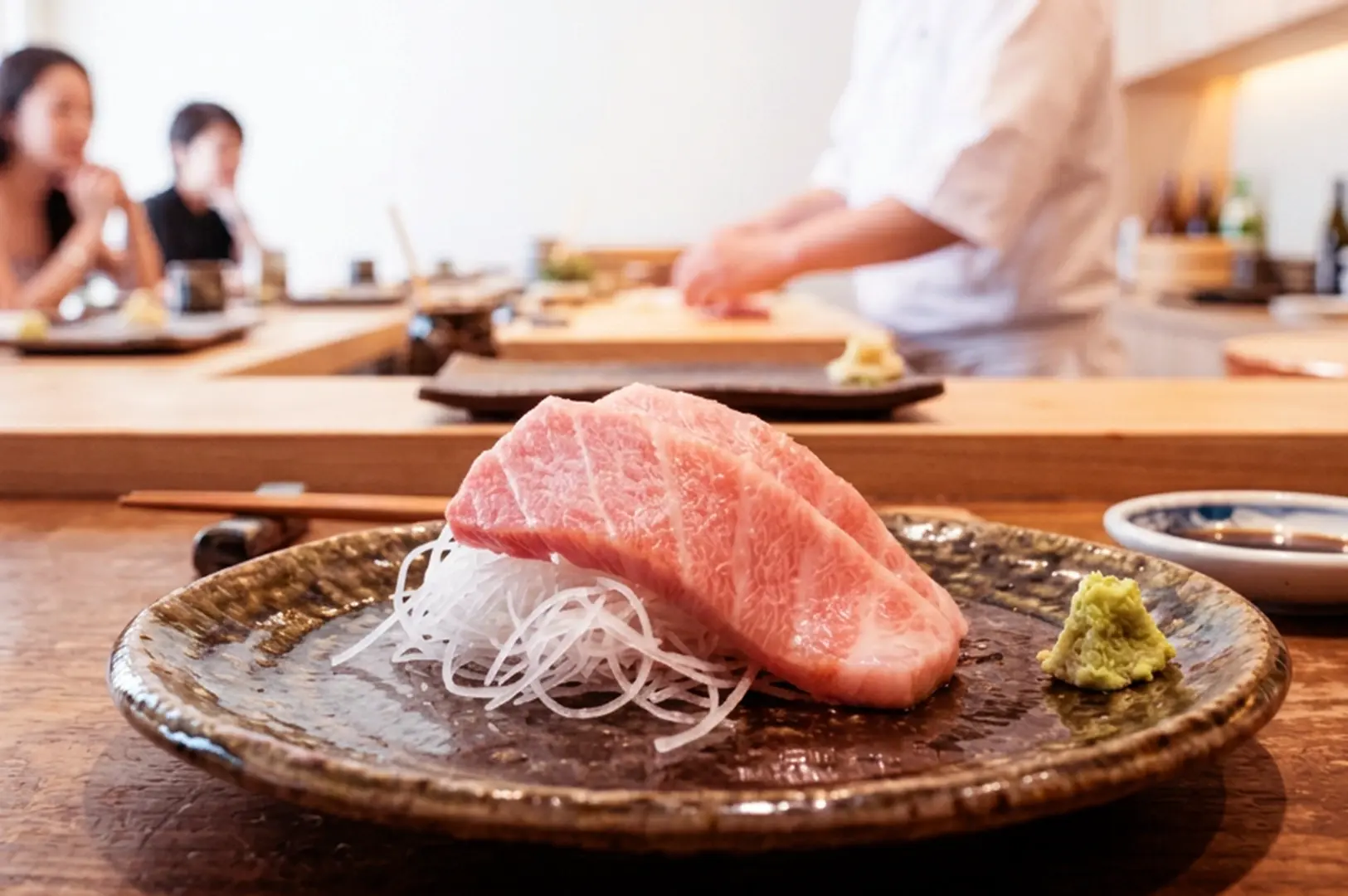
A single, pristine slice of fish, glistening under the soft light of a sushi restaurant, resting elegantly on a bed of shredded daikon radish. Few culinary experiences are as pure and direct as enjoying high-quality sashimi. This dish of profound simplicity demands the utmost respect for the ingredient and the craft of the head chef. In Singapore, a city that has wholeheartedly embraced Japanese cuisine, the love for sashimi runs deep. It represents both a refined indulgence and a direct connection to the oceans; a taste of the sea delivered with masterful precision.
This guide celebrates the art of sashimi by exploring the allure of this quintessential Japanese dish, highlighting some of Singapore’s finest destinations for premium raw fish, and uncovering the secrets that sushi chefs use to bring this experience to our tables. Whether served as nigiri sushi or as thinly sliced sashimi slices, the emphasis remains on freshness, texture, and the natural flavors of the fish meat, making it a favorite among sashimi lovers eager to eat raw seafood with confidence and delight.
The Allure of Japanese Cuisine and Salmon Sashimi
In a world of complex sauces and cooking techniques, Japanese sashimi stands apart in its purity. The philosophy behind this iconic Japanese word, which literally means “pierced body” or “cut flesh,” is simple: to present an ingredient in its most unadulterated and perfect state. This is not just about serving raw fish; it is a culinary art form that hinges on three crucial elements: the quality of the ingredient, the skill of the Japanese chefs, and the elegance of the presentation.
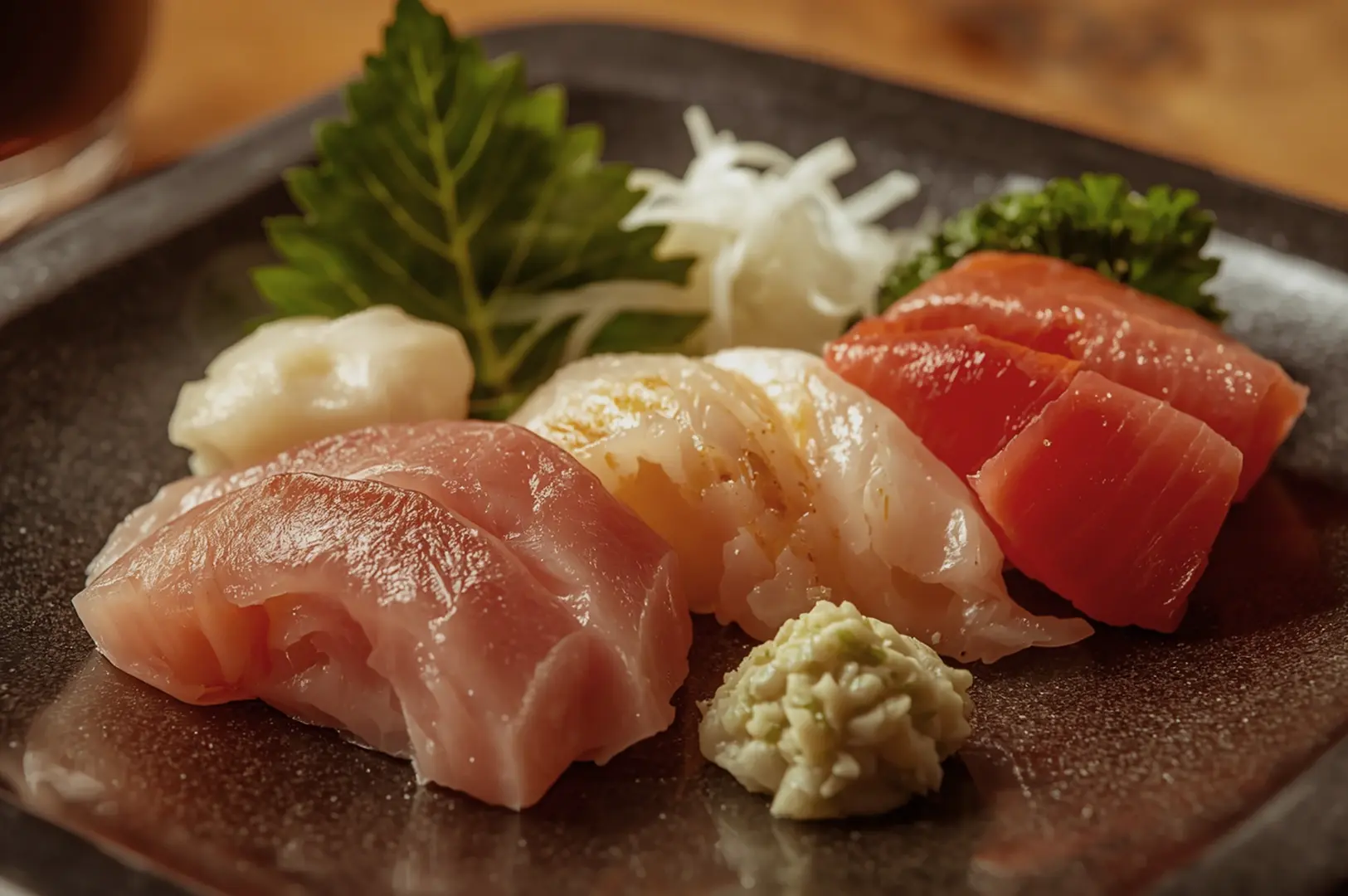
Singaporean diners are drawn to this transparency. Each sashimi piece offers a direct conversation with the ingredient itself. You taste the subtle sweet flavor of scallop (hotate), the clean, firm texture of white fish like sea bream (tai), or the rich, creamy taste and buttery fat content of tuna belly (otoro). The craftsmanship shows in the chef’s knife work. Using a specialized, razor-sharp blade called a yanagiba, the chef slices the fish raw into thin strips with a single, fluid pulling motion. This technique produces sashimi slices with different thicknesses and a flawless surface that enhances texture and mouthfeel; a skill that takes years to perfect.
Sashimi is popularly served alongside a small dish of soy sauce and accompanied by condiments such as wasabi and pickled ginger, which cleanse the palate and complement the natural flavors. The grain direction of the fish meat is carefully considered, ensuring each bite is tender and enjoyable. This dedication to detail and respect for raw food elevates sashimi beyond mere raw fish to an exquisite dining experience.
Top Eat Sashimi Destinations in Singapore
Singapore’s dining scene features establishments that honor the art of sashimi, catering to a wide range of tastes and budgets.
For the Ultimate Indulgence:
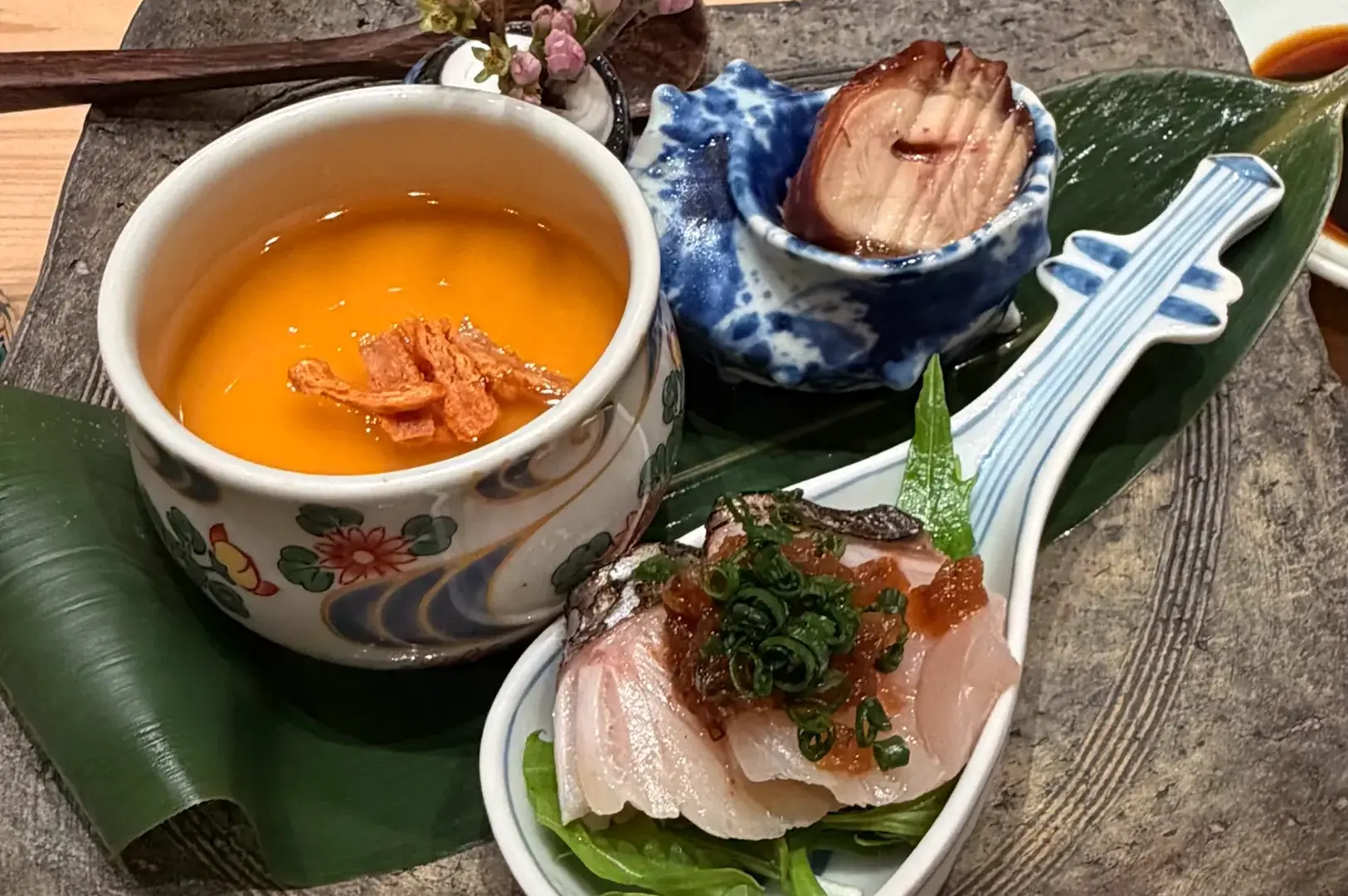
- Shinji by Kanesaka: An extension of the 2-Michelin-starred sushi restaurant in Tokyo, Shinji is a benchmark for Edomae-style sushi and sashimi. Here, sushi chefs prepare sashimi slices from fish raw and fresh fish of impeccable quality, sourced directly from Japan and prepared with uncompromising traditional techniques. A platter of assorted sashimi here is a masterclass in seasonality and perfection, showcasing prized fish with distinctive flavor and subtle flavors.
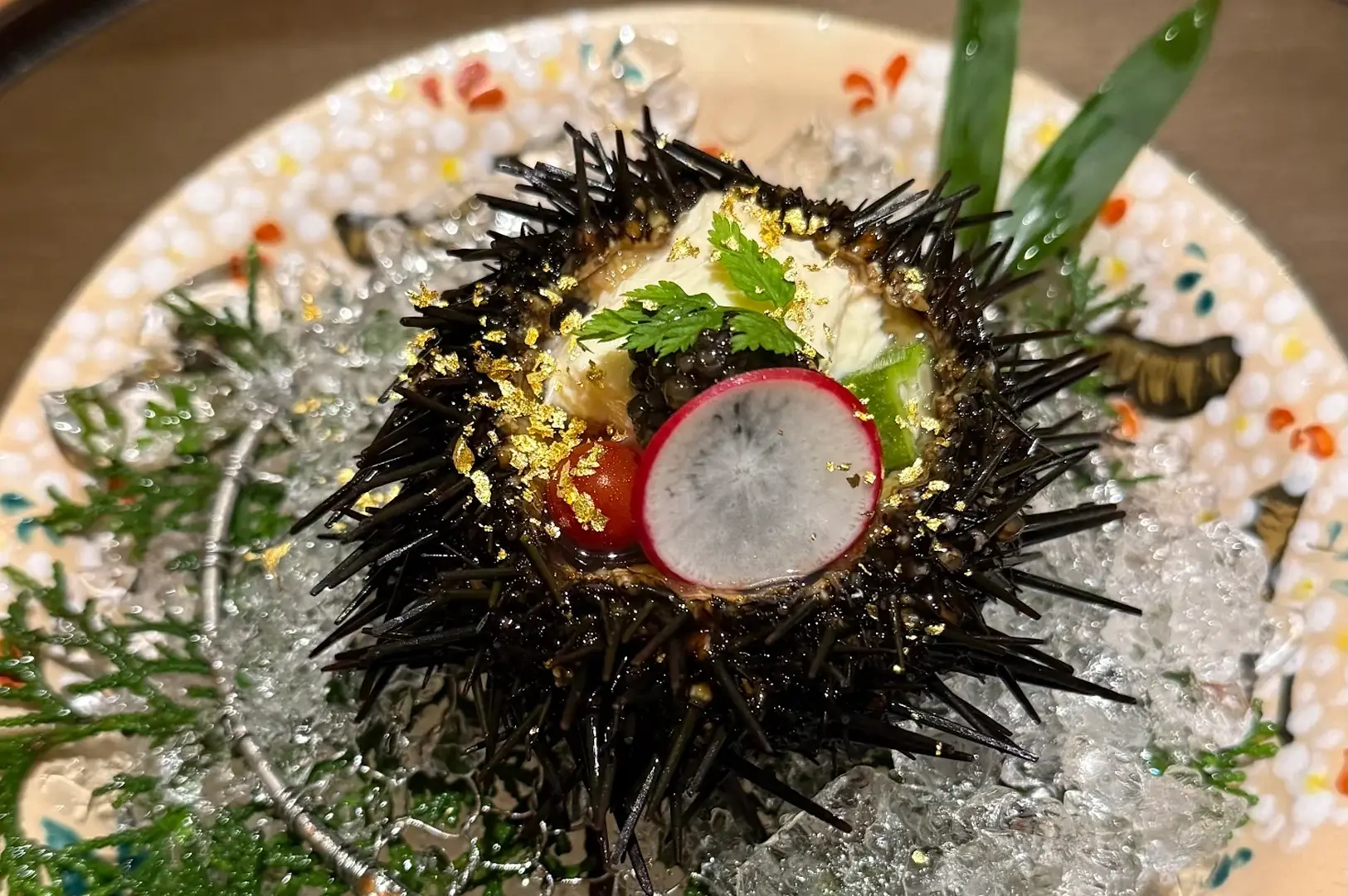
- Ki-sho 葵匠: Housed in a stunning black-and-white colonial bungalow, Ki-sho offers an exclusive and serene dining experience. The sashimi, part of a larger omakase menu, features fresh sashimi flown in multiple times a week. It is a place to celebrate a special occasion with a true taste of Japanese luxury, served alongside vinegared rice and garnished with shredded daikon radish and grated ginger to enhance the natural flavors.
For Mid-Range Excellence:
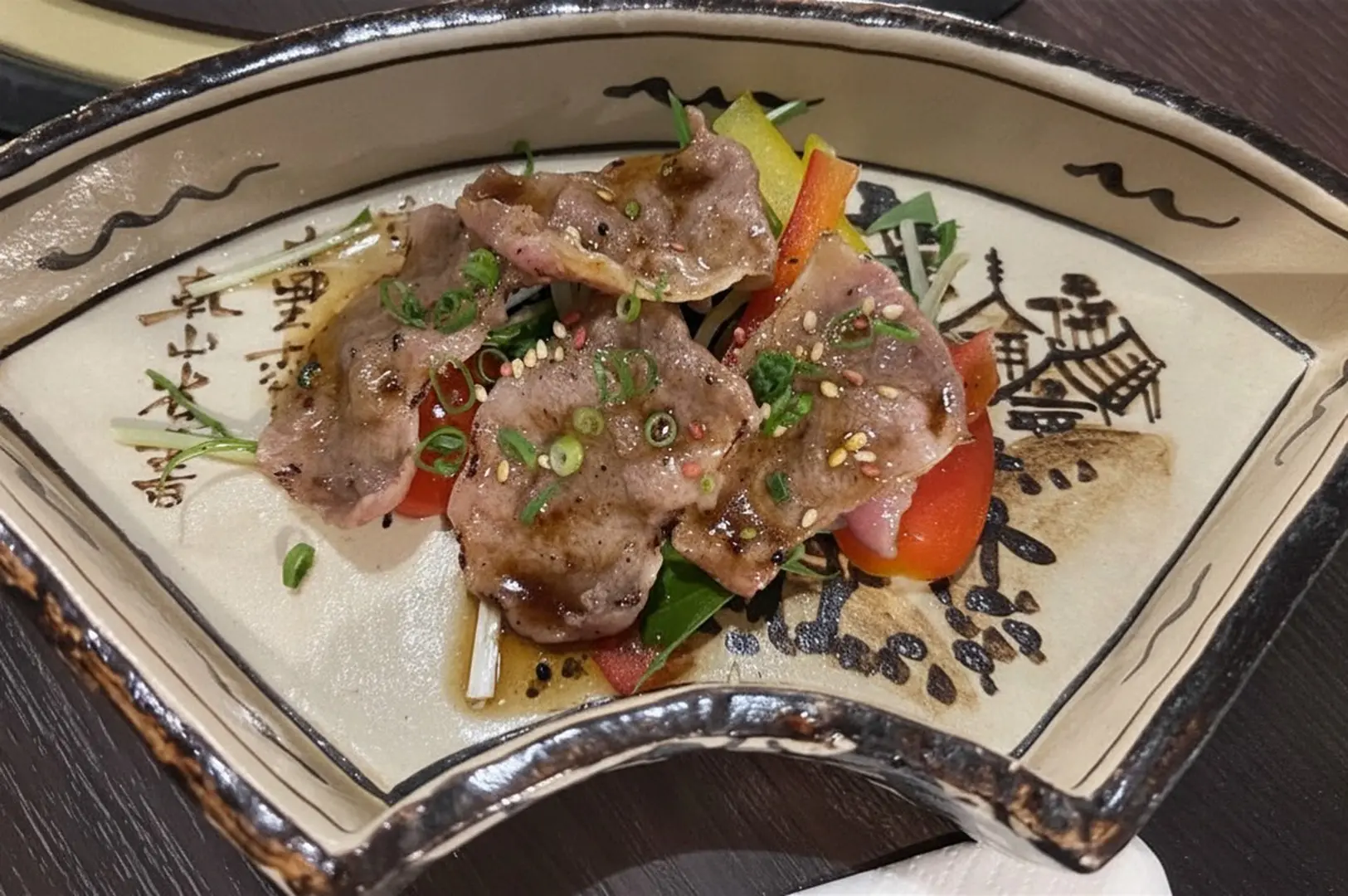
- The Gyu Bar: Known for its premium beef and raw beef dishes, The Gyu Bar also offers an exceptional selection of sashimi. Sourcing from Japanese purveyors, their offerings include chicken sashimi and sweet shrimp, fresh sashimi artfully presented for a wonderful surf-and-turf experience.
For Budget-Friendly Quality:
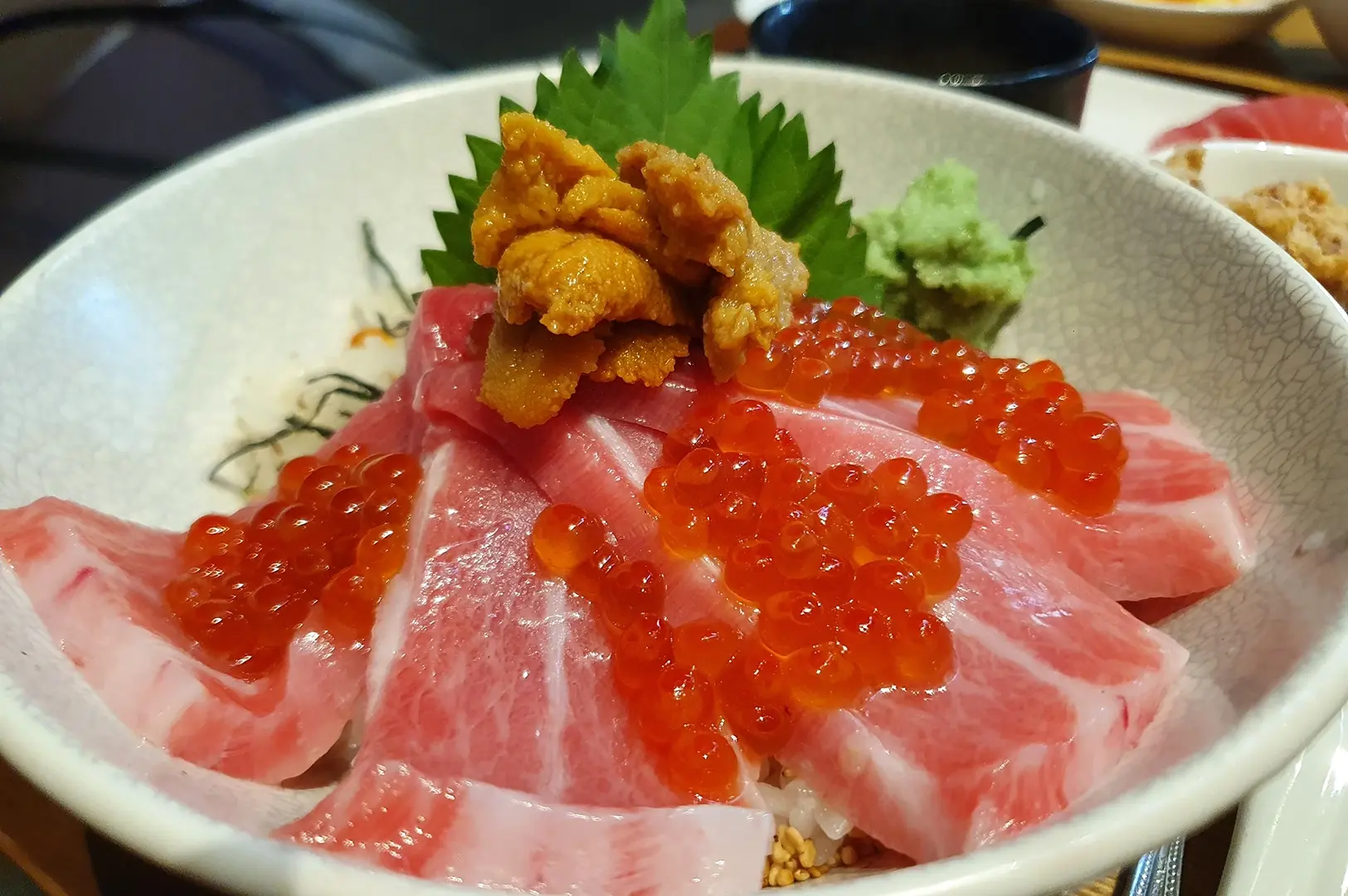
- Kuro Maguro: As its name suggests, Kuro Maguro specializes in maguro (tuna), importing it directly from a Japanese wholesaler. It offers an affordable way to enjoy high-quality tuna sashimi, from the leaner akami to the prized otoro, without breaking the bank. They also serve mackerel sushi and cured mackerel options, ensuring safe and delicious raw seafood experiences with proper freezing fish techniques to prevent parasite infection and food poisoning.
Sourcing and Craftsmanship: Sashimi Grade and Sliced Raw Sashimi Slices
The availability of world-class sashimi in Singapore is a testament to an incredible global supply chain. The journey begins in the bustling fish markets of Japan, like Toyosu in Tokyo, where sushi chefs and purveyors select the finest seasonal catch, including prized fish such as skipjack tuna and farmed salmon. This premium seafood is then packed on ice water and flown directly to Singapore, often arriving within 24 to 48 hours. This unbroken cold chain is vital for preserving the fish’s freshness, texture, and flavor, ensuring that the sashimi selection maintains its delicate flavors and is safe for raw consumption. From wild salmon to sea urchin and salmon roe, every ingredient is carefully handled to meet sashimi grade standards, allowing diners to enjoy fresh sashimi pieces with confidence.
Once in the chef’s hands, the artistry begins. The preparation is a ritual. The chef not only slices the fish but also considers perfect accompaniments that enhance its flavor. The classic trio of wasabi, ginger, and soy sauce each plays a specific role. Exploring the relationship between “Sashimi, Wasabi, Ginger, and Soy Sauce” reveals the thoughtful tradition behind these pairings. This meticulous attention to detail, from sourcing to serving, defines a truly exceptional sashimi experience.
Beside Fish Meat: Tips for Home Chefs
Enjoying premium sashimi is not limited to restaurants. With knowledge, you can prepare a beautiful sashimi platter at home, exploring various sashimi options beyond just fish meat.
- Source with Care: This is the most critical step. Seek specialty Japanese grocers or reputable online seafood suppliers that explicitly sell sashimi-grade fish. Look for commonly eaten types like tuna sashimi, salmon sashimi, and even adventurous choices like horse meat or chicken sashimi. Do not use fish from a regular supermarket unless clearly marked for raw consumption to avoid food poisoning.
- Invest in a Good Knife: While a professional yanagiba, used by sushi chefs, is an investment, a very sharp, long, and thin knife can work for home use. Sharpness is key to clean cuts without damaging delicate flesh, allowing you to slice raw fish into perfect sashimi slices with different thicknesses.
- Keep Everything Cold: Work quickly and keep the fish chilled at all times, ideally on ice water. This is crucial for food safety and preserving texture, preventing parasite infection.
- Slice Against the Grain: Identify the grain direction running through the fish fillet and slice perpendicular to it. This ensures a tender, melt-in-your-mouth texture rather than a stringy one. For white fish or firmer texture fish, consider slicing thin strips or using techniques like slicing into thin strips similar to ika somen, which resembles thin noodles.
- Enhance with Traditional Accompaniments: Serve sashimi with soy sauce, wasabi, and grated ginger. These complement natural flavors and help reduce risks associated with raw consumption. Adding shredded daikon radish and pickled ginger enhances presentation and palate cleansing.
- Consider Cooking Methods for Safety: For certain types like chicken sashimi or raw beef, some chefs use techniques such as boiling water blanching or light searing to ensure safety while maintaining the raw inside quality.
By following these tips, you can enjoy a safe and delicious sashimi experience at home, appreciating the delicate balance of flavors and textures that make sashimi a hidden gem of Japanese cuisine.
Conclusion
The art of Japanese sashimi is a beautiful expression of culinary minimalism, where ingredient quality and chef skill converge. It invites us to slow down and appreciate the subtle, profound flavors of the sea, including prized varieties like white tuna known for its distinctive strong flavor and mild flavor in other selections. In Singapore, the embrace of this dish reflects our city’s sophisticated palate and connection to global food cultures. Whether indulging at a high-end counter, enjoying a platter alongside perfectly prepared sushi rice at a casual eatery, or trying your hand at home preparation, the experience celebrates purity, craftsmanship, and a heritage that continues to inspire, often complemented by garnishes that add a refreshing crunchy texture.