Maki-San Katong, Reviewed: Halal Sushi Delivery That Doesn’t Taste Like Compromise
I ordered sushi to my desk on a Tuesday afternoon, expecting to be let down.
You know the feeling. Delivery sushi usually means tired rice, limp seaweed, and the sadness of food that has travelled far from where it was made. So when I ordered from Maki-San at i12 Katong, I braced myself for compromise, curious to see how halal sushi in Singapore could measure up.
Then the bright little box arrived, and my low expectations quietly fell apart.
A Box That Made Me Smile
Let me start with the packaging, because with halal sushi delivery, the first test happens before the first bite.
Maki-San doesn’t send sushi in dull brown containers. My order arrived in a cheerful, colourful box with quirky pop-art graphics, almost too playful for a regular weekday lunch in Singapore. I remember turning it over before opening it, like part lunch, part small desk delight.
Good packaging shows the restaurant has thought about the journey, not just the kitchen pass. It signals care, quality, and a commitment to making the food feel considered after delivery.
More importantly, the box worked.
- No sauce leaks.
- No crushed corners.
- No loose rolls sliding into one another.
The maki pieces still looked neat, with rice holding its shape instead of collapsing into a cold, sticky mound. The seaweed softened slightly, as often happens in delivery, but hadn’t turned limp or soggy. For sushi sent across town, that felt like a win.
A Counter Built for Movement, Not Ceremony
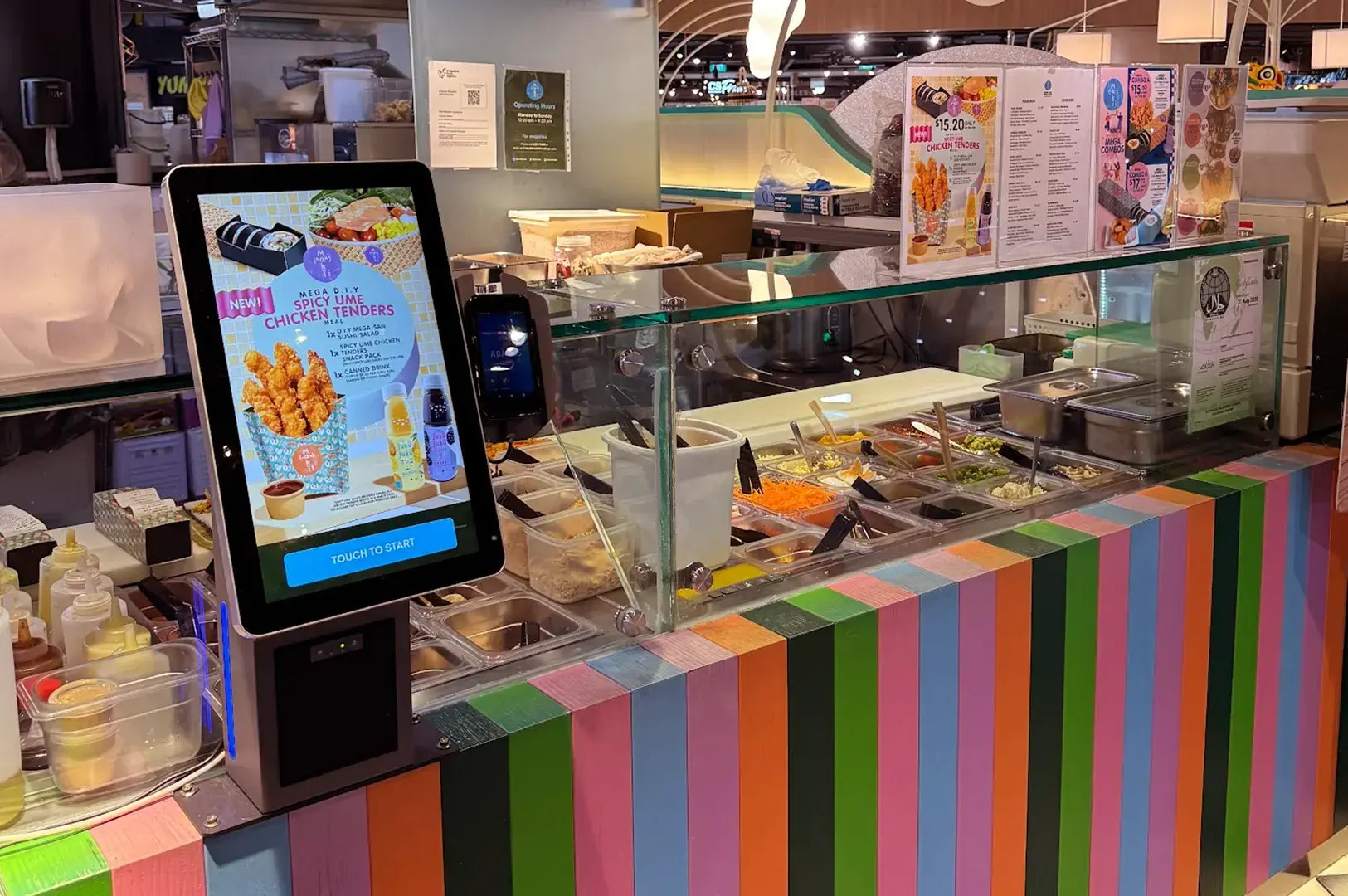
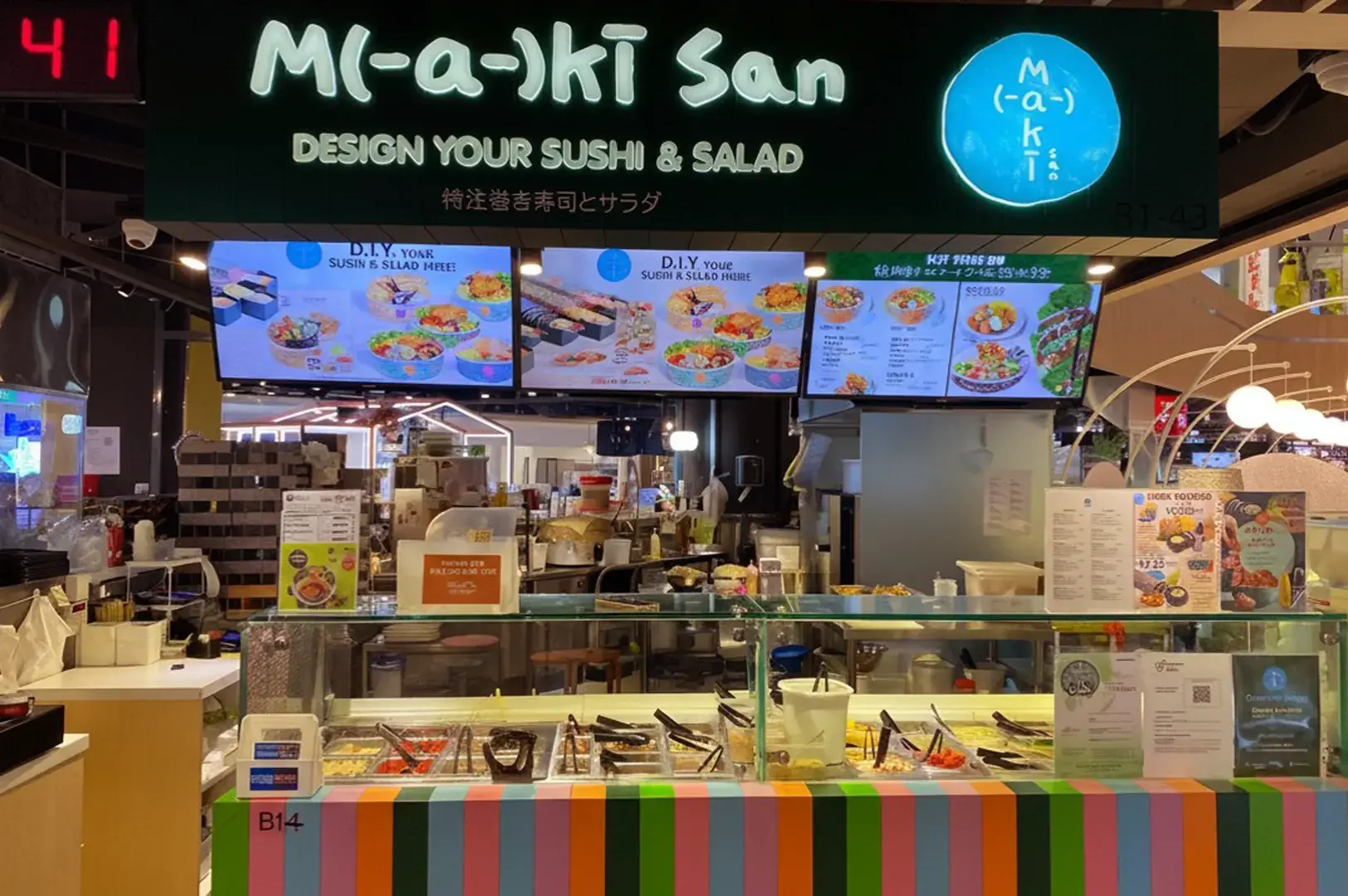
Maki-San at i12 Katong isn’t a hushed omakase room. It’s a compact, fast-casual counter, the kind of place you pass and decide, yes, lunch can be sushi today.
The space is bright and graphic, with dark green, turquoise, and white tones, playful illustrations, and limited seating. It feels more like a cheerful grab-and-go corner than a formal Japanese restaurant.
That’s the point.
A Quick Stop, Not a Slow Ritual
This halal-certified Japanese food is shaped around speed, choice, and convenience. You’re not here to watch a chef brush soy on perfect nigiri. You’re here to build a meal that suits your appetite, budget, time, and halal needs without second-guessing.
For delivery, that setup works in Maki-San’s favour. The rolls, salads, snacks, and bento-style meals are compact, customisable, and easier to transport than delicate sashimi or nigiri. Less ceremony means quicker prep, giving your order a better chance of arriving while the rice is still soft.
The Food: Customisation Is the Whole Story
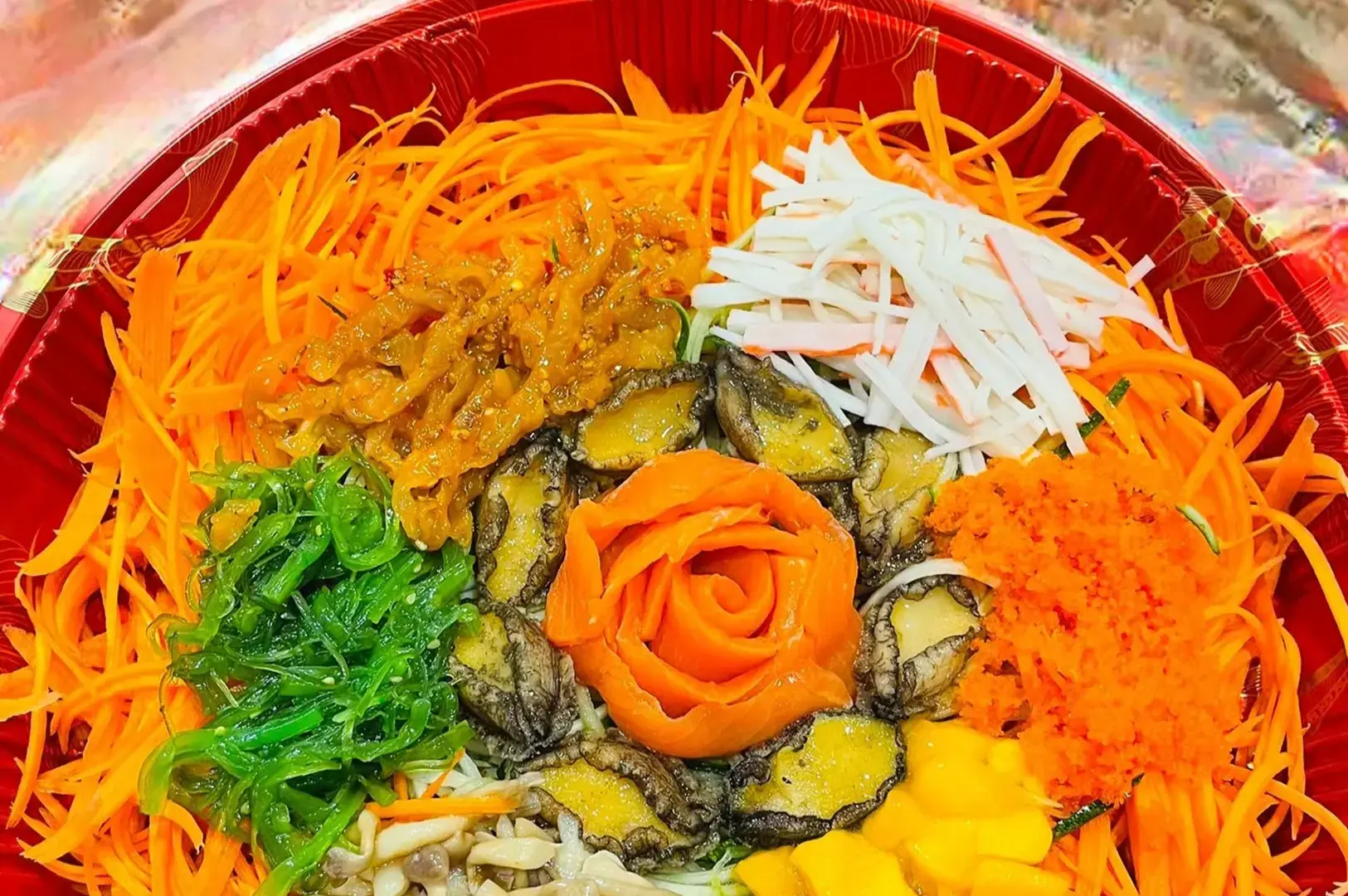
Maki-San isn’t chasing traditional sushi purity. It’s built around the pleasure of choosing exactly what you want.
That makes it a very Singapore kind of concept. We customise bubble tea sweetness, cai fan combinations, laksa spice levels, and kopi terms without thinking twice. Maki-San brings that same instinct to halal sushi and salads.
The process is simple: choose a wrap, rice, fillings, toppings, and sauce. The wider menu also offers ready-made maki, salads, snacks, and platters, practical for solo lunches, office catering, casual dates, and family orders.
There’s quiet confidence in that. Maki-San knows it’s not an old-school sushi bar. It’s a halal, fast-casual brand designed to provide Japanese-inspired meals that can travel.
DIY Mega San Sushi
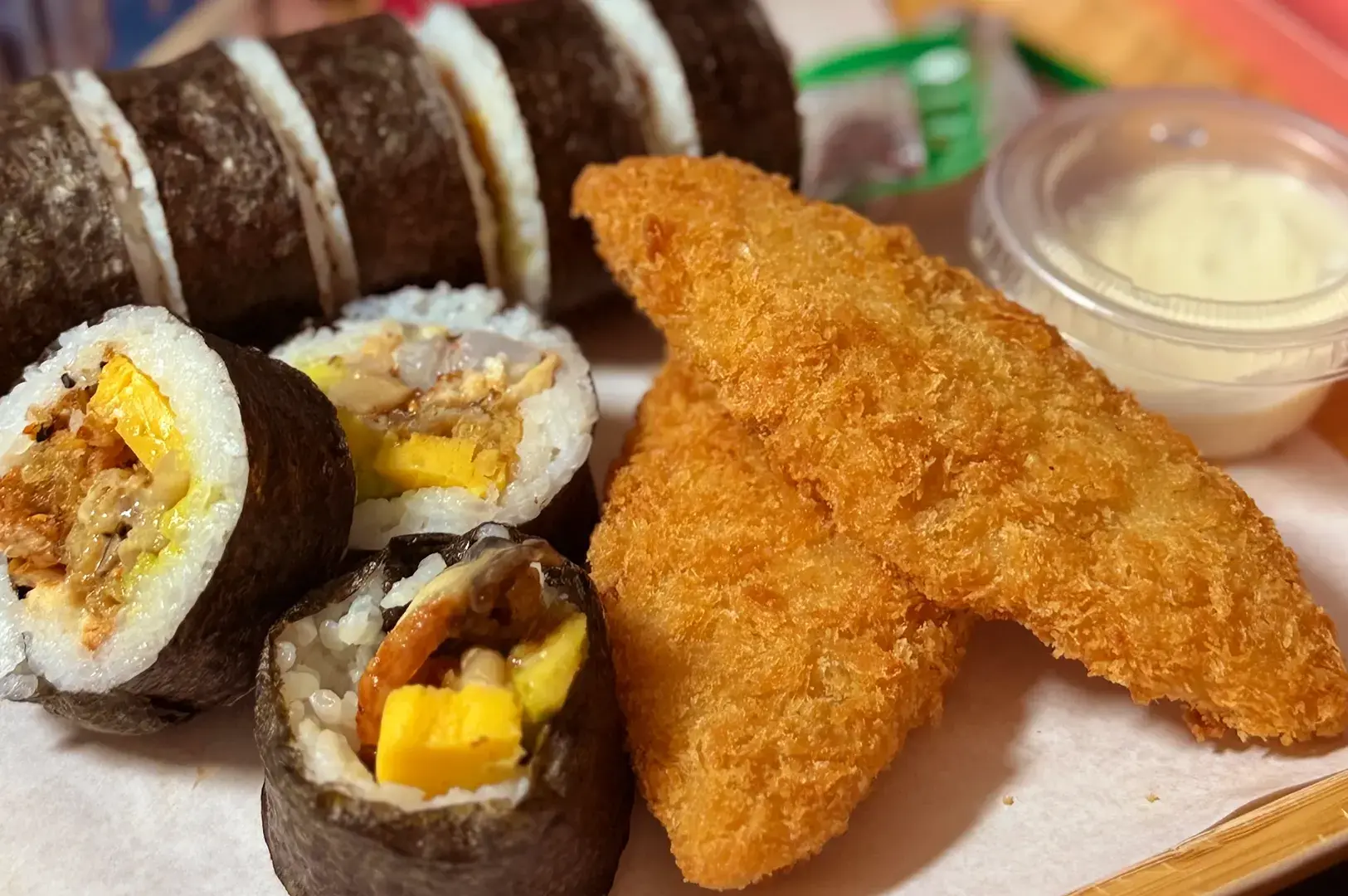
The DIY Mega San Sushi is the signature, and where the fun lives.
My version had white rice, smoked salmon, asparagus, avocado, ebiko, carrot, tamagoyaki, okaka furikake, and a generous swipe of wasabi mayo. You can also build around tuna, chicken, vegetables, or other favourites. The Mega San format makes the order feel personal, like designing your own lunch instead of choosing from a fixed menu.
The first bite surprised me.
The rice was still soft, not dried out from the journey. The smoked salmon brought gentle saltiness, creamy against the avocado. The asparagus and carrot gave a clean crunch, while the ebiko added tiny pops of briny texture. The wasabi mayo tied everything together with mellow heat that warmed the mouth without taking over.
The Roll That Held Together
It wasn’t sashimi at a counter, where freshness is immediate and unmasked. This was something else: practical, tasty, halal maki engineered to survive delivery and still feel enjoyable.
What stood out was the structure. The pieces didn’t fall apart when lifted. The rice held, fillings stayed tucked inside, and sauce didn’t drown the roll. For halal sushi delivery, that balance matters because the meal must survive both making and moving.
Mega San Salad
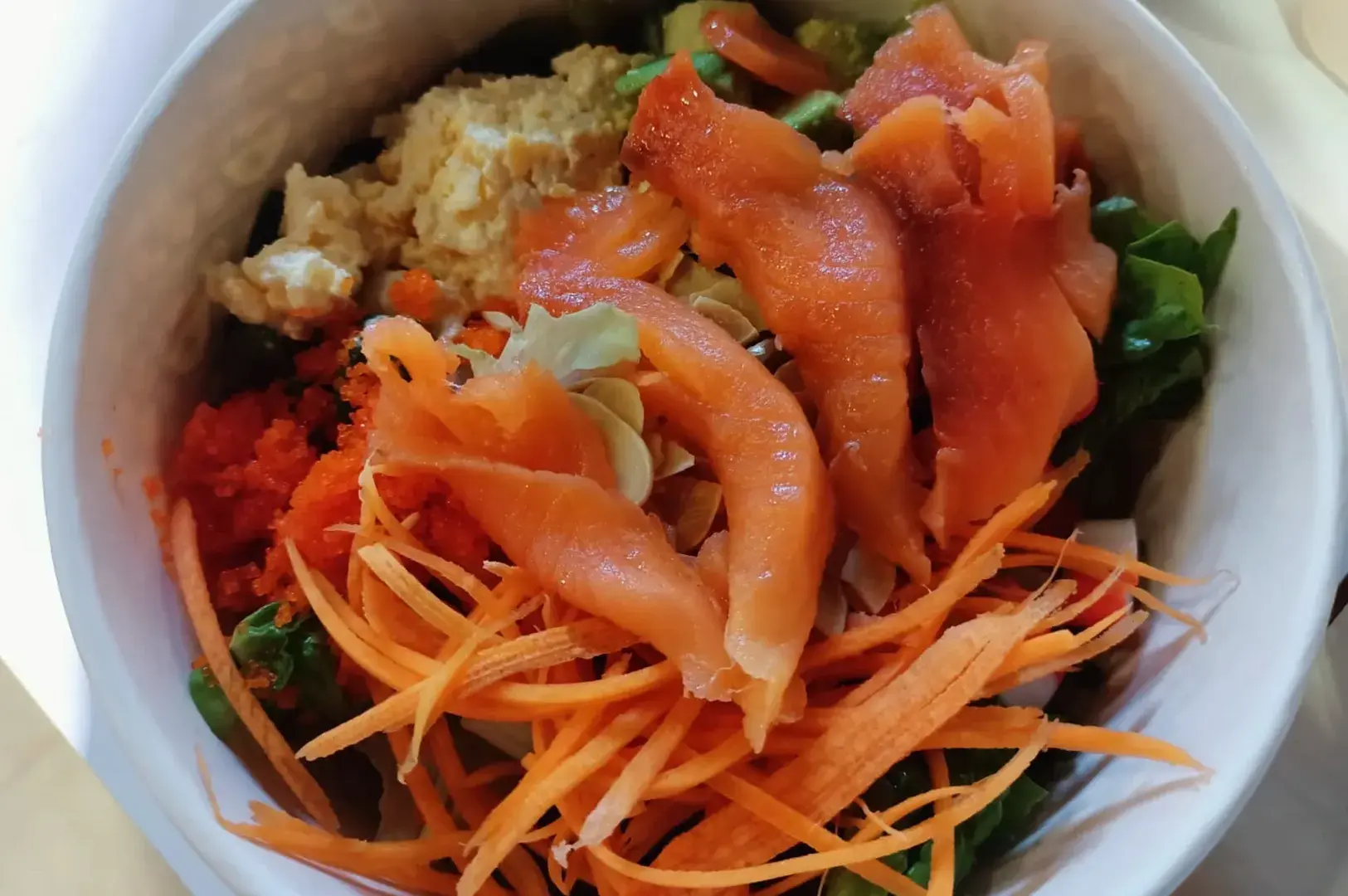
If the DIY Mega San Sushi is playful, the Mega San Salad is practical.
I added it to my next order and saw why some diners keep returning for Maki-San’s salads. The vegetables were crisp without harshness or rawness. The portion felt generous but not heavy enough to make me sleepy at my desk.
I chose yuzu sesame dressing, which gave a bright citrus lift. There was a nutty aroma from the sesame, a light tang at the back of the tongue, and enough creaminess to make the bowl satisfying rather than plain.
This is where Maki-San’s halal options become more useful. It’s not only about sushi. For diners wanting something lighter, or families placing mixed orders, the salads make the menu flexible. One can get maki, another a salad bowl, someone else snacks, and nobody compromises on halal assurance.
Tempura, Gyoza, and Delivery Reality
The Tempura Enoki Mushroom and Tempura Kani Stick add-ons are enjoyable but reveal delivery’s honest limits.
Fresh tempura should have a fragile crackle: crisp outside, tender inside, with a faint fried aroma that makes you reach for another piece. After delivery, that crackle softens. The enoki still has juicy strands, and the kani stick remains savoury, but the texture is gentler.
This isn’t only a Maki-San problem. Fried food struggles in a closed box, especially in humid Singapore weather.
If you add tempura, eat it first. Sushi and rice can wait; fried items cannot. The same applies to gyoza or warm snacks. They’re great sides but best enjoyed before steam softens crisp edges.
Service, Timing, and the Invisible Journey
Maki-San’s team seems to have its system down. Staff move quickly, keep ordering straightforward, and suggest sauces or combos if you’re stuck.
For dine-in or takeaway, that’s enough. For delivery, the story is more complex.
Once the order leaves, control is shared with platform, rider, route, weather, and clock. That’s why real-time tracking matters. A short route keeps rice soft and sauces tidy. A long delay makes even good sushi feel tired.
This is where food designed for transit matters. Maki-San’s rolls and salads travel better than fragile nigiri or sashimi but still depend on timing.
My advice:
- Avoid peak lunch if you can.
- Check estimated delivery time before confirming.
- Track the rider once order is accepted.
- Eat fried sides first.
- Open the box within 10 to 20 minutes if possible.
None of this is glamorous, but it’s the reality of delivery sushi.
The Honest Downsides
I promised honesty.
The concept is strong, but delivery execution can wobble. If an order takes too long, rice firms up, seaweed softens, and tempura loses its edge. Cold sushi rice is unforgiving; it can make a good roll feel flatter.
This isn’t a meal to leave sitting while finishing a meeting. It’s made to be opened and eaten soon after arrival.
There are limits to what Maki-San offers. If you want premium sashimi, carefully sliced tuna, or traditional chef-led sushi, this isn’t that restaurant. Maki-San is better understood as halal custom maki, salads, and casual Japanese-inspired food made for convenience.
Judge it by those terms, and it makes sense. Many Singapore sushi food blogs have also highlighted Maki-San’s unique approach to halal sushi delivery.
Practical Information You’ll Use
Here’s what matters before placing a halal sushi delivery order from Maki-San Katong.
Aspect | Details |
|---|---|
Average spend | Around S$10 to S$15 per person, depending on maki, salads, snacks, or set meals |
Halal status | Maki-San Singapore is halal-certified, a stress-free choice for Muslim diners |
Delivery options | Available through Grab, Foodpanda, Deliveroo, and Maki-San’s website |
Address | 112 East Coast Road, #B1-43 i12 Katong, Singapore 428802 |
Opening hours | 10:00am to 9:30pm, but check before late orders |
Booking | Not needed; fast-casual takeaway and delivery |
Best delivery window | Off-peak lunch or early afternoon for best condition |
Best items for delivery | DIY Mega San Sushi, house maki, Mega San Salad, and bundle meals |
Be careful with | Tempura, gyoza, and fried sides—eat immediately |
For groups | Platters or catering options suit office lunches, casual dates, or small gatherings |
Match the order to the situation. Solo lunch? Build a roll. Lighter meal? Salad. Group lunch? Mixed platters. Want crisp? Eat tempura on arrival.
Final Roll Call on Maki-San’s Delivery Experience
Does a custom roll packed in a bright box survive the journey from Katong to your table?
Mostly, yes. When timing cooperates, Maki-San delivers something fresh, personal, and satisfying. The rice holds up, ingredients stay vibrant, and customisation makes every order feel made just for you.
It’s not traditional sushi, and it’s not trying to be. It’s accessible halal sushi by design, built around choice rather than ceremony. For what it sets out to do, it does well.
Best for: Muslim diners wanting reliable halal sushi delivery, office lunches, casual solo meals, students seeking affordable customisable food, and families ordering light, shareable meals.
Maybe skip if: you want premium sushi craftsmanship or can’t order off-peak and dread soggy rice.
Would I order again? Absolutely. Next time, I’ll plan delivery around a quiet afternoon, build my dream roll, and eat tempura before it cools.
Compromise? I didn’t taste any.